
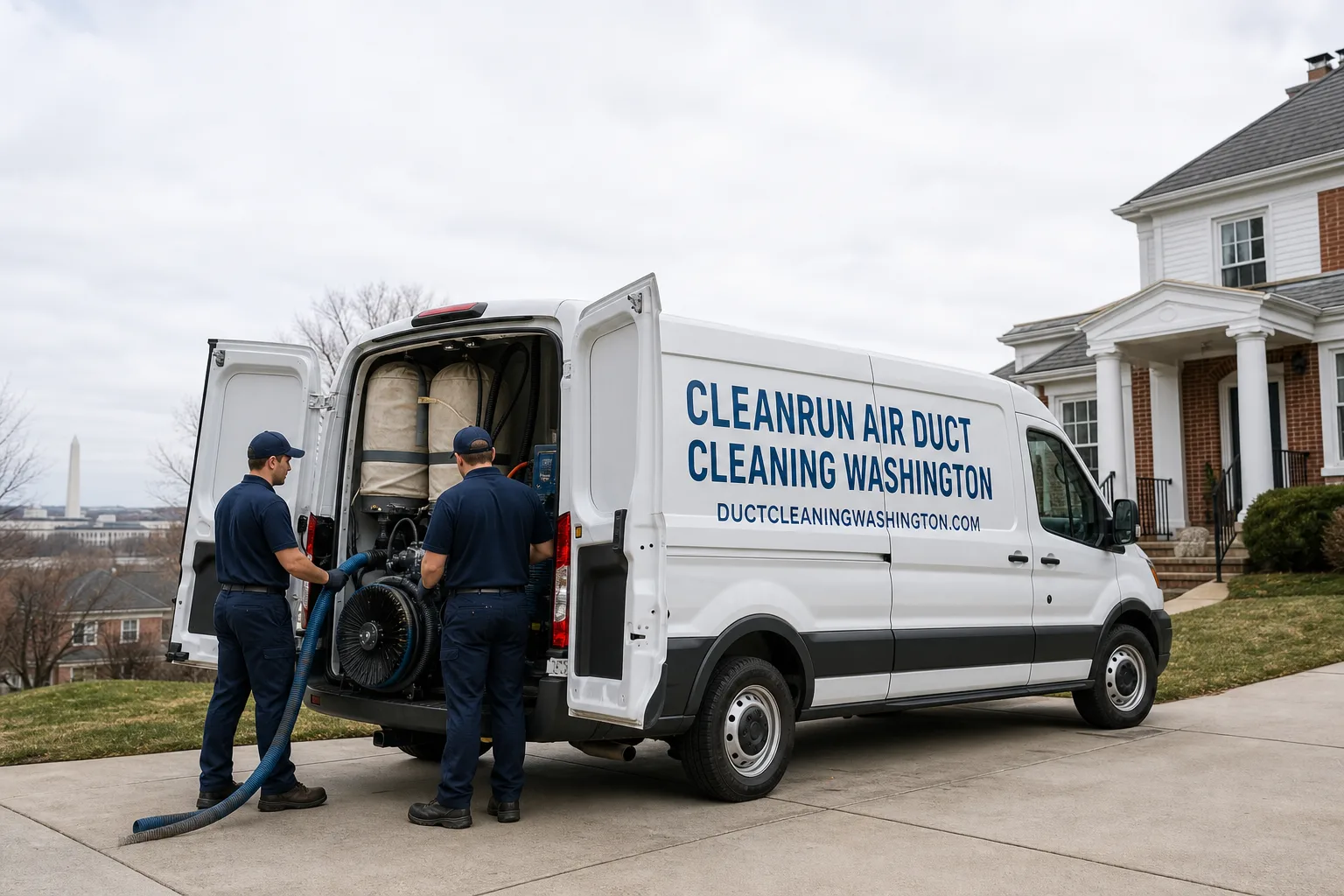
Whole-system duct and dryer vent check with before-and-after photos - you see exactly what came out of your vents
That "$99 whole-house special" is a bait ad - the real number appears once they are in your hallway, or the "clean" is a shop-vac at the register. We photograph the inside of your ducts before and after instead.
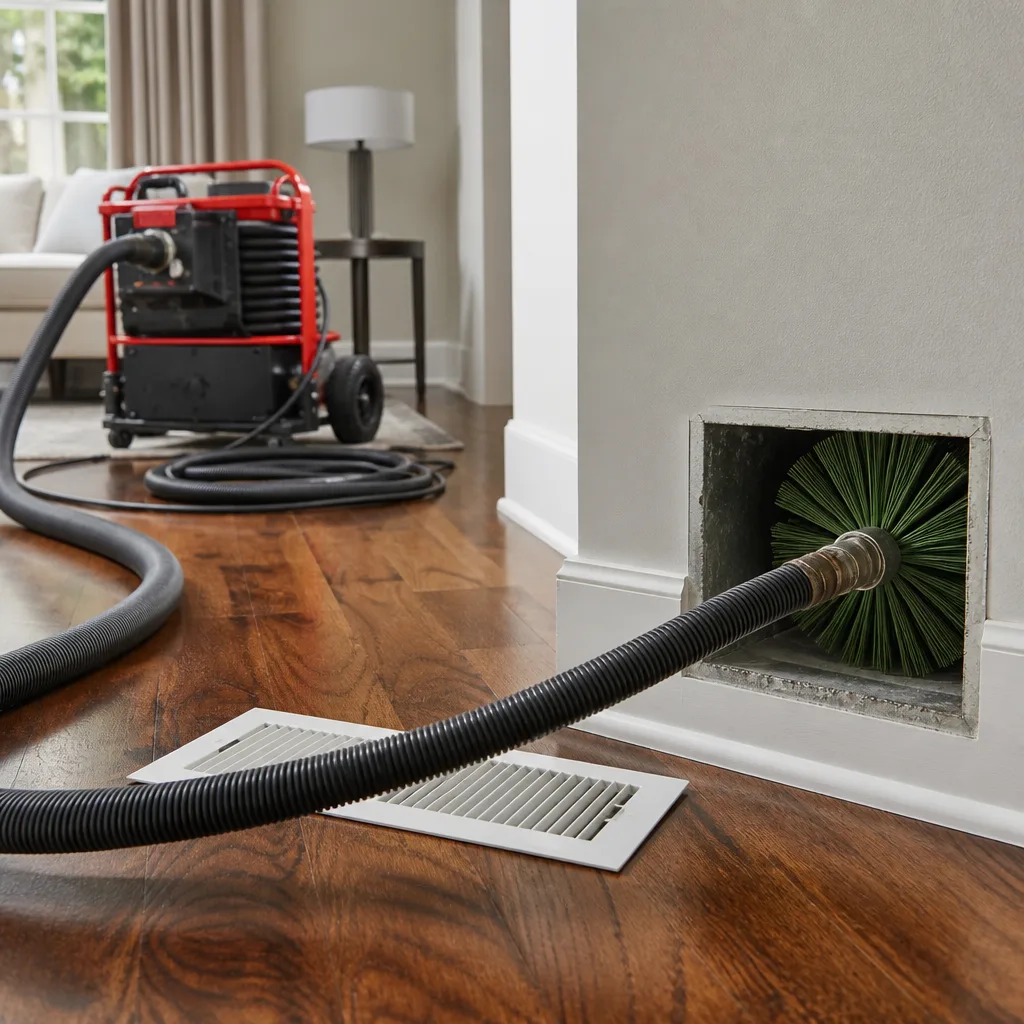
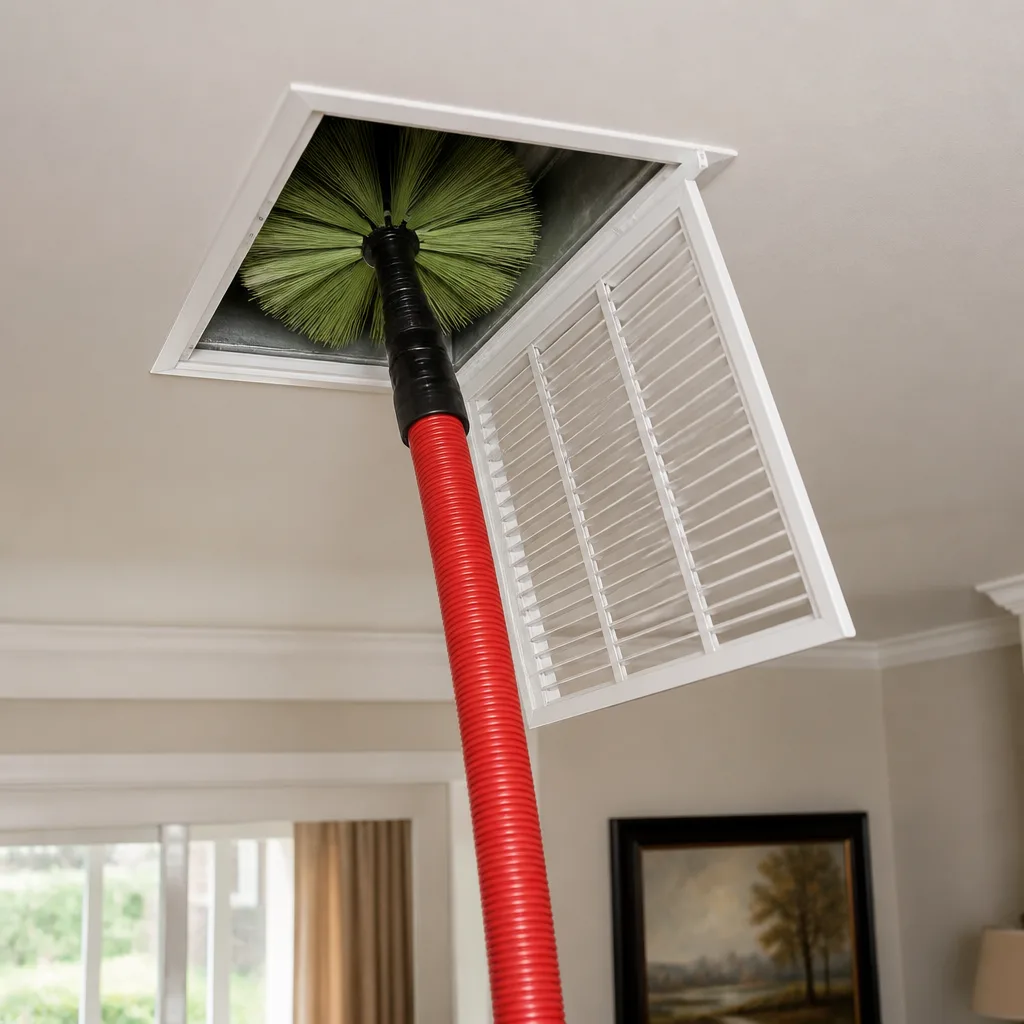
 Before
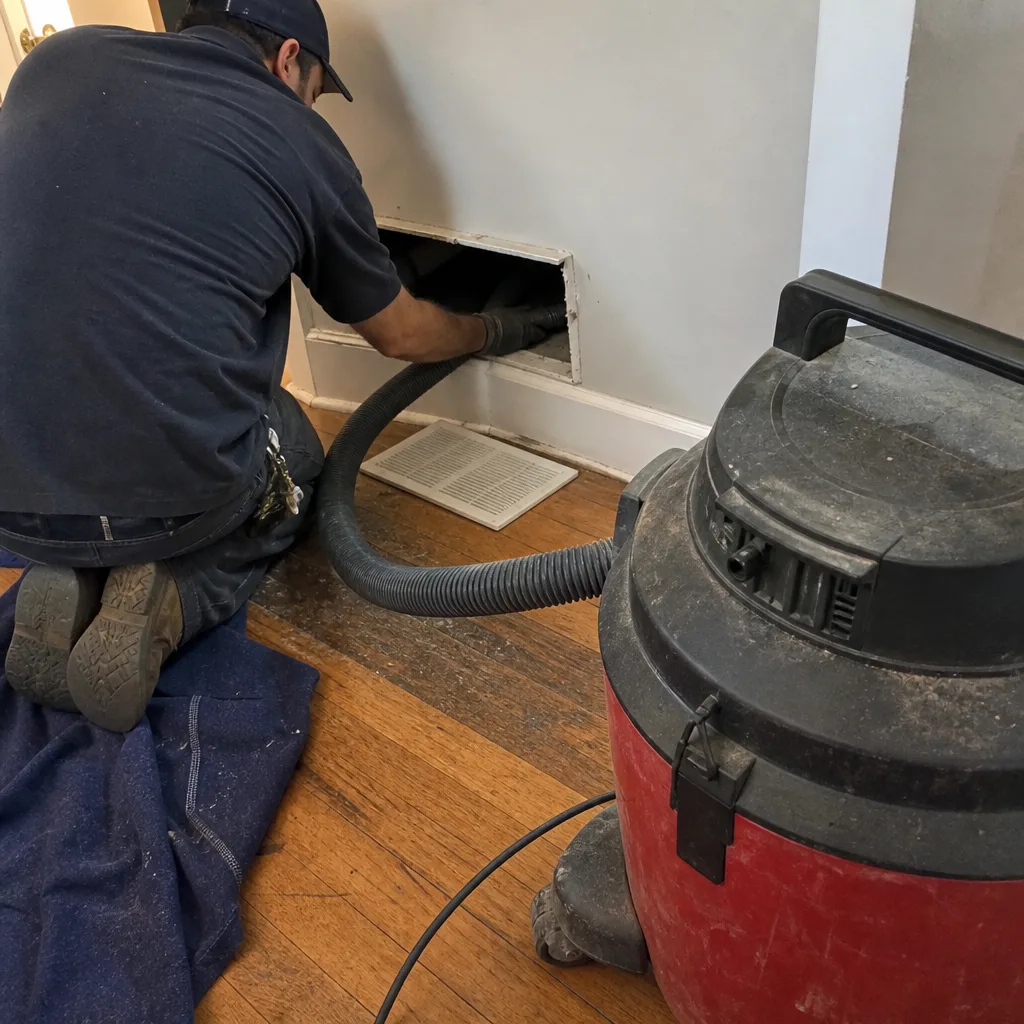
 After
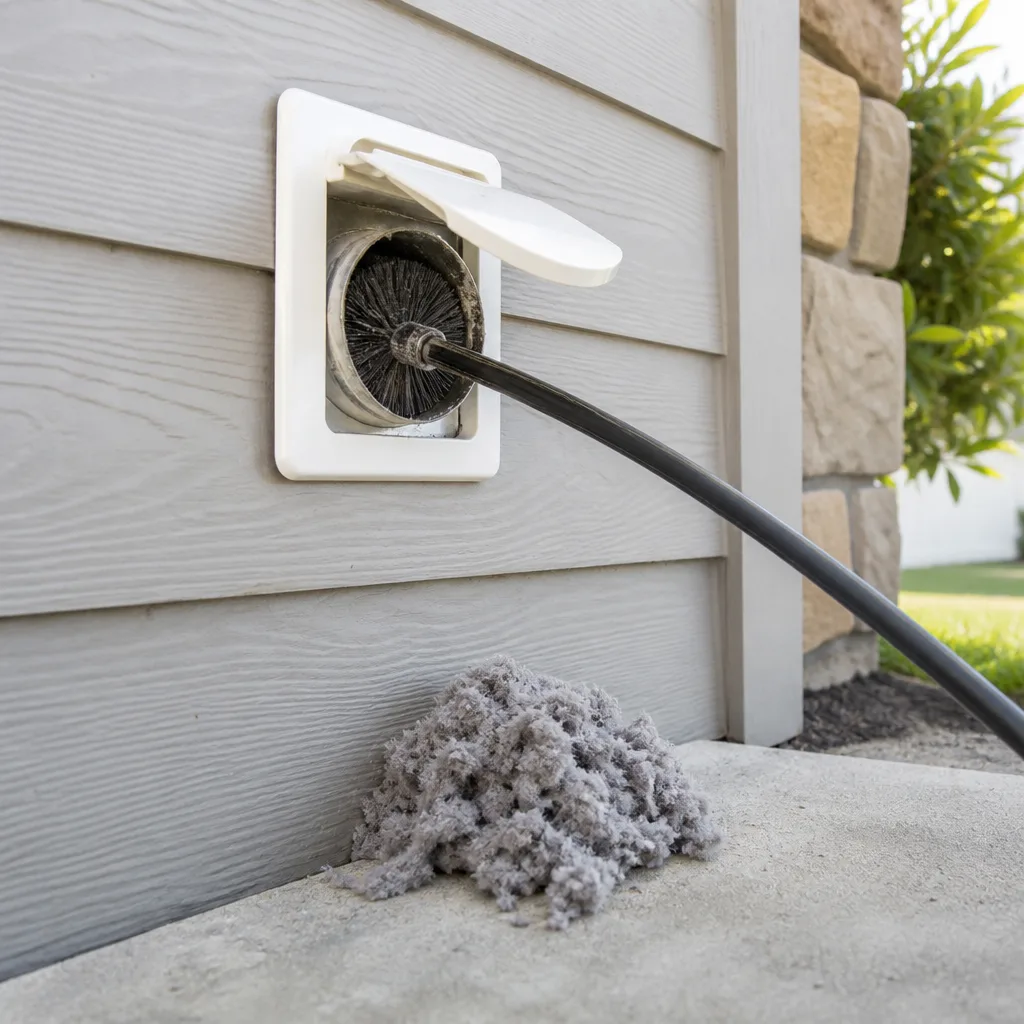
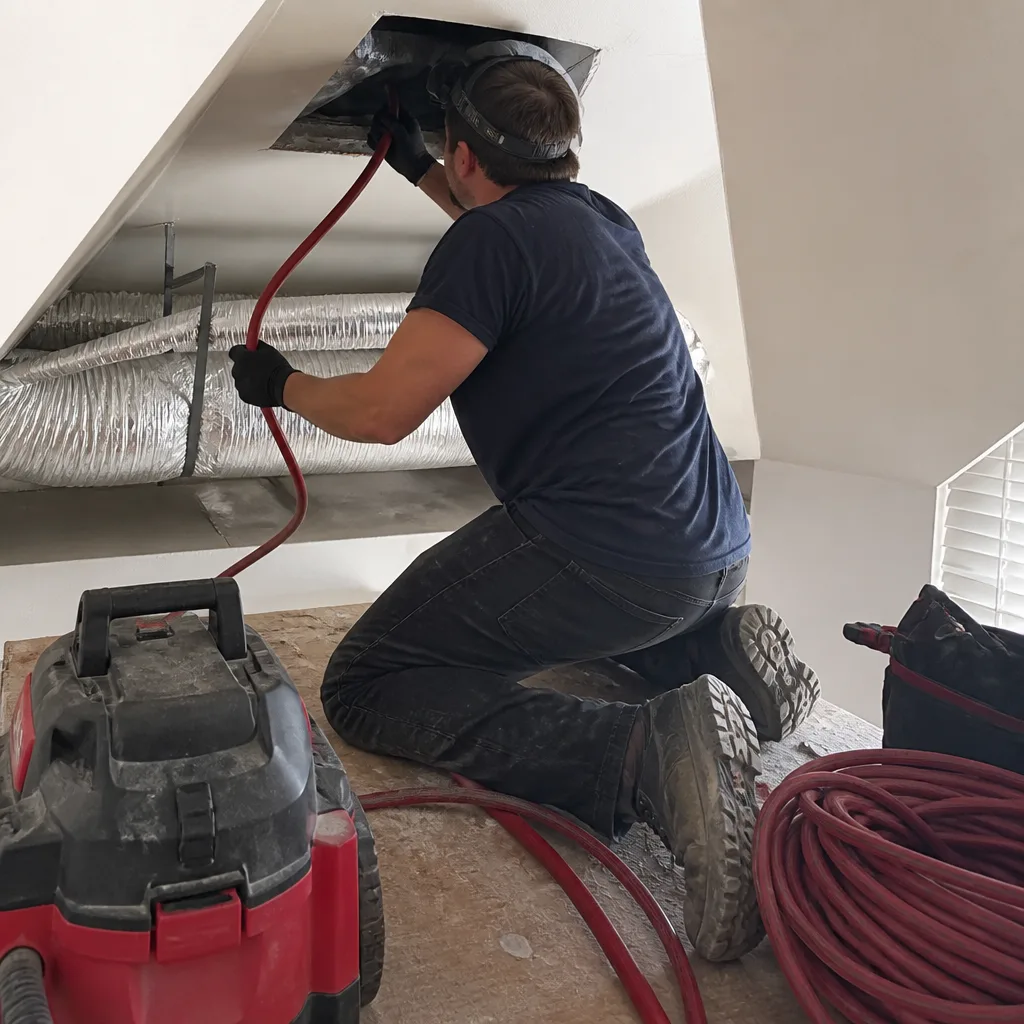
After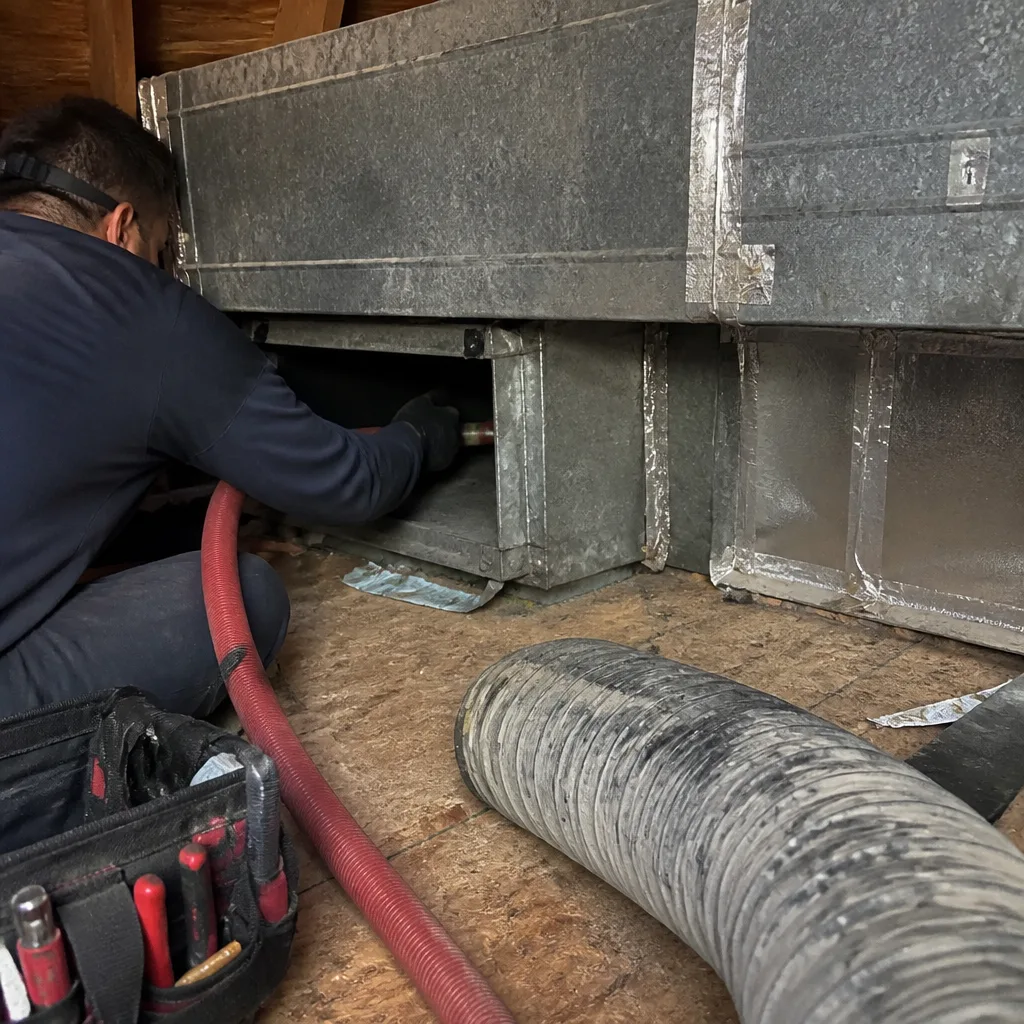 Before
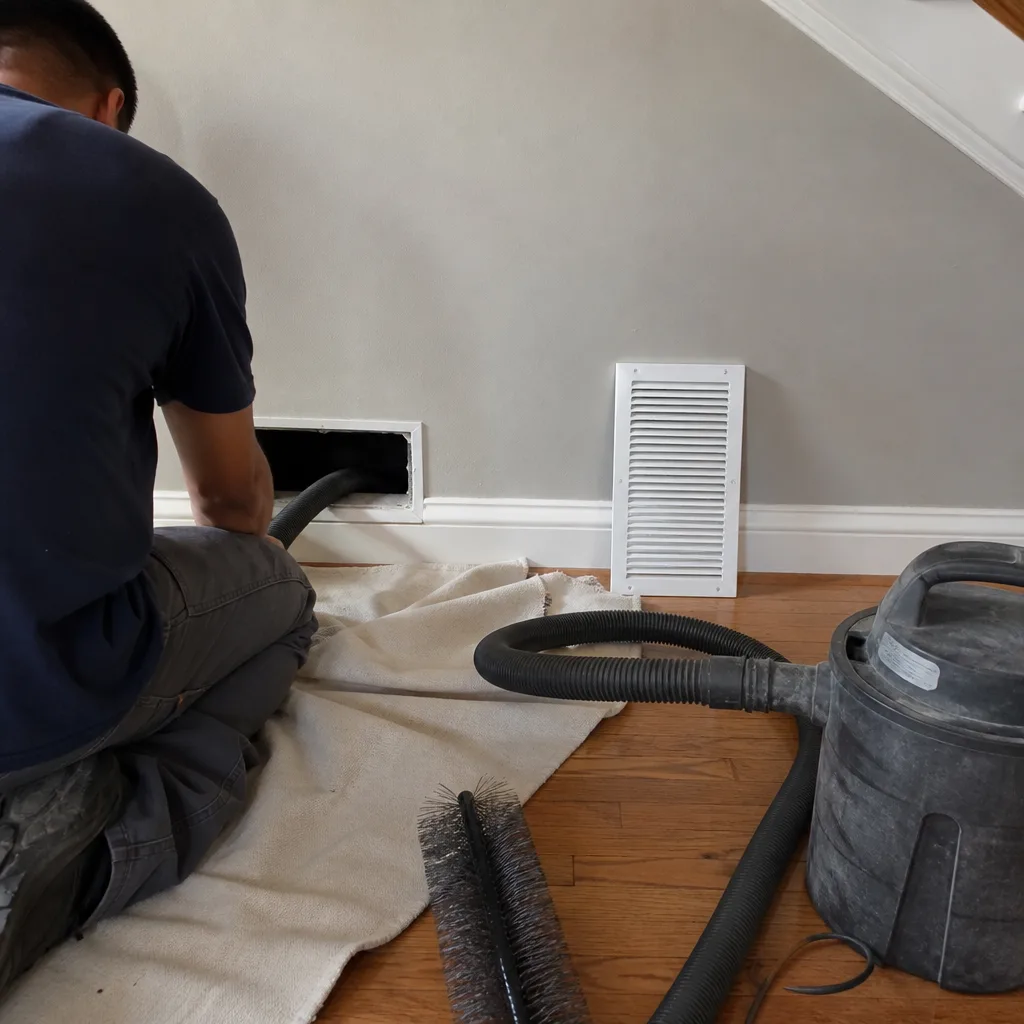 After
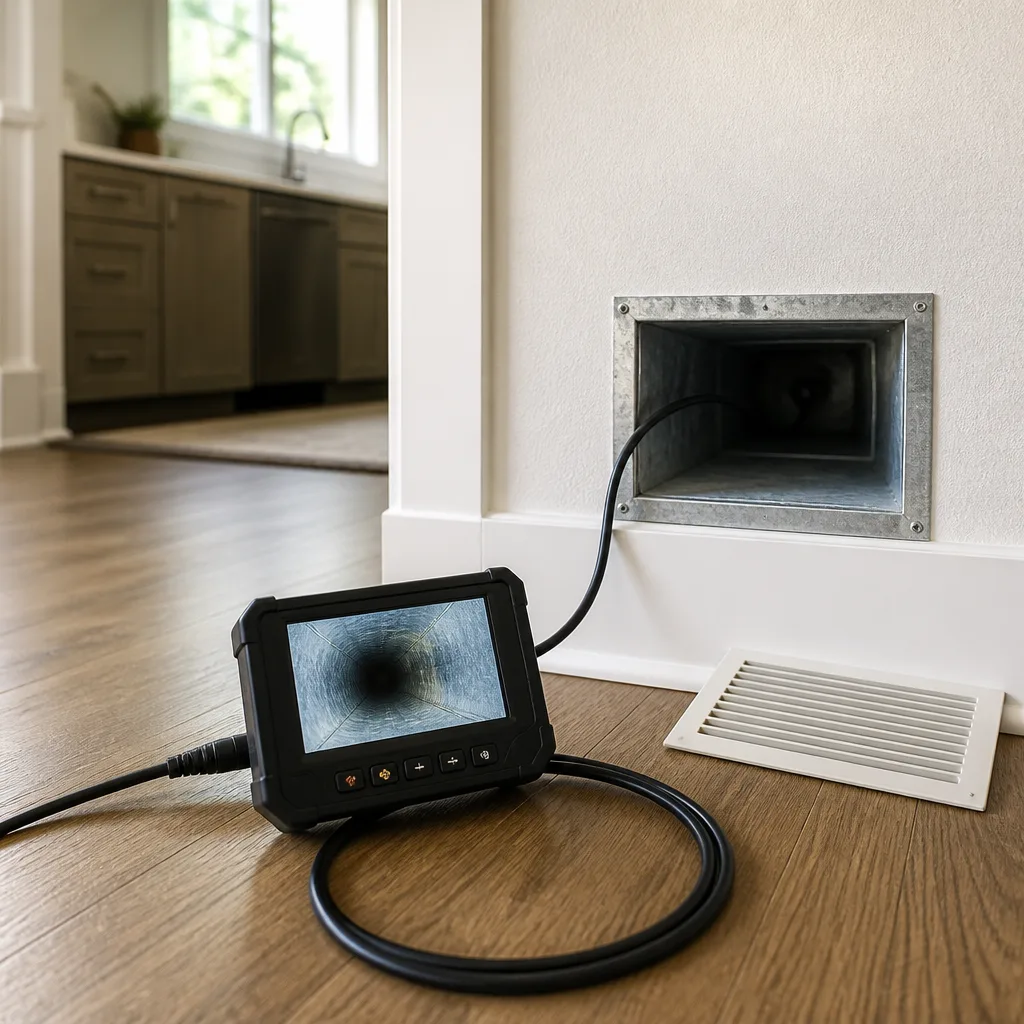
After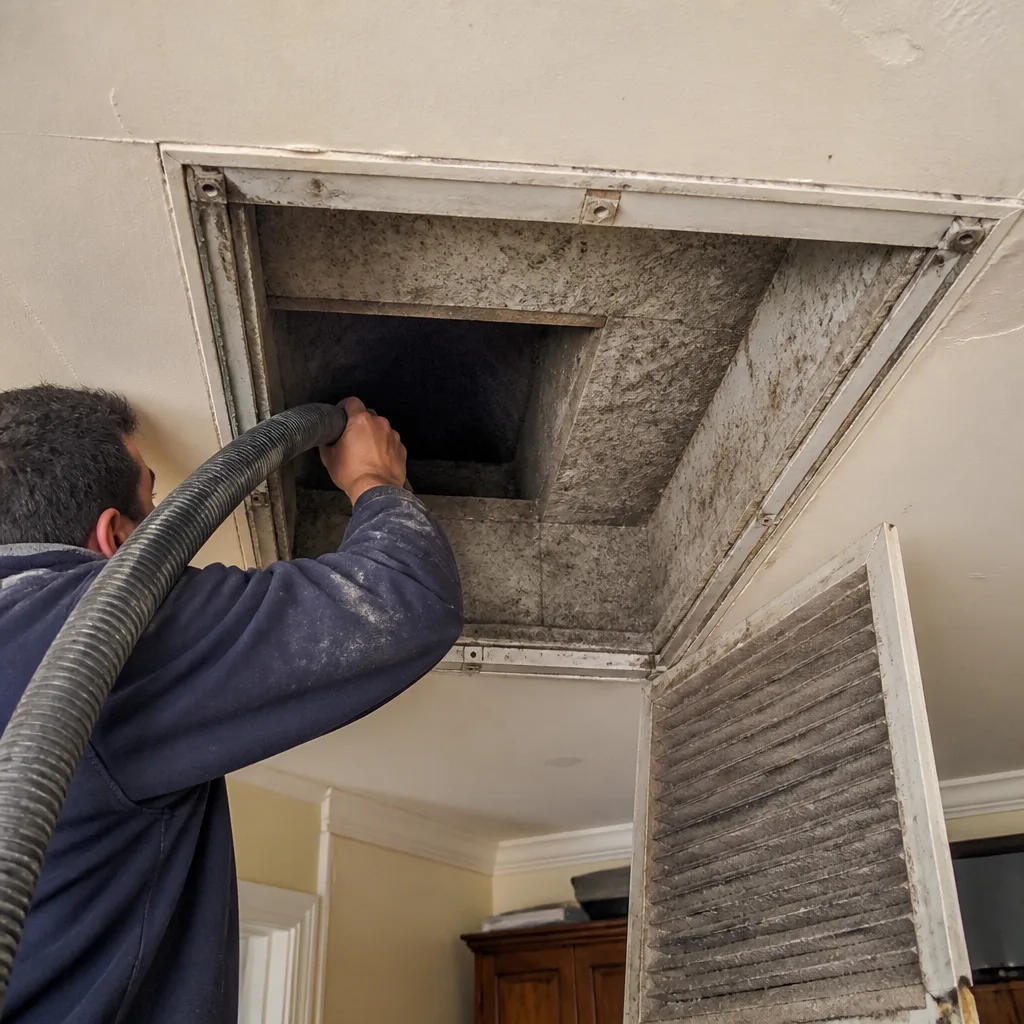 Before
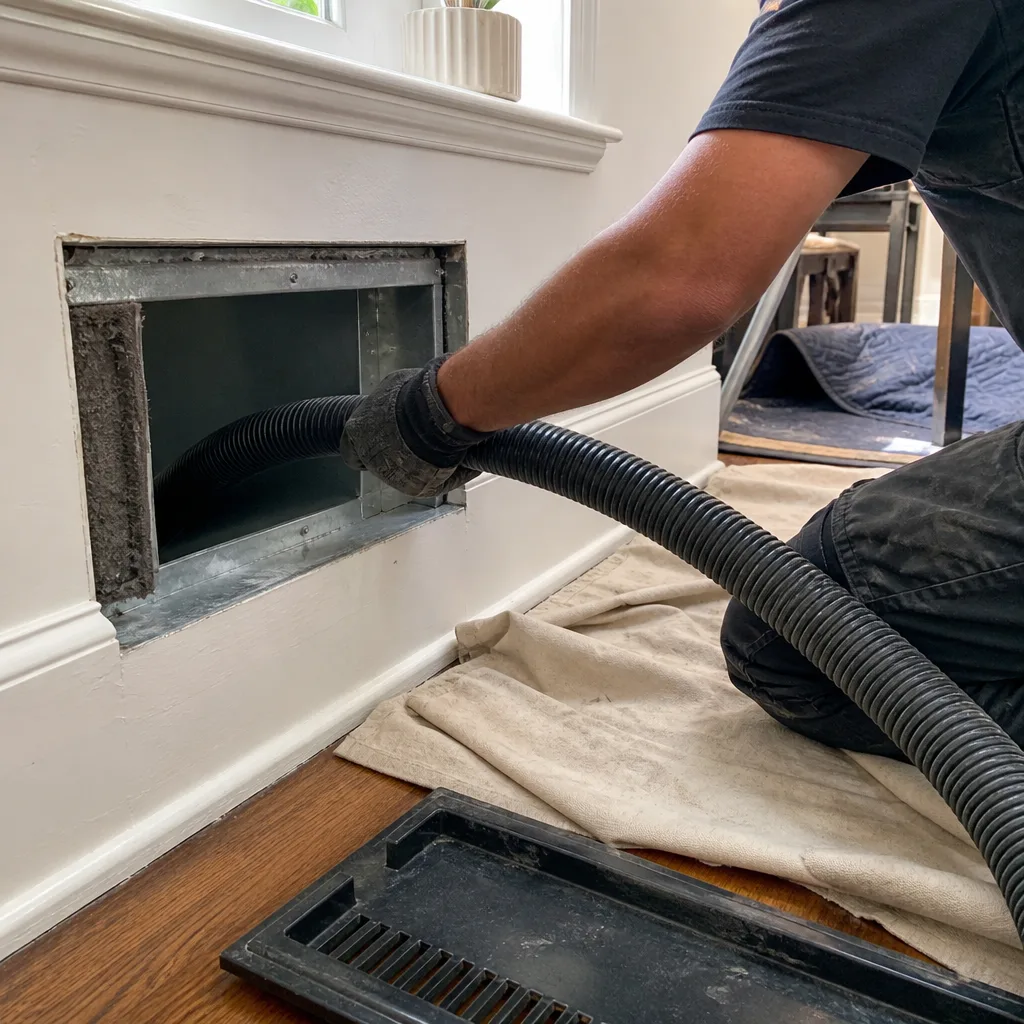 After
AfterHow Much Does HVAC Cleaning Cost in Washington, DC?
HVAC cleaning in Washington, DC costs between $299 and $899 for a typical single-family home, with most jobs landing in the $350-$600 range depending on system size, duct count, and what the camera actually finds inside the ductwork. Townhomes in Capitol Hill and rowhouses in Petworth tend to fall toward the middle of that range, while larger detached homes in Chevy Chase DC or Spring Valley with multi-zone systems push toward the top. Most jobs are completed in a single visit, and at CleanRun, the written price is on paper before any panel comes off.
HVAC Cleaning Cost Breakdown for Washington, DC (2026)
The table below reflects real pricing in the Washington market as of 2026, not national averages pulled from a content database. These are line-item ranges for the work itself – labor, equipment, and the documented photo record that CleanRun delivers on every job as a standard deliverable, not an add-on.
| Service Item | Typical DC Market Range | Notes |
|---|---|---|
| Air duct cleaning (up to 10 supply/return runs) | $299-$449 | Covers most DC rowhouses and two-bedroom condos |
| Air duct cleaning (11-20 runs) | $449-$649 | Typical for 3-4 bedroom detached homes in Ward 3 and Ward 4 |
| Air duct cleaning (21+ runs / multi-zone) | $649-$899 | Larger homes in Spring Valley, Forest Hills, Foxhall |
| Dryer vent cleaning (standalone) | $89-$149 | Higher end for rooftop vents common in DC condo buildings |
| Dryer vent cleaning (bundled with duct cleaning) | $69-$109 | Bundled rate when booked same visit |
| Sanitizing treatment (plenum and main trunk lines) | $99-$199 | Applied after cleaning; uses EPA-registered agents |
| Duct repair / sealing (per linear foot) | $8-$22 | Common in older Capitol Hill and Brookland homes with flex duct |
| Full HVAC unit cleaning (coil, blower, drain pan) | $149-$299 | Usually added when camera shows debris past the air handler |
| Documented photo record | Included | Inside every duct run, before and after, standard on every CleanRun job |
A few things to understand about how these numbers behave in practice. Washington’s housing stock is unusually diverse – a 1940s rowhouse in Bloomingdale will have different ductwork than a 2019 build in the Yards, and both differ from a pre-war semi-detached in Shepherd Park. The duct material matters too: galvanized steel trunk lines take a different cleaning approach than the flexible duct that was installed widely in DC rowhouse conversions through the 1990s and 2000s. Flex duct is more likely to show kinks, tears, and microbial buildup, which can push a job toward duct repair in addition to cleaning.
CleanRun’s written price is delivered before work begins – every time, no exceptions. That’s Haven Standard Clause 1, and it’s the reason the price table here names real numbers rather than sending you to a contact form.
For a complete look at what’s included in every visit, see our HVAC Cleaning in Washington service page.
What Affects HVAC Cleaning Pricing in Washington, DC
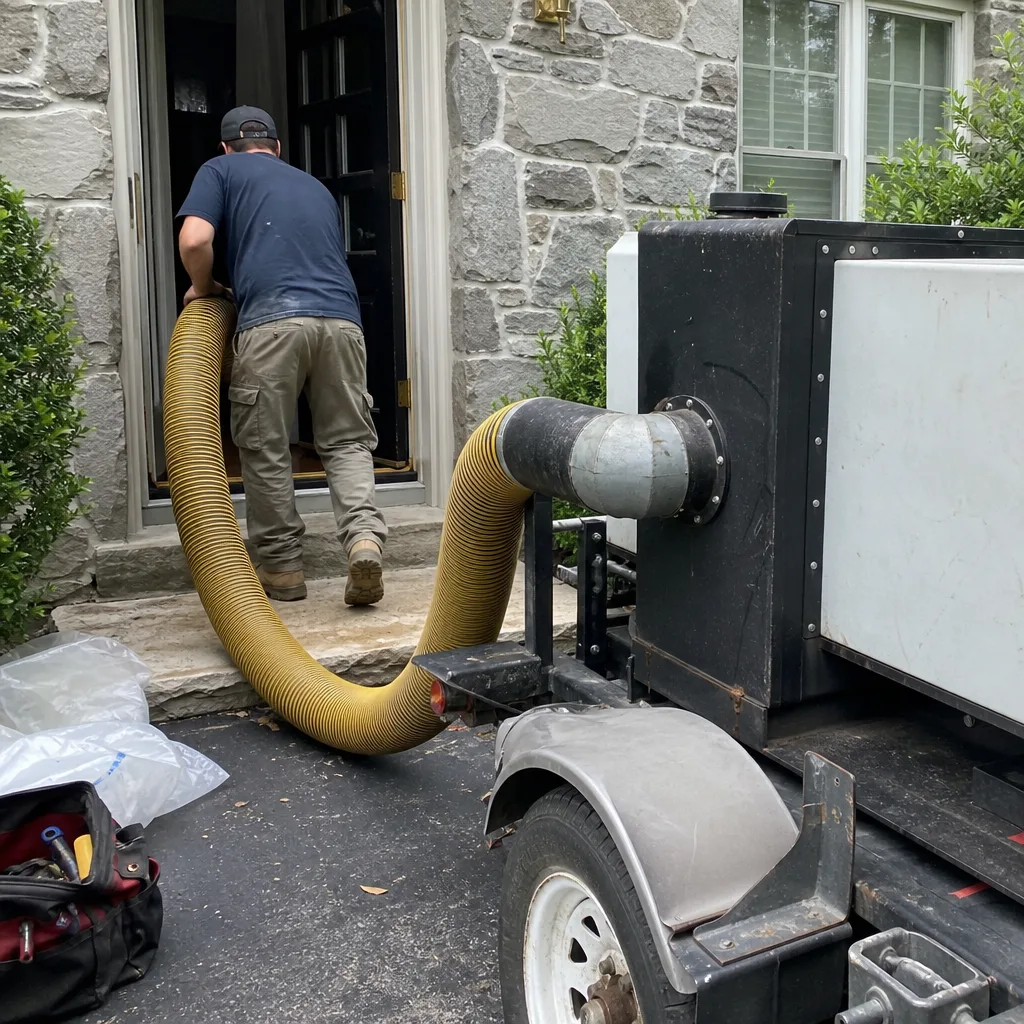
Six factors move the price up or down in this market. None of them are surprises once you know what to look for.
- Number of duct runs and registers: This is the primary driver. A run is each individual duct branch that carries air from the plenum – the main distribution box – to a supply or return register in the home. More runs mean more time, more passes with the Rotobrush agitation system, and more negative-pressure extraction cycles with the Nikro collection unit. A two-bedroom Capitol Hill condo might have 8 runs; a five-bedroom detached home in Chevy Chase DC can have 28 or more.
- System age and housing era: Washington has a high concentration of pre-1960 housing, particularly in neighborhoods like Takoma DC, LeDroit Park, and Georgetown. Older systems often have narrower trunk lines, multiple 90-degree elbows (each one a debris collection point), and ductwork that was retrofitted into spaces not originally designed for forced air. That complexity takes more time and is reflected in the price.
- Duct material and condition: Galvanized steel, flex duct, fiberboard, and fiberglass board-lined ducts each respond differently to agitation cleaning. Fiberboard ducts, which appear in DC rowhouse conversions from the 1980s and early 1990s, require lower agitation pressure to avoid surface damage. If the camera reveals tears or failed connections, duct repair is added to the scope – and the written price is updated before the repair work begins.
- Degree of contamination found by the camera: Before any cleaning starts, CleanRun’s technician runs a camera through the duct system. In homes near the National Mall corridor, Anacostia, and areas with ongoing urban construction, it’s common to find construction-era debris – drywall dust, joint compound particles, and insulation fibers – packed into the first two to three duct runs off the plenum. Heavy contamination extends cleaning time and may require a sanitizing pass with an EPA-registered agent applied through Abatement Technologies equipment.
- Access difficulty: DC’s attached rowhouse geometry means some ductwork runs through interior walls, under concrete slab in basement conversions, or through mechanical closets accessed by 18-inch doors. Difficult access adds labor time. The technician notes access conditions during the camera inspection, and the written price accounts for it before work begins.
- Add-on services identified during inspection: Dryer vent cleaning, coil cleaning, blower wheel cleaning, drain pan treatment, and UV air purifier installation (using Honeywell or Aprilaire equipment) are each priced separately. They’re never sold automatically – they’re added to the written scope only when the camera or inspection shows a documented reason for them.
BeforeAfterWhat’s Typically Found Inside DC Ductwork
This section exists because “your ducts are dirty” is not a finding – it’s a sales line. Here’s what CleanRun’s camera work in Washington homes actually shows:
In Capitol Hill, Lincoln Park, and the H Street corridor, homes built between 1900 and 1950 commonly show a dark, oily film coating the first 8-12 feet of trunk line off the air handler. That film is a combination of oil-based paint particulates from decades of interior painting, cooking grease from kitchens that shared interior walls with the mechanical system, and biological material that settled during periods when the system ran without a filter. The Rotobrush agitation head lifts this material and the Nikro negative-pressure unit captures it in a sealed collection system – none of it goes back into the living space.
In Columbia Heights and Petworth, where rowhouse-to-apartment conversions were common through the 2000s, we regularly find flex duct that was installed during conversion work with insufficient support hangers. The duct sags at the low points, and debris accumulates exactly there. In some cases, the sag is severe enough that the duct has partially collapsed, cutting airflow to individual rooms. That’s a duct repair finding, not a cleaning finding, and it gets documented, quoted in writing, and corrected as a separate line item.
In newer construction near NoMa, the Yards, and Southwest Waterfront – buildings from 2015 onward – the finding is usually construction dust that was never cleaned out before the system was commissioned. The ductwork is structurally sound, but the debris from the build is present. These jobs tend to be cleaner visually once the material is extracted, and the before-and-after photo record shows that clearly.
How to Save on HVAC Cleaning in Washington, DC
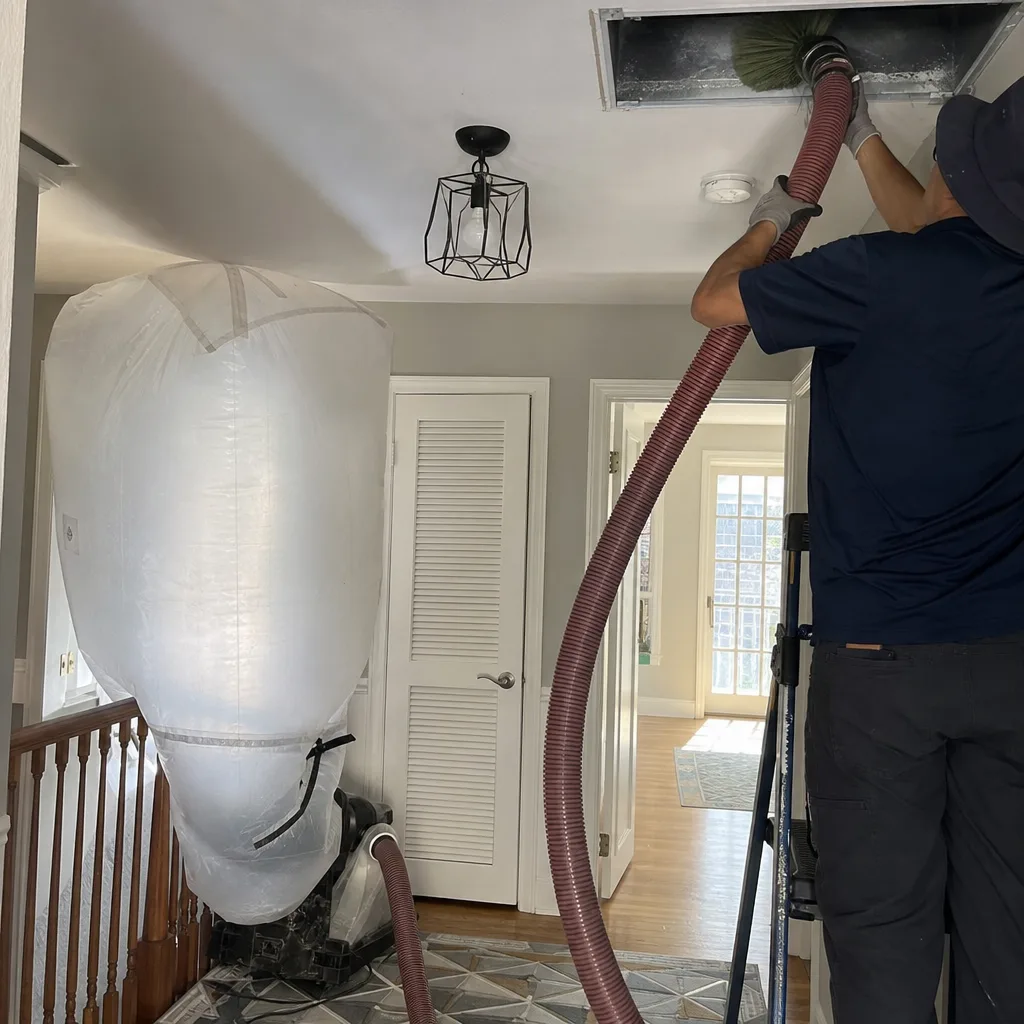
A few straightforward ways to get the most out of your cleaning budget in this market:
- Bundle dryer vent cleaning in the same visit. The technician is already at the property with the equipment staged. Dryer vent cleaning added to an existing duct cleaning appointment runs $69-$109 versus $89-$149 as a standalone job. Given that DC’s building inspection data shows dryer vent fires as one of the leading causes of residential fire in the District, this is worth doing regardless of price.
- Get a second opinion on any estimate over $500. CleanRun offers a free written second opinion on any competitor’s written estimate. Bring the other company’s quote and CleanRun puts its own number next to it in writing. If the competitor is lower on a like-for-like scope, you’ll know. If the competitor’s scope is missing items, that will show up in the comparison too.
- Ask what the camera showed before agreeing to add-ons. Any reputable HVAC cleaning company should be able to show you the camera footage or photos from the pre-cleaning inspection before recommending sanitizing, coil cleaning, or UV treatment. If those recommendations come before the camera inspection, that’s a red flag. At CleanRun, every add-on recommendation comes with the before photo attached.
- Schedule outside peak cooling season. March through May and September through October tend to have more flexible scheduling in Washington than the July/August heat and the January/February heating peaks. Scheduling flexibility doesn’t change the written price, but it does mean faster appointment availability.
- Understand what the $79 coupon is actually offering. This is worth explaining directly. The $79 or $99 “whole house duct cleaning” advertised by several companies operating in Washington is typically a two-vent shop-vac service – two registers cleaned, nothing extracted from the trunk lines or plenum, no camera inspection, and no documentation. When the invoice arrives, add-ons bring most of these jobs to $400-$700 anyway, except you won’t have a written price, a photo record, or a warranty. The math rarely works in the homeowner’s favor.
To get a written price for your specific home before any commitment, call CleanRun at (240) 363-3380. A live person answers every call, and the estimate is free.
The $79 Coupon Problem in Washington, DC
It’s worth being specific about this because it affects a lot of Washington homeowners every year. Several HVAC cleaning operations advertise dramatically low entry prices in this market – some as low as $49 or $79 for “whole home” cleaning. These prices are structured to get a technician into the home, at which point the actual scope of work is used to justify significant upcharges.
The pattern is consistent: a two-person team arrives, runs a shop vacuum attachment at two or three visible registers, presents findings that always include mold, heavy contamination, and failed ductwork, and produces a revised invoice of $800-$1,400 before leaving. The homeowner has no written price from before the work, no before-photo to verify the findings, and no warranty on the outcome.
CleanRun was established in 2013 in direct response to this pattern in the DC metro market. Haven Standard Clause 1 – written price before any work starts – is not a marketing statement. It’s the operating rule on every job, including jobs where the camera shows nothing concerning and the scope is exactly what was quoted. In 52,000+ homes served, that rule has not had an exception.
How CleanRun Prices HVAC Cleaning Jobs in Washington, DC
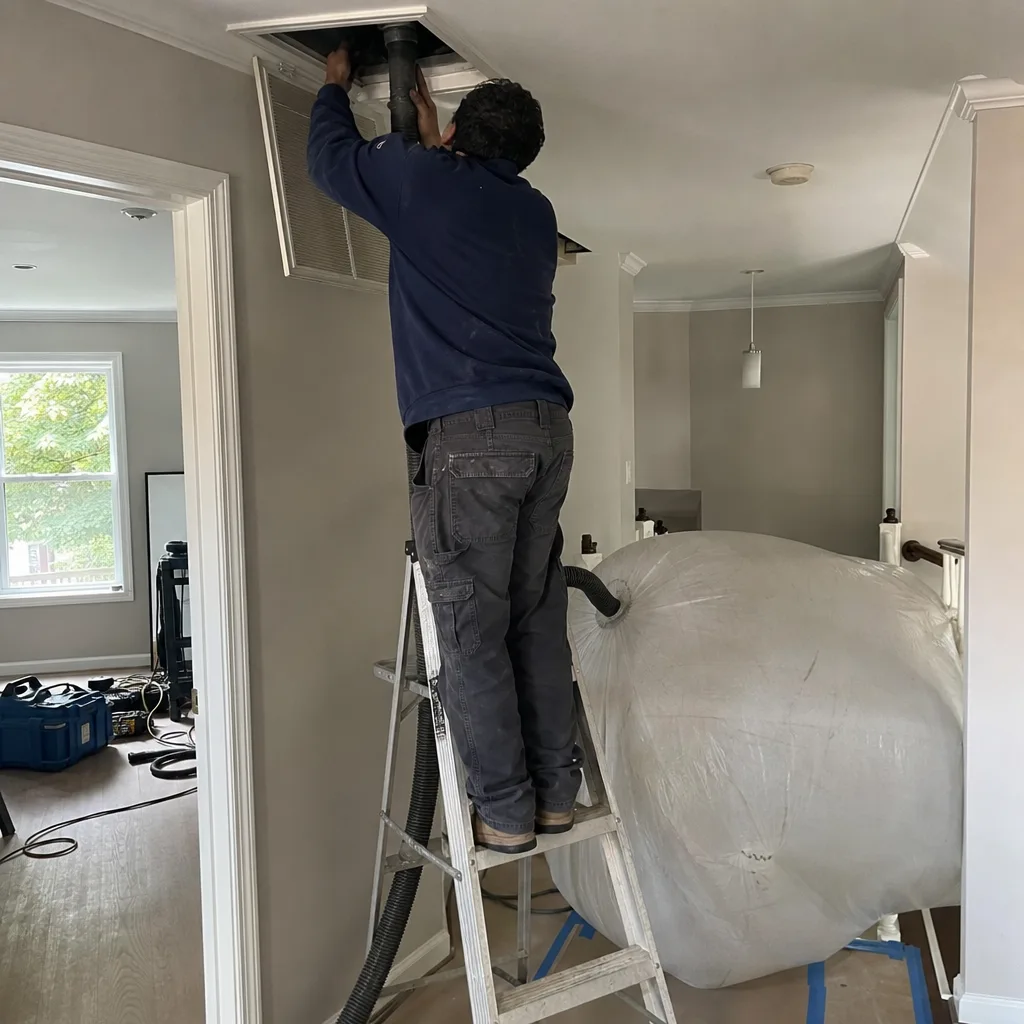
When a CleanRun technician arrives at a Washington home, the job follows a documented sequence. Understanding that sequence helps explain why the written price is possible before work starts – and why it’s accurate when it’s delivered.
The technician introduces themselves by name before entering – Haven Standard Clause 3: Verified Crews. Background-checked, uniformed, and identified before the door opens. The inspection begins with a camera run through the accessible duct system: every supply run, every return, and the plenum where the trunk lines originate from the air handler. What the camera finds is photographed and documented.
The written price is built from the inspection findings: number of runs confirmed by camera, duct material confirmed by visual inspection, contamination level noted with specific observations (“3-inch debris accumulation at the first elbow off the plenum, consistent with 8-12 years without cleaning”), and any structural issues that warrant repair. That documentation becomes the written scope, the written price, and ultimately the before portion of the documented photo record.
After cleaning, the camera runs again. Every duct run is re-photographed. The after images go into the same job record as the before images, and that full record is delivered to the homeowner as a standard deliverable – not emailed on request, not available if you call the office – delivered as part of the job.
The 365-Day Done Right Promise means that if the work is not right at any point during the year following the job, CleanRun makes it right. That’s in writing on the job record, not subject to manager approval.
You can read more about our approach on the home page, including the full H.A.V.E.N. Standard and what every CleanRun job includes.
HVAC Cleaning vs. Air Duct Cleaning: What’s the Difference in Cost?
“HVAC Cleaning services” and “air duct cleaning” are used interchangeably by most homeowners, but they describe different scopes of work, and the price difference is real.
Air duct cleaning covers the duct system itself – the supply and return runs, the registers, the trunk lines, and the plenum. This is the core service, and the price ranges in the table above apply.
HVAC cleaning, in its full scope, also includes the air handling unit components: the evaporator coil (the indoor coil that the refrigerant passes through to cool the air), the blower wheel (the fan that moves air through the system), the drain pan (which catches condensate from the coil), and sometimes the filter housing and the area around the air handler itself. Debris on the evaporator coil reduces the system’s efficiency measurably – a coil coated with 0.1 inches of particulate buildup can reduce heat transfer efficiency by up to 21 percent, which shows up directly on a DC homeowner’s Pepco bill.
At CleanRun, the decision to add coil and blower cleaning to a scope is made after the camera inspection, based on what’s actually found, not as a default add-on. If the camera shows the air handler components are clean, they’re not added to the scope. If the camera shows debris past the filter and into the blower housing, coil cleaning is documented as a finding and quoted as a separate line item before work begins.
DC-Specific Factors That Affect HVAC Cleaning Cost
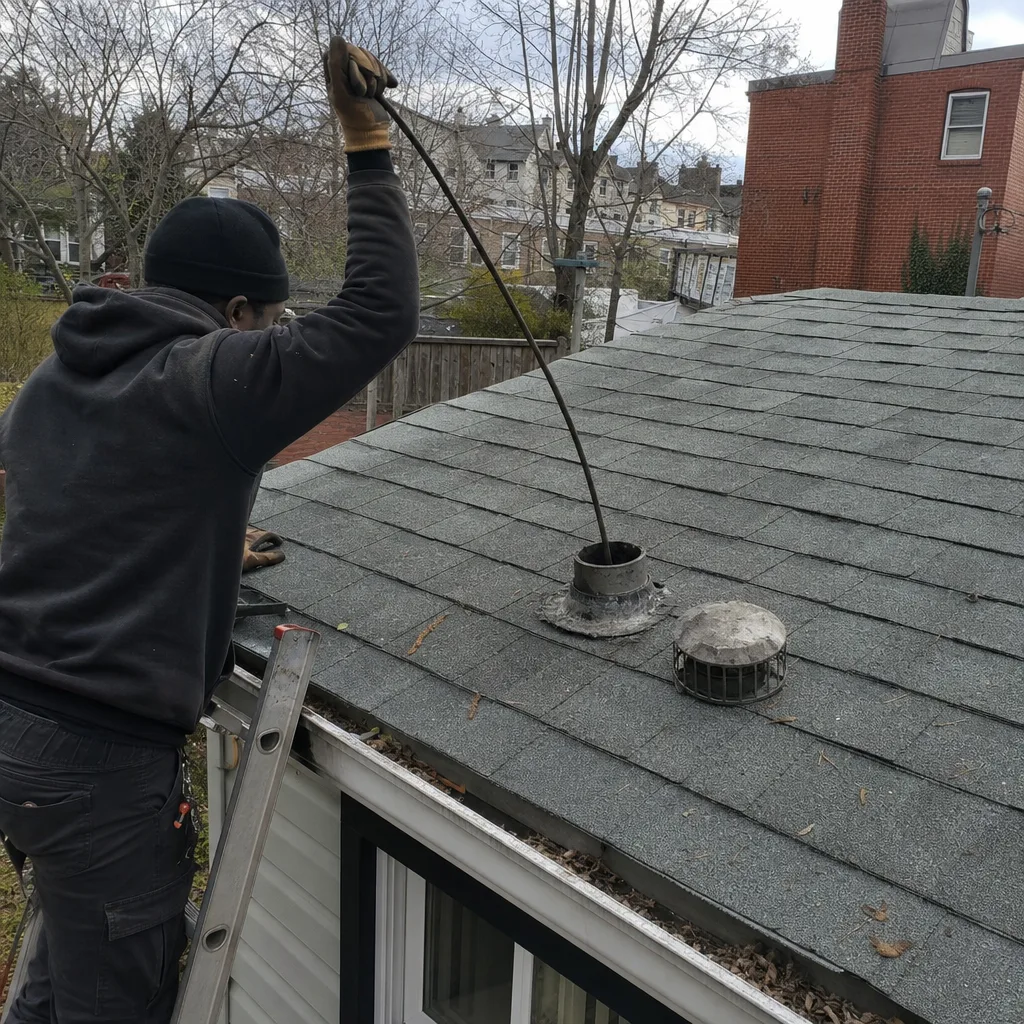
Washington has a climate that drives duct contamination faster than many comparable mid-Atlantic cities. The combination of high summer humidity (DC regularly sits above 70% relative humidity from June through September), heavy pollen load from the tree canopy in neighborhoods like Cleveland Park, American University Park, and along Rock Creek, and the urban particulate load from traffic on the I-495 corridor and downtown surface streets creates conditions where ductwork accumulates material faster than it would in, say, a dry suburban market.
That humidity matters specifically because it raises the probability of biological growth on duct surfaces. The Potomac River valley geography that gives DC its character also gives it some of the highest sustained humidity readings in the Northeast corridor. Homes without whole-home dehumidification running through an Aprilaire or Honeywell system are more likely to show microbial indicators during camera inspection, which affects whether a sanitizing treatment ends up in the written scope.
DC also has a significant proportion of homes with old-construction ductwork that was installed before modern sealing standards. The District’s building stock skews older than the national average, and ductwork from the 1950s through 1980s frequently shows duct-to-register connection failures, gaps at the plenum, and deteriorated mastic or tape at duct joints. These are repair findings, not cleaning findings, and each one gets a separate line item with a separate written price.
FAQs: HVAC Cleaning Cost in Washington, DC
How much does HVAC cleaning cost in Washington, DC?
HVAC cleaning in Washington, DC costs $299-$899 for most residential jobs, with the majority of single-family homes and larger townhomes landing between $350 and $600. The exact number depends on duct count, system age, and what the pre-cleaning camera inspection finds. CleanRun delivers the written price before any work starts – call (240) 363-3380 for a free estimate with no commitment required.
Is HVAC cleaning worth it for a DC rowhouse?
For most DC rowhouses built before 1980, yes – with a documented reason. Rowhouses in Bloomingdale, Brookland, and Eckington commonly show 10-15 years of accumulated material in their ductwork by the time the first cleaning is requested, and that material includes debris that recirculates through the living space every time the system runs. The value is measurable: a clean system moves air more efficiently, the filter lasts longer, and in homes with anyone managing respiratory conditions, the particulate load in the air is lower. A rowhouse with a single-zone system and 10-14 runs typically runs $349-$499 at current DC market rates.
How often should I have HVAC cleaning done in Washington, DC?
Every 3-5 years is the general range for most DC homes, but the camera tells a more accurate story than a calendar. High-pollen streets near Rock Creek Park, homes with pets, and homes that underwent renovation work in the past five years should be inspected at the 3-year mark. Homes in newer construction with no renovation history and no pets can often wait closer to 5 years. At CleanRun, the camera inspection itself is documented, so even if cleaning isn’t needed, you have a dated record showing the condition of the system at that point in time.
Why are some HVAC cleaning prices in DC so much lower than others?
Prices below $150 for a whole-home HVAC cleaning are almost always entry-price structures – the actual invoice will be higher. The typical pattern in the DC market involves a low entry price, an on-site finding of contamination or mold (often without camera documentation), and an upsell to a full-service price of $600-$1,400. The difference between that outcome and a $350-$600 job that includes a written price upfront, camera documentation, and a 365-day warranty is not the cleaning itself – it’s the documentation and the accountability. Call (240) 363-3380 and CleanRun will put a written price next to any competitor estimate you’ve received, at no cost.
Does HVAC cleaning improve energy efficiency in DC homes?
It can, with a specific mechanism: debris accumulation on the evaporator coil and blower wheel makes the air handler work harder to move the same volume of air. In Washington’s long cooling season – typically May through October – a system running with a restricted coil and blower draws more electricity to maintain the set temperature. The efficiency gain from coil and blower cleaning is measurable, though it varies significantly by how heavily contaminated the components were before cleaning. If the camera inspection shows clean components, CleanRun won’t quote coil cleaning – the written scope only includes what the documentation supports.
What should a Washington, DC HVAC cleaning include?
A complete HVAC cleaning should include: a camera inspection of every supply and return duct run before cleaning begins, negative-pressure extraction of debris from all duct runs (not just accessible registers), cleaning of the plenum and main trunk lines, register cleaning, and a post-cleaning camera pass with documented photos. If coil, blower, or drain pan cleaning is warranted, those are documented separately with camera evidence. Every CleanRun job delivers a before-and-after photo record of every duct run as a standard deliverable – not available on request, delivered as part of the job record.
Key Takeaways
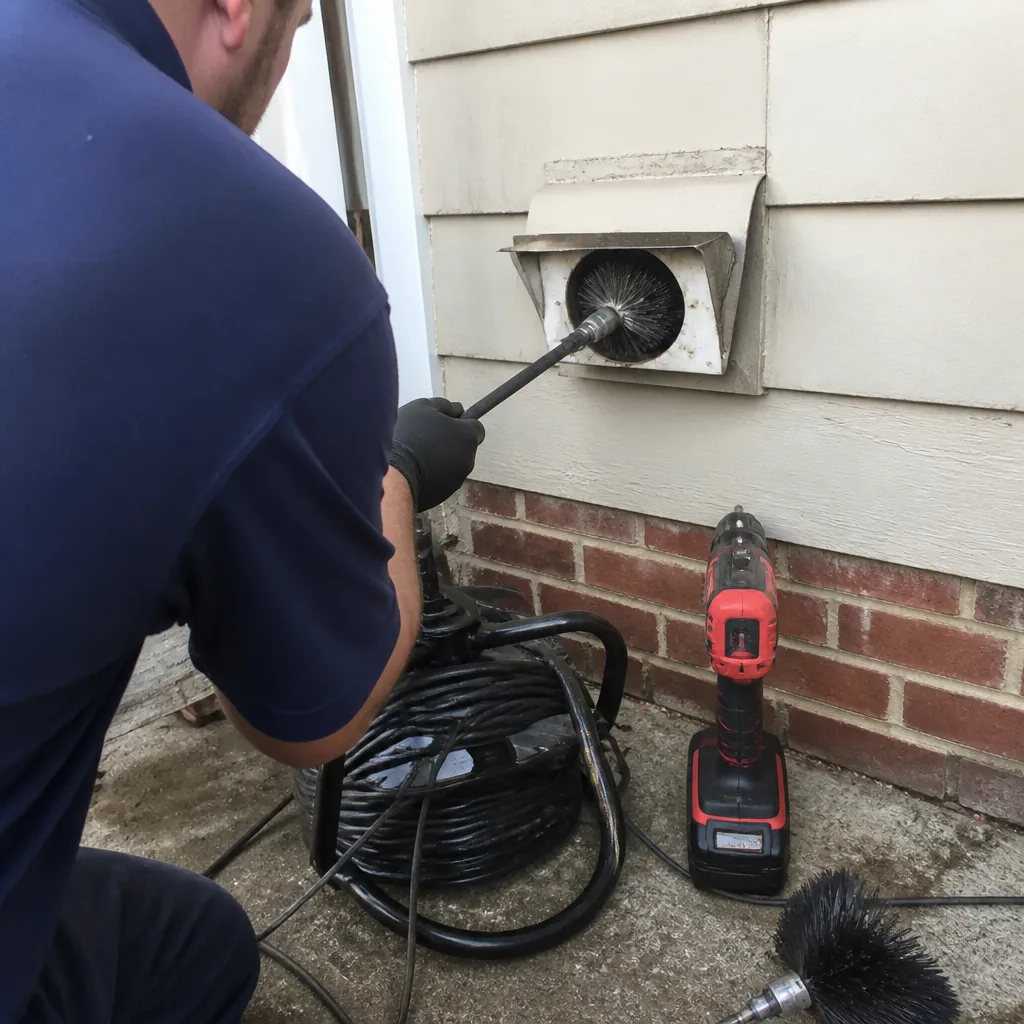
- HVAC cleaning in Washington, DC runs $299-$899 for residential jobs, with most homes falling in the $350-$600 range.
- The primary cost drivers are duct count, housing era, duct material, and what the camera finds before cleaning starts.
- Add-ons like sanitizing ($99-$199), coil cleaning ($149-$299), and dryer vent cleaning ($69-$149 bundled) are only quoted when the inspection documents a reason for them.
- DC-specific factors – high humidity, heavy pollen, older housing stock, rowhouse geometry – can push inspection findings toward repair and sanitizing more often than in newer suburban markets.
- A written price before work starts and a documented photo record after it finishes are not premium features – they’re the baseline for any HVAC cleaning job worth paying for.
- The $79 entry-price model that operates widely in DC consistently produces final invoices well above $500, without the documentation or warranty that a transparent written-price job includes from the start.
- CleanRun has served 52,000+ homes since 2013 with a written price on every job, a documented photo record on every visit, and the 365-Day Done Right Promise on every completed scope.
Get a Written Price for Your Washington, DC Home
If you’re ready to know what HVAC cleaning actually costs for your specific home – not a range pulled from a national average, but a written number based on your duct count, your system, and your inspection findings – call CleanRun at (240) 363-3380. A live person answers every call. Tomas Reyes and the CleanRun team will schedule an inspection, run the camera, and put the written price in front of you before any work begins. The estimate is free, and there’s no commitment required to receive it.
If you’ve already received a written estimate from another company, bring it. CleanRun will put its own number next to it in writing, on the same page, so you can compare scope and price directly. That’s not a promotional offer – it’s how evidence-first pricing is supposed to work.
Pricing reflects the Washington, DC market as of 2026. CleanRun Air Duct Cleaning Washington offers free estimates – call (240) 363-3380.
Written by Tomas Reyes, Owner at CleanRun Air Duct Cleaning Washington, serving Washington, DC since 2013.
What Our Customers Say
"Flat price agreed up front, no per-vent add-ons at the end. That was the whole reason I did not call the coupon company."
- Suzanne B."My allergies genuinely improved. They also told me the ducts did not need sealing, which I had been quoted for elsewhere."
- Petra K."The before and after photographs of each run are the reason I used them. You cannot argue with what came out of the return."
- Marguerite O.