
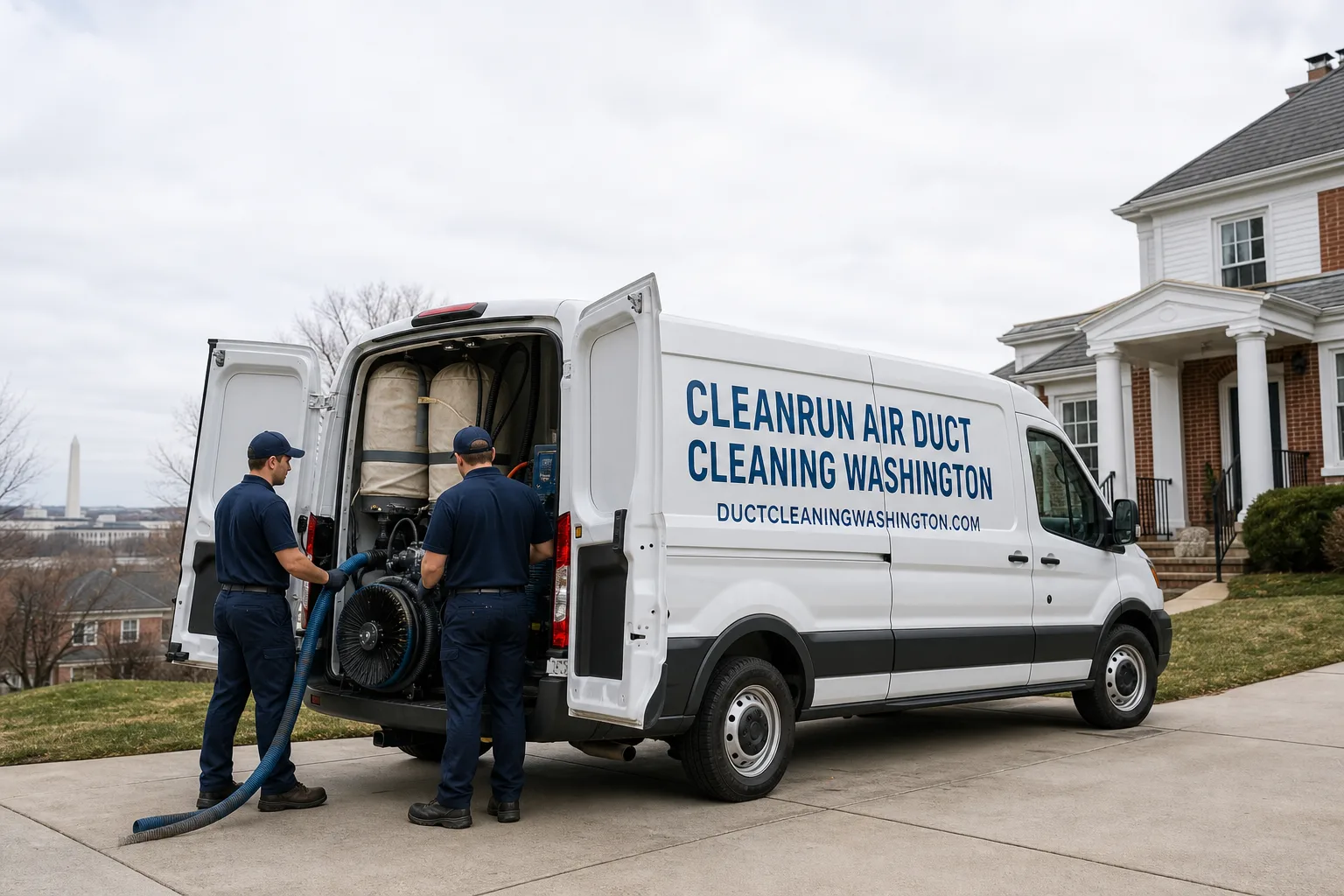
Whole-system duct and dryer vent check with before-and-after photos - you see exactly what came out of your vents
That "$99 whole-house special" is a bait ad - the real number appears once they are in your hallway, or the "clean" is a shop-vac at the register. We photograph the inside of your ducts before and after instead.
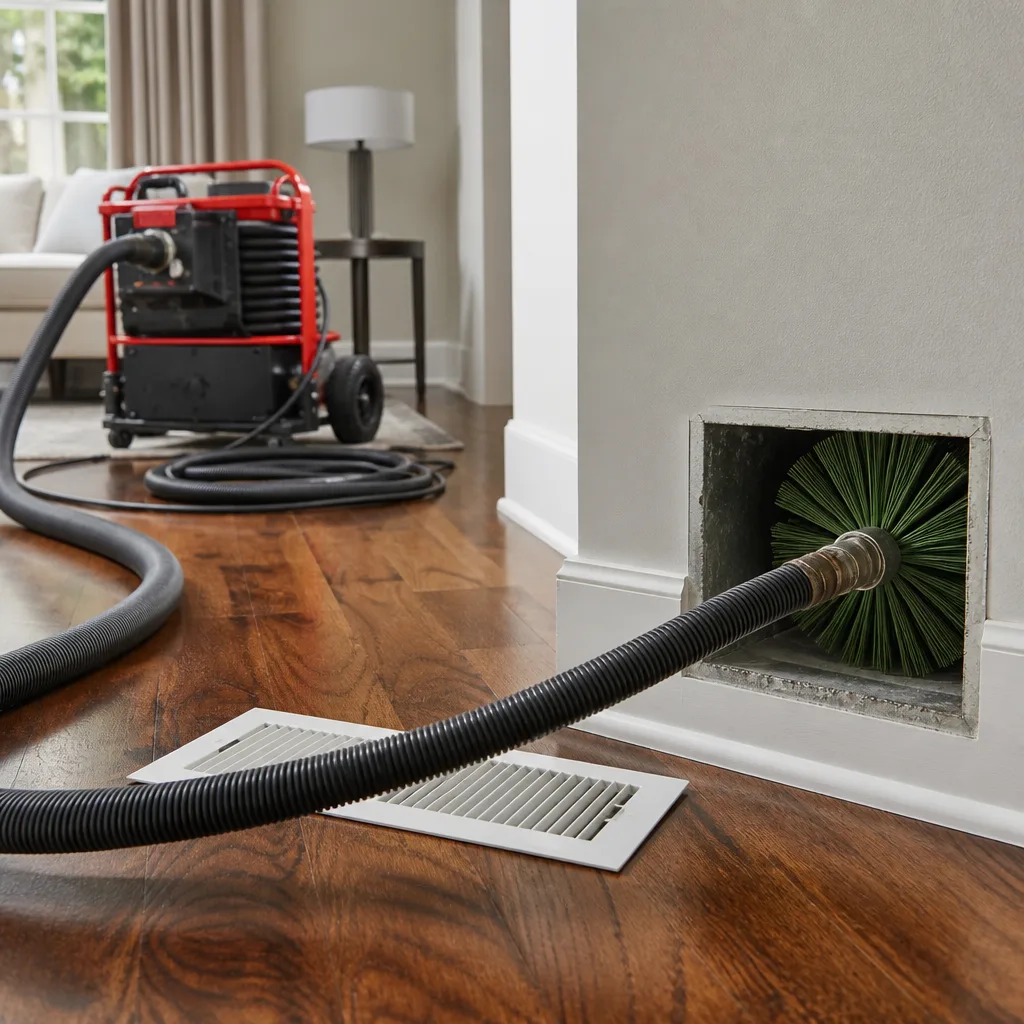
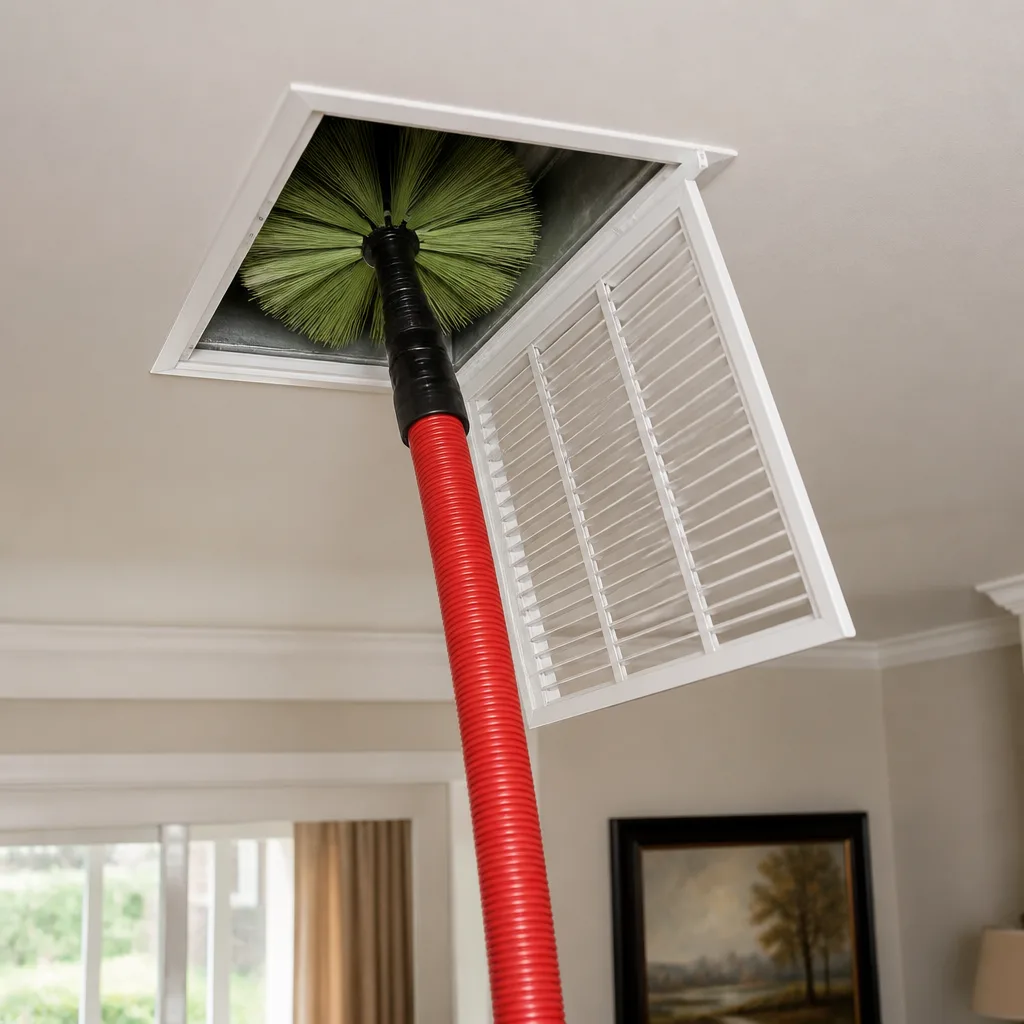
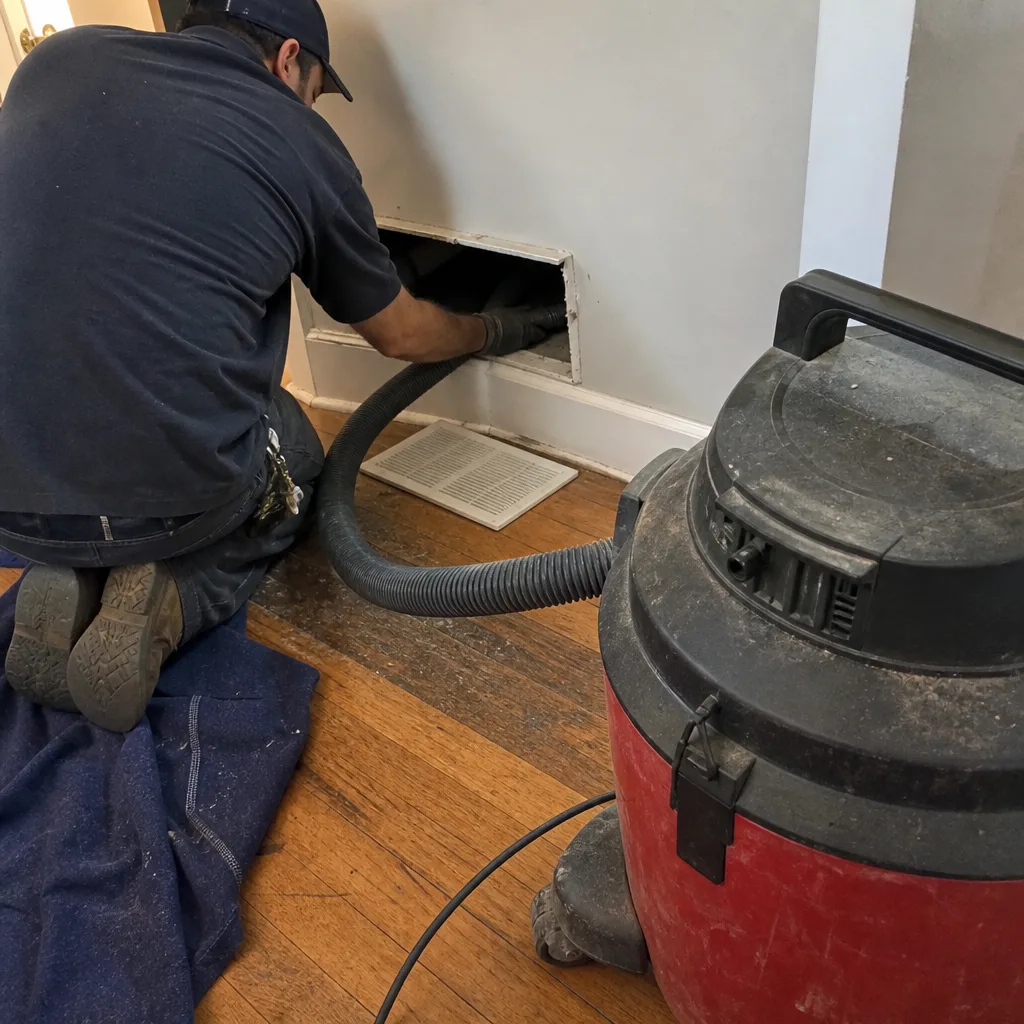 Before
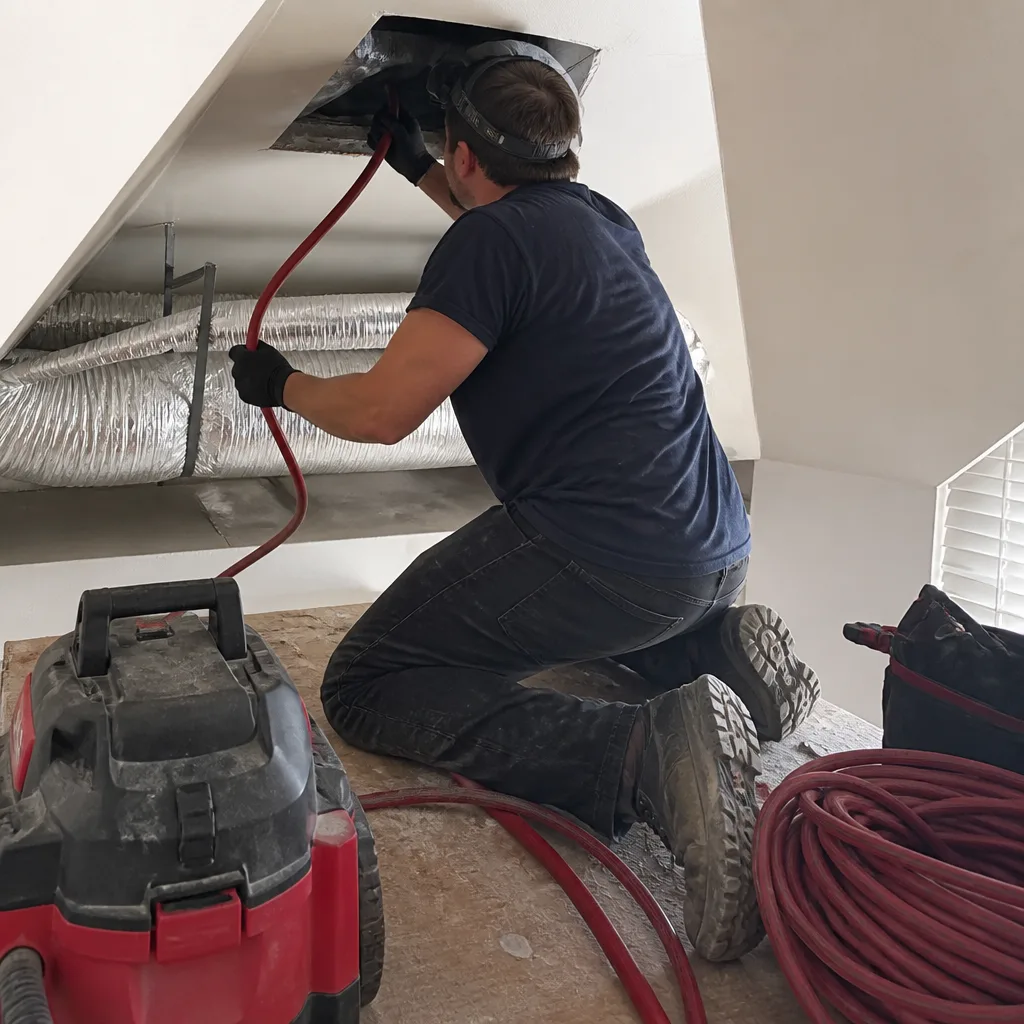 After
After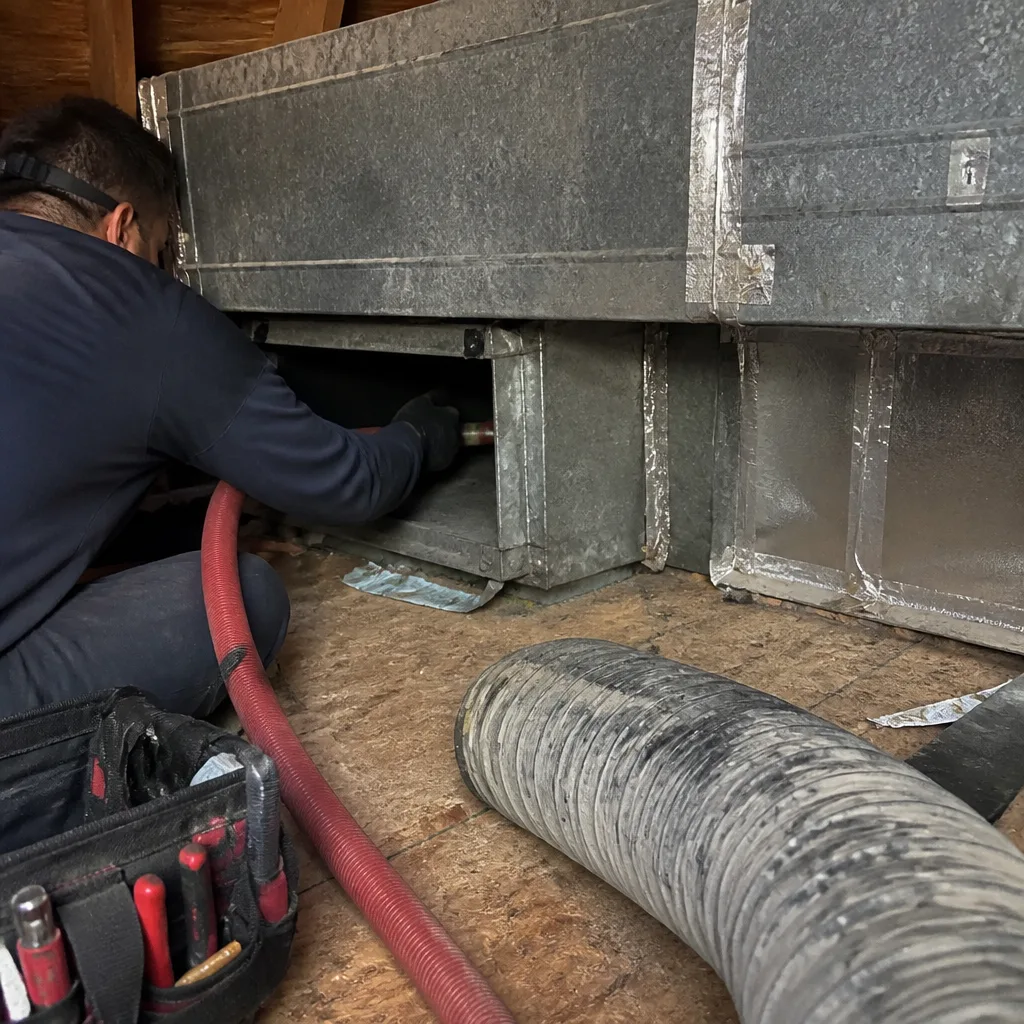 Before
 After
After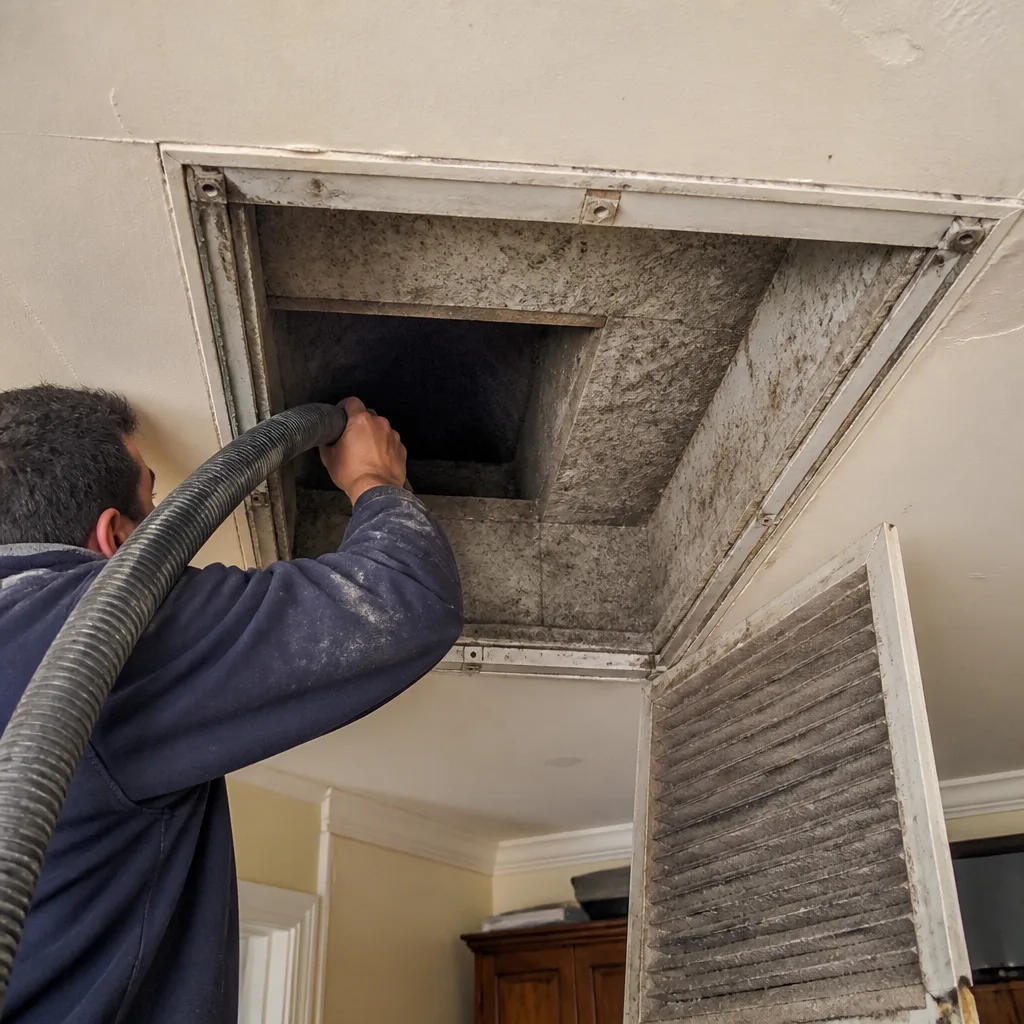 Before
 After
AfterTrusted Dryer Vent Cleaning for Washington Homeowners
Our Dryer Vent Cleaning - Washington service typically costs $149-$289 for a standard single-family exhaust run and takes 60-90 minutes from arrival to final airflow test. At CleanRun Air Duct Cleaning Washington, we’ve cleared, inspected, and documented more than 8,000 dryer vents across the District since 2013, and every job starts with a written price before any panel comes off. Call (240) 363-3380 for a free estimate with no obligation to book.
Washington’s housing stock creates specific venting problems you won’t find in newer suburbs. The rowhouses of Capitol Hill, Georgetown, and Columbia Heights often route dryer exhaust through 20-35 feet of rigid duct with multiple elbows before reaching the roof or rear wall. That geometry traps lint at every turn. Condos in Navy Yard and the Wharf frequently use shared chase systems where one blocked vent pressurizes neighbors’ lines. And the humid Potomac summers compress lint into dense mats that restrict airflow year-round, even when the dryer’s heating element is working perfectly. We’ve photographed these conditions inside Washington vents since our first job in 2013, and we deliver those images to every customer as part of our standard Documented Photo Record.
Tomas Reyes built CleanRun on a single practice: show the customer what the camera saw, name a written price, then do the work. No $79 coupons that balloon to $400 on the driveway. No shop-vac noise passed off as professional cleaning. Our crews use Rotobrush and Nikro equipment, negative-pressure extraction (suction that pulls debris toward the vacuum rather than blowing it into your laundry room), and airflow meters to verify results before we leave. Every technician is background-checked, uniformed, and identified by name before arrival under Haven Standard Clause 3: Verified Crews.
What Our Dryer Vent Cleaning Service Includes
Dryer Vent Inspection
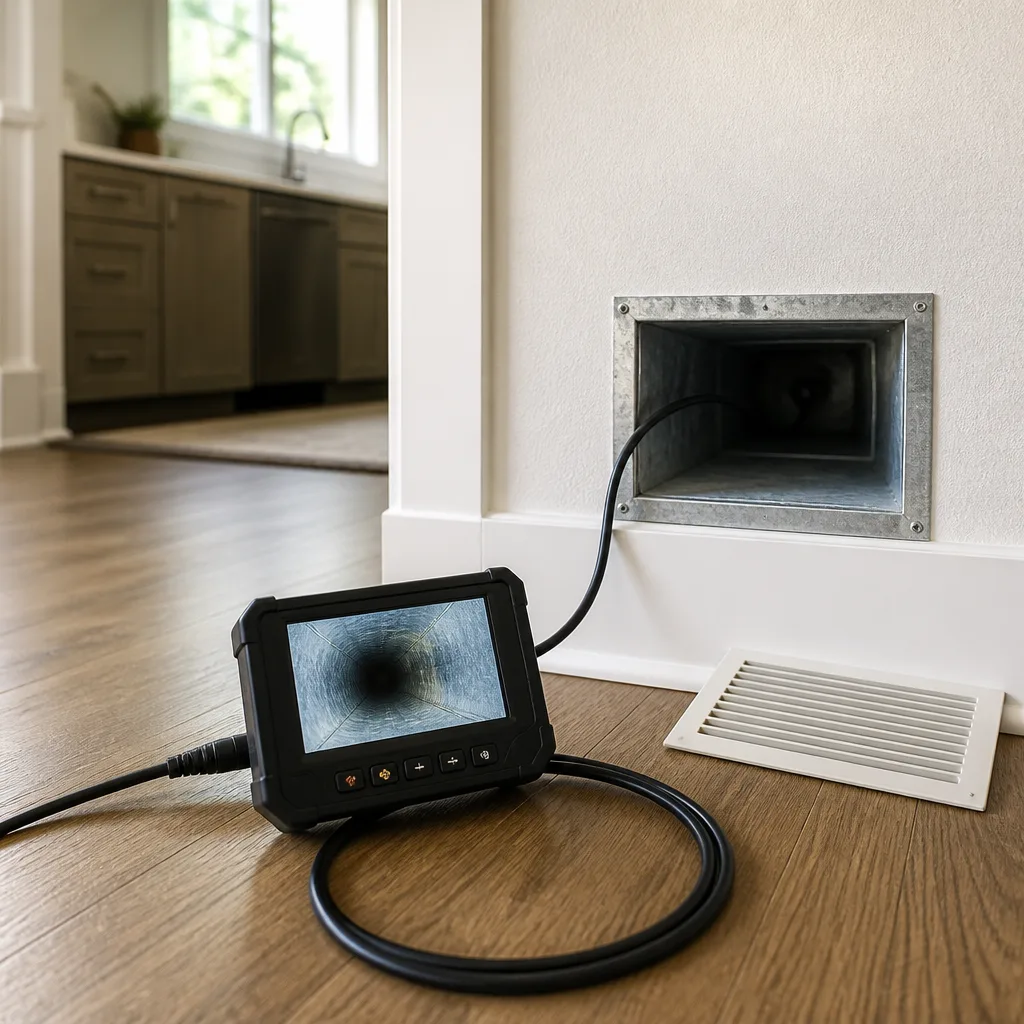
A proper Dryer Vent Inspection starts with the termination point, not the laundry room. We check the exterior vent cap for damage, bird nesting, or improper screening, then run a borescope camera through the full duct run (the continuous path from dryer to outside air) to locate lint accumulation, sagging sections, and disconnected joints. In Washington’s older homes, we regularly find galvanized steel ducts in Adams Morgan and Mount Pleasant that have separated at seams, dumping moist air into wall cavities for years. The inspection produces a written findings report with photographs, which becomes the basis for your fixed-price quote under Haven Standard Clause 1.
Vent Cleaning
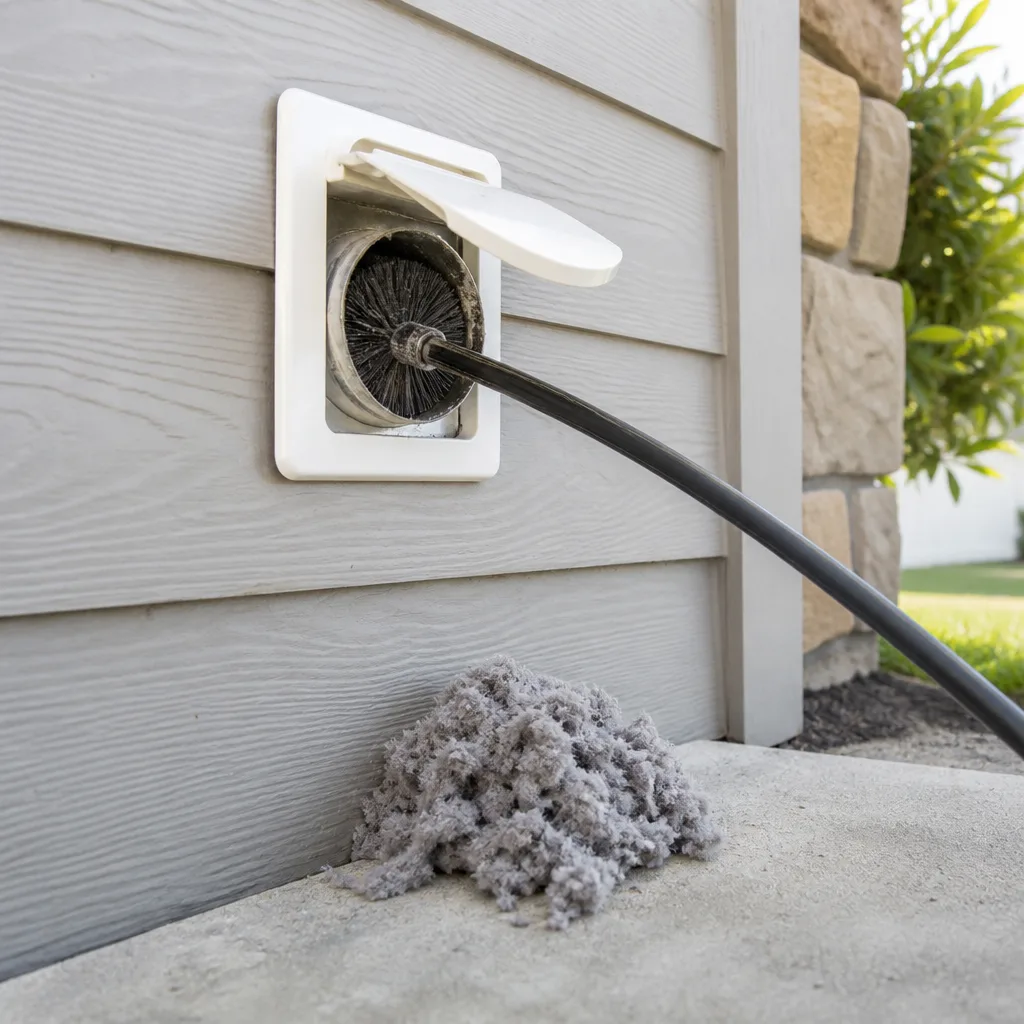
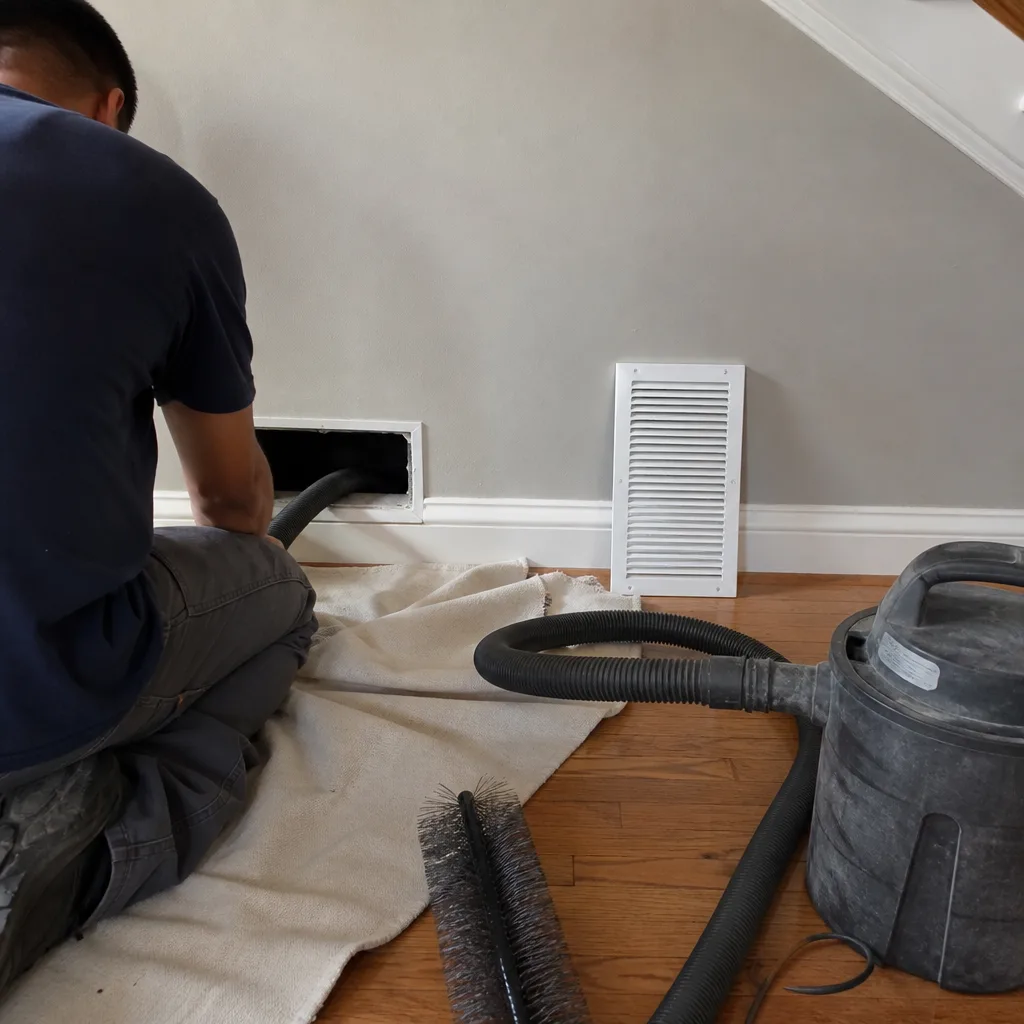
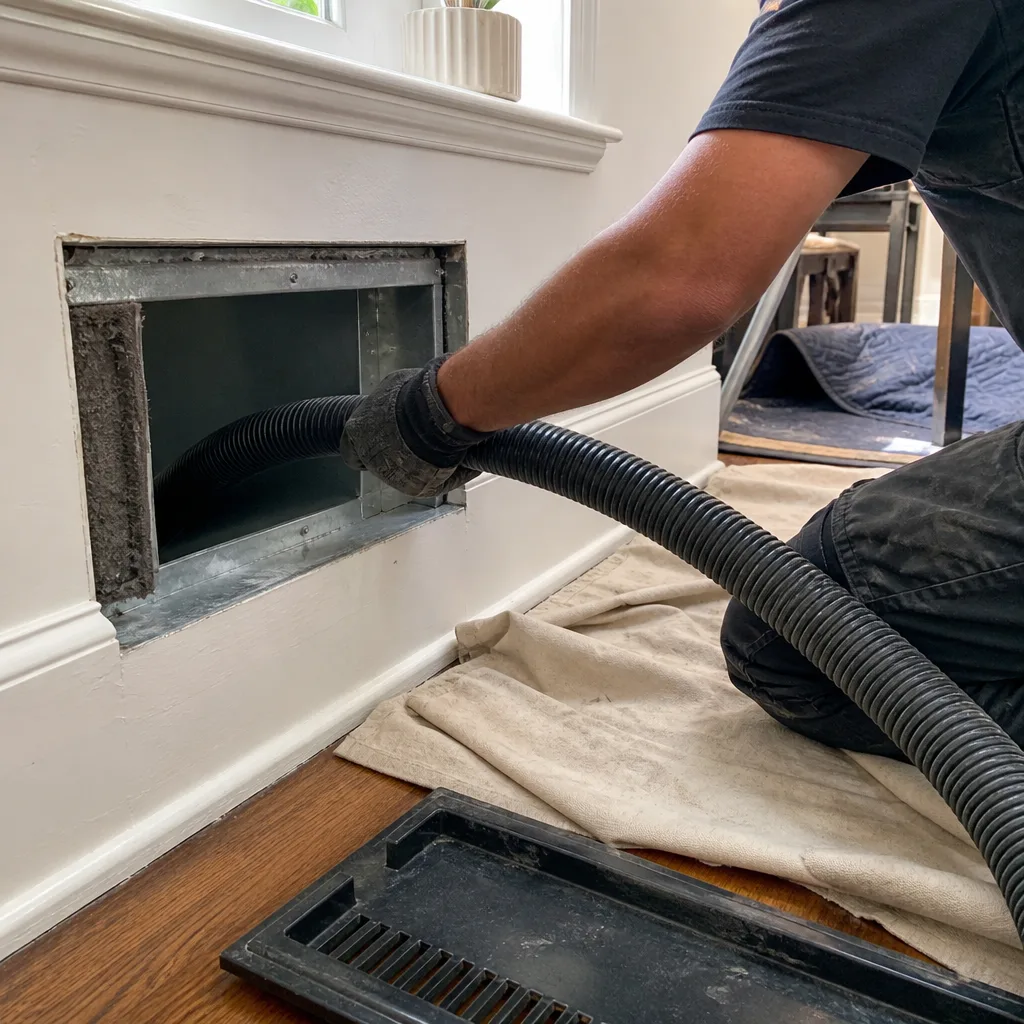
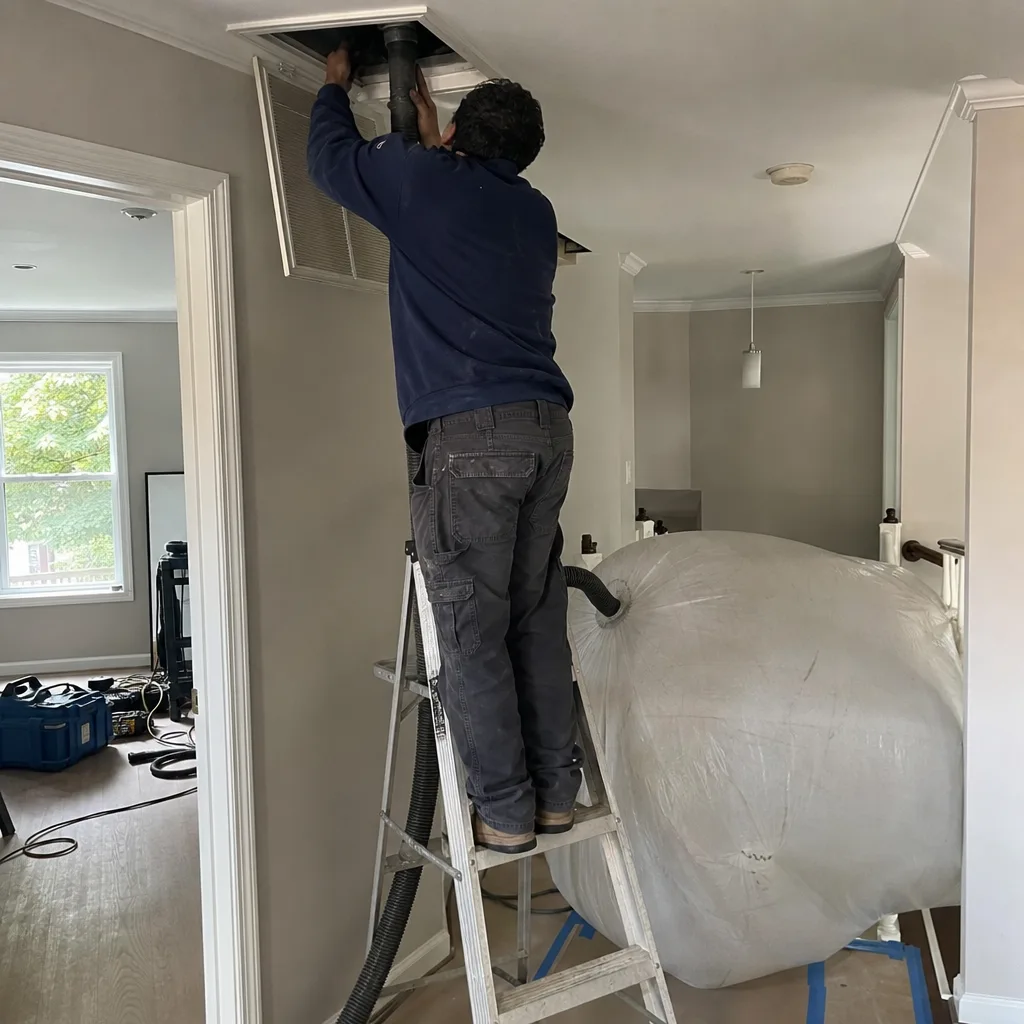
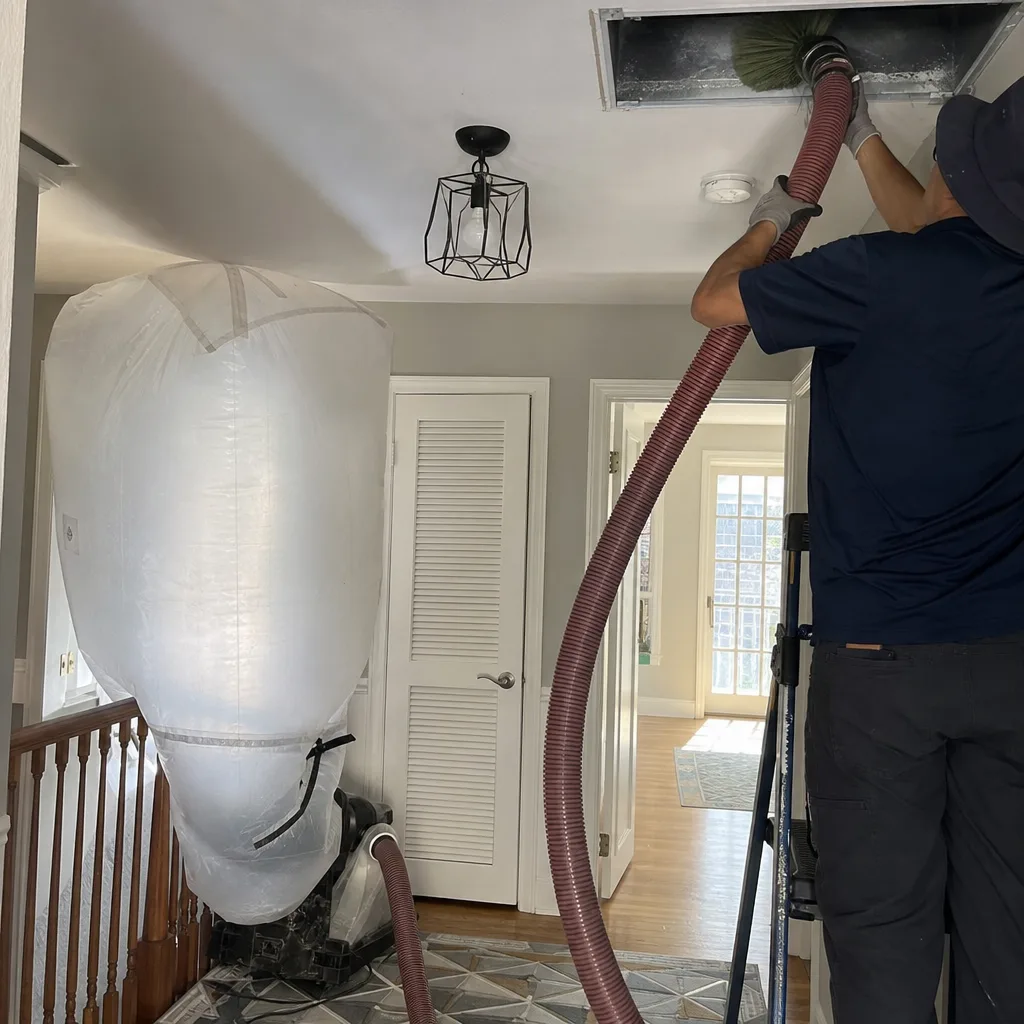
Our Vent Cleaning service removes lint buildup from the entire exhaust path using professional-grade equipment from Abatement Technologies and Guardsman. We attach a high-velocity vacuum to the exterior termination and use flexible auger brushes sized to your duct diameter, working from both ends to dislodge packed lint without damaging thin-wall aluminum or flexible transition duct. For Washington’s characteristic long runs in Foggy Bottom and Dupont Circle, we use compressed-air whipping tools that navigate multiple elbows while maintaining suction. The job ends with an airflow reading: we verify cubic feet per minute at the termination meets or exceeds manufacturer specification for your dryer model.
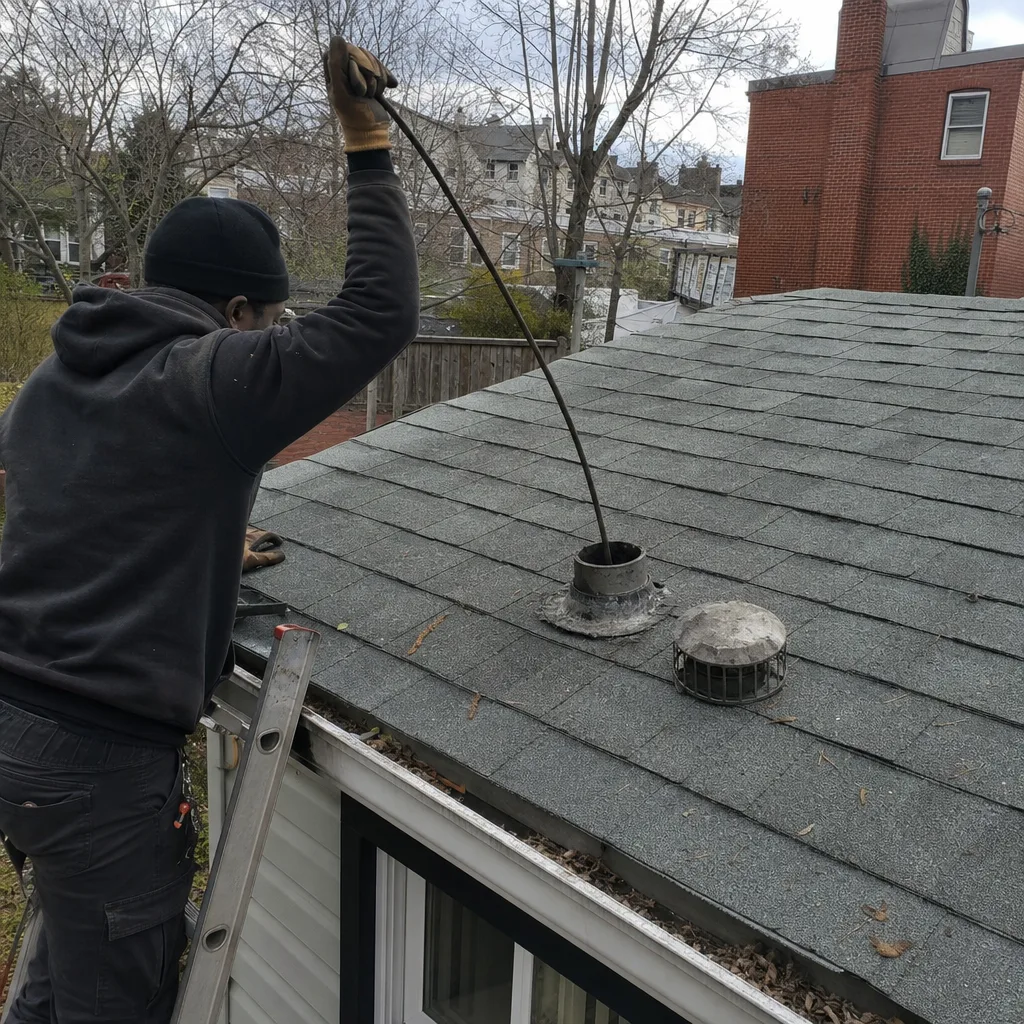
Lint Removal
Lint removal addresses the material that escapes your dryer’s internal filter and collects in the exhaust path. In Washington, we see the heaviest accumulation in homes with long vertical runs to roof terminations, where gravity and humidity combine to pack lint into dense layers. Our crews remove this material mechanically, then inspect the dryer’s internal lint housing and blower wheel, which many competitors skip. We document the volume removed by photographing the collection chamber, so you have evidence of what was actually in your system. This matters for insurance purposes: some Washington homeowners have used our photo records to document maintenance for claims after dryer-related incidents.
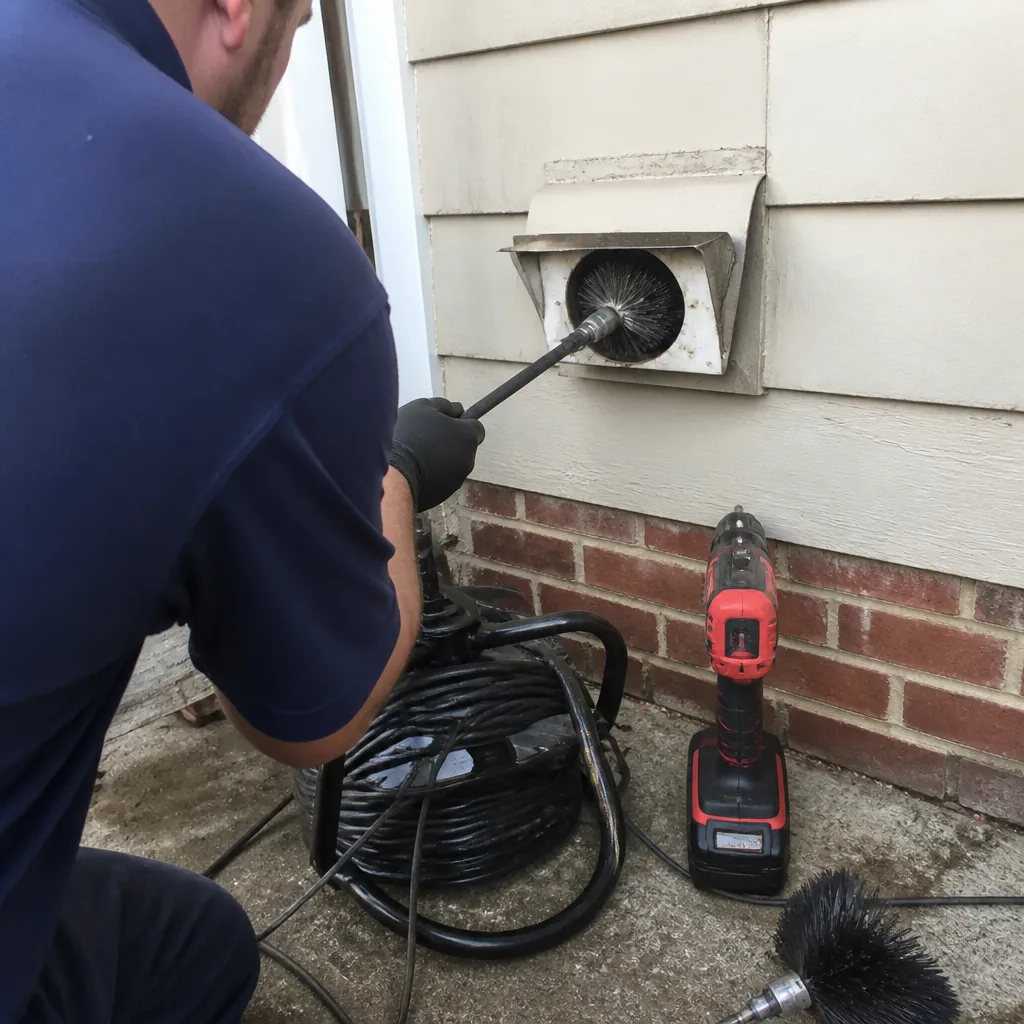
Vent Rerouting
Vent rerouting becomes necessary when the existing duct path is unsafe, inefficient, or code-noncompliant. We reroute Washington vents that terminate in crawl spaces or attics (a fire hazard under DC building code), replace crushed or kinked flexible duct with rigid metal, and shorten unnecessarily long runs that extend drying times. In 2022, we rerouted a 45-foot run in a Cleveland Park four-story rowhouse to a new wall termination, cutting drying time from 94 minutes to 41 minutes for a standard load. Every rerouting job includes a written scope, fixed price, and the same 365-Day Done Right Promise that covers all our work.
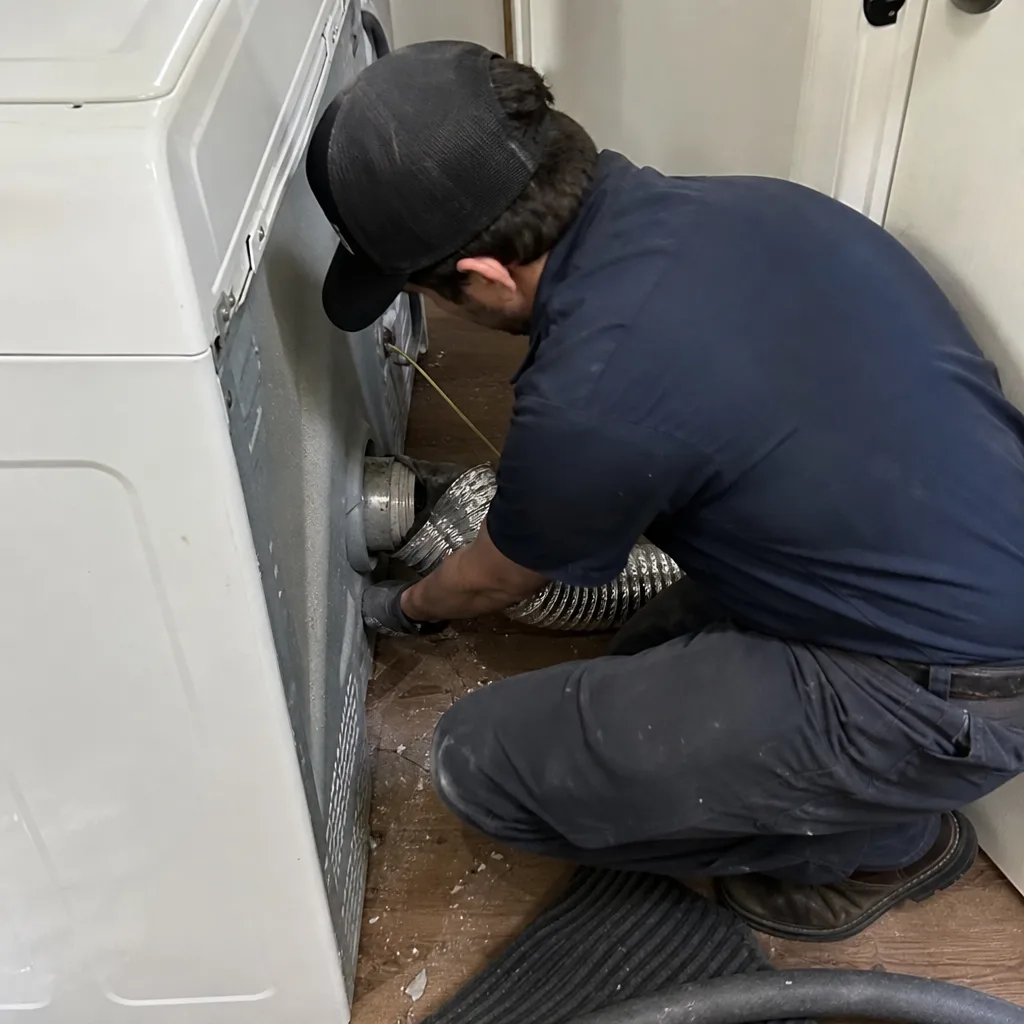
Bird Guard Installation
Bird guard installation prevents nesting in exterior vent terminations, a common problem in Washington’s tree-canopied neighborhoods like Chevy Chase DC and Shepherd Park. Our guards use stainless steel mesh sized to block birds and rodents while maintaining adequate airflow for dryer exhaust. We measure your duct diameter and dryer CFM rating before selecting a guard, because undersized screening creates back-pressure that triggers safety shutoffs. Installation includes sealing the guard to the termination with fire-rated caulk and photographing the completed assembly for your job record.
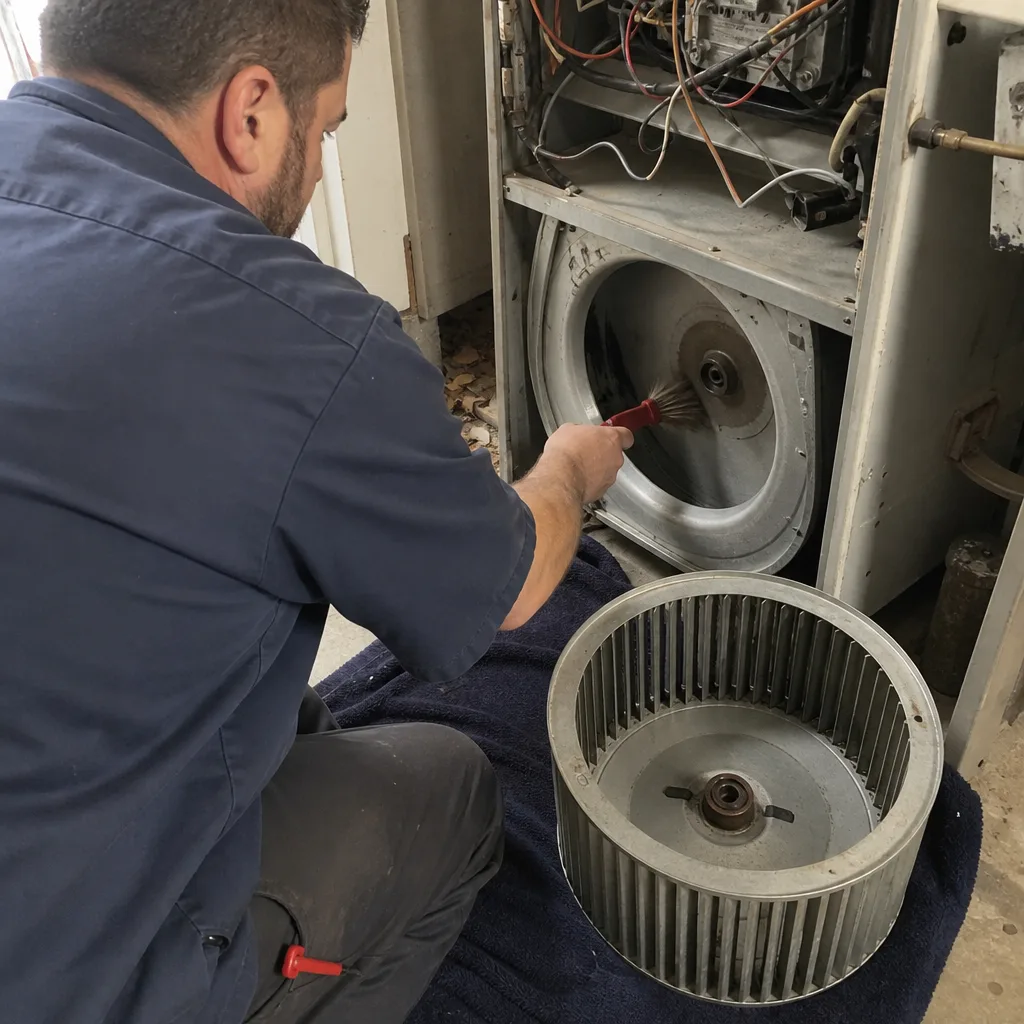
Vent Cap Replacement
Vent cap replacement fixes damaged, missing, or improperly designed termination hoods. Washington’s weather pattern, freeze-thaw cycles and driving rain, destroys lightweight plastic caps within two to three years. We install metal caps with backdraft dampers (flaps that open under exhaust pressure and close when the dryer stops, preventing cold air infiltration) and proper clearance from siding materials. In humid months, a missing or broken damper allows moist outside air to enter the duct, where it re-wets lint residue and accelerates mold growth. We verify damper operation with a smoke pencil before signing off.
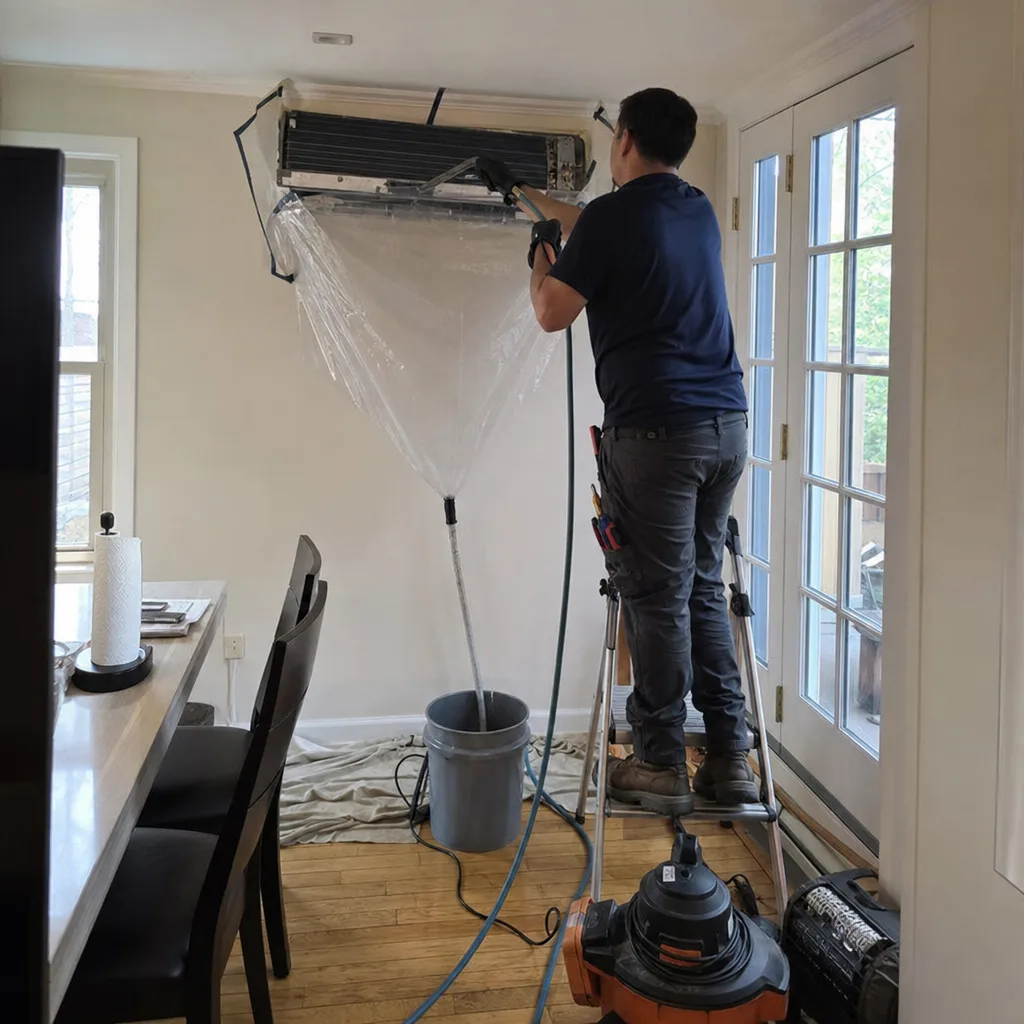
What happens when you call
- 1
A real person answersNo phone trees - you reach a local pro.
- 2
You get an upfront price rangeHonest numbers before anyone is dispatched.
- 3
A background-checked tech heads outLicensed & insured, dispatched right away.
- 4
You approve before work beginsNothing starts until you say go.
Brands We Service for Dryer Vent Cleaning
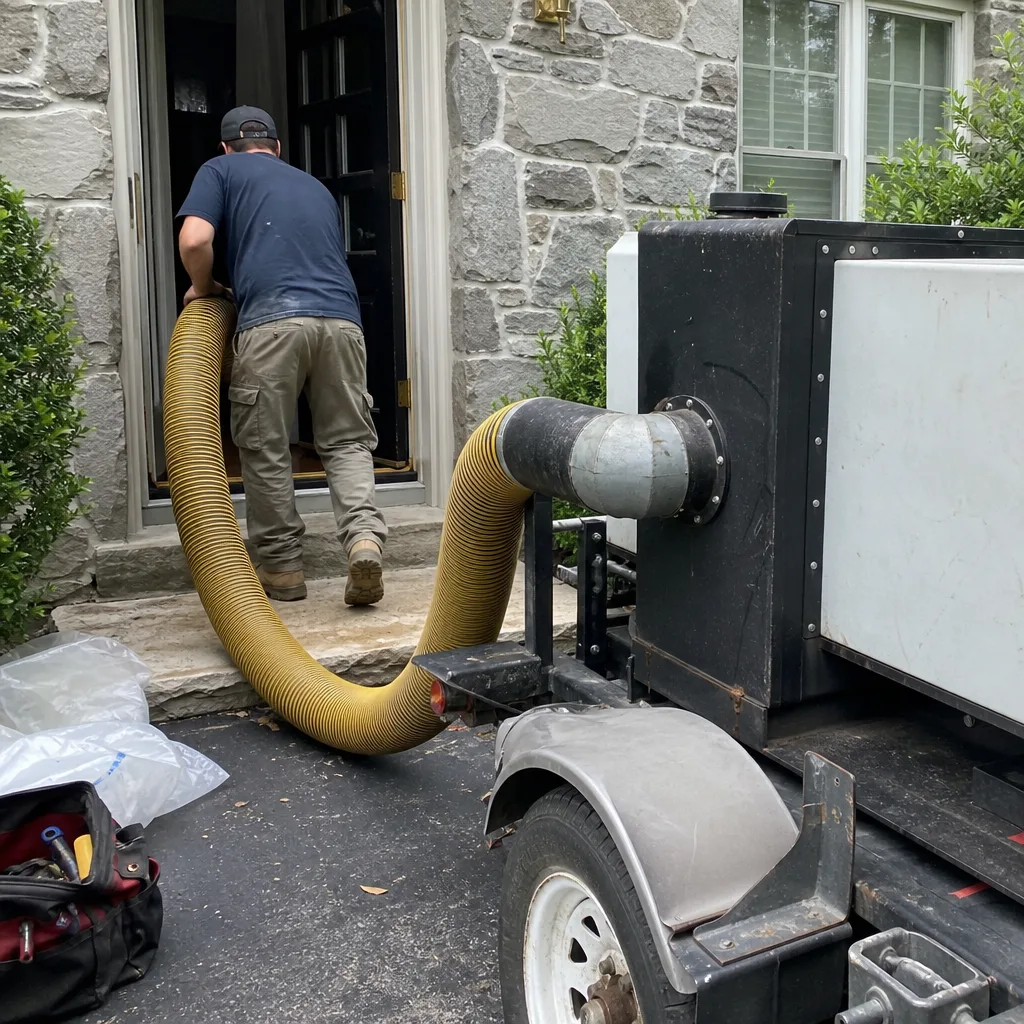
We’ve serviced and documented cleaning for virtually every residential dryer manufacturer sold in the Washington market. For Whirlpool and Maytag units, which dominate Capitol Hill and Petworth basements, we stock OEM termination kits and transition ducts because their standard 4-inch round connections are prone to crushing in tight installations. LG and Samsung venting systems, common in Navy Yard and NoMa condos, require specific adapter clearances we verify before quoting, since their high-RPM blowers are more sensitive to back-pressure than conventional designs.
Bosch, Miele, and Asko condenser and heat-pump dryers, increasingly found in Bethesda and Chevy Chase DC renovations, use shorter exhaust paths or sealed systems that still require annual lint-tray and heat-exchanger maintenance. We’ve developed specific protocols for these units that protect their integrated sensors while maintaining efficiency. Whether you have a ten-year-old Kenmore in Anacostia or a new Speed Queen in Logan Circle, we can inspect, clean, and document the work with a written price agreed before we start.
BeforeAfterSigns You Need Dryer Vent Cleaning Right Now
- Clothes take more than one cycle to dry. When a load that previously dried in 45 minutes now needs 75 or 90, restricted airflow is the likely cause, not the heating element. We’ve measured airflow reductions of 60-70% in Washington vents that still had visible exhaust at the termination, because partial blockage doesn’t stop airflow, it just strangles it.
- The dryer exterior or laundry room feels unusually hot. Heat that should exit through the vent is radiating backward into the room because the exhaust path is obstructed. In summer, this overloads your air conditioning. In winter, it signals a fire hazard: lint ignites at approximately 450°F, and restricted airflow causes dryer cabinets to reach temperatures that approach this threshold during extended cycles.
- You smell burning or musty odors during drying cycles. Burning lint has a distinctive sharp odor different from fabric scorching. Musty smells indicate moisture trapped in lint deposits, common in Washington’s humid summer months when partially blocked vents cannot expel moist air fast enough. Both conditions warrant immediate inspection.
- Visible lint accumulates around the interior dryer connection or exterior cap. Lint escaping at joints means the system is pressurized beyond its design capacity, forcing debris through gaps that should be sealed. Exterior lint on siding or near the ground termination indicates the cap is damaged or missing its backdraft damper entirely.
- It’s been more than 12 months since professional cleaning. The U.S. Fire Administration recommends annual dryer vent inspection and cleaning for single-family homes, and more frequent service for multi-load households or units with long duct runs. In Washington’s dense housing, where many dryers run daily for families with children, we recommend documenting the date and scheduling the next service before we leave.
Our Dryer Vent Cleaning Process - Step by Step
- 1
Arrival and protection. Our technician arrives in a marked CleanRun vehicle, introduces themselves by name, and lays protective covering from the entry to your laundry area. We inspect the dryer location for access constraints, note flooring type, and verify electrical or gas shutoff locations before touching equipment. This takes 5-10 minutes and is documented with a timestamped photo.
- 2
Exterior termination inspection. We examine the outside vent cap for damage, proper clearance from grade and combustibles, and signs of animal intrusion. In Washington, we frequently find caps painted shut by previous owners, screens added by well-meaning residents that trap lint, or terminations too close to window wells per current DC code. We photograph the condition and note any safety issues.
- 3
Camera inspection and airflow measurement. Using a borescope camera, we inspect the full duct run from the interior connection to the termination, recording video of lint deposits, joint conditions, and any damage. We measure baseline airflow with a digital anemometer (a device that calculates air velocity in cubic feet per minute). These two data points, the visual record and the airflow number, determine our recommended scope and your fixed price.
- 4
Written quote and customer authorization. Under Haven Standard Clause 1, we present a written price for the agreed scope before any cleaning begins. This document specifies what we will clean, what we will inspect, what equipment we will use, and what airflow improvement we guarantee. You authorize electronically or in writing; we do not proceed on verbal agreement alone.
- 5
Cleaning, verification, and documentation. We perform the cleaning using the equipment and methods specified in your quote, then re-measure airflow and re-inspect with the camera to verify results. You receive the complete photo record, before and after, plus the written scope, your paid invoice, and the 365-Day Done Right Promise documentation before we leave. The entire process typically takes 60-90 minutes for a standard Washington single-family vent.
How Much Does Dryer Vent Cleaning Cost in Washington?
A standard dryer vent cleaning in Washington, DC runs $149-$189 for a single-family home with a straightforward through-wall or through-roof termination and duct run under 15 feet; see our Dryer Vent Cleaning cost guide for full pricing details. Longer runs, common in Capitol Hill, Georgetown, and Columbia Heights rowhouses with 25-40 foot paths to roof terminations, typically fall in the $199-$289 range due to additional access time and specialized equipment for navigating multiple elbows. Vent rerouting, bird guard installation, or cap replacement are quoted separately based on materials and labor, with rerouting jobs generally starting at $349 for simple path adjustments.
Several factors affect your specific price. Duct material matters: rigid galvanized steel or aluminum cleans more efficiently than flexible foil or thin-wall transition duct, which may need replacement rather than cleaning. Accessibility affects time: vents behind stacked washers in narrow closets, or roof terminations requiring ladder access above two stories, add labor. The condition of the existing system determines whether we can achieve results with standard cleaning or need advanced tools like pneumatic whips or rotary brushes with reverse-bending heads.
We do not quote per-vent or per-foot pricing, which incentivizes technicians to rush or upsell. Your price is a flat rate for the complete job, agreed in writing before work starts, with no charges for “unexpected” findings once we’re inside. To avoid overpaying, ask any competitor whether their quote includes camera inspection, airflow verification, and photo documentation, or whether those are add-ons. CleanRun includes all three on every visit. We also offer a Free Second Opinion on any written estimate from another company, bring their quote and we’ll put our number next to it.
Every estimate we provide is free and carries no obligation to book. Call (240) 363-3380 to schedule.
Dryer Vent Cleaning Near Washington - Our Service Area
CleanRun Air Duct Cleaning Washington serves the full District of Columbia and surrounding jurisdictions, with regular appointments available in Dryer Vent Cleaning in Arlington, Dryer Vent Cleaning in Silver Spring, Alexandria, Bethesda, Falls Church, McLean, Springfield, Rockville, Fairfax, Reston, and Gaithersburg. For Washington addresses inside the Beltway, we typically schedule within 3-5 business days; outlying areas in Loudoun or Prince William counties may require 5-7 days depending on routing. We do not charge travel fees for standard service area appointments. If you’re unsure whether your address falls within our coverage, call (240) 363-3380 and we’ll confirm while you’re on the line.
Serving Washington, DC - Our Local Coverage Area
We’re based in the Washington area and know this community well. Use the map below to see our service coverage - if you’re nearby, we can almost certainly help.
Frequently Asked Questions - Dryer Vent Cleaning in Washington
Dryer vent cleaning is the mechanical removal of lint and debris from the exhaust path that carries hot, moist air from your clothes dryer to the outside of your home. At CleanRun, this includes camera inspection of the full duct run, negative-pressure extraction with professional equipment, airflow verification with a digital meter, and delivery of a before-and-after photo record. The service addresses fire safety, drying efficiency, and appliance longevity.
Most standard dryer vent cleanings in Washington take 60-90 minutes from arrival to final documentation. Long runs in rowhouses, rerouting work, or multiple-unit condo systems may extend to 2-3 hours. We tell you the expected duration when we present your written quote, so you can plan accordingly. Call (240) 363-3380 for an exact time estimate based on your home’s configuration.
Standard single-family vent cleaning in Washington costs $149-$189; longer rowhouse runs typically run $199-$289. Rerouting, cap replacement, and bird guard installation are quoted separately. Your price is fixed in writing before work starts, with no per-vent or per-foot add-ons. We publish these ranges because Haven Standard Clause 1 requires transparent pricing, not “call for a quote” opacity. Call (240) 363-3380 for your specific written estimate.
We service all major residential dryer brands including Whirlpool, Maytag, LG, Samsung, Bosch, Miele, GE, Electrolux, and Speed Queen, plus commercial units in multi-family buildings. Our crews carry adapters and termination kits for the most common configurations found in Washington homes. If you have an unusual or discontinued model, we verify parts availability during the inspection before quoting any replacement work.
We do not advertise emergency or same-day dispatch for dryer vent cleaning because this is a scheduled maintenance service, not an urgent repair. However, if you smell burning, see smoke, or your dryer has triggered a thermal cutoff (a safety shutdown that prevents fire), discontinue use immediately and call (240) 363-3380. We will prioritize inspection scheduling and advise on immediate safety steps while you wait. For active fire conditions, call 911 first.
Every dryer vent cleaning is backed by our 365-Day Done Right Promise: if the work is not right, we make it right, documented in writing on every job, not subject to manager discretion. This covers workmanship, materials we install, and the airflow improvement we verify at completion. If lint accumulation returns due to our cleaning method within one year, we return and re-service at no charge. Haven Standard Clause 5: Written Accountability governs all claims.
Clear a path to your dryer and remove items stored on top or immediately adjacent. If your dryer is a stacked unit or in a tight closet, we may need 30 inches of clearance to access the rear connection. Do not run the dryer immediately before our arrival, a hot drum complicates inspection and extends setup time. We handle all tool placement, floor protection, and equipment setup; your preparation is minimal. Call (240) 363-3380 when booking and we’ll confirm any specific needs for your installation.
Schedule Your Dryer Vent Cleaning Service in Washington Today
Call (240) 363-3380 to speak with a live person, 24/7, and schedule your free estimate. You’ll receive a written price before any work starts, a Documented Photo Record of every duct run, and the 365-Day Done Right Promise in writing before we leave. Tomas Reyes and the team at CleanRun Air Duct Cleaning Washington have operated under these terms since 2013, and we do not deviate from them for any customer.
Written by Tomas Reyes, Owner at CleanRun Air Duct Cleaning Washington, serving Washington, DC since 2013.