
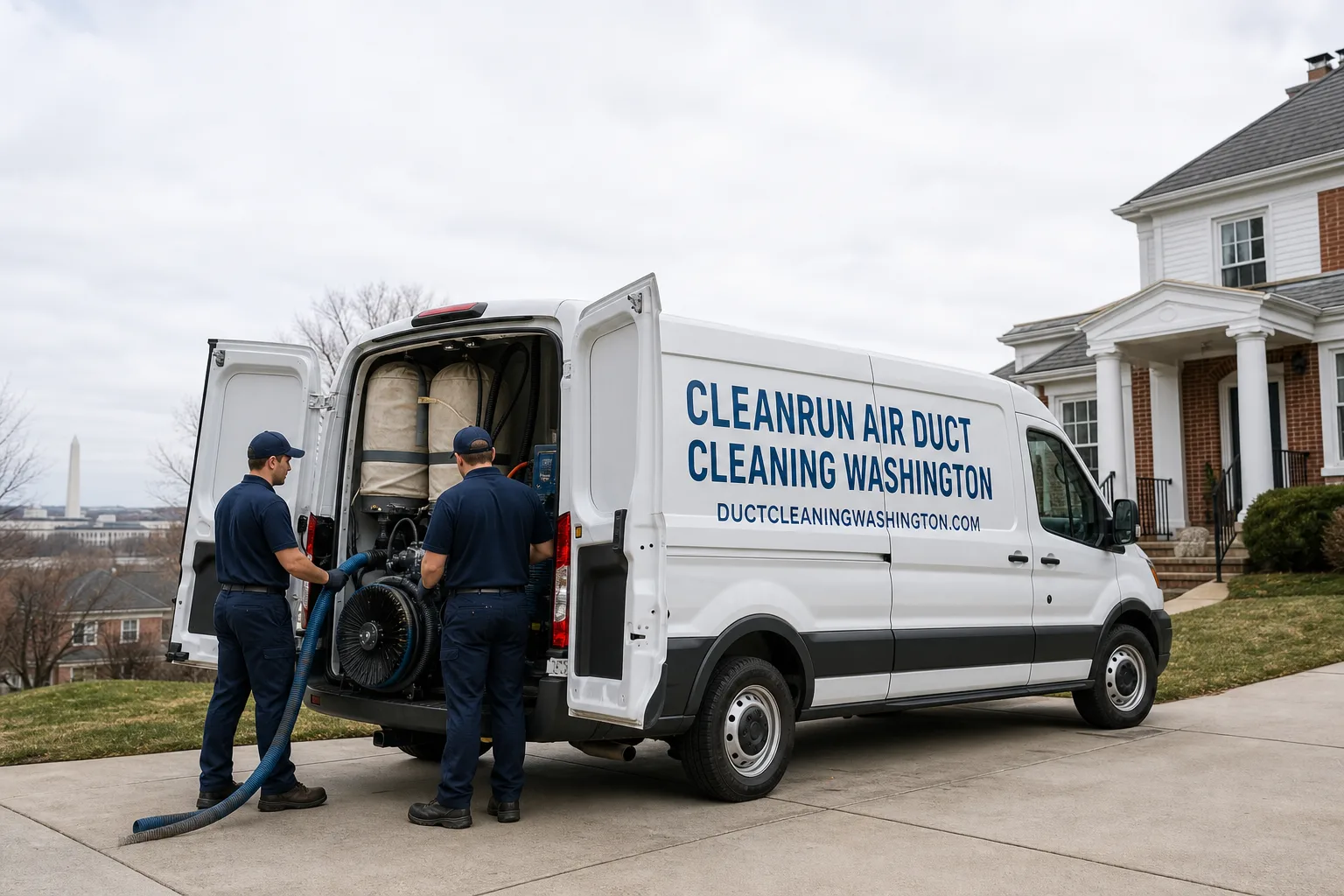
Whole-system duct and dryer vent check with before-and-after photos - you see exactly what came out of your vents
That "$99 whole-house special" is a bait ad - the real number appears once they are in your hallway, or the "clean" is a shop-vac at the register. We photograph the inside of your ducts before and after instead.
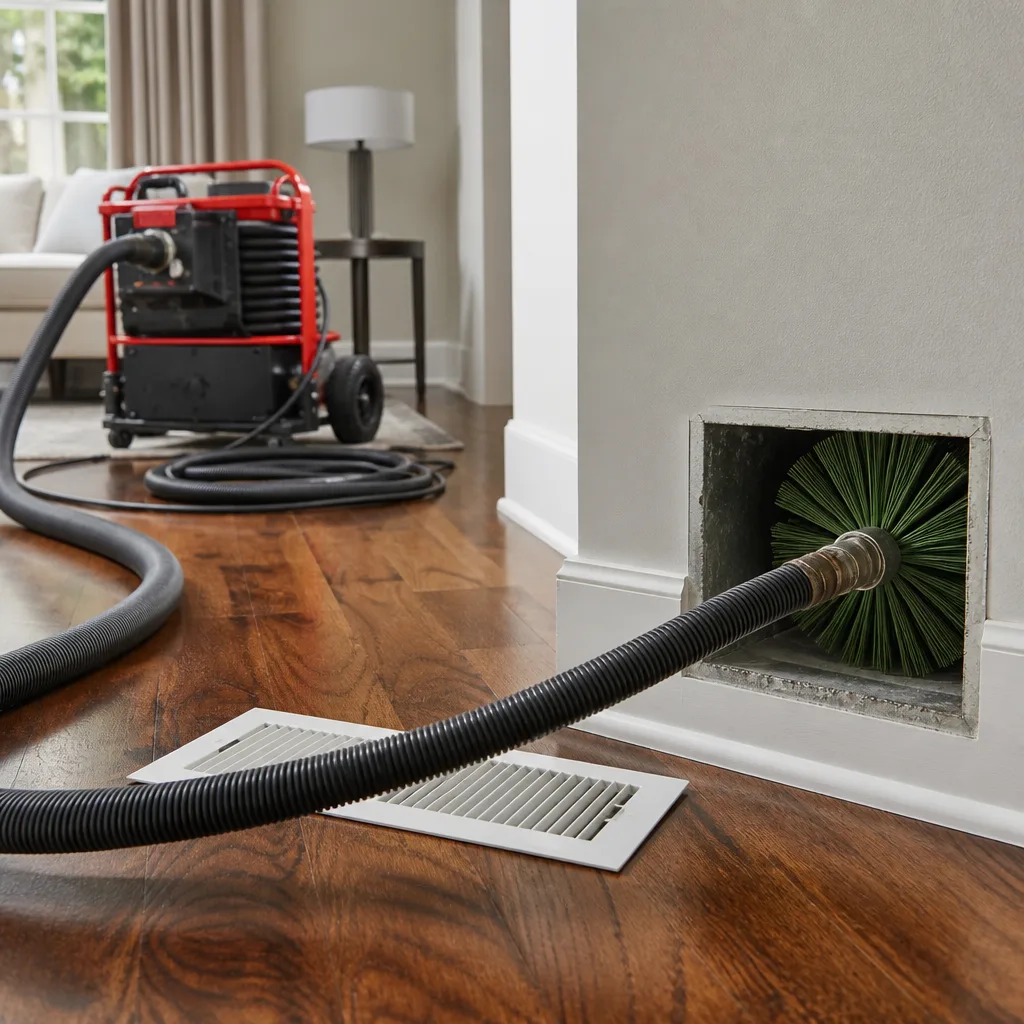
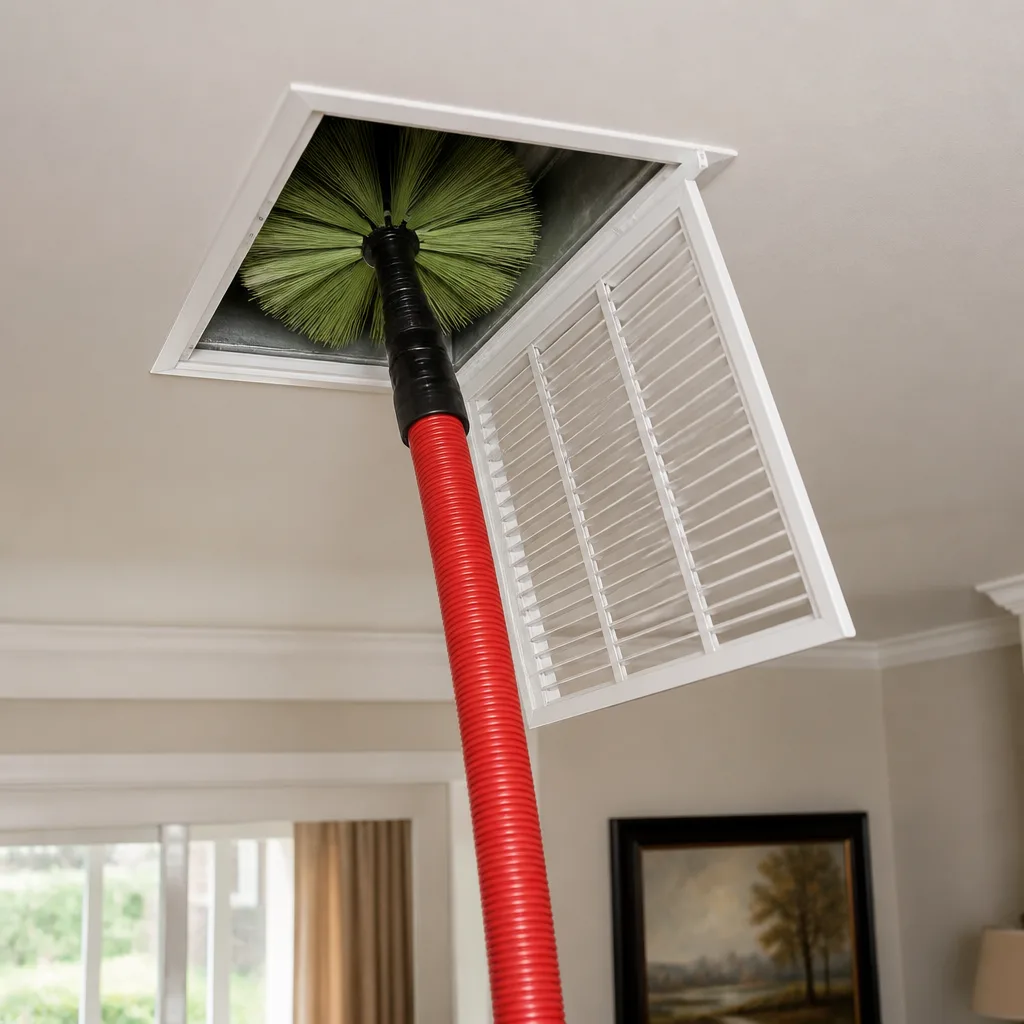
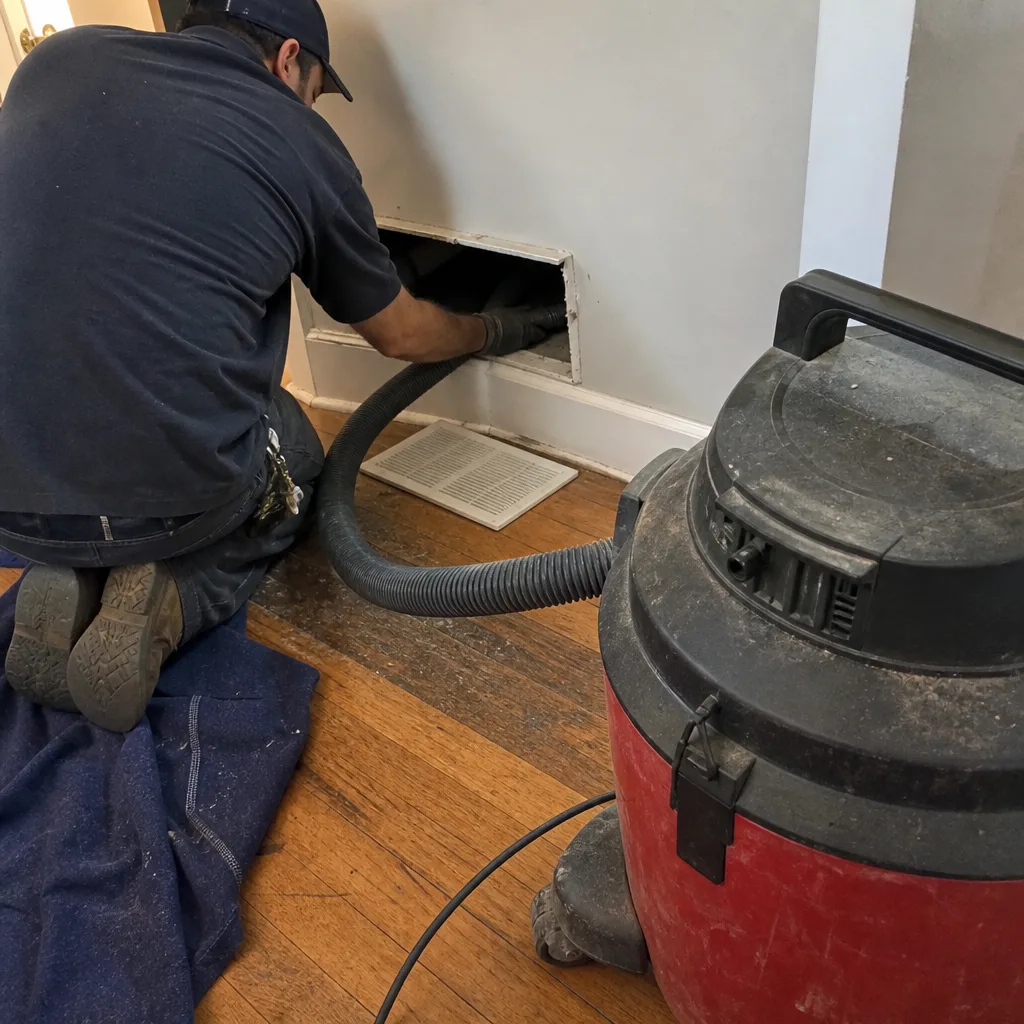 Before
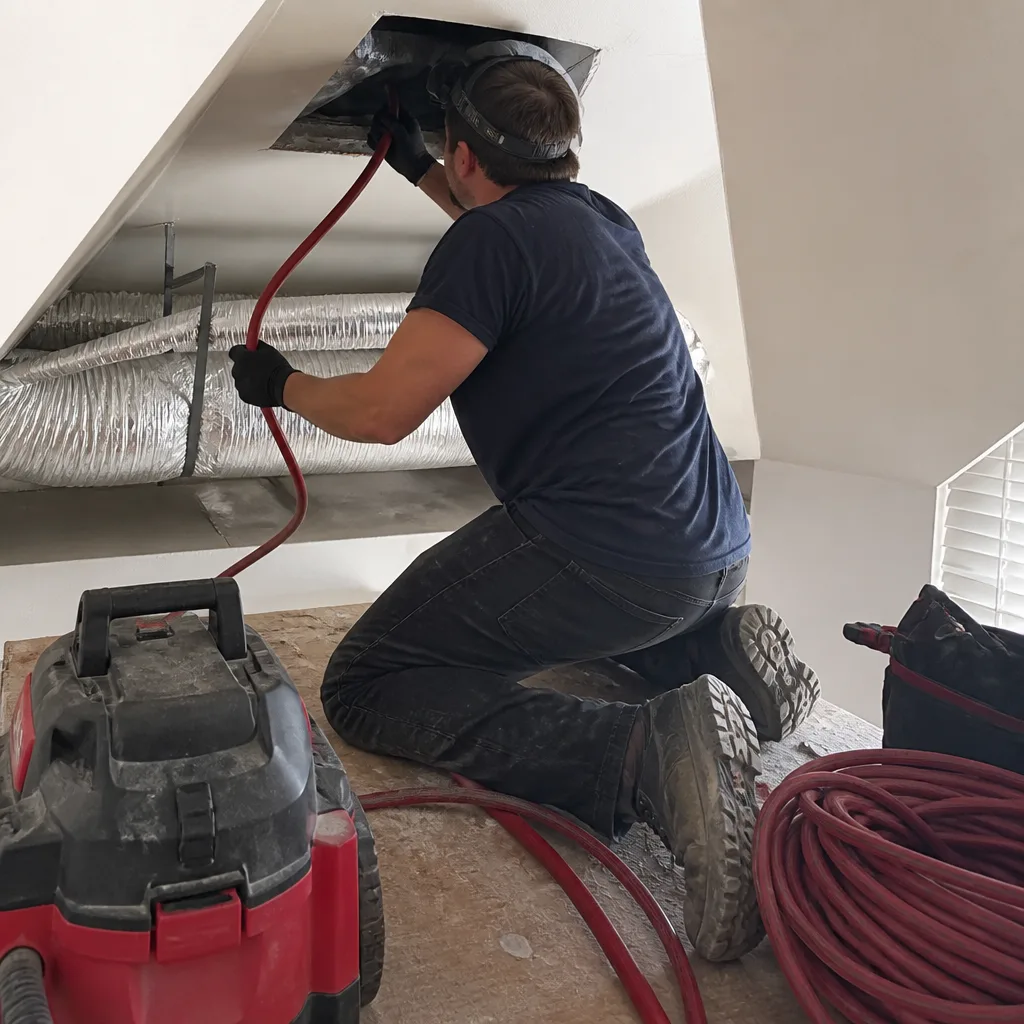 After
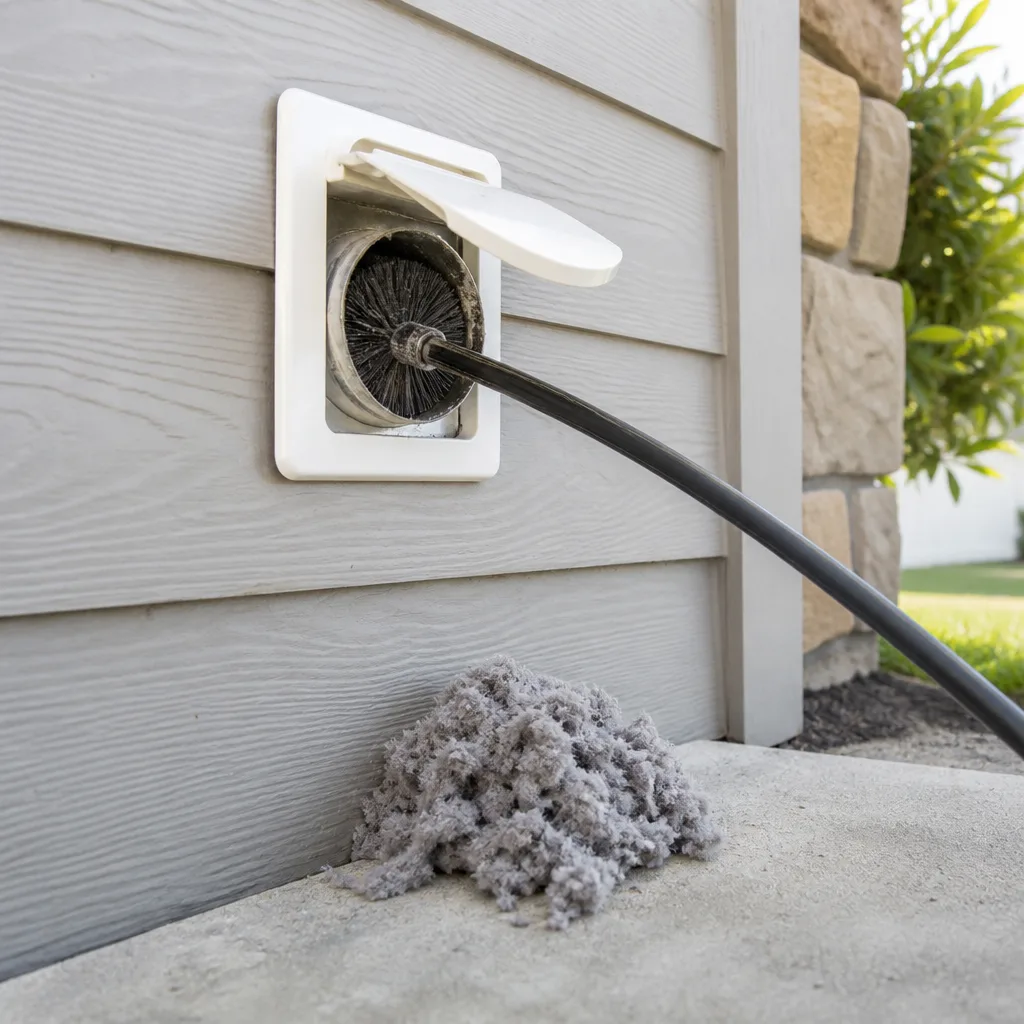
After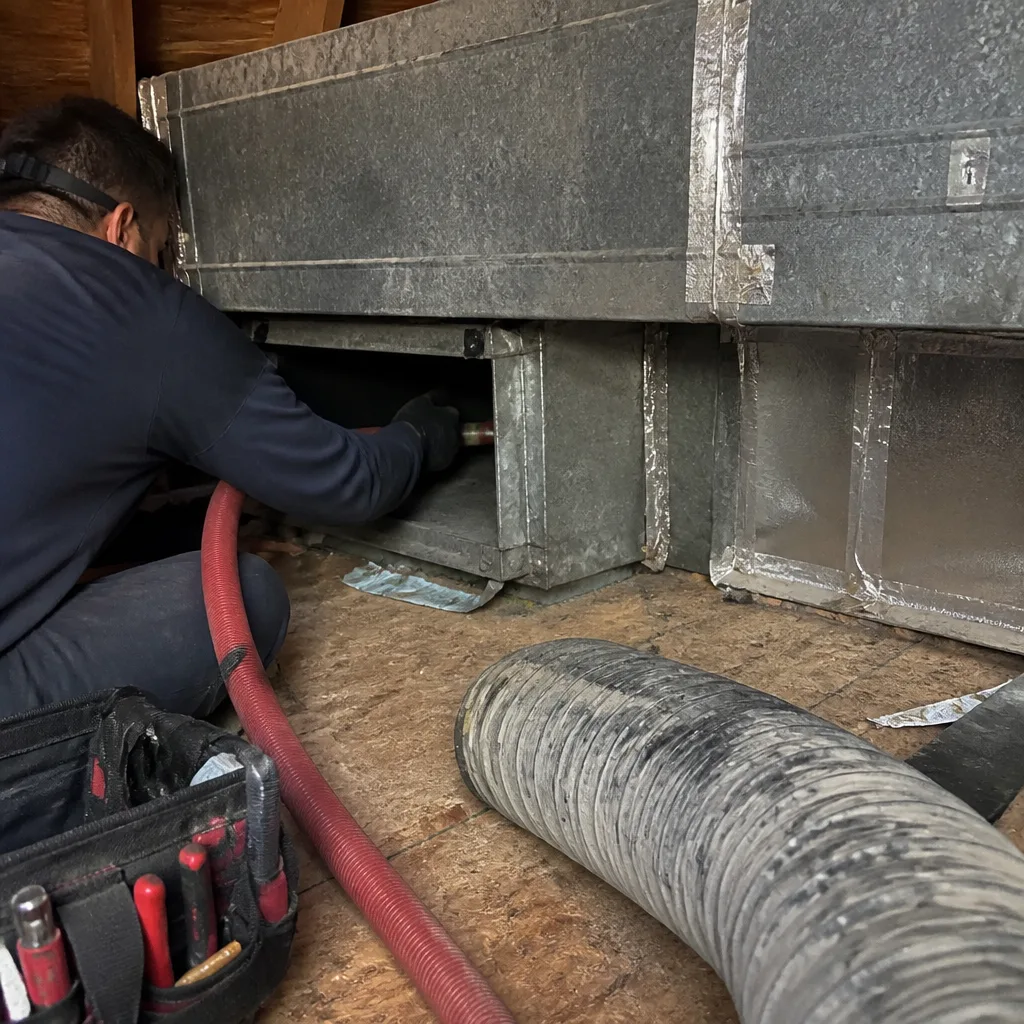 Before
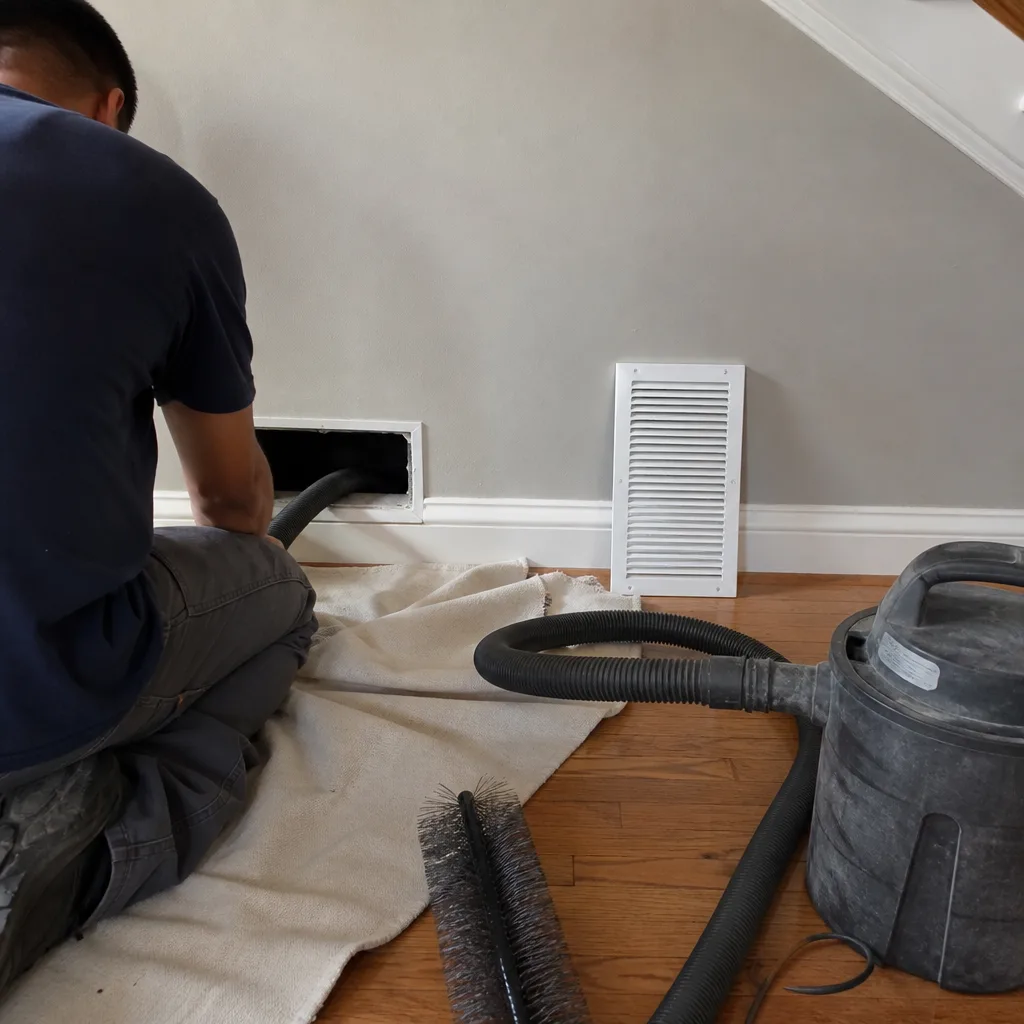 After
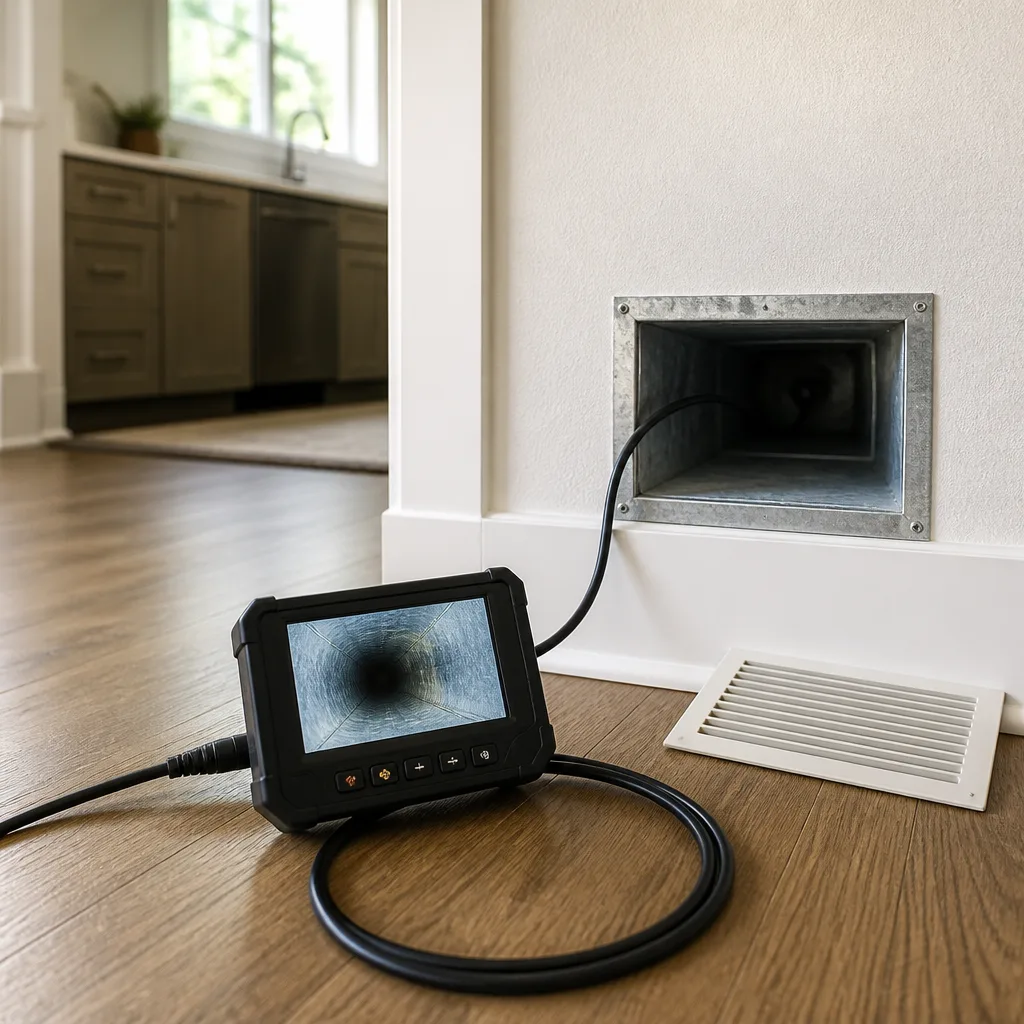
After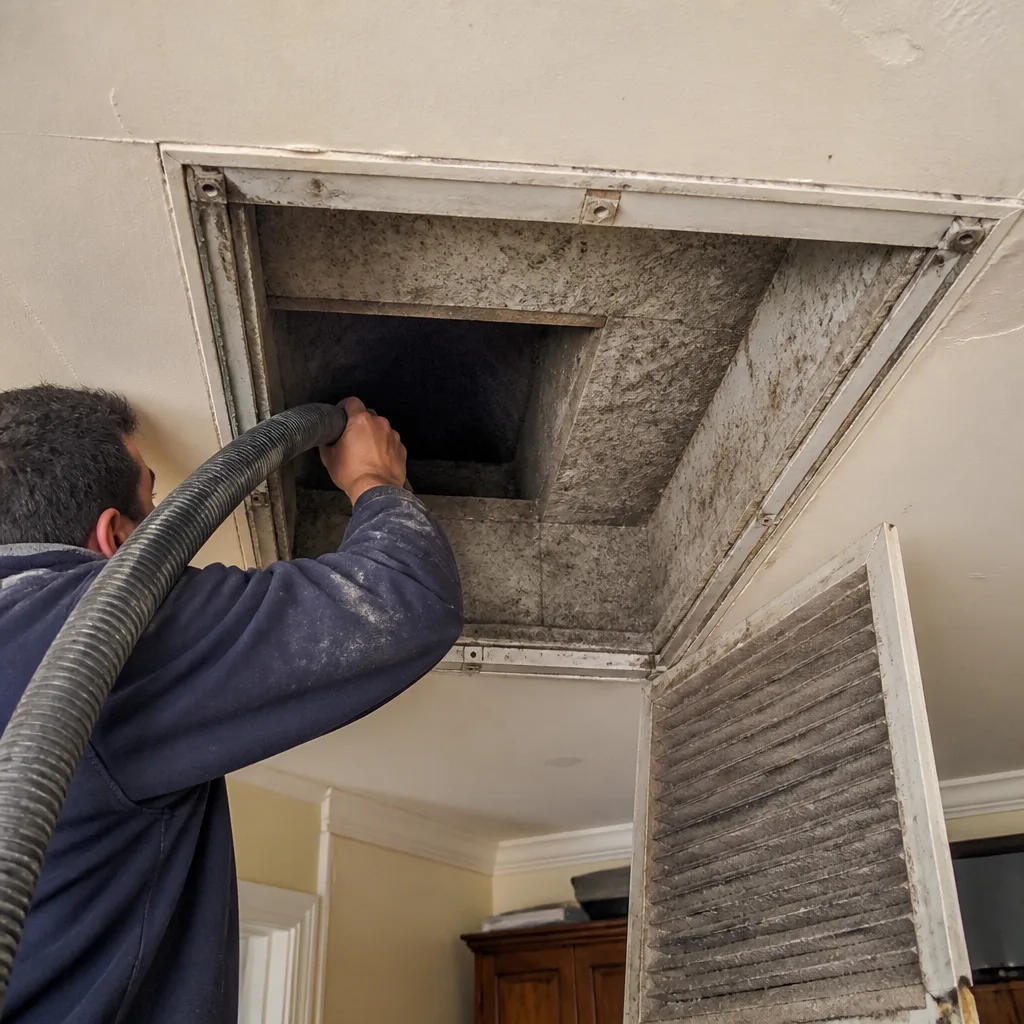 Before
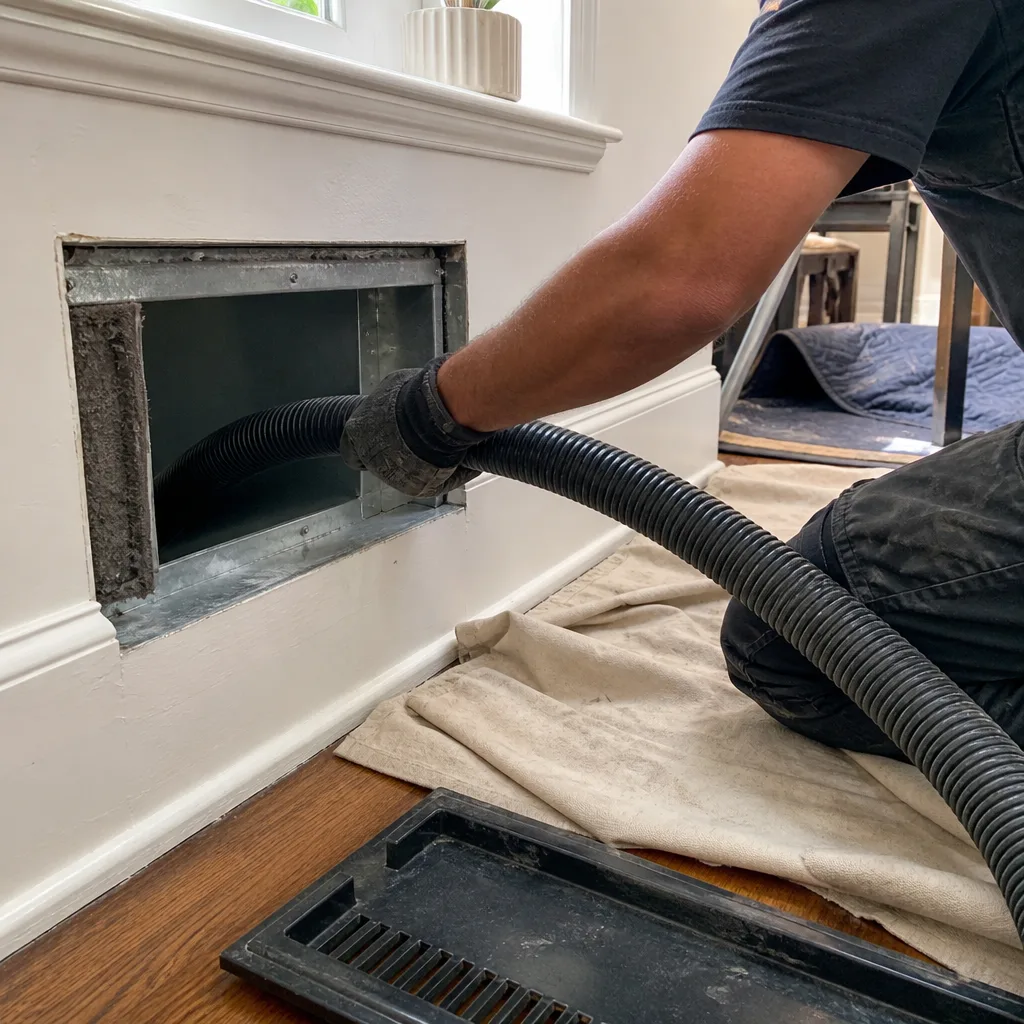 After
AfterHow Much Does Duct Repair & Sealing Cost in Washington, DC?
Our Duct Repair & Sealing services in Washington, DC typically cost between $350 and $1,200 for a standard residential job, with most homeowners in neighborhoods like Capitol Hill, Cleveland Park, and Petworth landing somewhere in the $500-$850 range. Aerosol-based duct sealing (Aeroseal) runs higher, from $1,500 to $2,500 depending on system size, while minor spot repairs on accessible duct sections can come in under $300. At CleanRun, every price is written down before any work starts – no exceptions, no “we’ll know more once we open it up” surprises.
Duct Repair & Sealing Cost Breakdown (2026)
The table below reflects what CleanRun and comparable licensed contractors are charging in the Washington, DC metro market in 2026. These are real ranges, not national averages pulled from a content database. DC’s older housing stock – rowhouses built between 1890 and 1960, mid-century colonials in Chevy Chase DC, and 1970s-era split-levels near Shepherd Park – tends to push jobs toward the higher end of each range because original duct systems were installed without modern access provisions.
| Service | Typical DC Range | Notes |
|---|---|---|
| Duct leak detection (pressure test) | $150 – $300 | Required before any sealing quote; includes a written report |
| Mastic sealant application (accessible runs) | $300 – $600 | Per zone; price rises with linear footage and access difficulty |
| Foil tape sealing (minor leaks, accessible joints) | $200 – $450 | Code-compliant UL-181 tape; not standard cloth tape |
| Flexible duct replacement (per section) | $150 – $375 | Common in DC rowhouse basements and Georgetown crawl spaces |
| Rigid sheet metal duct repair | $250 – $650 | Labor-intensive; older galvanized systems in Bloomingdale, Eckington |
| Plenum repair or resealing | $300 – $700 | Plenum = the main supply/return air box connecting to the air handler |
| Full system duct sealing (mastic, whole house) | $750 – $1,800 | Larger homes, multi-zone systems, attic ductwork in DC row-house additions |
| Aeroseal aerosol injection sealing | $1,500 – $2,500 | Computer-measured leakage before and after; best for inaccessible runs |
| Duct repair + cleaning combined | $650 – $1,400 | One mobilization, documented photo record of every run included |
| Emergency or same-day repair (urgent HVAC failure) | $400 – $900 | Applies when heating/cooling is not reaching part of the home |
A few things drive the final number up more than people expect. Ductwork in DC’s older rowhouses – especially in neighborhoods like Brookland, Trinidad, and LeDroit Park – was often installed in phases as homes were updated with forced-air systems in the 1940s through 1970s. Those systems frequently have non-standard transitions, hand-fabricated elbows, and connections made with materials that have since degraded. When the camera goes in and finds a collapsed flex run behind a finished wall, or a plenum joint that was never sealed at installation, the scope changes. That’s exactly why the written price comes before the panel comes off, not after.
On the lower end: a single accessible joint leak discovered during a routine inspection, sealed with professional-grade mastic, is a straightforward job. On the higher end: a 1920s semi-detached in Woodley Park with three floors of original ductwork, a partially finished basement, and a two-zone system added in 1998 is a different project. Both get a written price. Neither gets a verbal estimate that shifts when the crew arrives.
What Affects Duct Repair & Sealing Pricing in Washington, DC
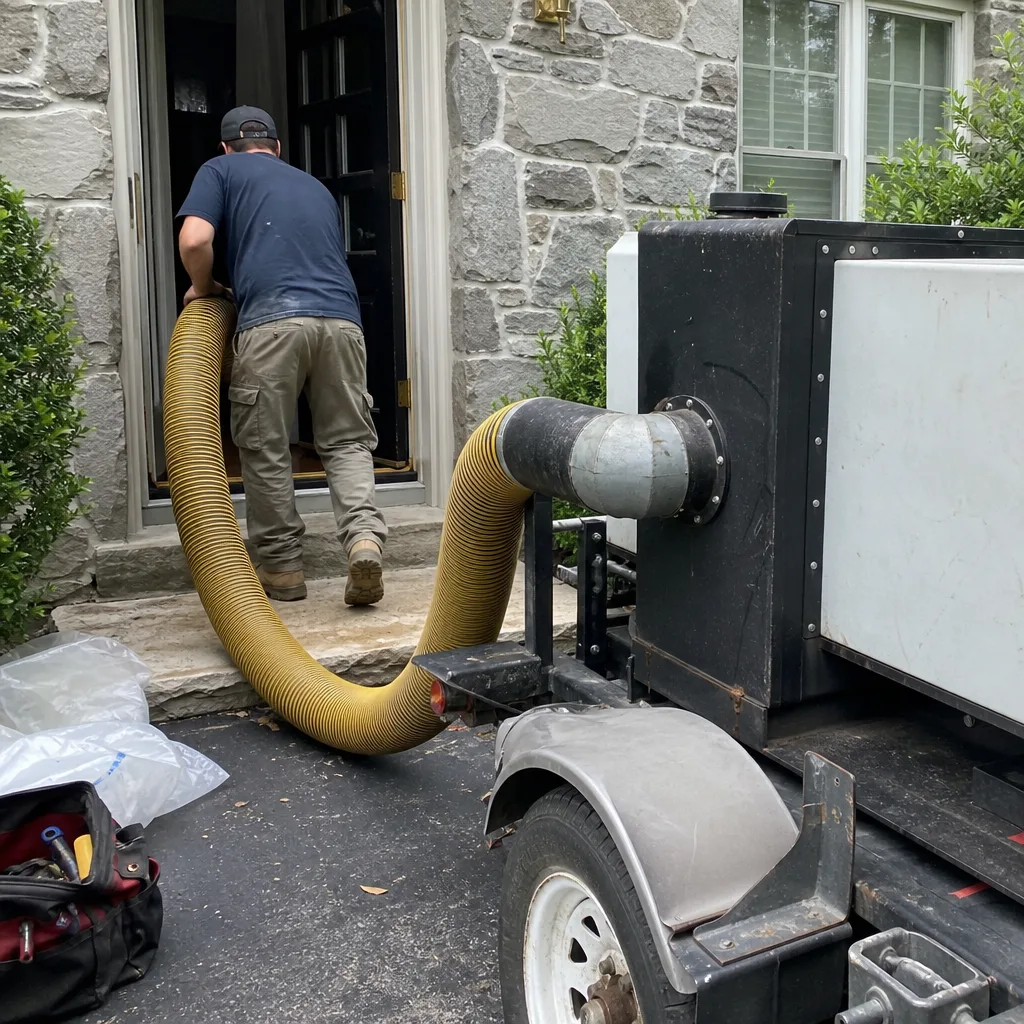
- Housing age and duct material: Washington has one of the oldest urban housing stocks in the mid-Atlantic. Homes in Shaw, U Street, and Columbia Heights frequently have original galvanized steel ductwork – sometimes 60 to 80 years old – that requires sheet metal fabrication skills, not just tape and mastic. That adds time and cost compared to flex-duct systems in newer construction near the waterfront or in Northeast DC near NoMa.
- Access to duct runs: In a rowhouse with a finished basement and plaster ceilings, getting to a failed elbow behind a wall may mean working through a single register opening with a camera and long-reach tools. In a single-family home in Tenleytown or Friendship Heights with an open mechanical room, the same repair takes a fraction of the time. Access difficulty is the single largest variable in labor pricing.
- Leakage severity and location: A pressure test (also called a duct blaster test) measures how much conditioned air the system is losing before it reaches the registers. DC homes with uninsulated duct runs in unconditioned attics – common in additions built onto Capitol Hill row houses – can show leakage rates above 25%, which means significant sealing scope. A house showing 8% leakage needs far less work.
- System size and zone count: A 1,400-square-foot condo conversion in Dupont Circle with one air handler is a different scope from a 3,800-square-foot detached home in upper Northwest DC with a two-zone system and separate return air chases on each floor. More runs, more registers, more linear footage of duct – all of it adds time and material.
- Repair method chosen: Mastic sealant applied by hand is standard practice for accessible joints. For inaccessible runs – inside walls, above finished ceilings – aerosol injection sealing (Aeroseal is the trade-recognized brand in this category) is the only practical option. It costs more but reaches places no hand can reach and produces a computer-generated before-and-after leakage report.
- Permit requirements: The District of Columbia requires a mechanical permit for duct system alterations beyond minor repairs in most cases. DC DCRA (Department of Consumer and Regulatory Affairs) permit fees, plus the cost of inspection scheduling, add to the project total. Any contractor telling you permits aren’t needed for a substantial duct modification in Washington should be asked to put that in writing – most won’t.
- Combined services: Duct repair done at the same time as a full air duct cleaning costs less per service than two separate mobilizations. The camera is already in the system, the crew is already on site, and the documentation – the before-and-after photo record of every run – covers both scopes in one visit.
BeforeAfterHow to Save on Duct Repair & Sealing in Washington, DC
Get the pressure test done first
Don’t agree to a sealing scope until a duct blaster or similar pressure test has been run. Some contractors skip this step and quote whole-system sealing when the actual leakage is in two accessible joints. A $150-$300 test that saves you from a $1,200 project you didn’t need is money well spent. At CleanRun, the written price for any sealing job reflects what the camera and pressure data actually found – not a flat rate quoted over the phone.
Combine repair with cleaning
If your system is due for cleaning and you have a known duct issue, scheduling both in a single visit reduces total cost. One mobilization covers both scopes, and you get a single Documented Photo Record covering the entire system. The combined price is consistently lower than two separate jobs.
Use the Free Second Opinion
CleanRun offers a written second opinion on any competitor’s estimate at no cost. If you’ve received a quote from another Washington, DC contractor, call (240) 363-3380 and ask for the second-opinion review. We put our number next to theirs in writing. If theirs is fair, we’ll say so. If it isn’t, you’ll know exactly why before you sign anything.
Don’t pay for access you already have
If your mechanical room, basement, or attic is accessible and you can show the technician where the duct runs are, say so when scheduling. Access difficulty is priced into labor – a job with easy access should reflect that in the written quote. Ask specifically: “Is the access surcharge included in this price, and what access assumptions are you making?”
Address leaks before heating season
Washington, DC winters aren’t extreme by northern standards, but a system leaking 20% of conditioned air in January is running your heating bill up every single day. The cost of repair is almost always recovered in reduced utility costs within one to two heating seasons – and in DC’s climate, the same leakage problem hits cooling efficiency in August. Waiting doesn’t save money; it shifts cost from a repair invoice to a utility bill.
Ask about the 365-Day Done Right Promise
Any sealing work done by CleanRun is backed by the 365-Day Done Right Promise: if the work isn’t right, we make it right – in writing, not subject to manager approval. That’s not marketing language. It’s written on the job record. When comparing quotes, ask competing contractors what their warranty covers and get it in writing. A lower price with no accountability isn’t savings.
What the Work Actually Looks Like
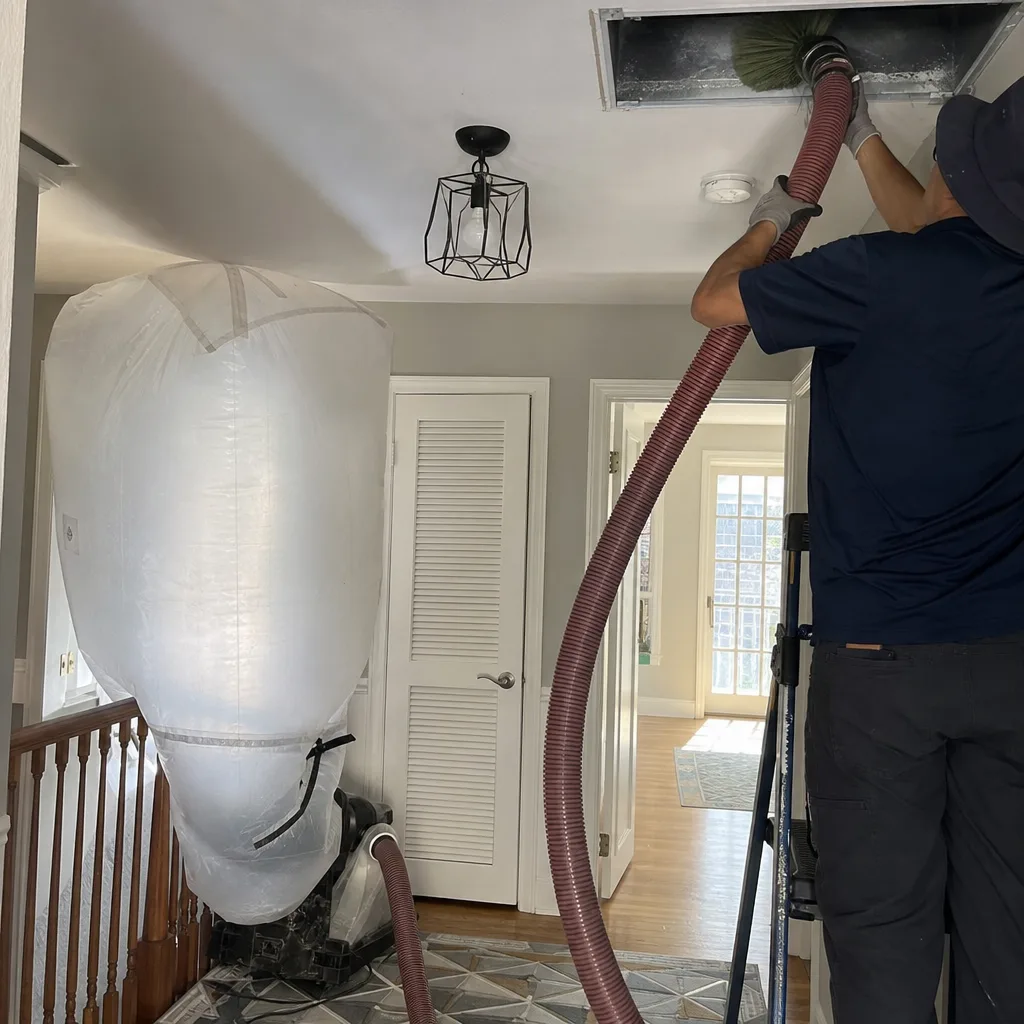
This section exists because “duct sealing” is one of the most misrepresented services in the HVAC industry. Before you commit to any price, you should know what a legitimate job looks like from start to finish.
Step 1: Camera inspection and pressure test
A technician runs a camera through each duct run and photographs what’s there. The images are time-stamped and saved as part of your job record. A pressure test follows – the system is briefly pressurized and a calibrated gauge measures how much air is escaping. This produces a number (cubic feet per minute of leakage at a standard pressure). That number is what drives the scope. You see the photos before any price is agreed to.
Step 2: Written scope and price
Haven Standard Clause 1: every job gets a written price before any work starts. The scope document identifies which runs need sealing, what method will be used (mastic, foil tape, or aerosol injection), and what the labor and material cost is. You sign off on the price. The crew doesn’t open anything until you do.
Step 3: Sealing
Accessible joints and connections are sealed with mastic sealant – a paste-based material that cures to a flexible, airtight seal – or with UL-181-rated foil tape where mastic isn’t practical. These are the materials DC code requires; standard cloth duct tape is not code-compliant and fails within a few years. For inaccessible runs, Aeroseal aerosol is injected into the pressurized system and the polymer particles adhere to and bridge any leak point from the inside.
Step 4: Post-seal verification and photo record
After sealing, the pressure test is run again. You get a before-and-after leakage figure – actual numbers, not a technician’s verbal assurance. Every sealed duct run is re-photographed. The complete photo record, including both the pre-work and post-work images, is delivered to you as part of the standard job record. That’s been standard practice at CleanRun since 2013, on every job.
FAQs – Duct Repair & Sealing Cost in Washington, DC
How much does duct sealing cost in Washington, DC?
Most duct sealing jobs in Washington, DC cost between $350 and $1,200 for mastic or tape-based sealing, depending on system size and access. Aeroseal aerosol sealing runs $1,500 to $2,500 for a whole-house application. In our experience working in DC neighborhoods from Anacostia to American University Park, the most common residential job falls in the $500-$900 range. Call (240) 363-3380 for a written estimate – the price will be on paper before anyone touches your system.
Is duct sealing worth the cost in an older DC rowhouse?
Yes, in most cases – and especially in older DC rowhouses. A system losing 20-25% of conditioned air through unsealed joints is adding meaningfully to every utility bill, and Washington’s humid summers make a leaking return duct a moisture problem as well as an efficiency problem. In homes we’ve worked on in Bloomingdale, Eckington, and Trinidad, sealing a system showing 20% leakage has produced measurable utility reductions within the first billing cycle after repair. The payback period on a $700 sealing job at DC utility rates is typically 18 to 30 months.
What’s the difference between duct repair and duct sealing?
Duct repair addresses structural failures – a disconnected flex run, a collapsed section, a crushed elbow, or a joint that has physically separated. Duct sealing addresses leakage at joints and connections that are still in place but not airtight. In practice, most jobs involve both: the camera finds a section where the flex duct has partially separated from a boot (that’s a repair), and also finds a dozen joints where the original mastic or tape has dried and cracked (that’s sealing). The written price will specify which scope applies to your system.
Do I need a permit for duct repair in Washington, DC?
For minor repairs – resealing a joint, patching a small section of flex duct – DC DCRA typically does not require a permit. For any significant duct system alteration, replacement of duct sections, or modification of the plenum, a mechanical permit is usually required. The permit fee varies but generally runs $100 to $300 for a residential mechanical permit in DC. Any contractor doing substantial duct work without pulling the required permit is putting the work outside code compliance, which affects your homeowner’s insurance and any future sale inspection. We handle permit coordination where it applies; it’s included in the written scope.
Can I seal my own ducts to save money?
You can apply mastic sealant or UL-181 foil tape to accessible joints yourself – it’s not a dangerous task for most homeowners. What you can’t do yourself is pressure-test the system before and after to know whether the sealing actually worked, or reach the inaccessible runs where most of the leakage often occurs. A $40 tube of mastic on visible joints in your basement might address 15% of your actual leakage problem. The other 85% is behind walls and above finished ceilings. For accessible minor repairs, DIY is reasonable. For a real efficiency problem, a pressure test first tells you whether DIY is the right call or whether it’s worth bringing in equipment that reaches the inaccessible runs. Call (240) 363-3380 and ask about the pressure test – it’s a low-cost first step that tells you exactly where you stand.
How do I know if my ducts need repair or sealing?
Several signals show up before you ever open the system: rooms that don’t reach the thermostat temperature, utility bills that have risen without a clear cause, visible dust accumulation around registers, or musty air in summer that suggests a return duct is pulling from an unconditioned space. In Washington, DC homes with basement mechanical rooms, a good first check is walking the visible duct runs in the basement and feeling for airflow at connections while the system is running. You shouldn’t feel any air movement at a joint – if you do, it’s leaking. For anything beyond visible basement runs, a camera inspection and pressure test is the only way to know what you’re actually dealing with. Our Duct Repair & Sealing in Washington page covers the full diagnostic process in detail.
Why the DC Market Is Different From National Pricing Guides
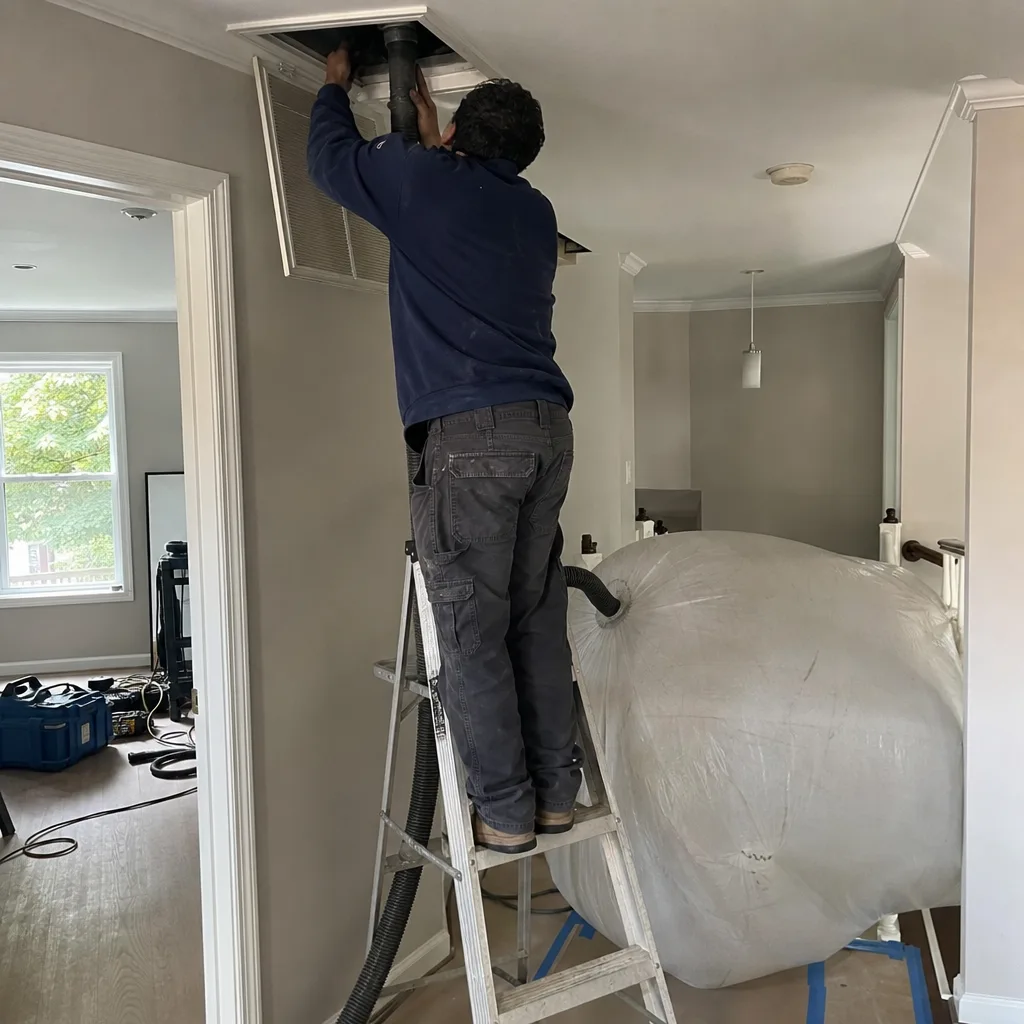
National cost guides for duct repair tend to publish ranges of $250 to $700 and call it done. Those numbers reflect averages across Sun Belt markets with newer housing stock, simpler duct systems, and lower labor costs. Washington, DC is a different situation.
DC’s labor market is one of the most expensive in the region. Skilled sheet metal work in a Ward 1 rowhouse with limited access, finished walls, and a mixed-material duct system (galvanized main trunk, flex branch runs added in the 1990s, a 2018 mini-split supplemental system) costs more than the same work in a Phoenix suburb built in 2005. That’s not a complaint – it’s just what the market reflects, and a pricing guide that doesn’t acknowledge it isn’t useful to a DC homeowner.
DC’s permitting environment also adds cost that doesn’t appear in national guides. DCRA mechanical permits, scheduling inspections, and coordinating with the city’s inspection calendar adds administrative overhead that legitimate contractors build into their pricing. If a quote comes in at the bottom of a national range with no mention of permits for work that clearly requires them, that’s worth asking about before signing anything.
Finally, DC’s climate is specific: hot, humid summers and cold enough winters to make duct efficiency a year-round concern. A system leaking conditioned air into an unconditioned attic in August isn’t just wasting money – it’s also pulling humid attic air back into the living space through return leaks, which shows up as indoor air quality and moisture problems. The repair cost needs to be weighed against both efficiency and air quality outcomes, not just the HVAC bill.
How CleanRun Prices Duct Repair & Sealing Jobs
Every CleanRun job starts with a written price. That’s Haven Standard Clause 1 – not a policy we apply when convenient, but the standard practice on every job since 2013. The written price comes after the camera inspection and pressure test, not before. The inspection tells us what’s actually there; the price reflects what that specific system needs.
The price document specifies: which duct runs are being addressed, what sealing method is being used, what materials are going in (mastic, UL-181 foil tape, or Aeroseal aerosol), what the access assumptions are, and what the 365-Day Done Right Promise covers for this specific job. You sign off on that document. Work starts after you do.
The equipment used on sealing jobs – Rotobrush inspection cameras, Nikro negative-pressure systems when cleaning is combined, Abatement Technologies filtration – is professional grade and verifiable. If you want to look up any of those brands before agreeing to a price, do it. That’s exactly the point.
Tomas Reyes leads the CleanRun operation in Washington, DC. The H.A.V.E.N. Standard that governs every job – written prices, verified crews (Haven Standard Clause 3), documented photo records, and the 365-Day Done Right Promise – is the framework Tomas built this company around when CleanRun first started serving DC homeowners in 2013. In that time, across 52,000+ homes, the written-price-before-work-starts rule has never had an exception.
If you’ve already received a quote from another contractor, the Free Second Opinion service puts CleanRun’s number next to theirs in writing. Call (240) 363-3380 and ask for it. If the other quote is fair, you’ll hear that. If it isn’t, you’ll know exactly where the difference is and why.
Key Takeaways
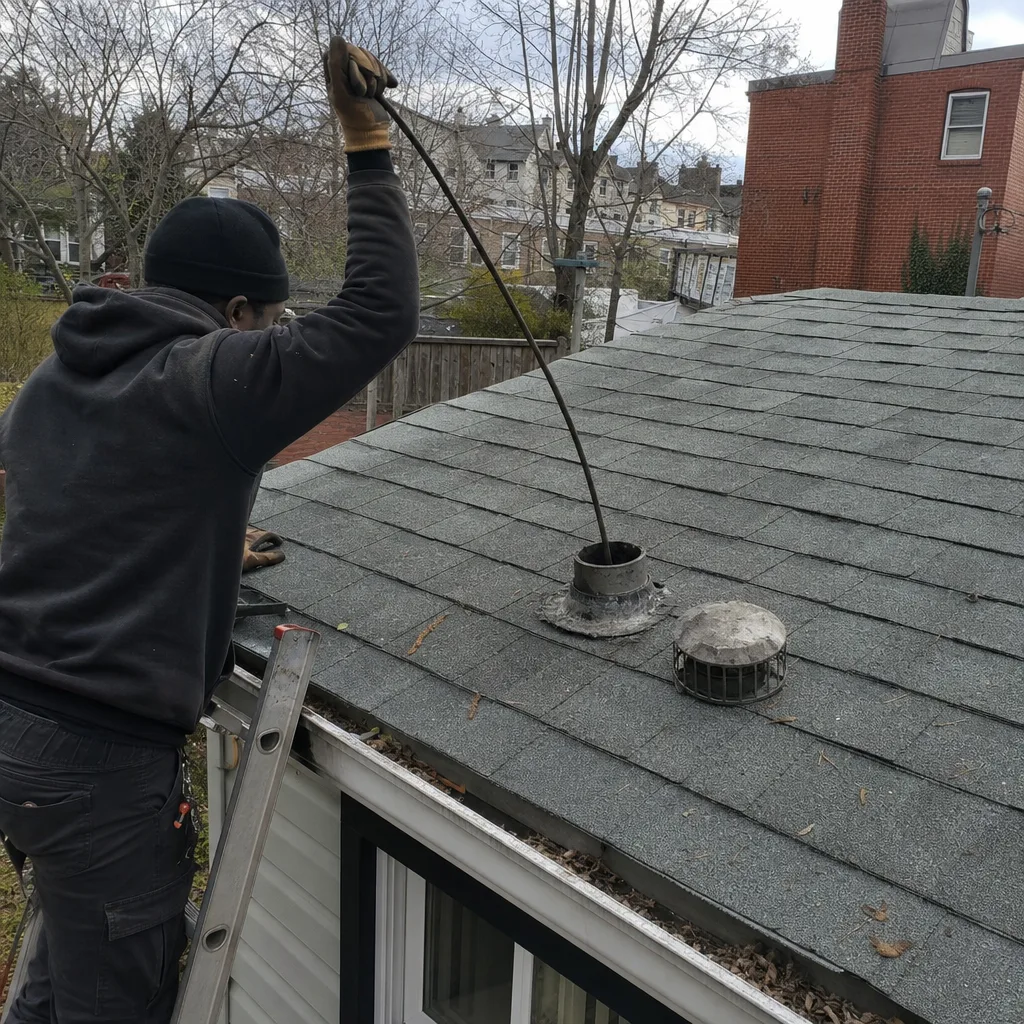
- Duct repair and sealing in Washington, DC costs $350 to $1,200 for most residential jobs; Aeroseal runs $1,500 to $2,500.
- DC’s older housing stock – especially rowhouses in Capitol Hill, Shaw, Bloomingdale, and Columbia Heights – typically pushes jobs toward the higher end of each range.
- A pressure test ($150-$300) should come before any sealing quote; it tells you how much leakage you have and where it is.
- DC DCRA mechanical permits are required for substantial duct modifications; ask any contractor whether permits are included in their scope.
- Mastic sealant and UL-181 foil tape are the code-compliant materials for accessible joints; Aeroseal aerosol injection is the standard method for inaccessible runs.
- Combining duct repair with air duct cleaning in one visit reduces total cost and produces a single photo record covering both scopes.
- Every CleanRun job in Washington, DC comes with a written price before work starts, a documented photo record of every run, and the 365-Day Done Right Promise – in writing.
- CleanRun’s Free Second Opinion puts our written price next to any competitor’s quote at no cost to you – call (240) 363-3380.
For more on what duct repair and sealing involves in the DC market, visit the home page for a full overview of CleanRun’s services and the H.A.V.E.N. Standard that backs every job.
Ready for a written price? Call CleanRun at (240) 363-3380. A live person answers every call, any time of day. The written estimate is free, the camera inspection tells you what you’re actually dealing with, and the price is on paper before a single panel comes off your system.
Pricing reflects the Washington, DC market as of 2026. CleanRun Air Duct Cleaning Washington offers free estimates – call (240) 363-3380.
Written by Tomas Reyes, Owner at CleanRun Air Duct Cleaning Washington, serving Washington, DC since 2013.
What Our Customers Say
"Flat price agreed up front, no per-vent add-ons at the end. That was the whole reason I did not call the coupon company."
- Suzanne B."My allergies genuinely improved. They also told me the ducts did not need sealing, which I had been quoted for elsewhere."
- Petra K."The before and after photographs of each run are the reason I used them. You cannot argue with what came out of the return."
- Marguerite O.