
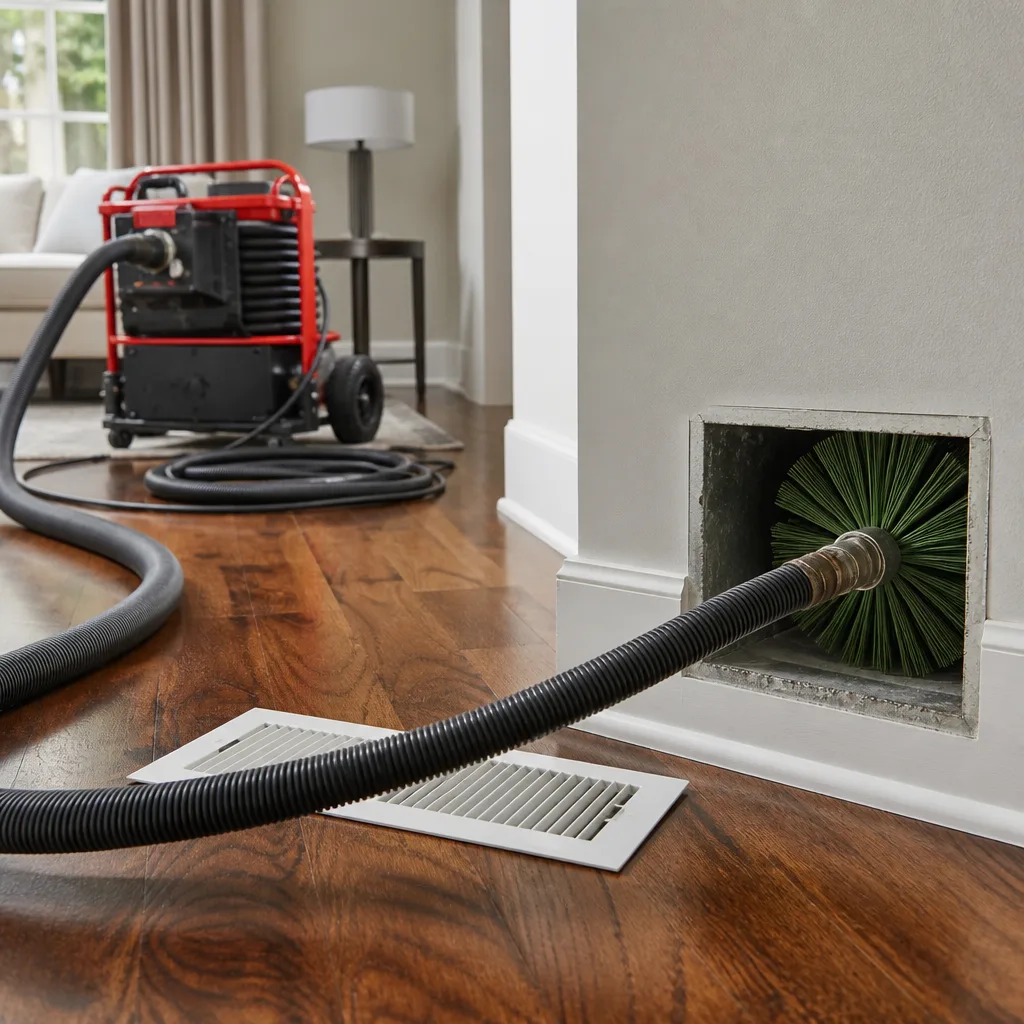
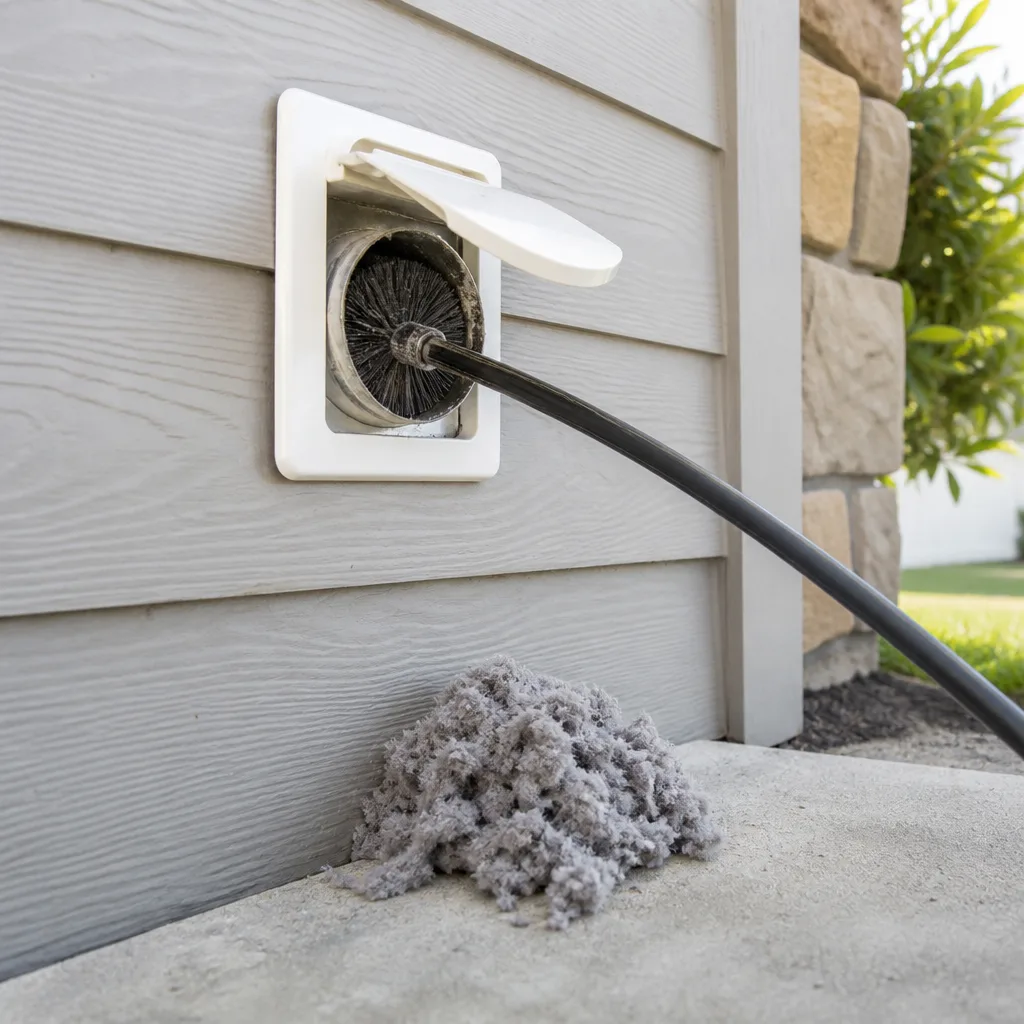
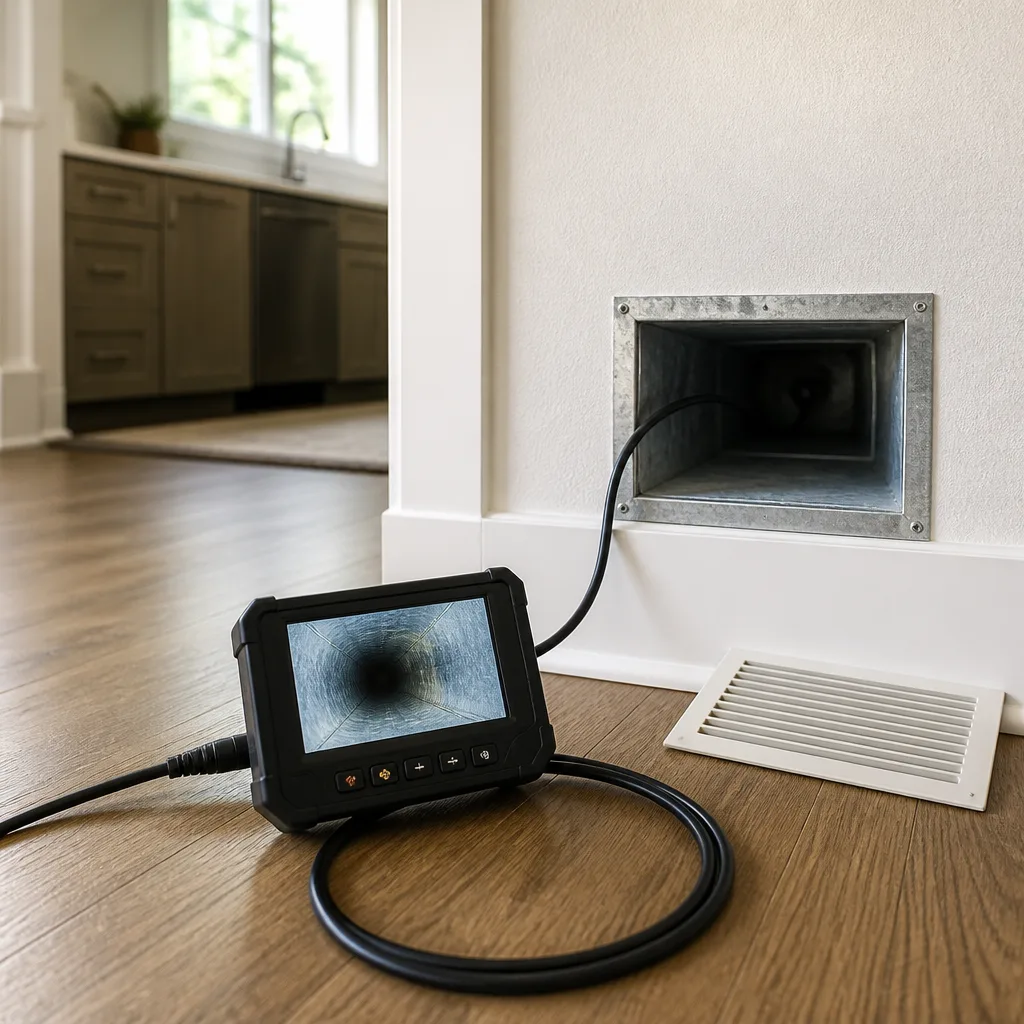
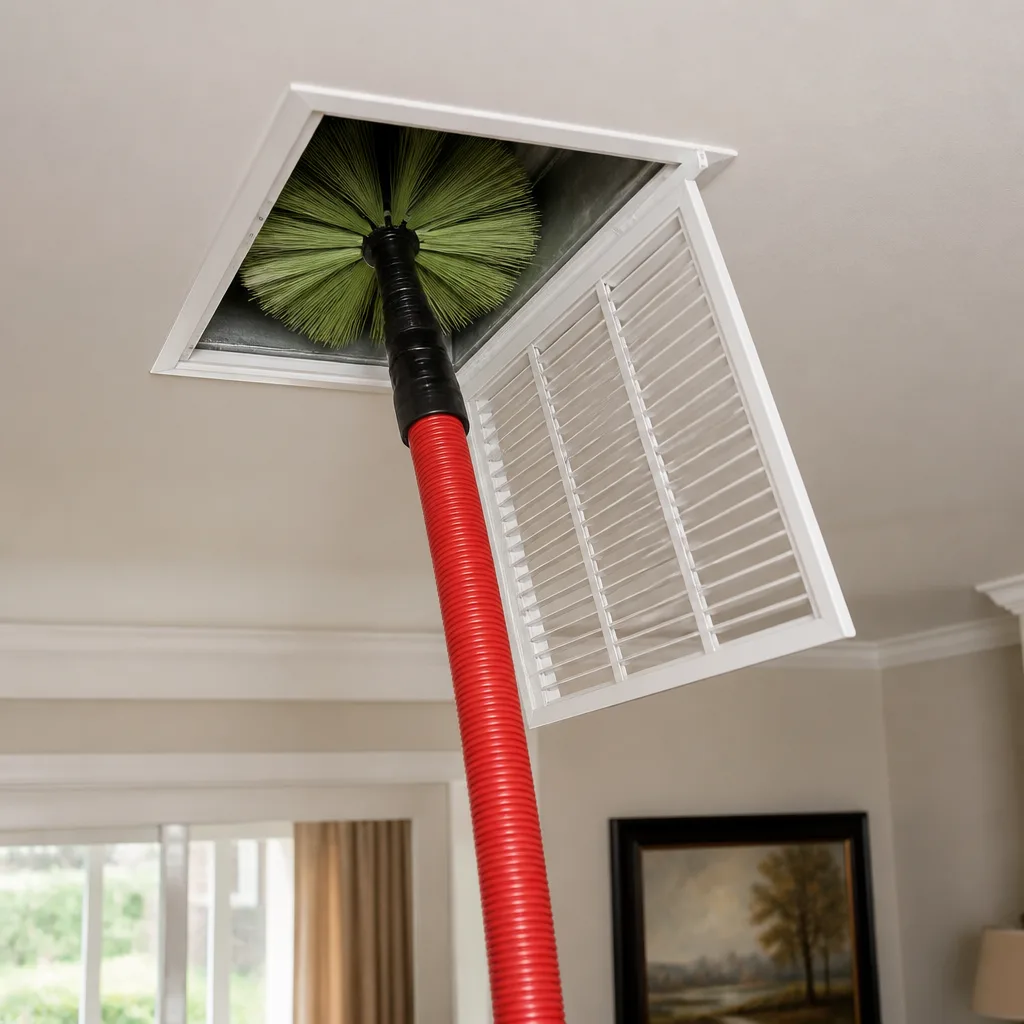
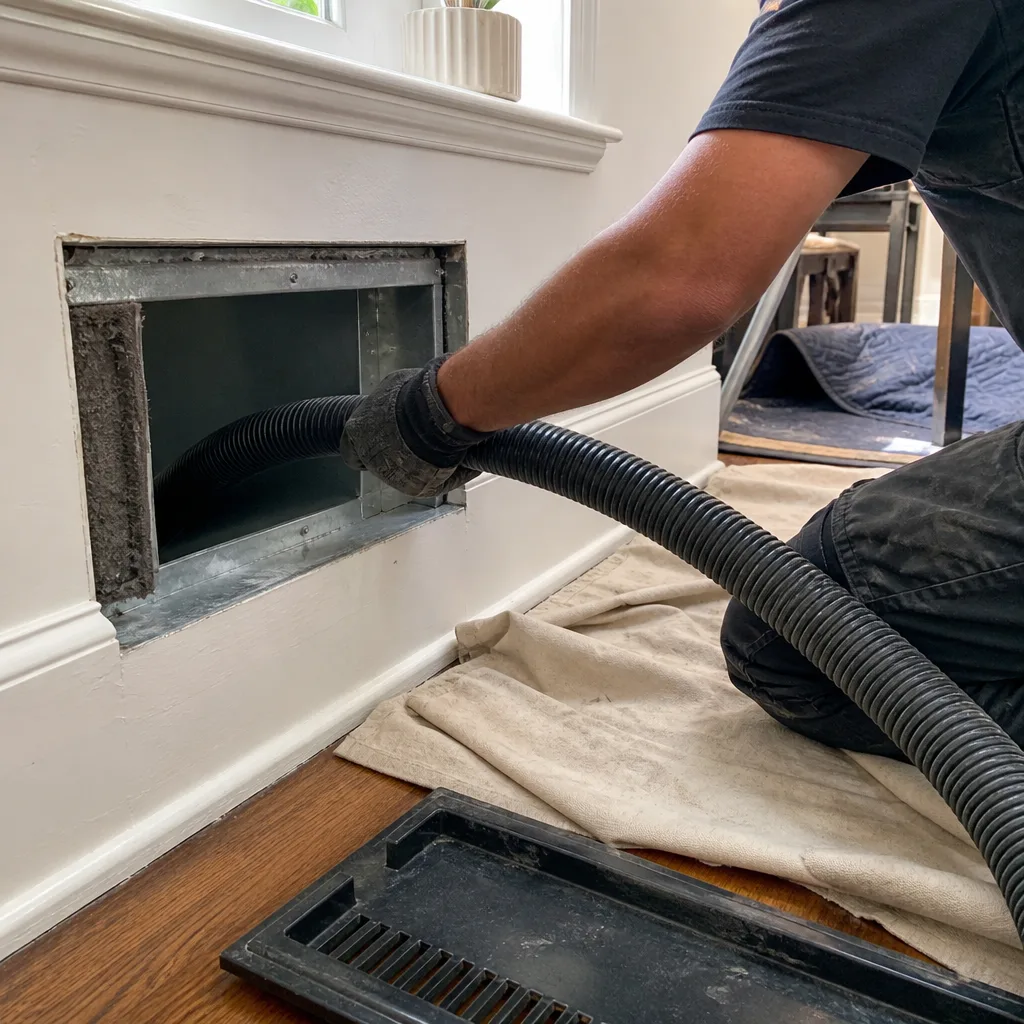
Whole-system duct and dryer vent check with before-and-after photos - you see exactly what came out of your vents
That "$99 whole-house special" is a bait ad - the real number appears once they are in your hallway, or the "clean" is a shop-vac at the register. We photograph the inside of your ducts before and after instead.
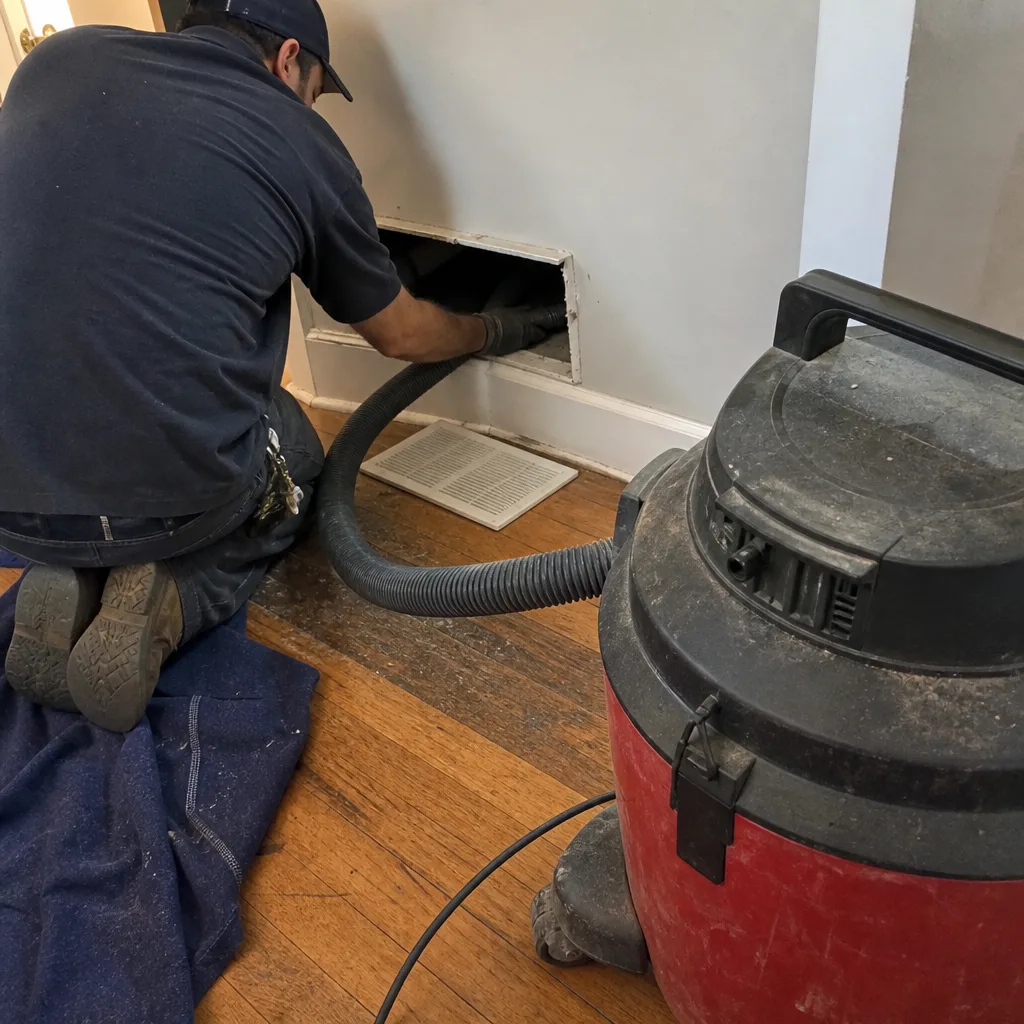 Before
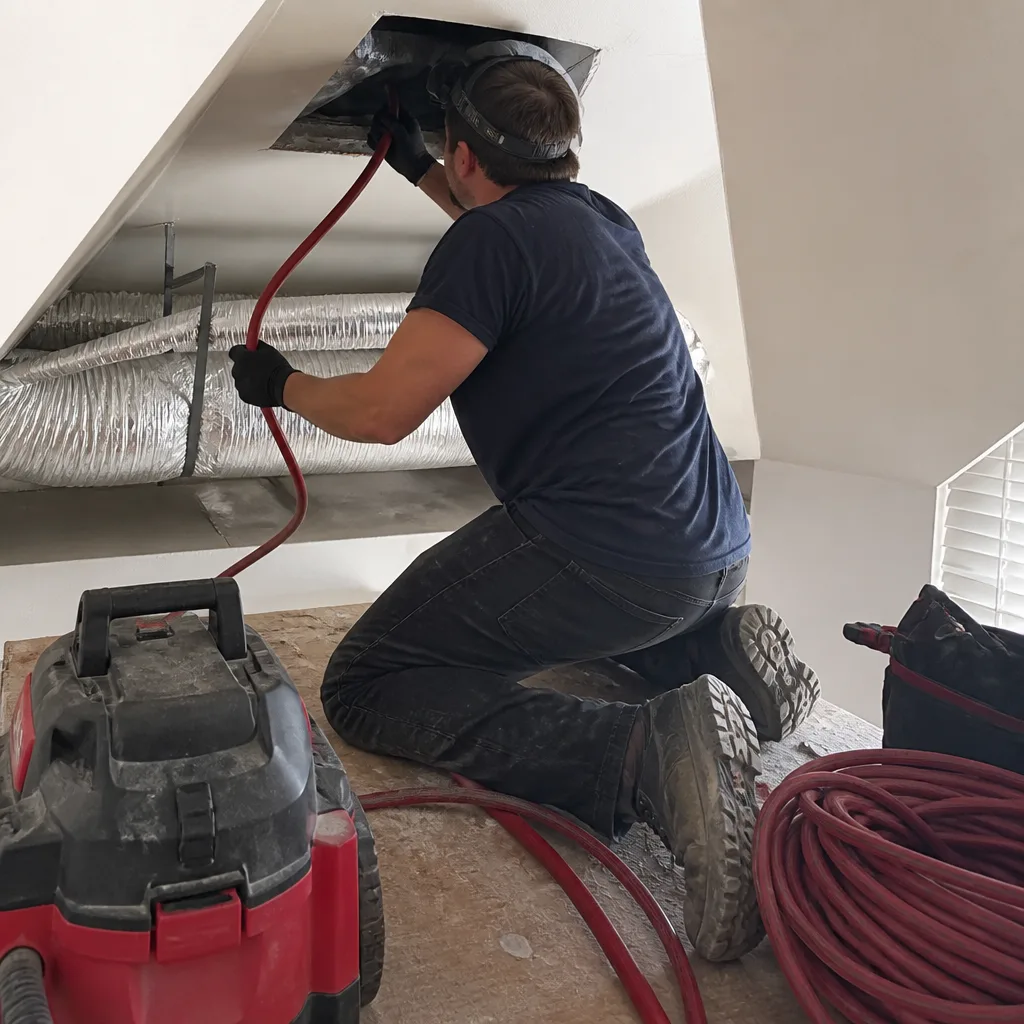 After
After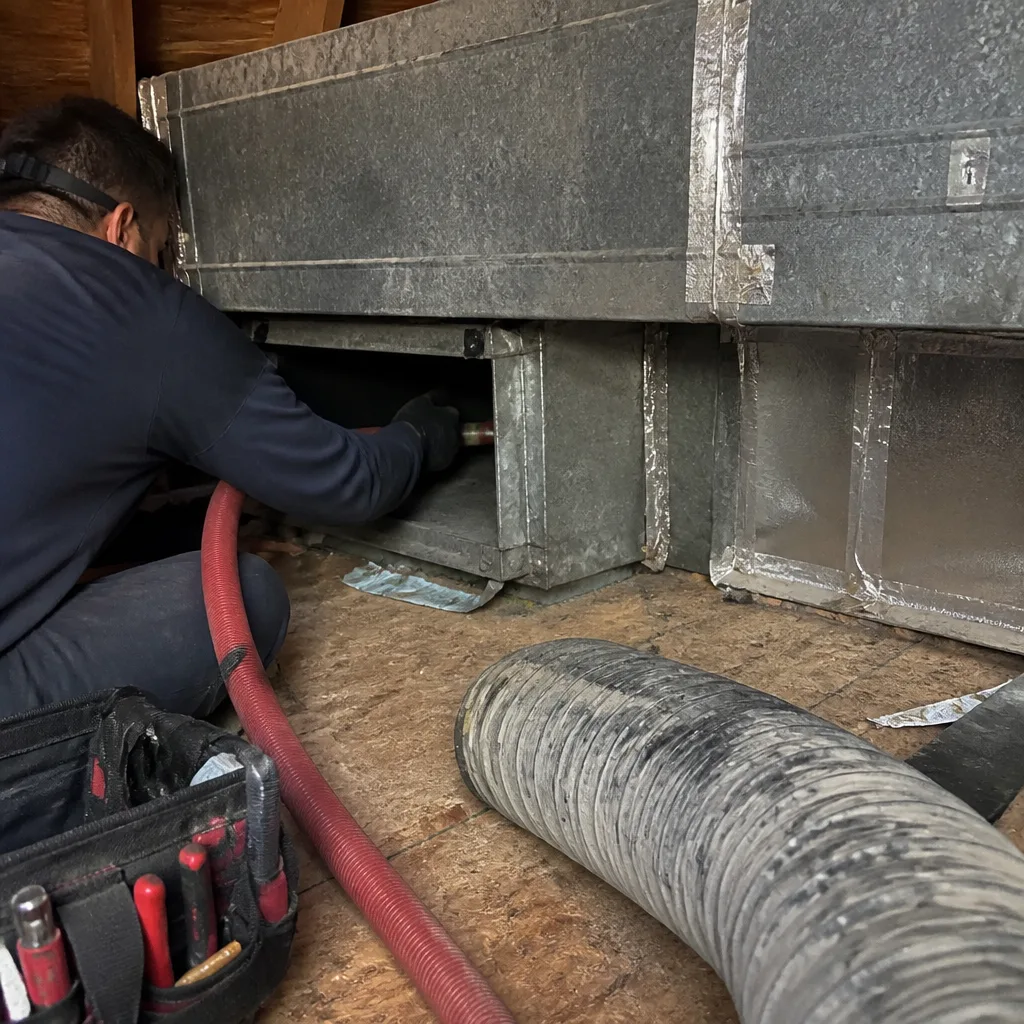 Before
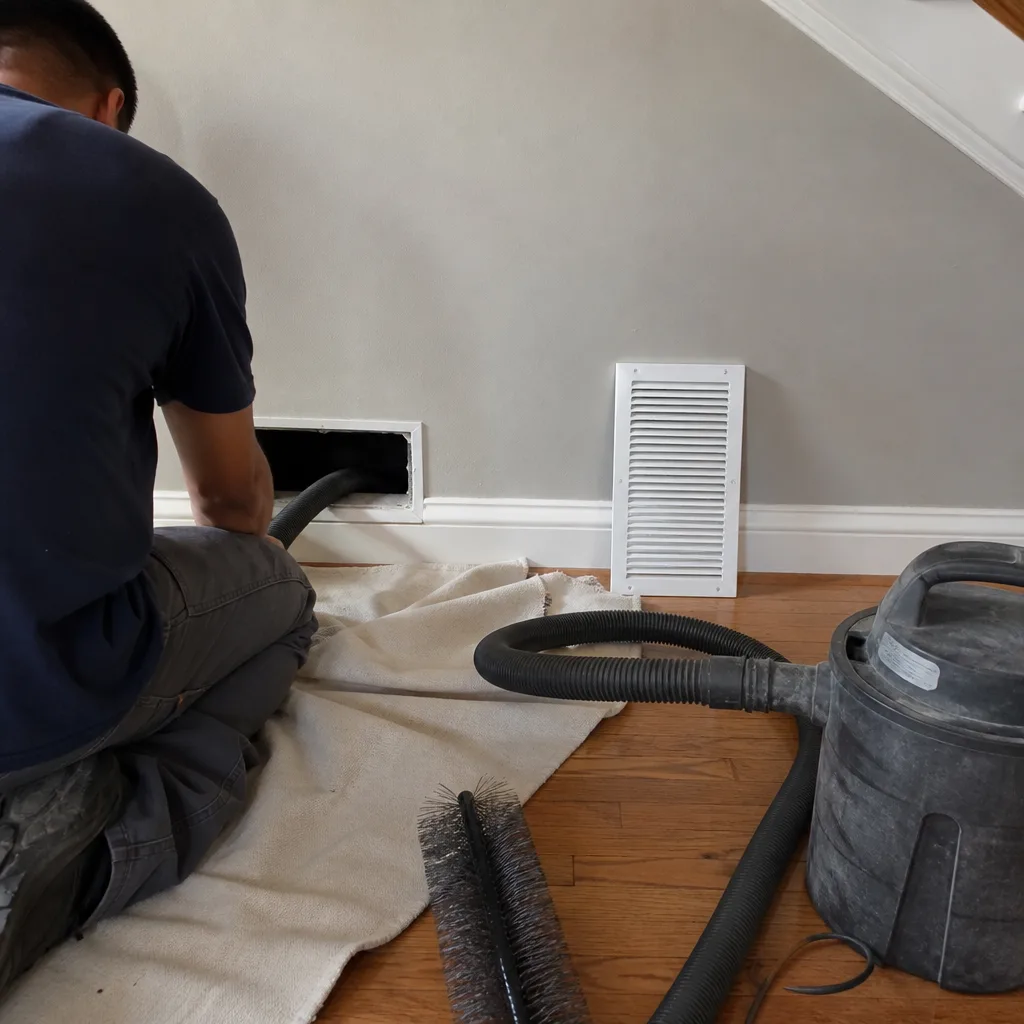 After
After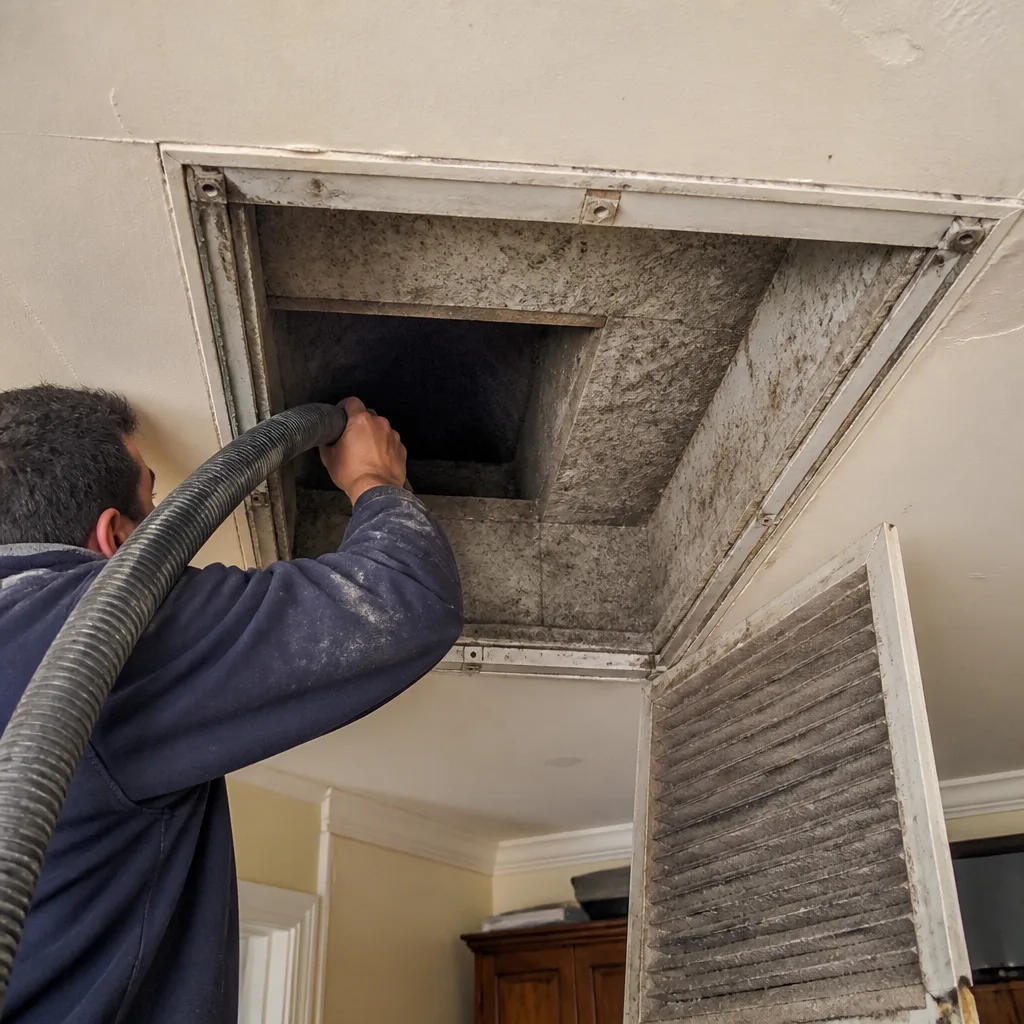 Before
 After
AfterNikro Vent Sanitizing: The Washington Owner’s Guide
We stock and install Nikro-compatible vent sanitizing equipment for residential duct systems in Washington, with typical installed pricing between $340 and $580 per system depending on access complexity and whether your plenum (the main distribution box) needs modification. Most replacements are completed in a single scheduled visit, and we carry the common Nikro UV-C and ozone-compatible sanitizing modules on our trucks for Washington-area jobs. Washington homeowners usually discover the issue after a standard duct cleaning leaves persistent musty odors, or when their HVAC contractor’s camera shows microbial growth downstream of where the old sanitizing unit used to function.
Which Nikro Models This Applies To
Nikro’s vent sanitizing line breaks into two series that matter for Washington homes: the UV2000 modular series and the older OZ500 ozone-generation units, both designed to mount downstream of the air handler in residential plenums. The UV2000 uses a 16-inch quartz sleeve with a 254-nanometer lamp rated for 9,000 hours; the OZ500 runs a corona-discharge cell with a 12,000-hour service interval. Model numbers are stamped on a metal tag at the housing base, not on the lamp itself, which is the mistake most owners make when calling for parts.
We stock OEM Nikro replacement lamps and sleeves, plus Abatement Technologies aftermarket equivalents that match the UV2000’s 16-inch sleeve length and G13 bi-pin base. The aftermarket units run about 15% less, but the sleeve glass thickness varies by manufacturer, and we’ve found that thinner-walled sleeves crack more often in Washington’s winter heating cycles when metal plenums expand and contract. For the OZ500, we recommend OEM cells only; the corona-plate spacing is proprietary, and off-brand cells we’ve tested produce inconsistent ozone output that can trip the unit’s safety cutoff.
CleanRun Air Duct Cleaning Washington is an independent service provider with no affiliation to Nikro Industries.
Signs Your Nikro Vent Sanitizing Is Failing
- The lamp glows faint blue or flickers. UV-C lamps lose output gradually; at 70% of rated intensity, they no longer produce enough germicidal energy to sanitize passing air. The quartz sleeve may look intact while the mercury vapor inside has degraded from repeated heating cycles.
- Musty odors return within two weeks of duct cleaning. When the sanitizing module fails, microbial colonies reestablish downstream of the unit faster than in properly treated systems. We document this with our camera during post-cleaning inspections in Capitol Hill rowhouses where old gravity-fed returns create stagnant zones.
- The ozone indicator light stays dark on OZ500 units. Corona-discharge cells accumulate oxidation residue on their ceramic plates; once the gap between plates widens beyond 0.3 millimeters, the arc cannot sustain. This is normal wear, but it means the unit is passing untreated air.
- Higher-than-expected energy draw from the HVAC blower. A cracked quartz sleeve allows moisture into the lamp housing, which can short the ballast and cause the blower motor to work harder against restricted airflow. We see this in Dupont Circle condos where humid summer intake air meets overcooling.
- The unit’s age exceeds 8 years without lamp replacement. Even unused UV-C lamps degrade from shelf time; in Washington’s variable humidity, the bi-pin connectors corrode, creating resistance that burns out the ballast. We check pin condition before quoting lamp-only versus full-housing replacement.
BeforeAfterReplacement Cost & What’s Included
| Service | Price Range | What’s Included |
|---|---|---|
| UV2000 lamp and sleeve replacement | $340 - $450 | OEM or Abatement Technologies lamp, new quartz sleeve, ballast test, plenum access labor, photo documentation |
| OZ500 corona cell replacement | $420 - $580 | OEM cell, plate spacing verification, ozone output test, housing seal inspection, photo documentation |
| Full unit replacement (either series) | $580 - $780 | New housing, mounting hardware, electrical connection, integration with existing ductwork, full photo record |
Pricing varies with plenum access, which in Washington’s older housing stock often means working around asbestos-wrapped original ducts or navigating 18-inch crawl spaces in Capitol Hill basements. Haven Standard Clause 1 applies: we deliver a written price before any work starts, and that price covers the complete job, not a per-component add-on. Every replacement carries our 365-Day Done Right Promise in writing, and the photo record shows you the old part, the installed part, and the operating test.
DIY or Call Us?
What you can safely check: confirm the unit has power at the junction box, verify the model tag is legible, and note whether the indicator light responds when the HVAC blower cycles on. What goes wrong with DIY: UV-C lamps operate at high voltage and the quartz sleeve is fragile; improper handling leaves invisible stress fractures that fail within weeks. More critically, ozone-generating units require post-installation output verification with a calibrated meter, something no homeowner has on hand.
We carry Nikro-compatible modules on our Washington trucks, and we document every step. Call (240) 363-3380 for a written estimate before we schedule the visit.
FAQs
UV-C lamps typically deliver effective output for 9,000 hours of runtime, which translates to 3-4 years in Washington’s climate where heating and cooling seasons run long. Ozone cells last 12,000 hours under normal conditions, though Washington’s summer humidity accelerates plate oxidation in unconditioned mechanical rooms. Call (240) 363-3380 and we’ll check your runtime hours against the manufacture date to give you an exact replacement timeline.
Lamp and cell replacements are repairs; housing replacement is only needed when the ballast fails or the mounting flange cracks. We diagnose which category applies during our initial inspection, and we show you the photo evidence before quoting. Call (240) 363-3380 for a free second opinion if another company has already recommended full replacement.
Most lamp or cell replacements run 90 minutes to two hours, including testing and photo documentation. Full housing replacements in tight Washington plenums can stretch to three hours if we need to fabricate a transition piece for an older duct connection. We quote the time estimate in writing alongside the price.
We carry UV2000 lamps and sleeves, OZ500 corona cells, and common ballast assemblies on every Washington-area truck. For discontinued models or unusual voltage configurations, we source overnight and schedule the install once the part is in hand. We don’t charge for the return trip.
Written by Tomas Reyes, Owner & Lead Technician, CleanRun Air Duct Cleaning Washington at CleanRun Air Duct Cleaning Washington, serving Washington and nearby areas.