
Whole-system duct and dryer vent check with before-and-after photos - you see exactly what came out of your vents
That "$99 whole-house special" is a bait ad - the real number appears once they are in your hallway, or the "clean" is a shop-vac at the register. We photograph the inside of your ducts before and after instead.
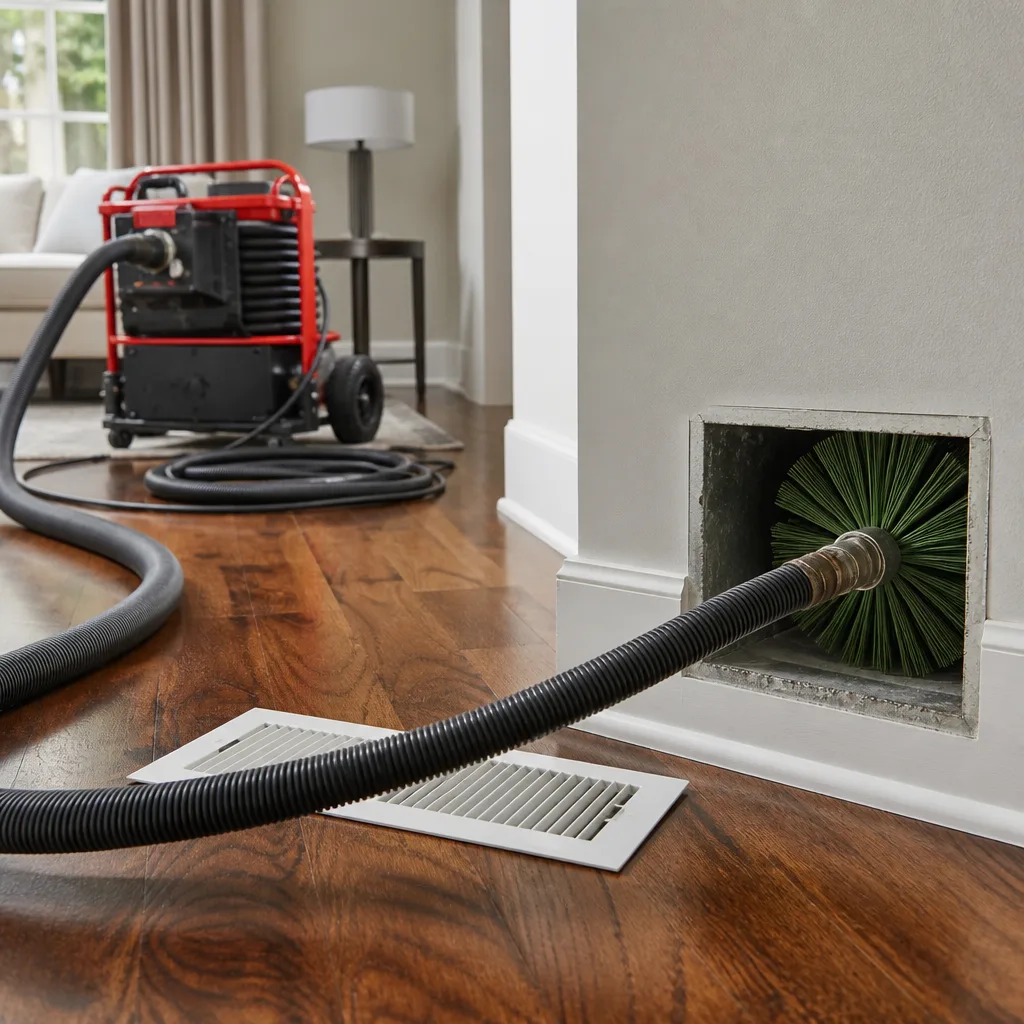
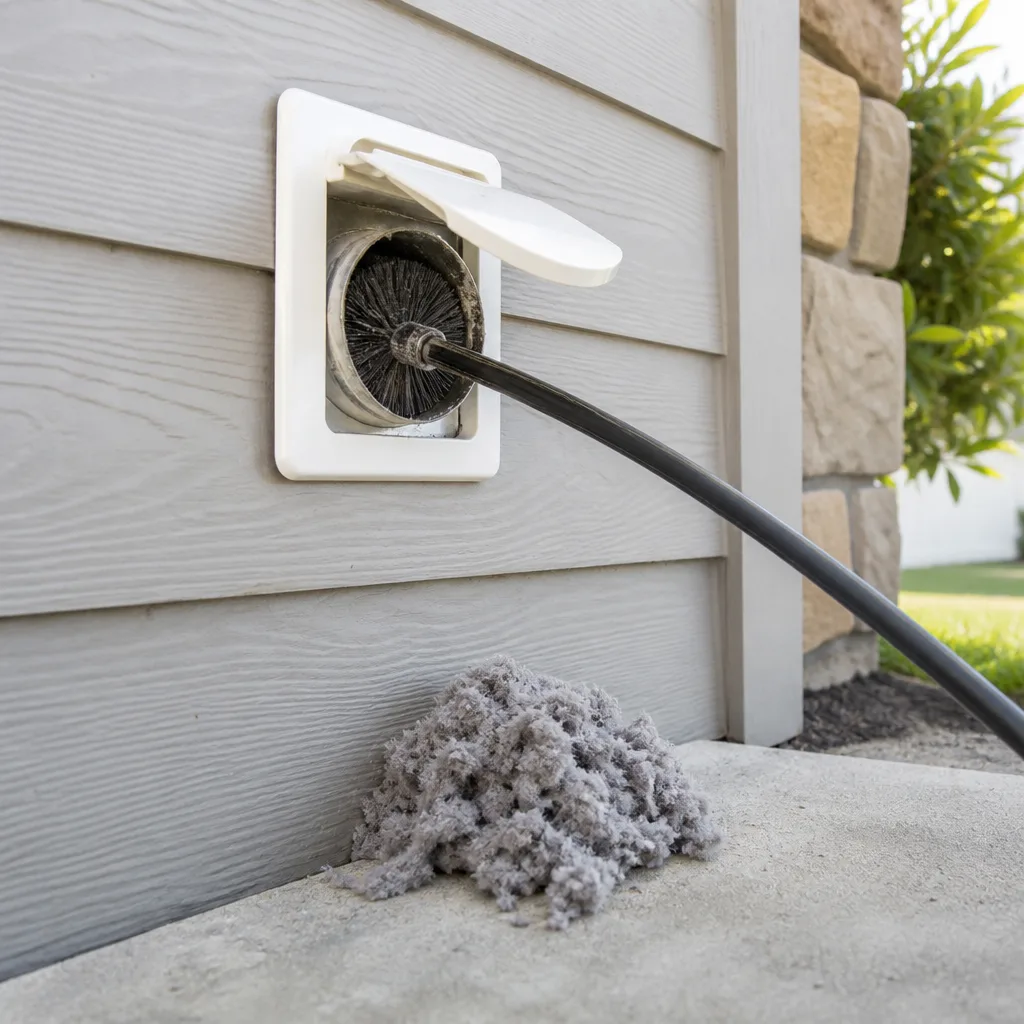
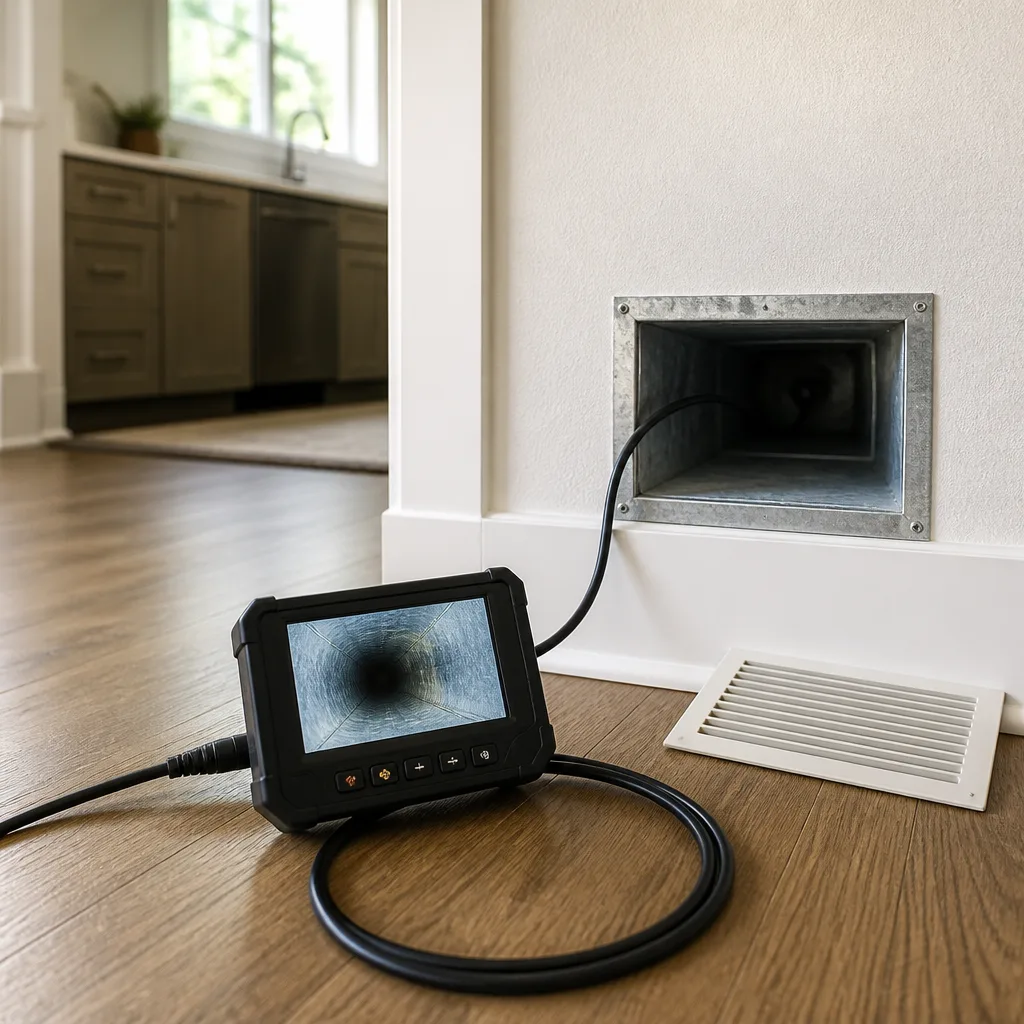
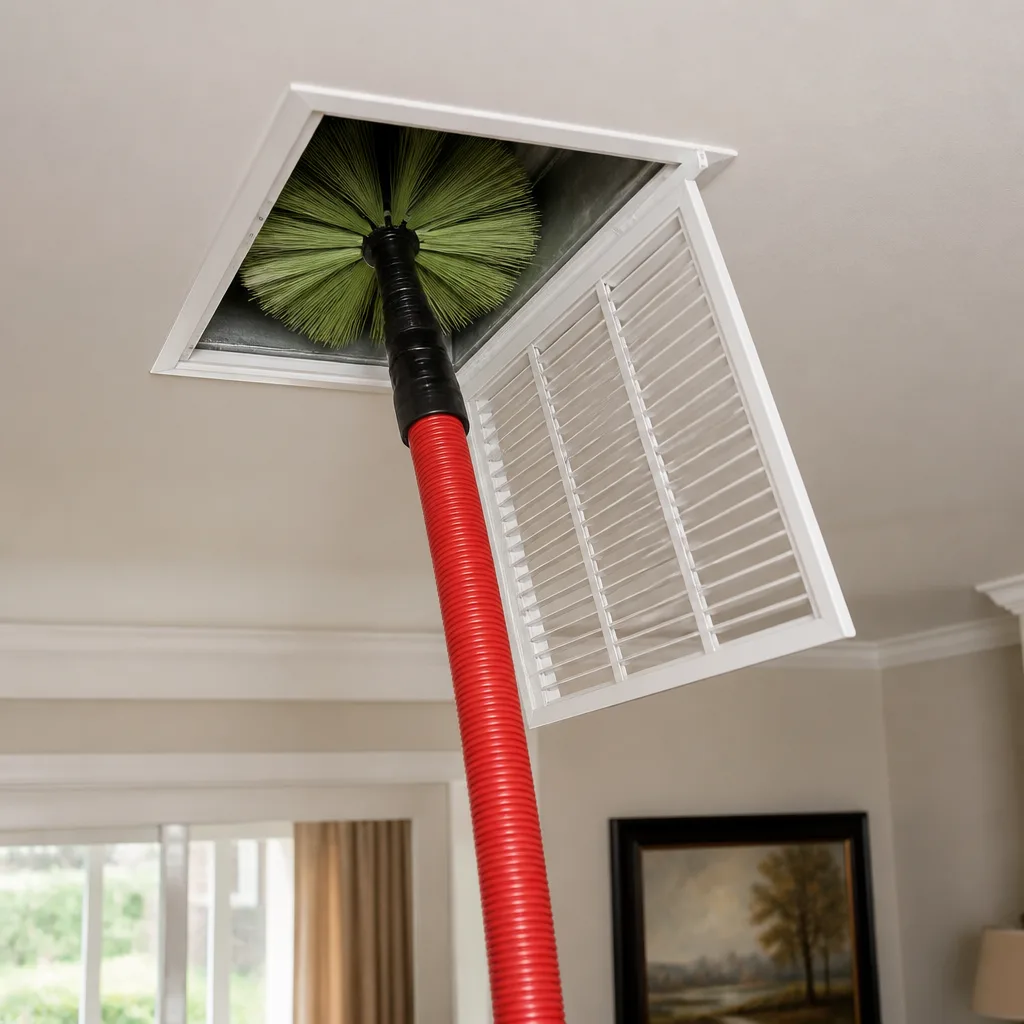
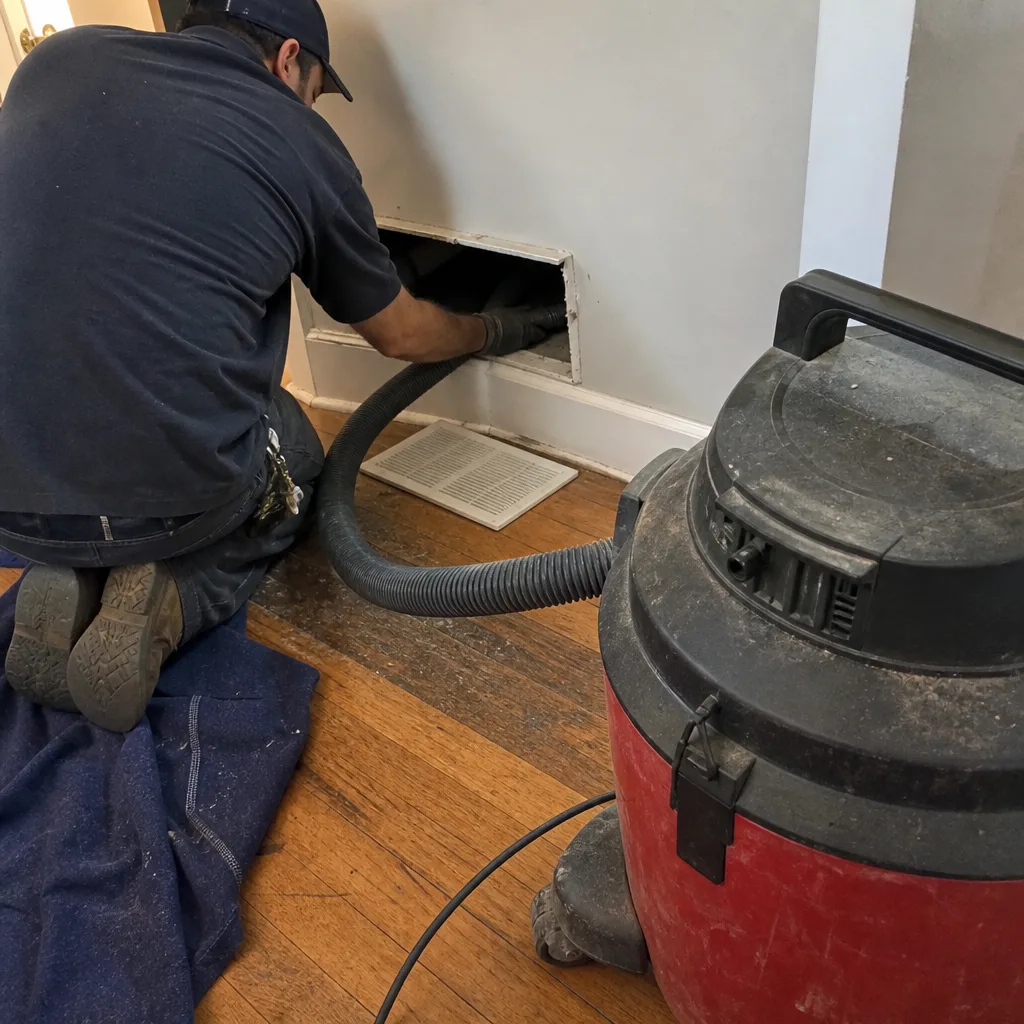 Before
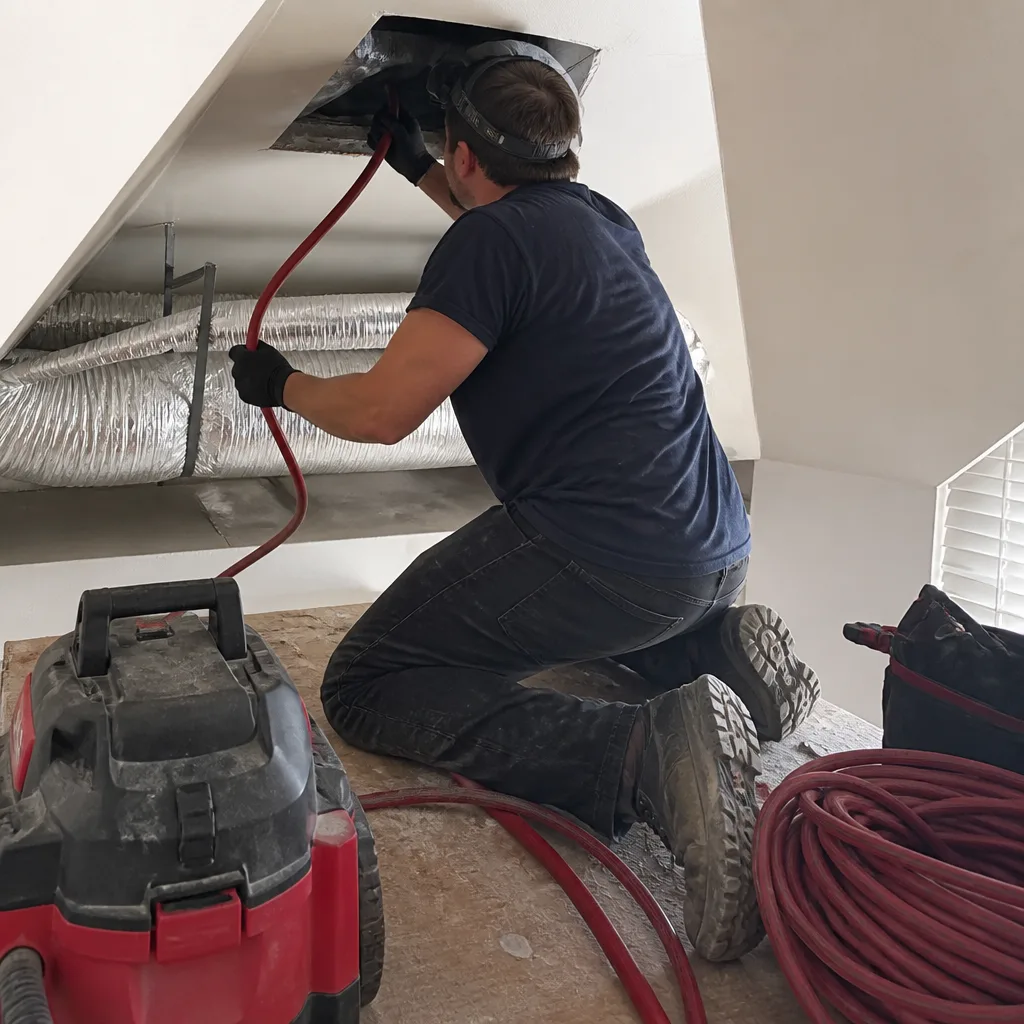 After
After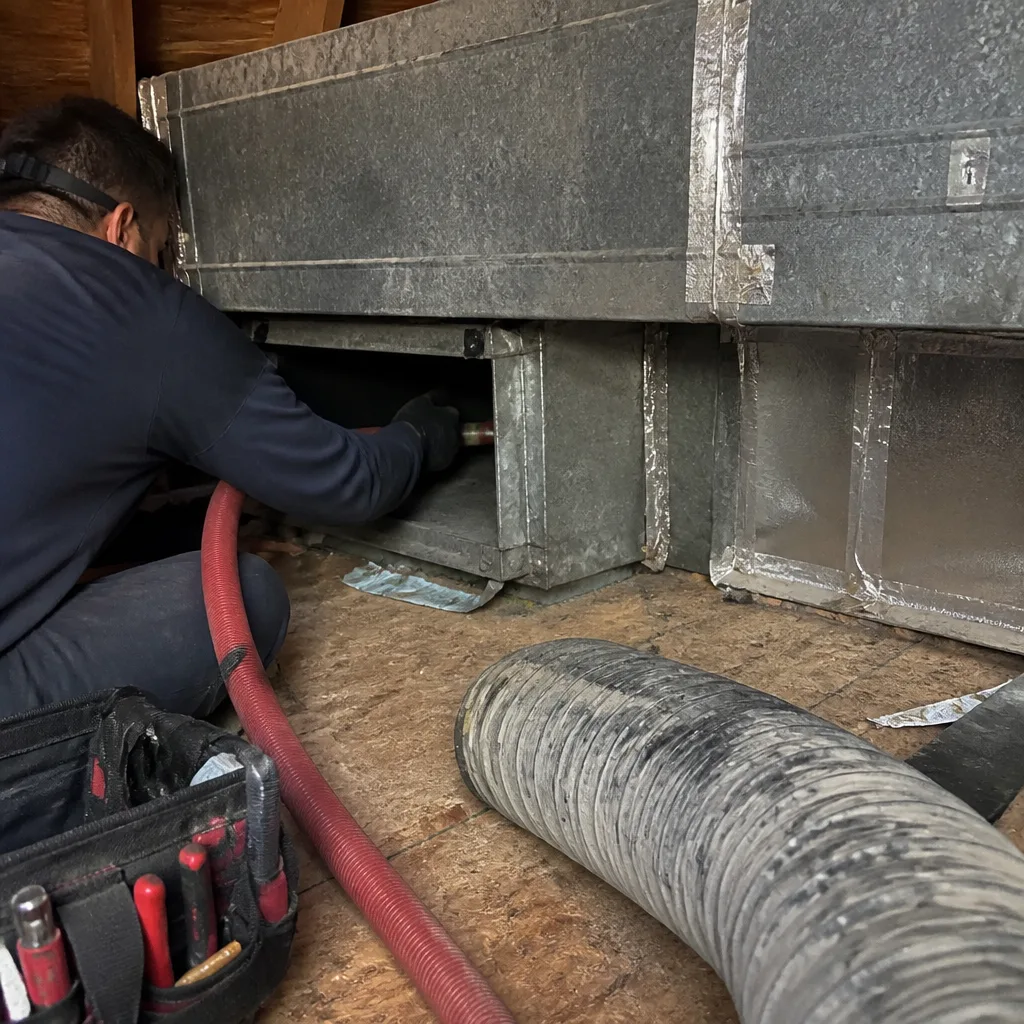 Before
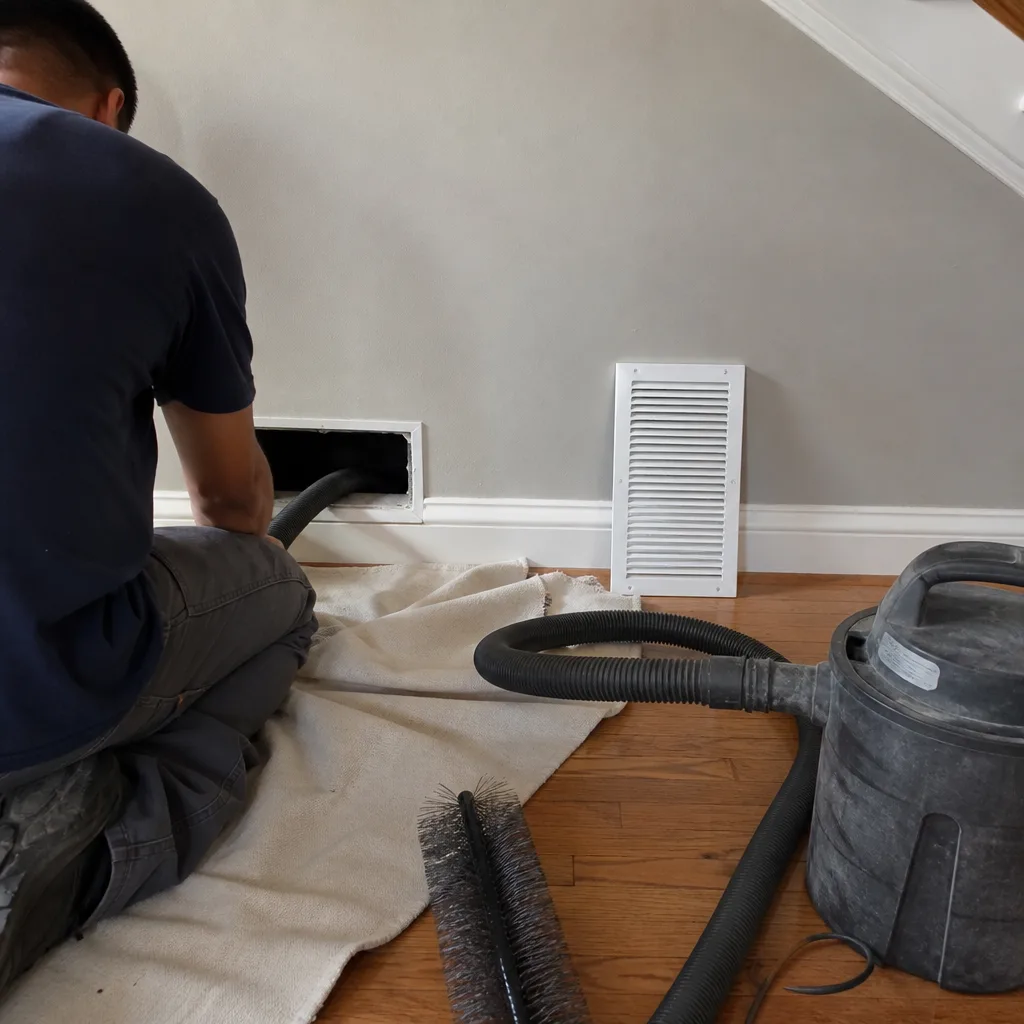 After
After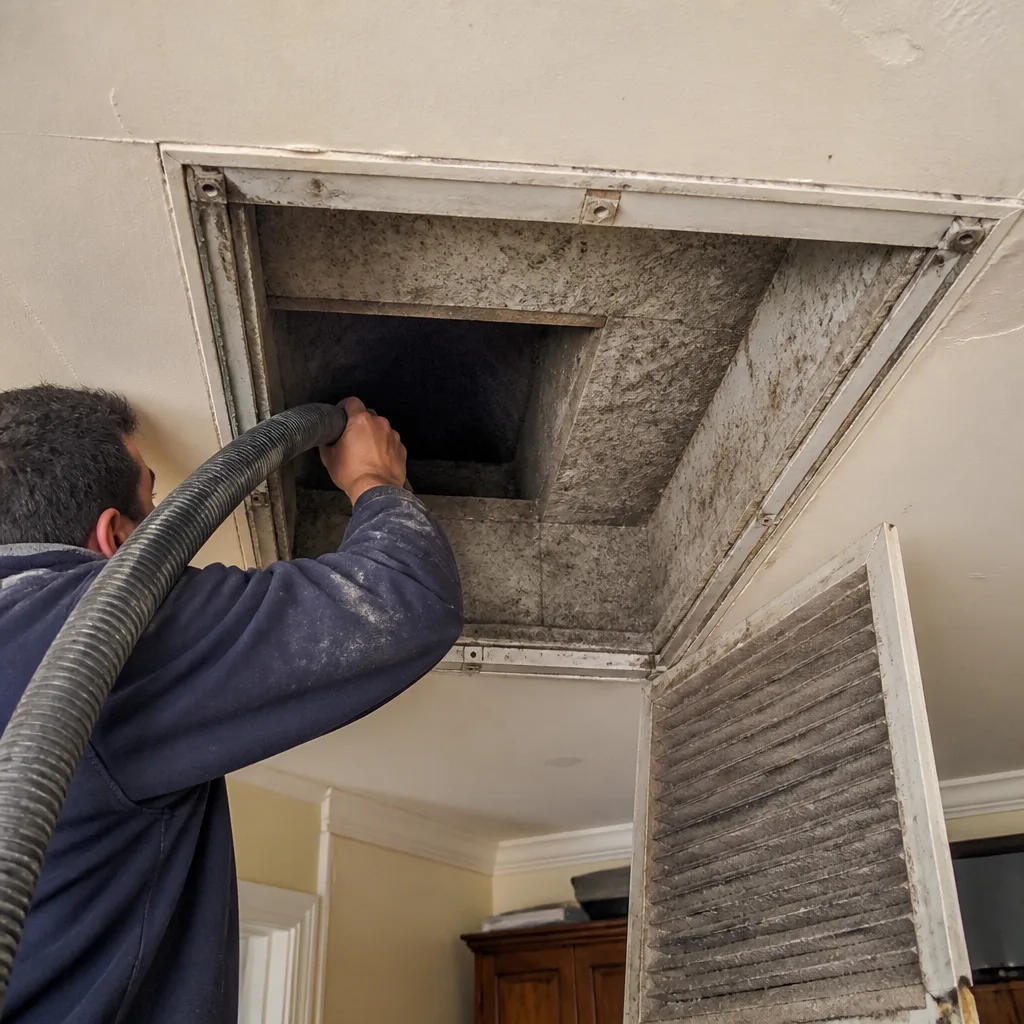 Before
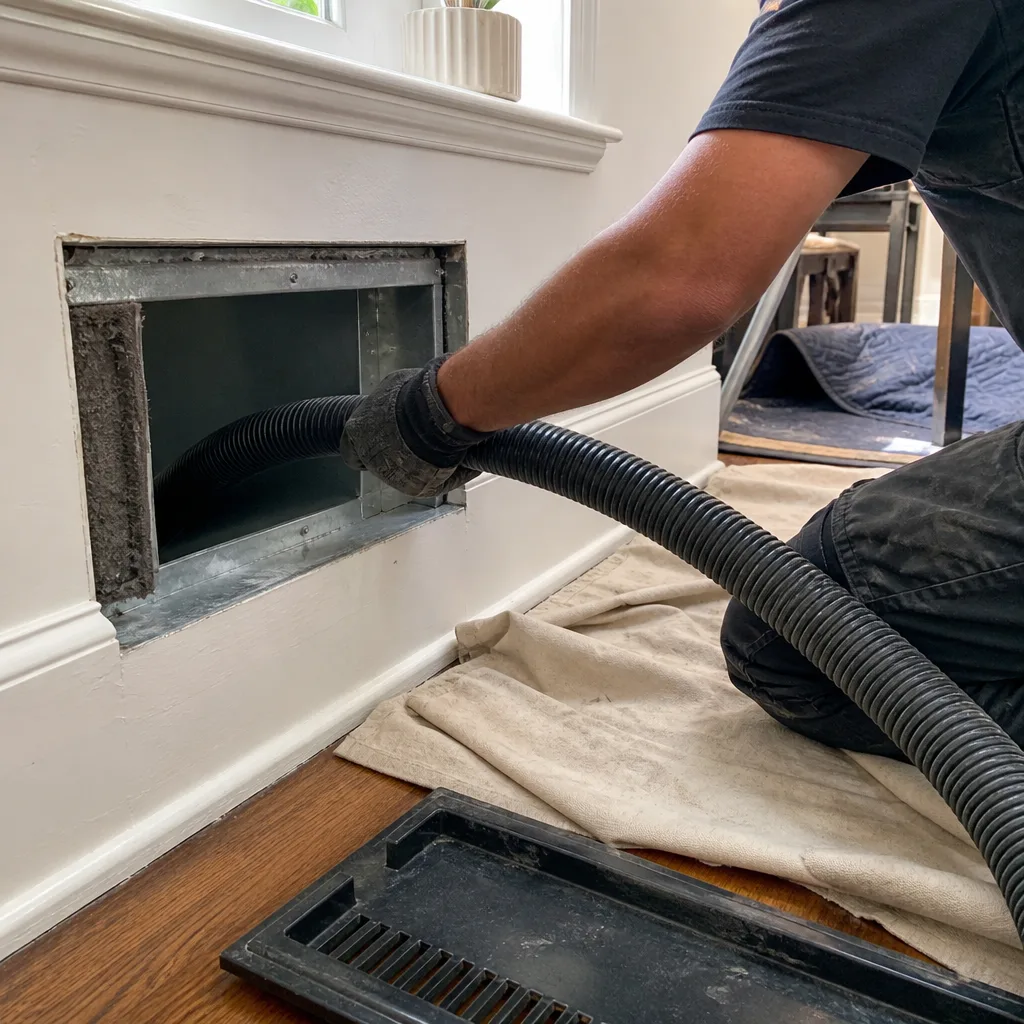 After
AfterHoneywell HVAC Cleaning in Washington: What to Know First
CleanRun Duct Repair & Cleaning provides independent Honeywell HVAC cleaning in Washington, DC, with written pricing delivered before any work begins and a documented photo record of every component we touch. Most Honeywell air handler and coil cleaning jobs in the District run $340-$680 for a complete system service, depending on accessibility and contamination level. We’re not affiliated with or authorized by Honeywell, but we’ve cleaned and serviced their equipment in Washington homes since 2013, from the compact multipoise units common in Capitol Hill rowhouses to the horizontal air handlers tucked into Navy Yard condo utility closets. Call (240) 363-3380 for a free estimate with a written price, or bring us a competitor’s written quote for a free second opinion under Haven Standard Clause 1.
How Honeywell Products Fail - and How We Fix Them
- Evaporator coil freeze-up on Performance series heat pumps. We see this repeatedly in Washington’s humid shoulder seasons, when the TXV (thermostatic expansion valve, the refrigerant metering device) begins sticking due to oil degradation mixed with coil surface biofilm. The coil doesn’t just need cleaning - it needs the right foaming cleaner that won’t degrade the factory-applied epoxy coating Honeywell uses on these coils. We photograph the coil condition, clean with manufacturer-compatible chemistry, and document the post-cleaning temperature split.
- Blower wheel imbalance in Prestige IAQ air handlers. The forward-curved blower wheel on these units collects debris unevenly because of the variable-speed ECM motor’s low-RPM operating range. The result is a vibration that telegraphs through the cabinet and into the ductwork. We remove the wheel, clean it in a contained wash station rather than spraying solvent inside the cabinet, and balance-check before reassembly. The photo record shows the wheel before cleaning, after cleaning, and the vibration meter reading.
- Secondary drain pan corrosion in horizontal attic installations. Honeywell’s galvanized pans in the F100 and F200 media air cleaner series, when paired with downstream evaporator coils in humid attic spaces common in upper Northwest and Chevy Chase, develop pinhole leaks at the pan seams. We clean the pan, treat the affected area, and document whether the pan can be salvaged or needs replacement - OEM versus quality aftermarket - with the customer deciding before any part is ordered.
- Condenser coil fin deterioration on T6 Pro-controlled outdoor units. Washington’s winter road salt and summer pollen create a conductive film that accelerates galvanic corrosion at the copper-aluminum fin joints. We use low-pressure foaming cleaner followed by fin combing, never high-pressure washing that folds the already-thin fins on these units. The before-and-after photo shows fin density restoration, not just surface brightness.
- Heat exchanger soot staining on older Honeywell-compatible furnaces. In the 1980s-era systems still running in parts of Petworth and Brookland, the induced-draft blower can pull combustion byproducts back through a cracked or rusted heat exchanger when the evaporator coil upstream is restricted. We inspect with a borescope, clean only if the exchanger passes visual inspection, and document the finding. If it’s cracked, we stop and show the customer the image - no cleaning proceeds on a failed heat exchanger.
Our Honeywell HVAC Cleaning Process
- 1
System identification and written scope. We record the model and serial number, verify warranty status through Honeywell’s public lookup tool, and deliver a written price before touching a panel. Haven Standard Clause 1: written price before work starts, no exceptions.
- 2
Diagnostic photography. The technician photographs every accessible component - coil, blower, drain pan, heat exchanger if applicable - and shows the customer the images before describing what needs to happen. Show the before photo first. Everything else follows from that.
- 3
Component-specific cleaning protocol. We select cleaning chemistry and pressure based on the component material and age, not a one-size-fits-all truck-mounted sprayer. Honeywell’s coated coils get coated-coil cleaner; bare aluminum gets a different formulation.
- 4
OEM versus quality aftermarket parts decision. If a part needs replacement - drain pan, blower wheel, filter rack - we present both options with price and warranty difference, documented in writing. The customer chooses before ordering.
- 5
Post-cleaning test and photo record delivery. We run the system through a complete heating or cooling cycle, measure temperature split and static pressure, photograph the cleaned components, and deliver the complete photo record to the customer as a standard job deliverable.
- 6
365-Day Done Right Promise activation. The written guarantee goes into the job file, not just the marketing folder. If the work isn’t right, we make it right.
BeforeAfterWhat Honeywell HVAC Cleaning Costs in Washington
| Service | Typical Range | What Moves the Price |
|---|---|---|
| Evaporator coil cleaning (single system) | $280-$420 | Coil accessibility, contamination level, coating condition |
| Blower wheel and housing cleaning | $180-$320 | Wheel removal required, motor type (PSC vs ECM) |
| Complete air handler service (coil + blower + pan + cabinet) | $480-$680 | System size, horizontal vs vertical configuration, photo documentation scope |
| Condenser coil cleaning (outdoor unit) | $160-$280 | Fine density, corrosion severity, fin repair needed |
| Heat exchanger inspection and cleaning (where accessible) | $220-$380 | Borescope access, soot level, crack determination |
These are whole-system prices, not per-vent or per-register add-ons that balloon at the door. The price we write is the price you pay. For an exact quote on your specific Honeywell system, call (240) 363-3380 - estimates are free, and we put the number in writing while we’re there.
Why Washington Homeowners Call CleanRun Air Duct Cleaning Washington for Honeywell Work
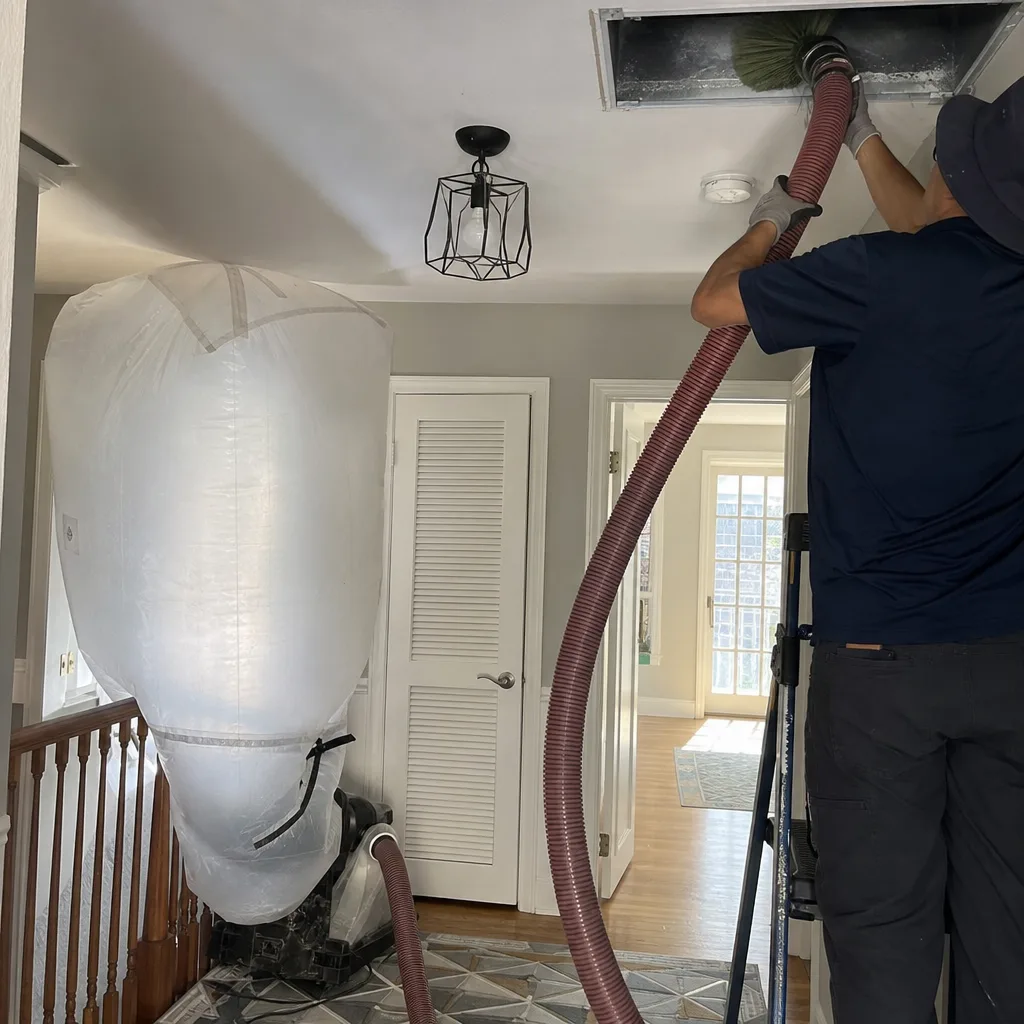
We’ve cleaned Honeywell equipment in Washington since 2013, and we’ve learned the city’s housing stock - the gravity-fed return systems in pre-war buildings near Dupont Circle, the undersized flex runs in 2000s-era condos off U Street, the converted attic spaces in Takoma where horizontal air handlers fight summer heat. Our technicians are background-checked and uniformed under Haven Standard Clause 3: Verified Crews, and they arrive with name identification. The equipment we bring includes Rotobrush, Nikro, Abatement Technologies, Honeywell, Aprilaire, and Guardsman - brands you can look up and verify. We also service Lennox, Trane, and Carrier systems, which matters in Washington’s mixed-brand condo buildings where one mechanical room can hold three manufacturers. Every job ends with a documented photo record and the 365-Day Done Right Promise in writing, not as a verbal afterthought.
FAQs
No. Routine maintenance and cleaning by an independent service provider does not void Honeywell’s product warranty, provided the work does not damage components or use incompatible materials. We document our cleaning chemistry and methods in your job record so warranty claims, if needed later, have supporting evidence. For questions about your specific warranty status, call (240) 363-3380 and we’ll verify it together.
For most consumable and wear components - drain pans, blower wheels, filter racks - quality aftermarket parts meet or exceed OEM specifications at lower cost, and we stock several lines. For electronic controls and proprietary sensors, OEM is usually the safer path. We present both options with price and warranty differences in writing before ordering anything. The decision is yours after seeing the numbers.
You receive a documented photo record of every component we touched, before and after, as a standard deliverable on every visit. We also measure and record system performance data - temperature split, static pressure, amperage draws where applicable - so you have numbers, not just our word. If something doesn’t look right in the photo record, the 365-Day Done Right Promise applies. Call (240) 363-3380 with any concern.
Most Washington homes benefit from evaporator coil and blower cleaning every three to five years, but the interval compresses in certain conditions: homes near Rock Creek Park with heavy tree pollen, properties with pets, or systems that run continuously through humid summers. We don’t sell maintenance plans with arbitrary schedules - we show you the coil condition and let the photograph dictate the timeline. For a current assessment of your system, call for a free estimate.
We stop and recommend replacement when the component’s structural integrity is compromised - heat exchanger cracks, blower wheel corrosion at the hub, coil fin deterioration exceeding 40% surface area. We show you the image, explain the failure mode, and deliver a written replacement quote under Haven Standard Clause 1. No cleaning proceeds on a component that poses a safety or reliability risk. For a second opinion on any replacement recommendation you’ve received elsewhere, bring us the written estimate - our second opinion is free.
Written by Tomas Reyes, Owner & Lead Technician, CleanRun Air Duct Cleaning Washington at CleanRun Air Duct Cleaning Washington, serving Washington and nearby areas.