
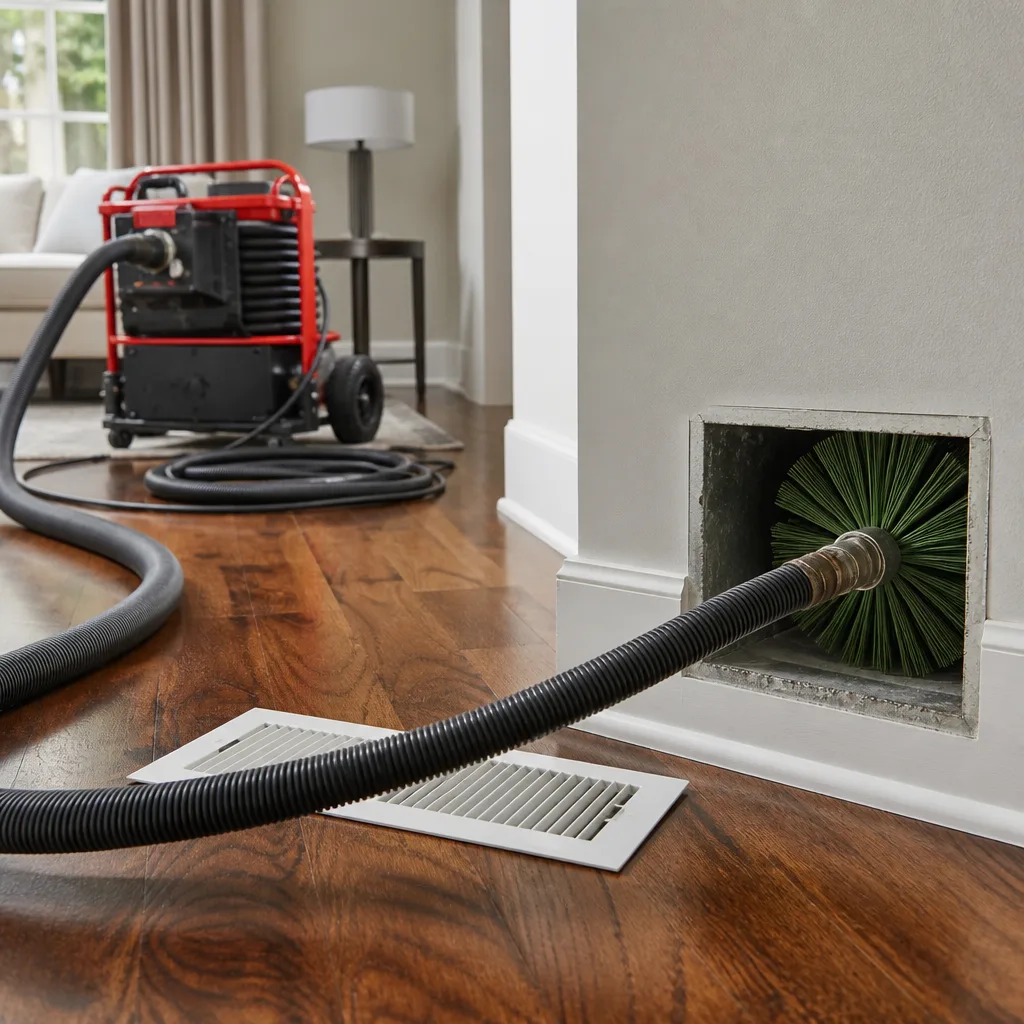
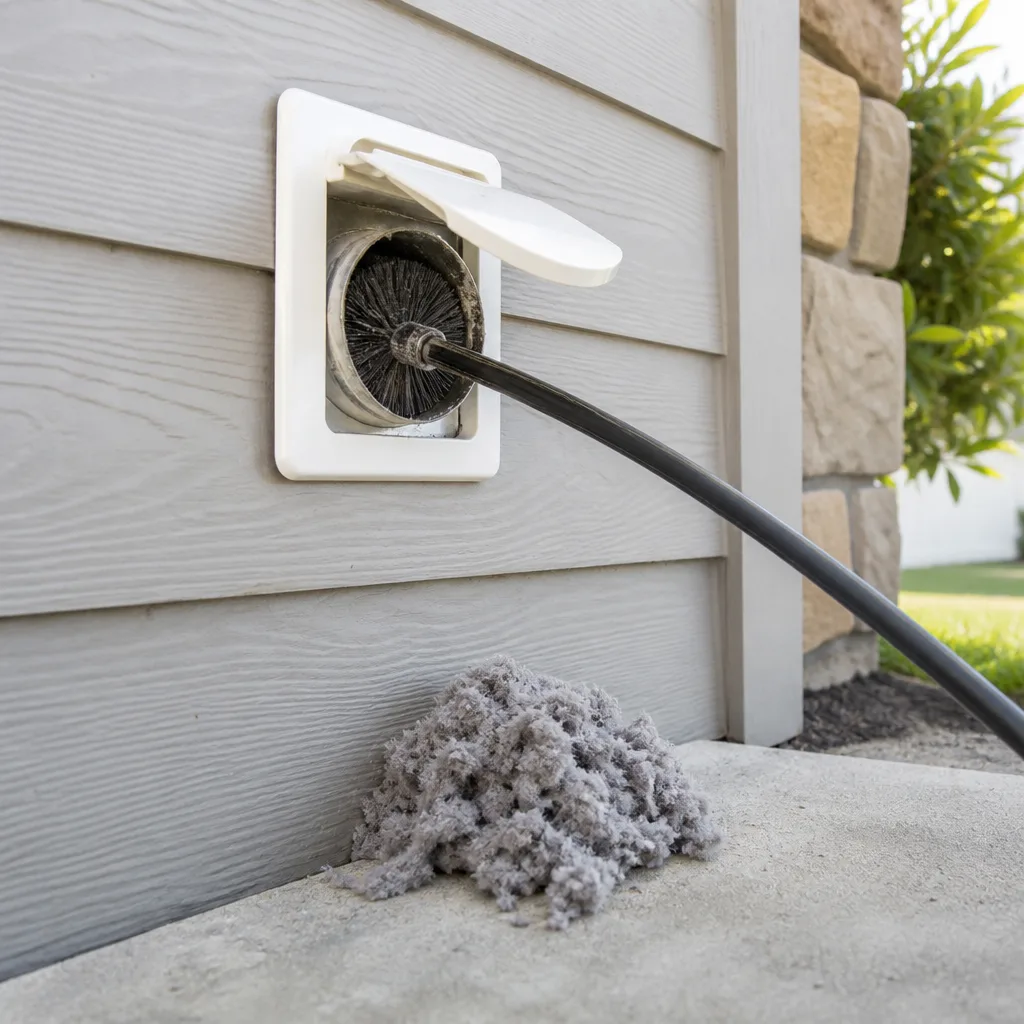
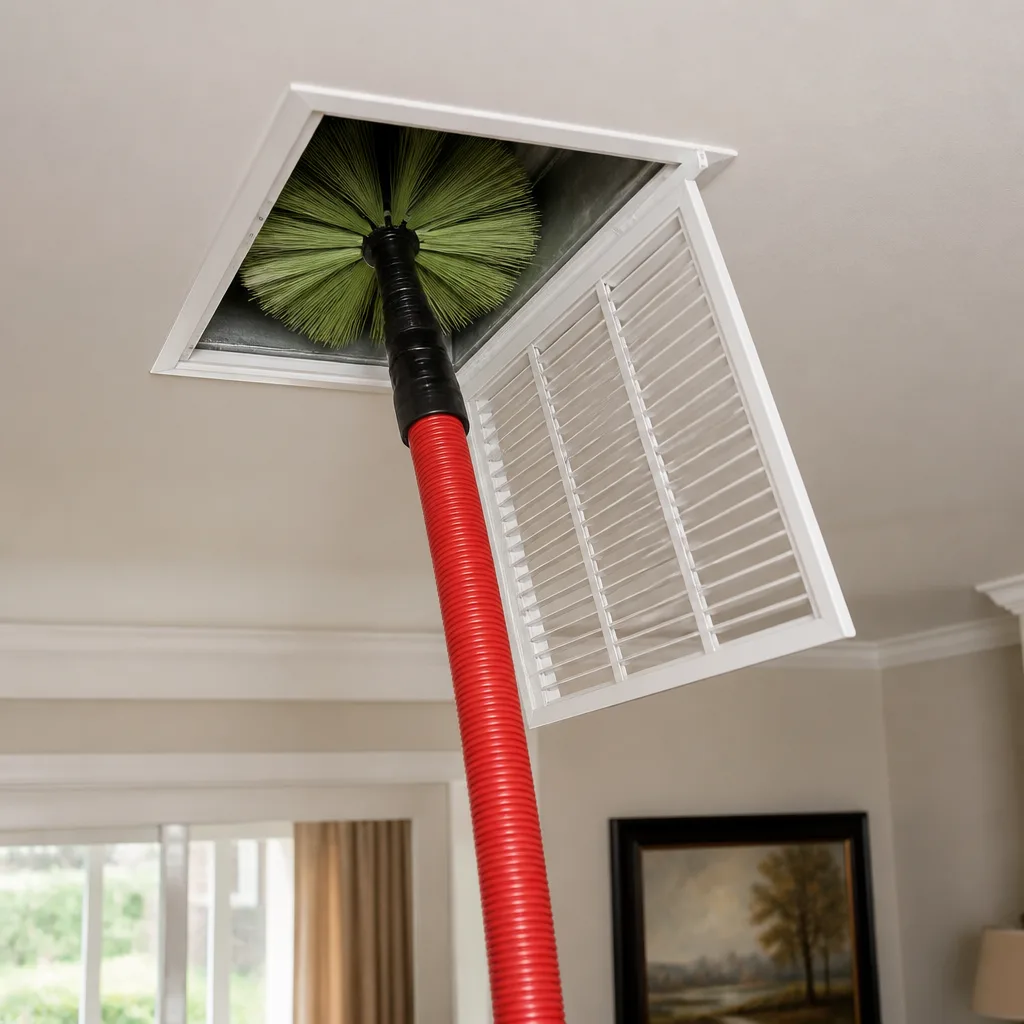
Whole-system duct and dryer vent check with before-and-after photos - you see exactly what came out of your vents
That "$99 whole-house special" is a bait ad - the real number appears once they are in your hallway, or the "clean" is a shop-vac at the register. We photograph the inside of your ducts before and after instead.
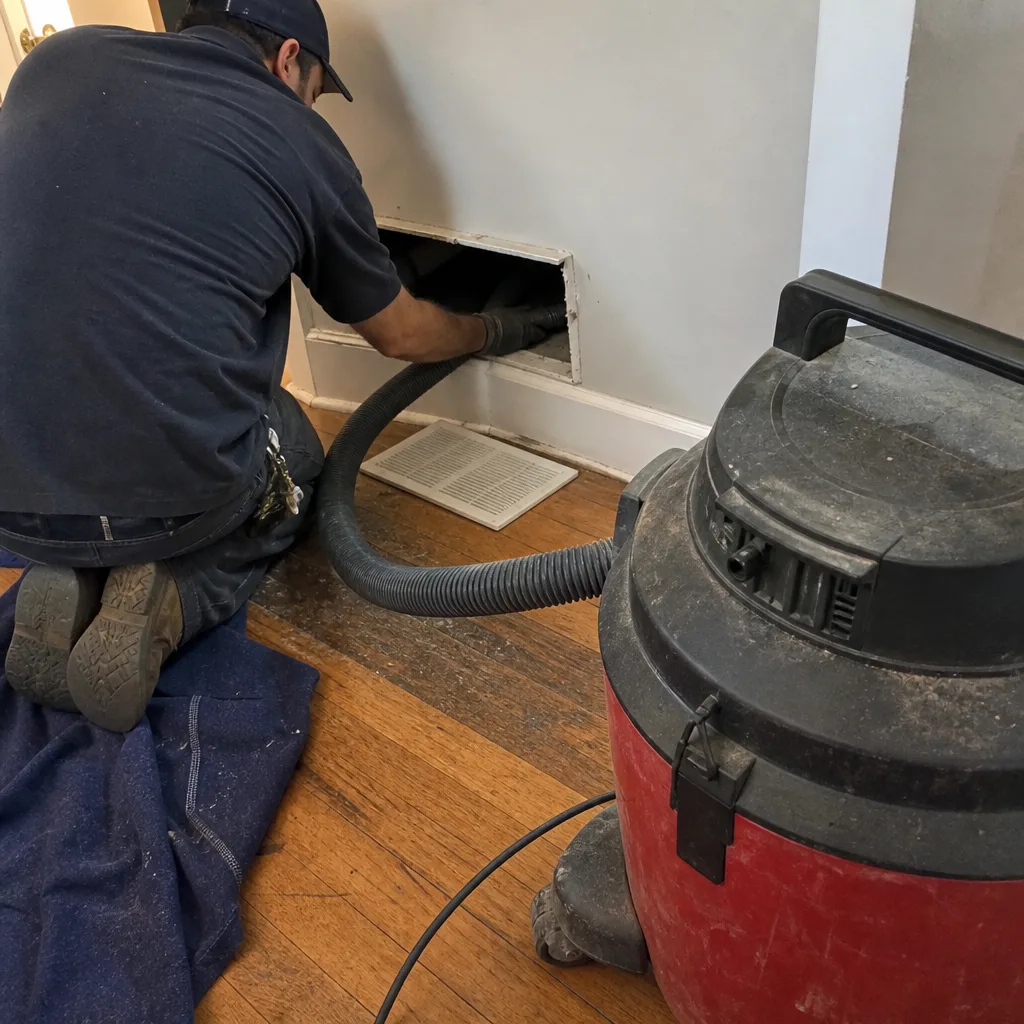 Before
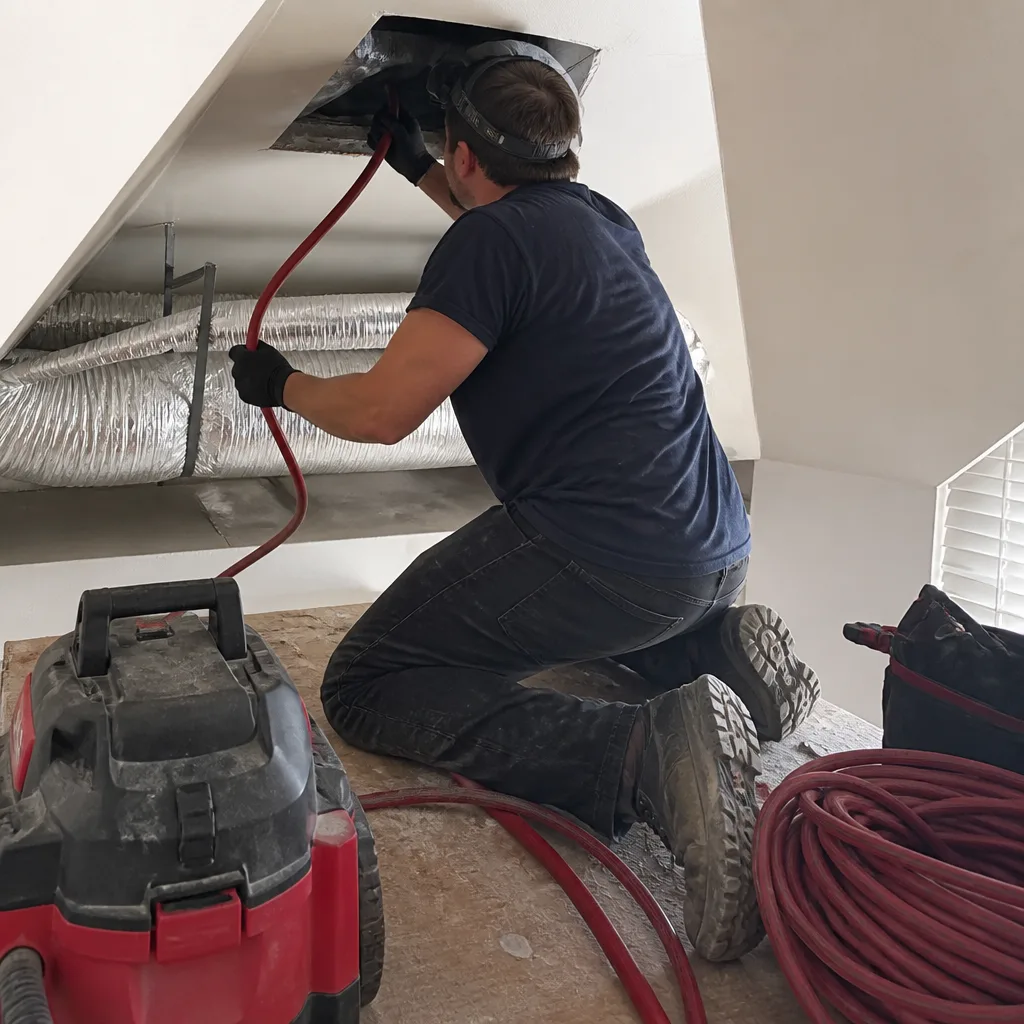 After
After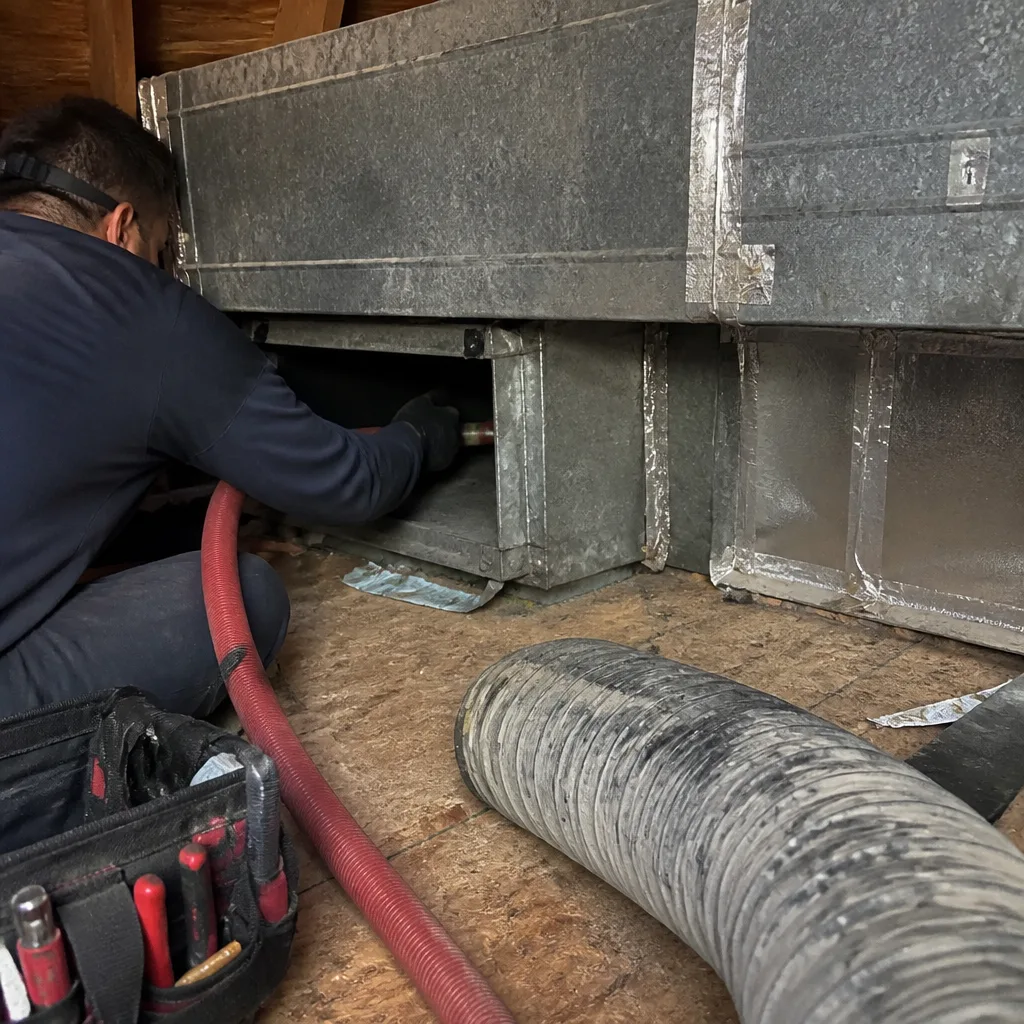 Before
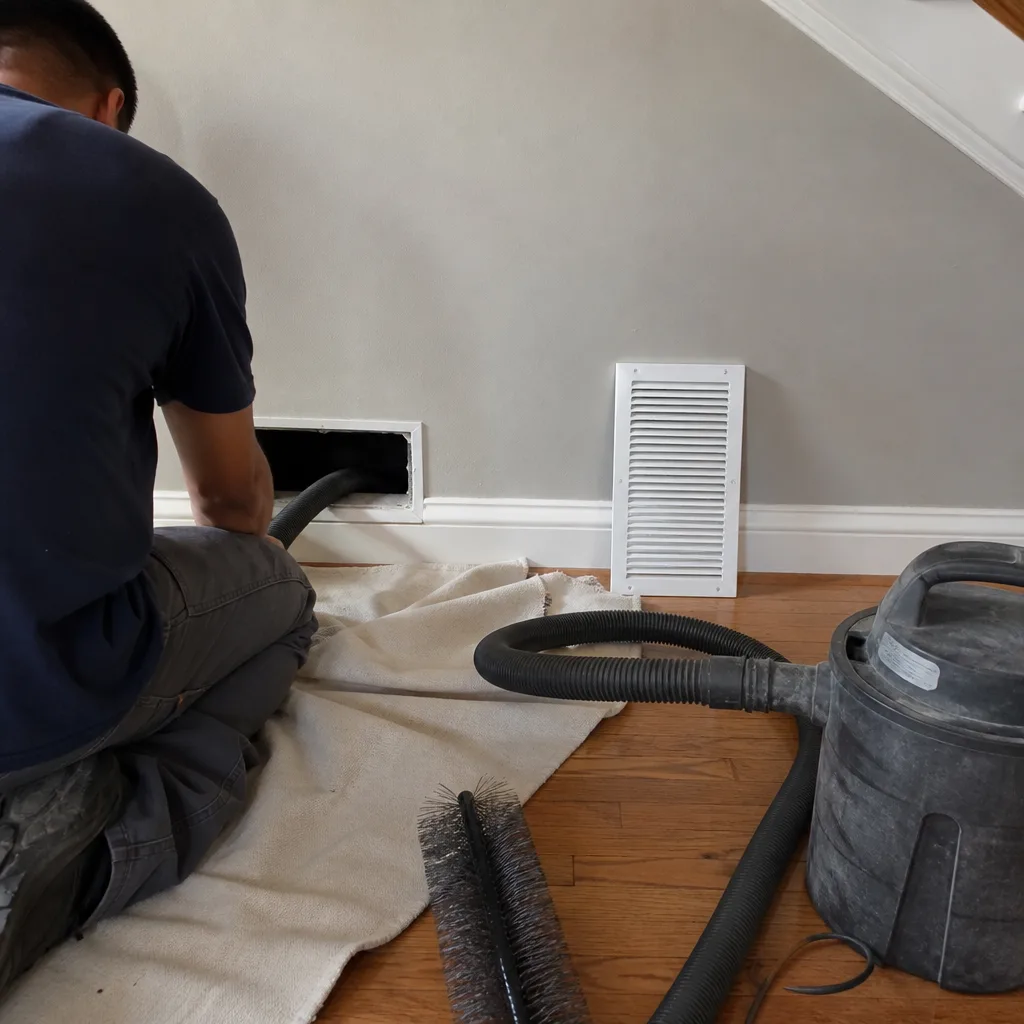 After
After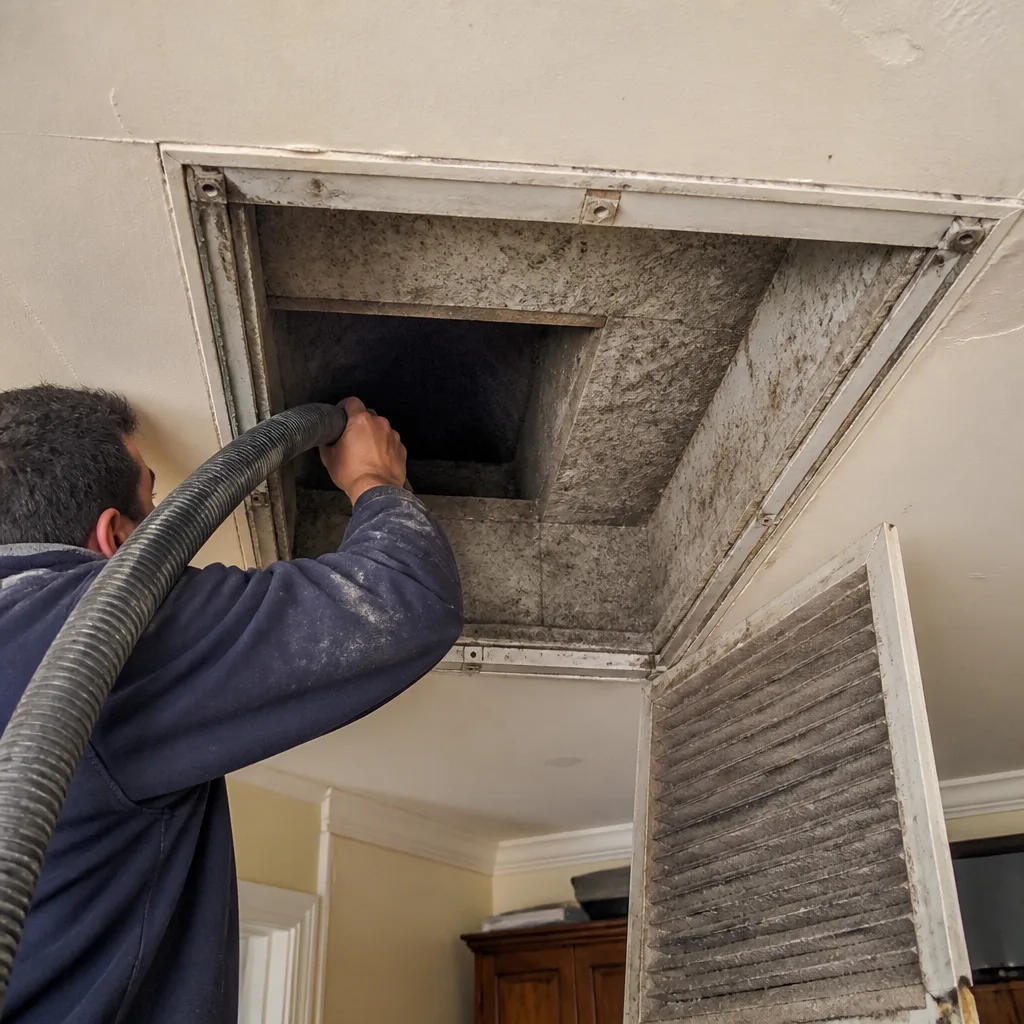 Before
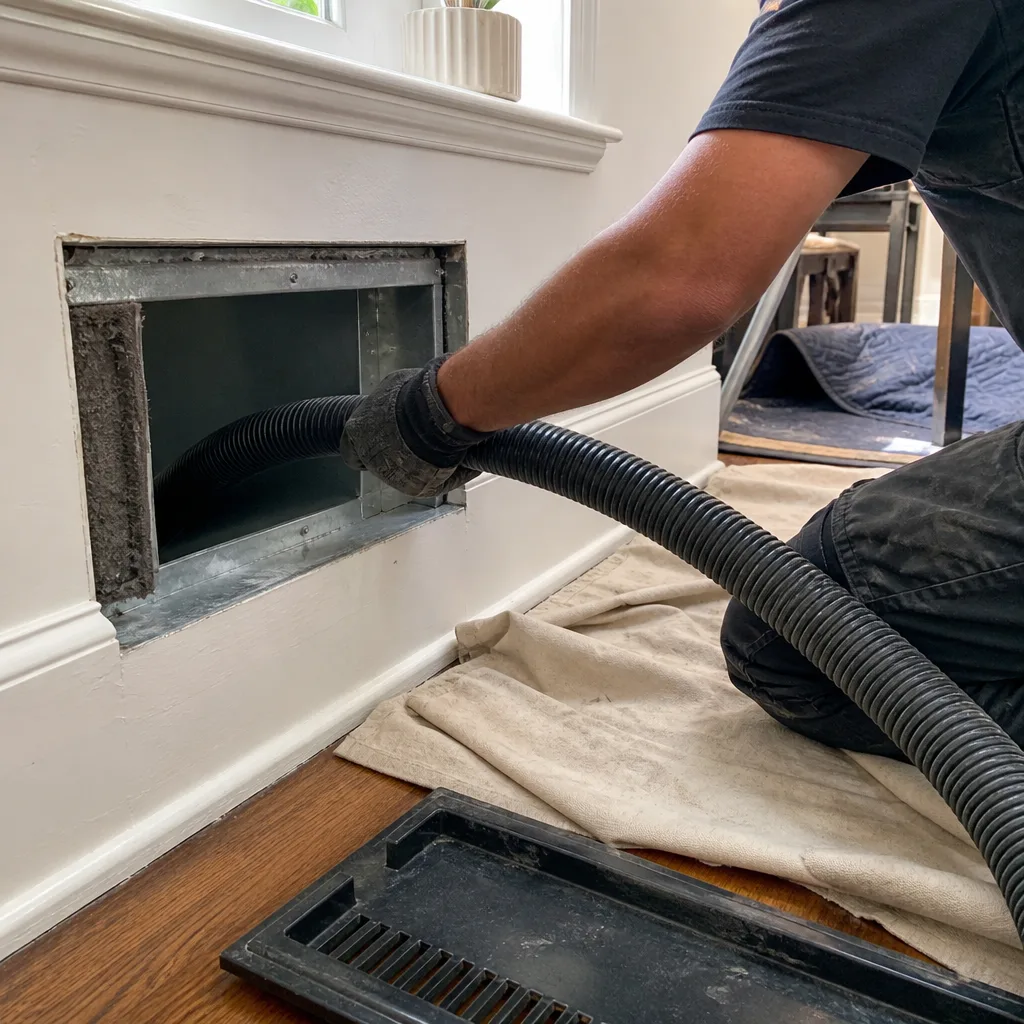 After
AfterAbatement Technologies Air Quality & Sanitizing in Washington: What to Know First
We provide independent Abatement Technologies air quality and sanitizing services across Washington, DC, with most scheduled jobs completed in a single visit and a written price delivered before any equipment is opened. For a typical Abatement Technologies whole-system treatment, homeowners in Washington should expect to invest between $450 and $1,200 depending on system size, contamination type, and whether UV or air purifier installation is included. Every job starts with a written price under Haven Standard Clause 1 and ends with a documented photo record of every duct run, before and after.
This page is for Abatement Technologies owners in Washington neighborhoods like Capitol Hill, Dupont Circle, Georgetown, and Adams Morgan who have noticed persistent odors, elevated allergen symptoms, or visible microbial growth and want a technician who names the actual equipment being used and shows photographic proof of results. Call (240) 363-3380 for a free estimate.
How Abatement Technologies Products Fail - and How We Fix Them
- PREDATOR 800 Series portable air scrubbers: The HEPA filtration seal on these units degrades faster in Washington’s humid summer months when basements and crawl spaces hold moisture above 60% relative humidity. We’ve found the gasket compression ring loosens after roughly 18 months of seasonal cycling, allowing bypass air that the owner never detects because the unit still runs and sounds normal. We replace the OEM seal with an upgraded silicone compression gasket and photograph the pressure differential test to verify zero bypass.
- ABATEMENT CAP600 central air cleaners: The UV-C lamp socket on early production CAP600 units (pre-2019) develops oxidation at the ceramic base, which interrupts the 254-nanometer output without triggering the replacement indicator. Homeowners notice the problem as “the air still smells” despite the green light. We test actual UV output with a calibrated radiometer, not the panel light, and install a ceramic-upgraded socket that resists the chloride content in DC’s municipal water supply, which accelerates base corrosion when condensation drains back through the plenum.
- BD2K negative air machines: The blower motor bearing housing on these units collects construction dust in Washington’s ongoing renovation market, particularly in rowhouses where shared walls mean drywall particulate migrates through gaps in aging ductwork. The bearing doesn’t fail catastrophically; it develops a harmonic vibration that loosens the HEPA filter frame over months. We pull the motor, clean the housing with controlled compressed air, replace the bearing set, and torque the filter frame to manufacturer spec with a documented torque reading in the job record.
- Abatement Technologies HEPA-AIRE PAS2400: The pre-filter media in these portable units saturates prematurely in DC’s spring pollen season, which runs from late March through early June with tree pollen counts regularly exceeding 2,000 grains per cubic meter. A saturated pre-filter forces the HEPA to load faster than designed, reducing airflow and allowing microbial colonization in the moist filter pack. We size the replacement pre-filter to actual local conditions, not the generic national schedule, and note the replacement interval in the customer’s written job record.
- CAP1200-UV whole-house systems: The photocatalytic oxidation (PCO) cell on these units loses titanium dioxide surface activity when exposed to the sulfur compounds present in some Capitol Hill and Northeast DC natural gas supply, a localized water treatment byproduct that doesn’t show up in national service bulletins. The cell still glows under UV, but the hydroxyl radical generation drops below effective levels. We test PCO output with a formaldehyde challenge test and replace the cell with a manufacturer-specified unit, documenting the before and after challenge results in the photo record.
Our Abatement Technologies Air Quality & Sanitizing Process
- 1
System identification and written scope. We record the Abatement Technologies model, serial number, and installation date, then deliver a written price for the full scope before any panel is removed. Haven Standard Clause 1: no exceptions.
- 2
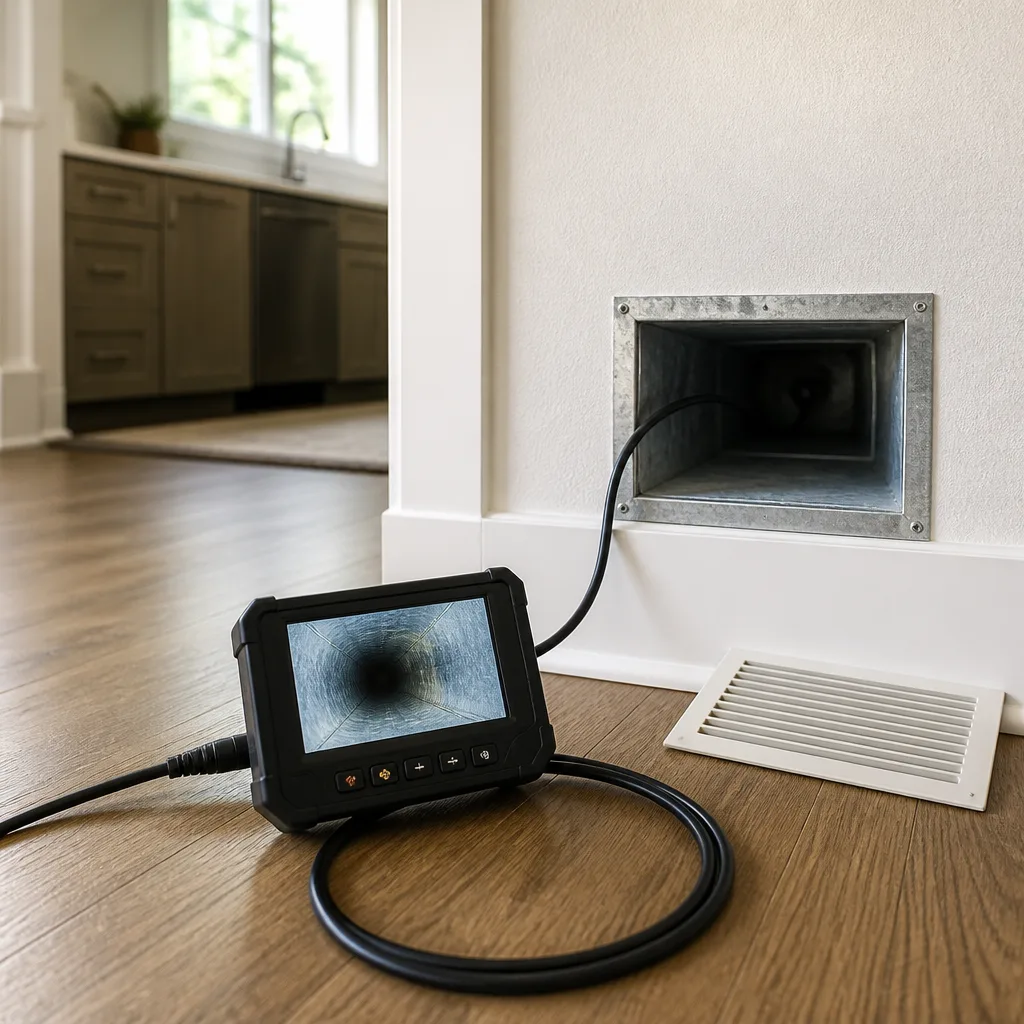
Visual and camera inspection of every duct run. Our technician photographs the interior of each run with a duct camera, noting debris depth, microbial growth patterns, and any mechanical damage to the Abatement Technologies components. The customer sees these images before work begins.
- 3
Contamination-specific treatment selection. Based on what the camera showed, we select the appropriate sanitizing agent or physical treatment. For Abatement Technologies HEPA-AIRE and CAP series units, this means matching the treatment to the actual filter media and UV chamber materials to avoid chemical incompatibility that degrades OEM components.
- 4
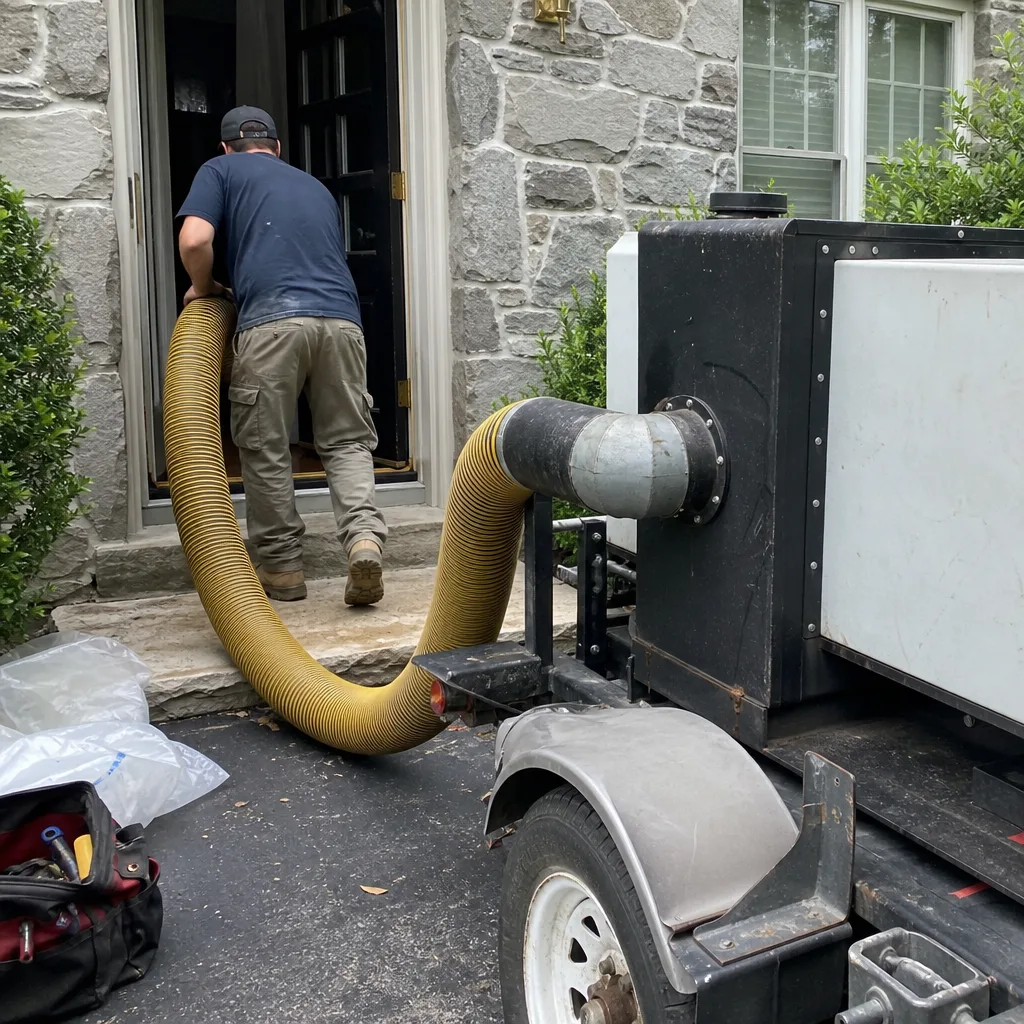
Negative-pressure extraction and application. We seal the system and apply the treatment under controlled negative pressure, preventing cross-contamination to occupied spaces. For UV or air purifier installations, we verify electrical load against the Abatement Technologies spec sheet, not guesswork.
- 5
Post-treatment verification and photo record. Every duct run is re-photographed. UV output is radiometer-tested. Airflow is measured at each register. The complete photo record, with torque settings, test readings, and before/after comparisons, is delivered as a standard job document.
- 6
Written guarantee and scheduling. The 365-Day Done Right Promise is issued in writing. For Abatement Technologies owners with seasonal concerns, we note the optimal inspection interval based on what we found, not a generic calendar.
BeforeAfterWhat Abatement Technologies Air Quality & Sanitizing Costs in Washington
| Service | Typical Range | What Moves the Price |
|---|---|---|
| Whole-system duct sanitizing (Abatement Technologies connected system) | $450 - $850 | Number of duct runs, contamination type, accessibility in DC rowhouse configurations |
| Mold or bacteria treatment with EPA-registered sanitizer | $650 - $1,100 | Extent of growth, need for physical removal vs. chemical treatment, post-treatment verification testing |
| UV-C lamp installation (Abatement Technologies CAP series compatible) | $380 - $620 | Electrical routing distance, plenum modification needs, single vs. dual-lamp configuration |
| Standalone air purifier install (Honeywell, Aprilaire, or Abatement Technologies) | $520 - $980 | Unit capacity relative to home square footage, return-air integration complexity |
| Allergen reduction package (sanitizing + HEPA upgrade + UV) | $890 - $1,200 | Existing filter housing compatibility, duct sealing needs found during inspection |
These are whole-system prices, not per-vent teaser rates that balloon once the truck is parked. The written price you receive before work starts is the price on the invoice. For an exact quote on your Abatement Technologies system, call (240) 363-3380. Estimates are free.
Why Washington Homeowners Call CleanRun Air Duct Cleaning Washington for Abatement Technologies Work
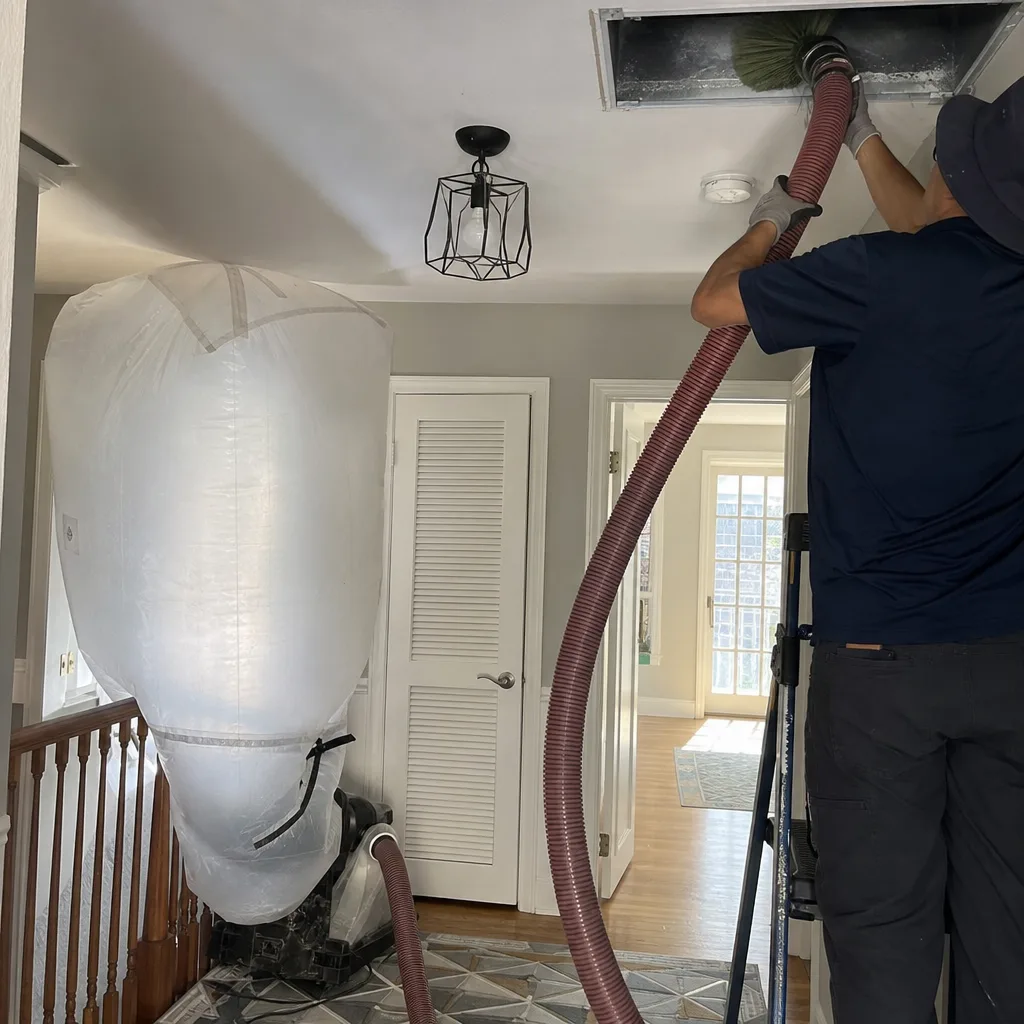
We’ve worked on Abatement Technologies equipment in Washington since 2013, from the compact PREDATOR units in Capitol Hill basement renovations to the full CAP1200-UV systems in large condos near Dupont Circle. Tomas Reyes, our owner and lead technician, has handled enough of the gravity-fed and undersized flex runs common in DC’s older housing stock that other technicians in the region call him when a job involves unusual duct configurations.
Our crew carries Rotobrush, Nikro, and Abatement Technologies equipment on every truck, with Honeywell, Aprilaire, and Guardsman units in reserve when a multi-brand solution works better than single-manufacturer thinking. The 365-Day Done Right Promise applies to every job in writing. Background-checked, uniformed technicians operate under Haven Standard Clause 3: Verified Crews. And if you have a written estimate from another contractor for the same Abatement Technologies work, we’ll deliver a free second opinion in writing, no obligation.
FAQs
No, when performed by a qualified technician using manufacturer-compatible materials and methods. We document the exact sanitizing agent and application method in your job record, and as an independent Abatement Technologies service provider, we work within the equipment specifications rather than improvising. If warranty questions arise later, your photo record and written scope support the claim. Call (240) 363-3380 if you need documentation for a warranty inquiry.
For UV lamps and HEPA filters, OEM Abatement Technologies parts maintain the certified performance ratings that aftermarket equivalents often miss by small but meaningful margins. For seals, gaskets, and hardware, we use quality aftermarket components that meet or exceed OEM spec and hold up better in Washington’s humidity cycles. We name the source of every part in your written scope before installation. Call (240) 363-3380 to discuss the specific parts your system needs.
The photo record shows the physical condition of every duct run before and after treatment. For microbial concerns, we perform ATP bioluminescence testing or formaldehyde challenge testing where appropriate, with numerical results included in your job documentation. The 365-Day Done Right Promise means if you have any reason to doubt the results within a year, we return and re-verify at no charge. Call (240) 363-3380 to schedule verification.
Replacement makes sense when the unit is beyond 10 years old, the HEPA media housing is structurally compromised, or repair parts are obsolete. Sanitizing and component-level repair are the better value when the chassis is sound and the issue is contamination, degraded seals, or failed UV output. We give you both options in writing with a clear cost comparison, not a push toward the more expensive choice. Call (240) 363-3380 for an assessment of your specific unit.
For typical DC homes without pets or known moisture problems, every 3 to 5 years is sufficient. Homes in flood-prone Washington neighborhoods like parts of Bloomingdale or near the Anacostia, or properties with finished basements that run dehumidifiers continuously, often need attention every 18 to 24 months. We note the optimal interval for your specific system in the written job record, based on what the camera showed, not a generic schedule. Call (240) 363-3380 to discuss your home’s conditions.
Show the before photo first. Everything else follows from that.
Written by Tomas Reyes, Owner & Lead Technician, CleanRun Air Duct Cleaning Washington at CleanRun Air Duct Cleaning Washington, serving Washington and nearby areas.