
Whole-system duct and dryer vent check with before-and-after photos - you see exactly what came out of your vents
That "$99 whole-house special" is a bait ad - the real number appears once they are in your hallway, or the "clean" is a shop-vac at the register. We photograph the inside of your ducts before and after instead.
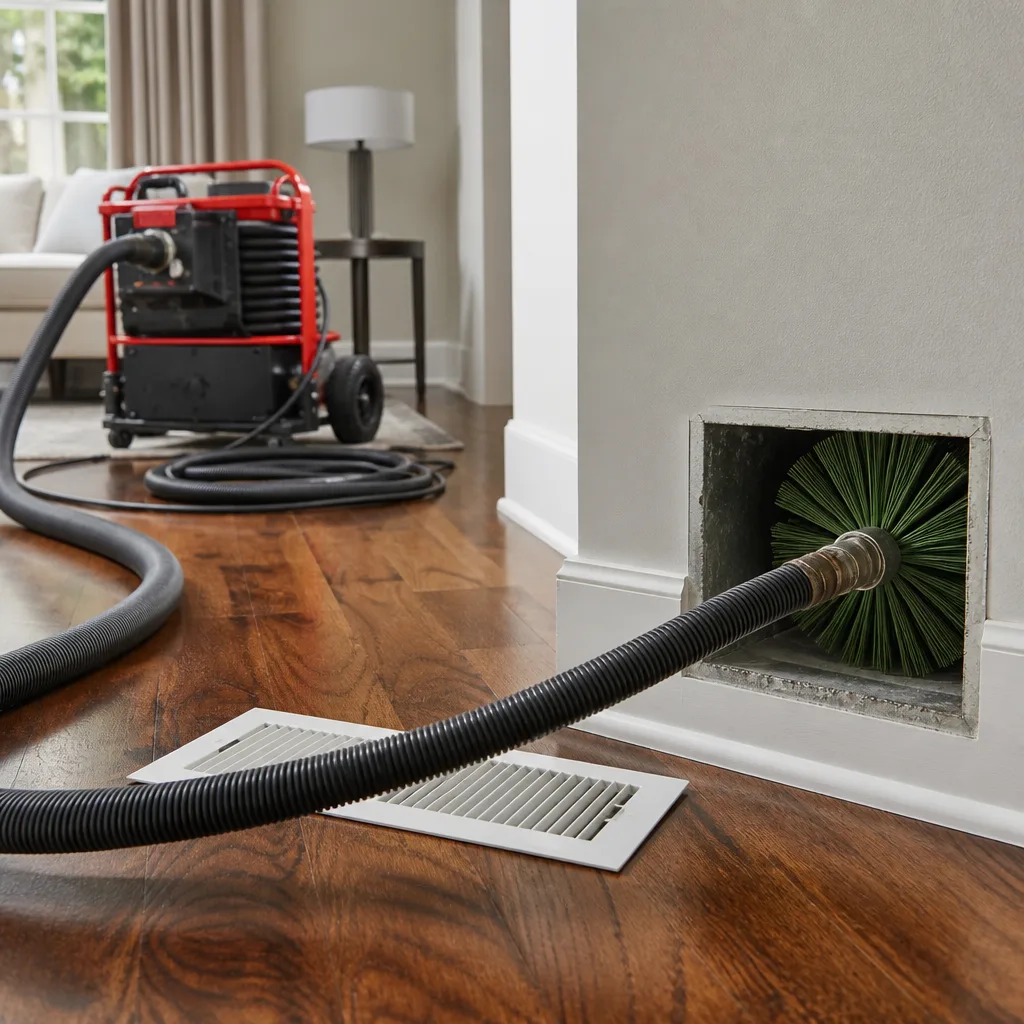
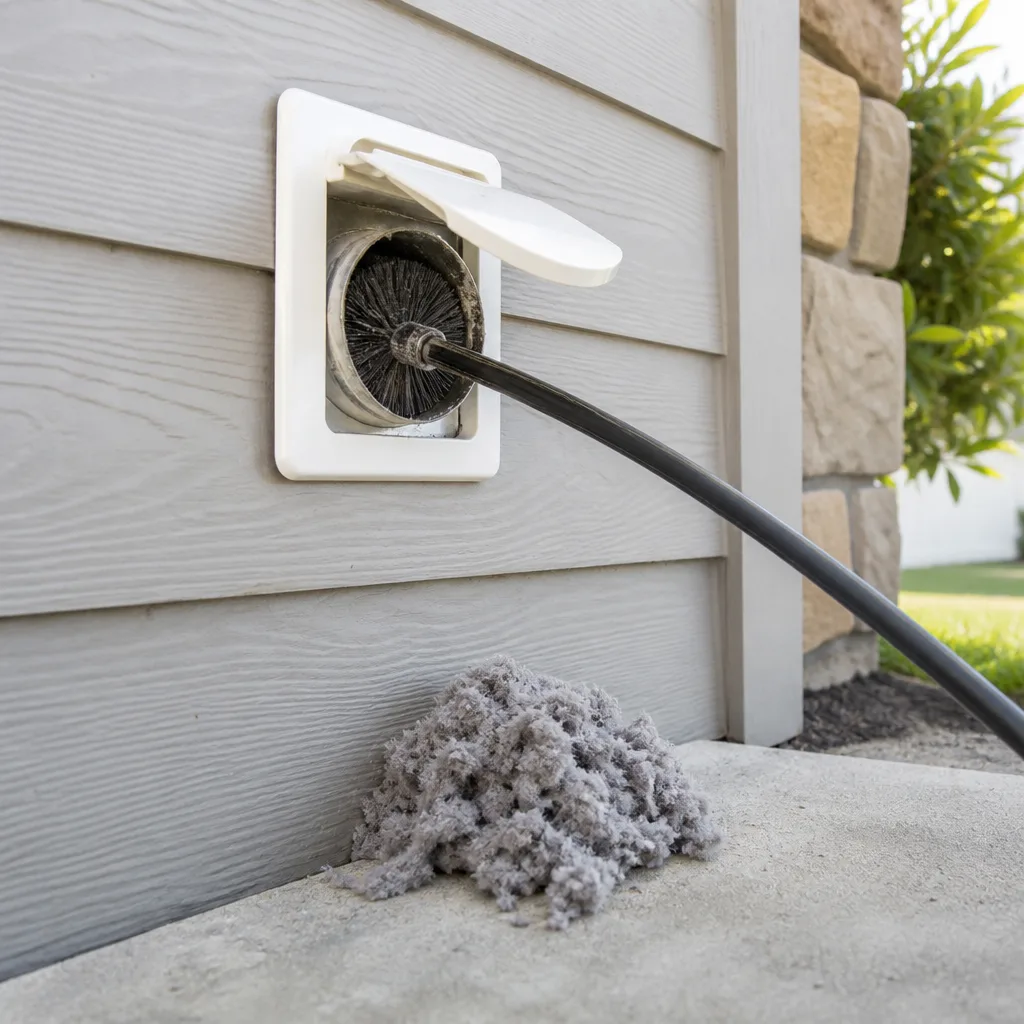
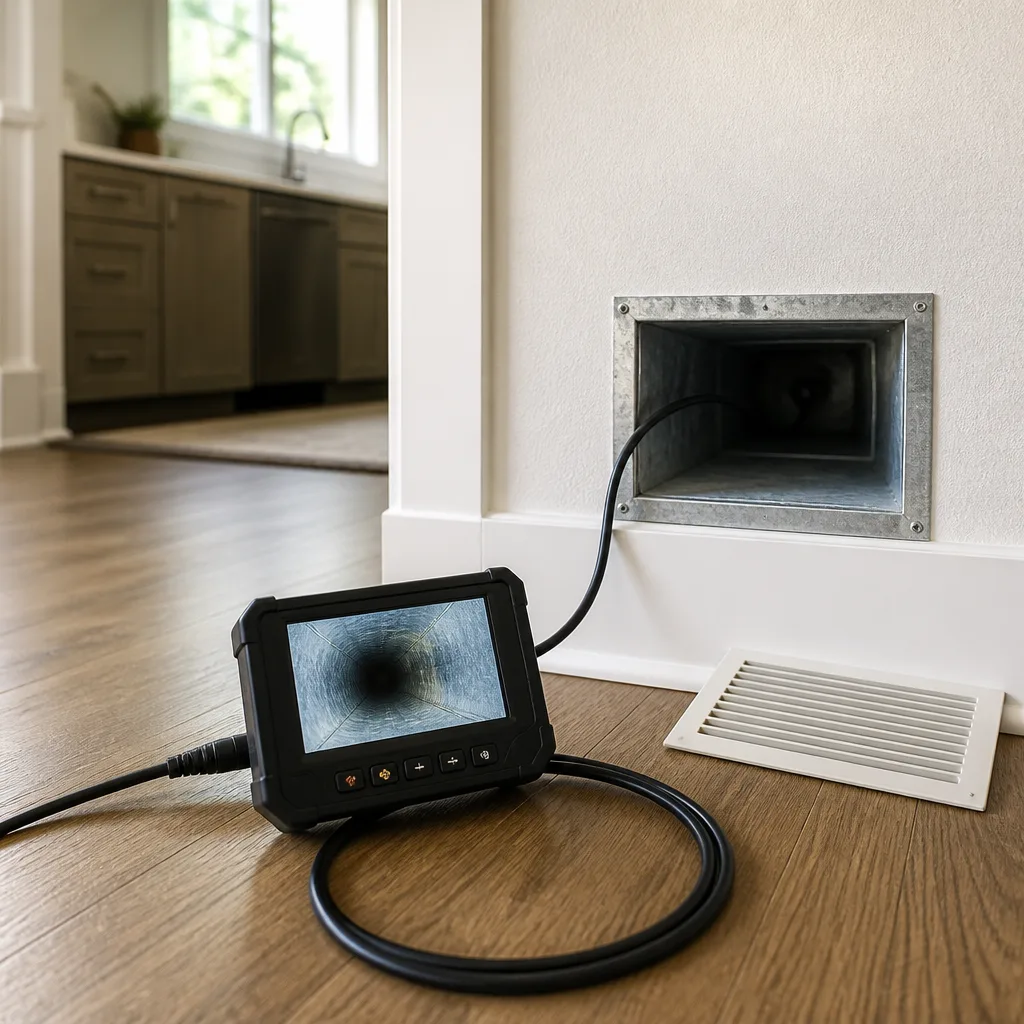
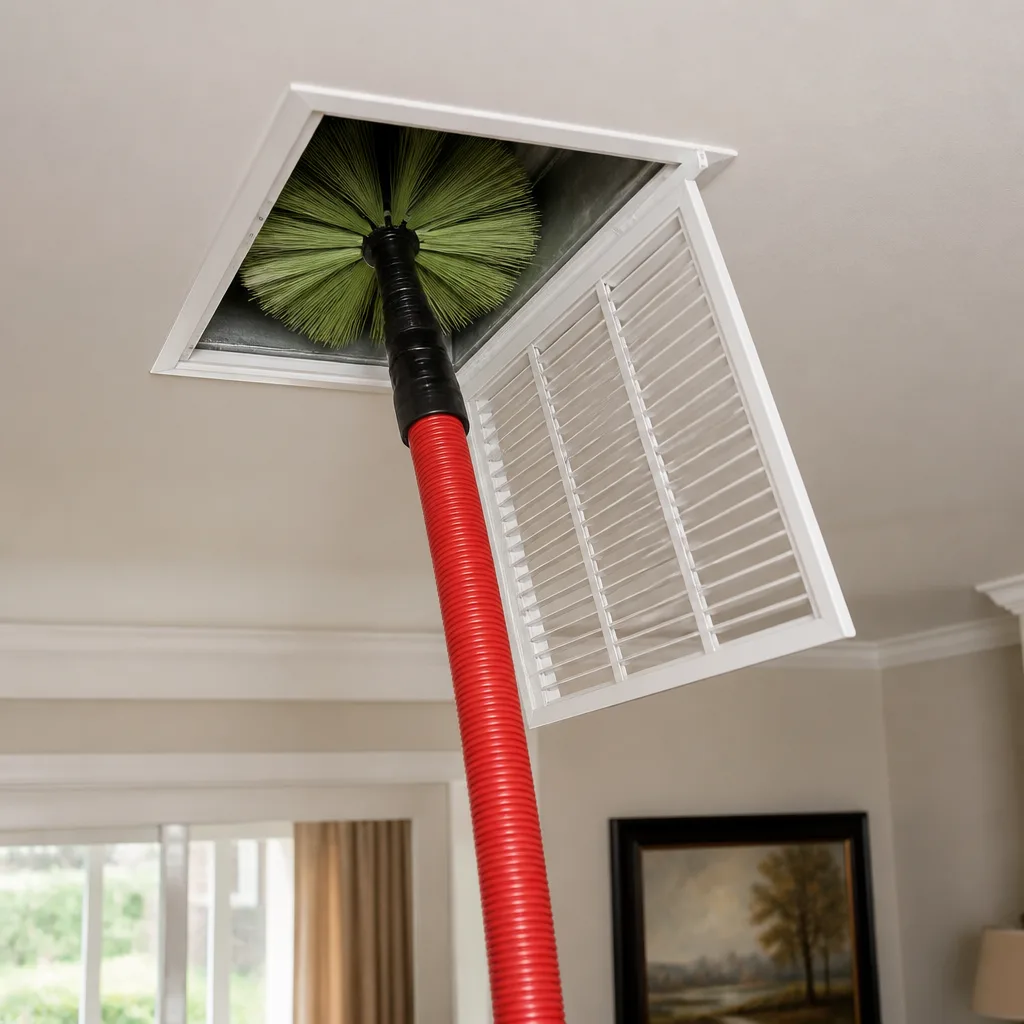
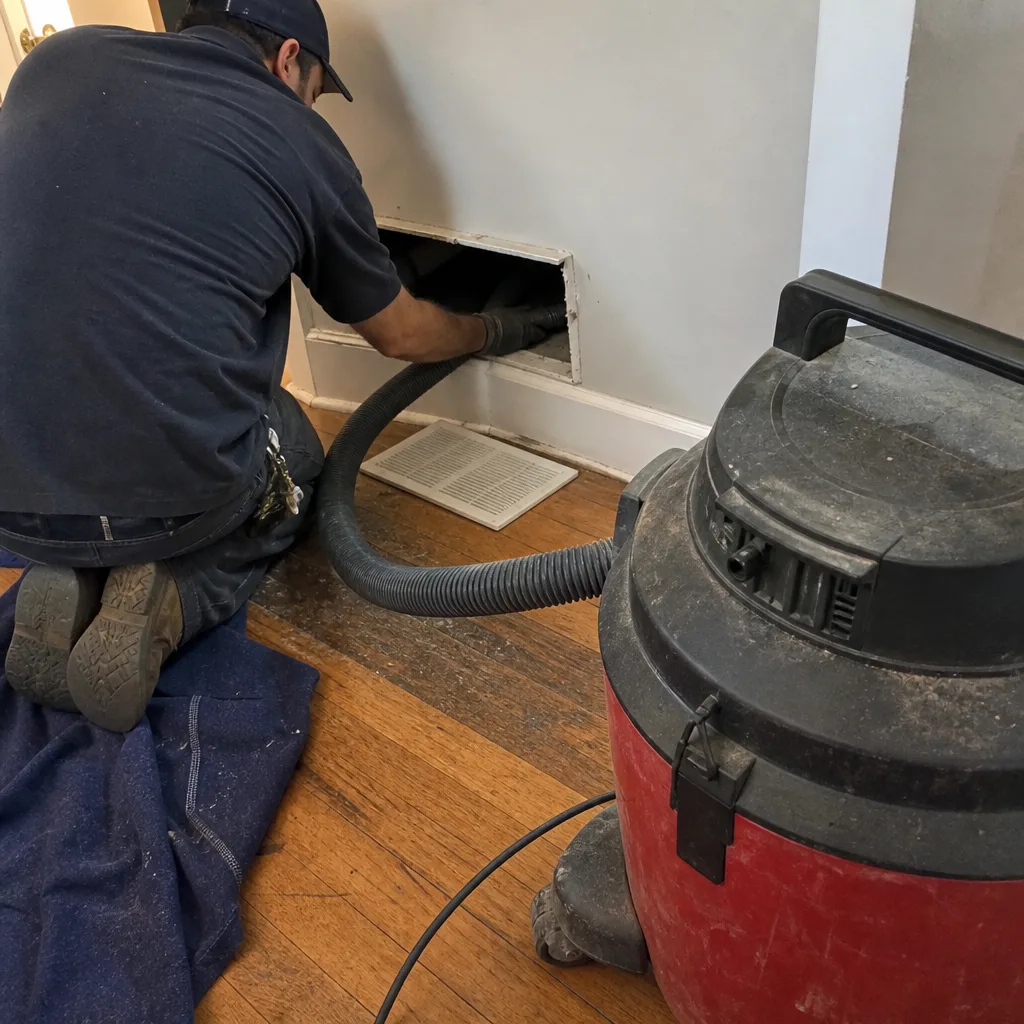 Before
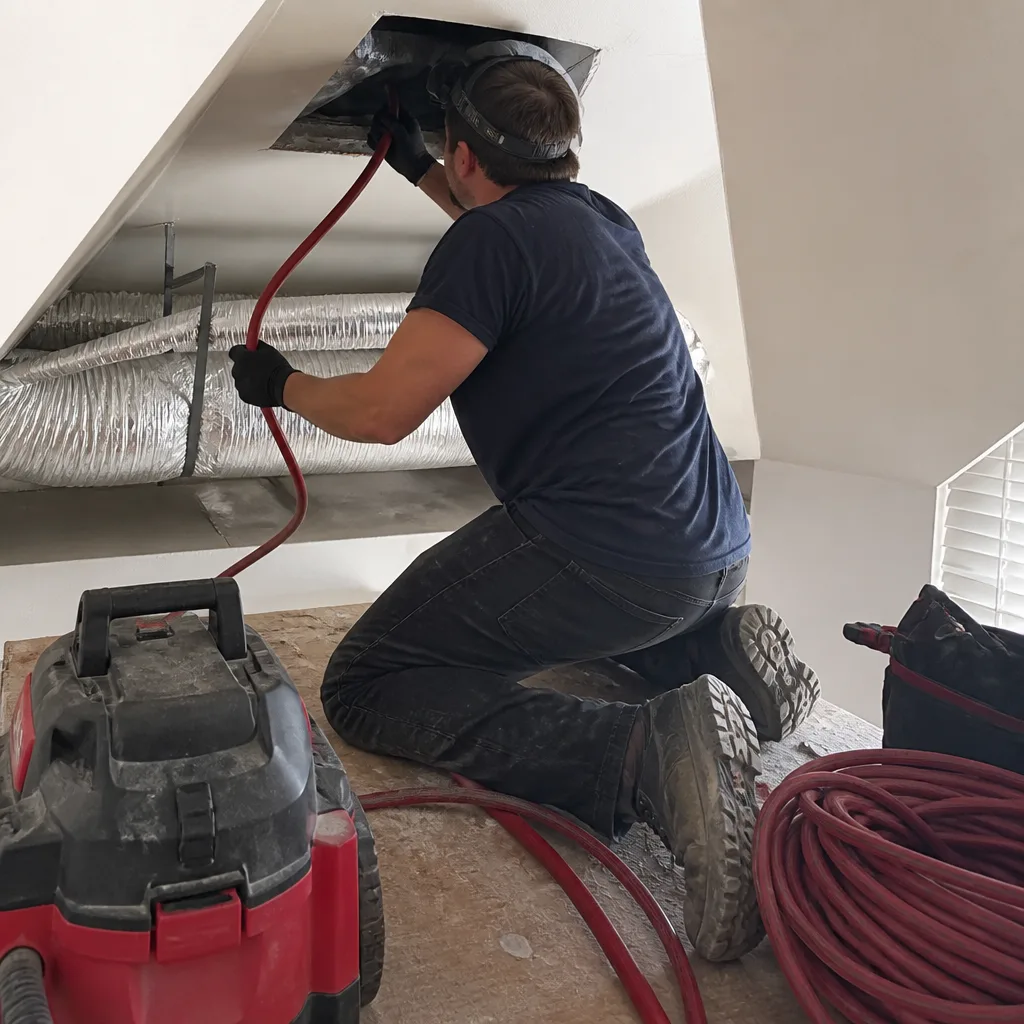 After
After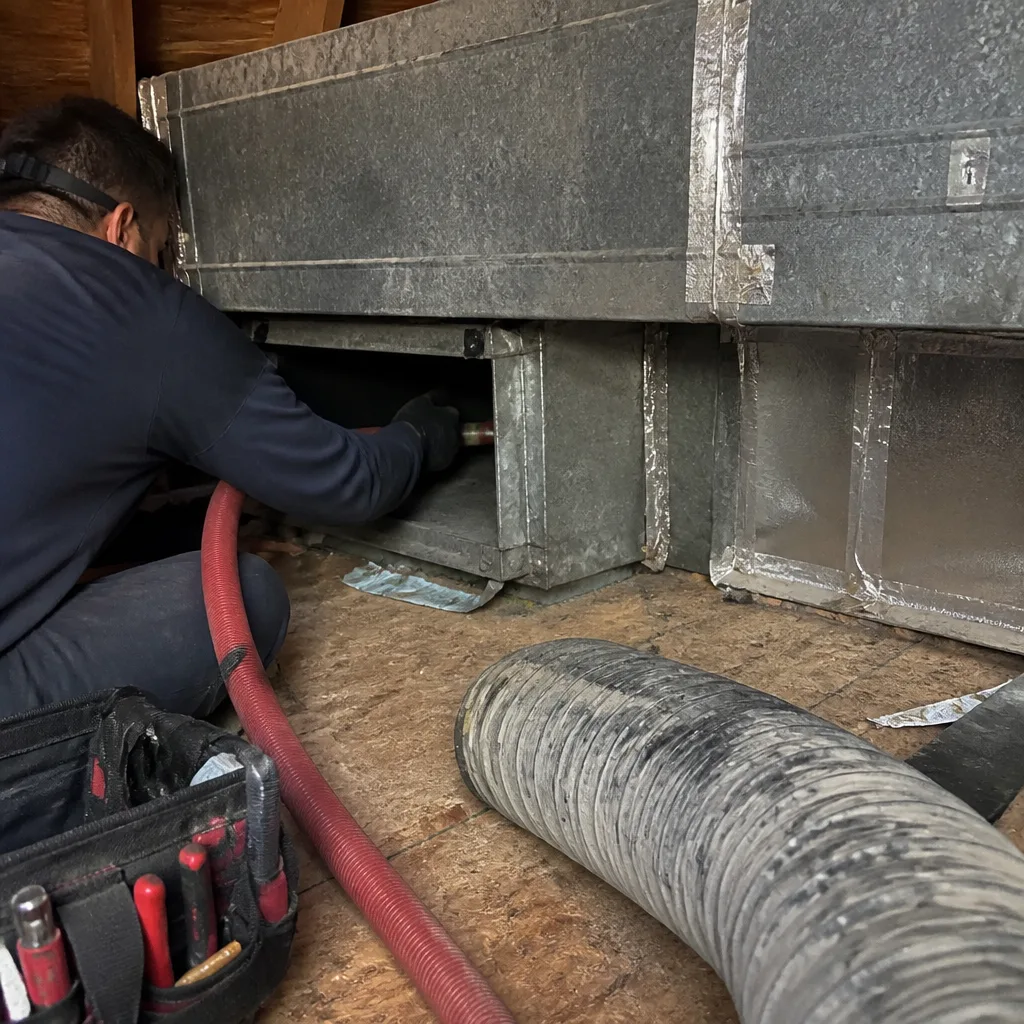 Before
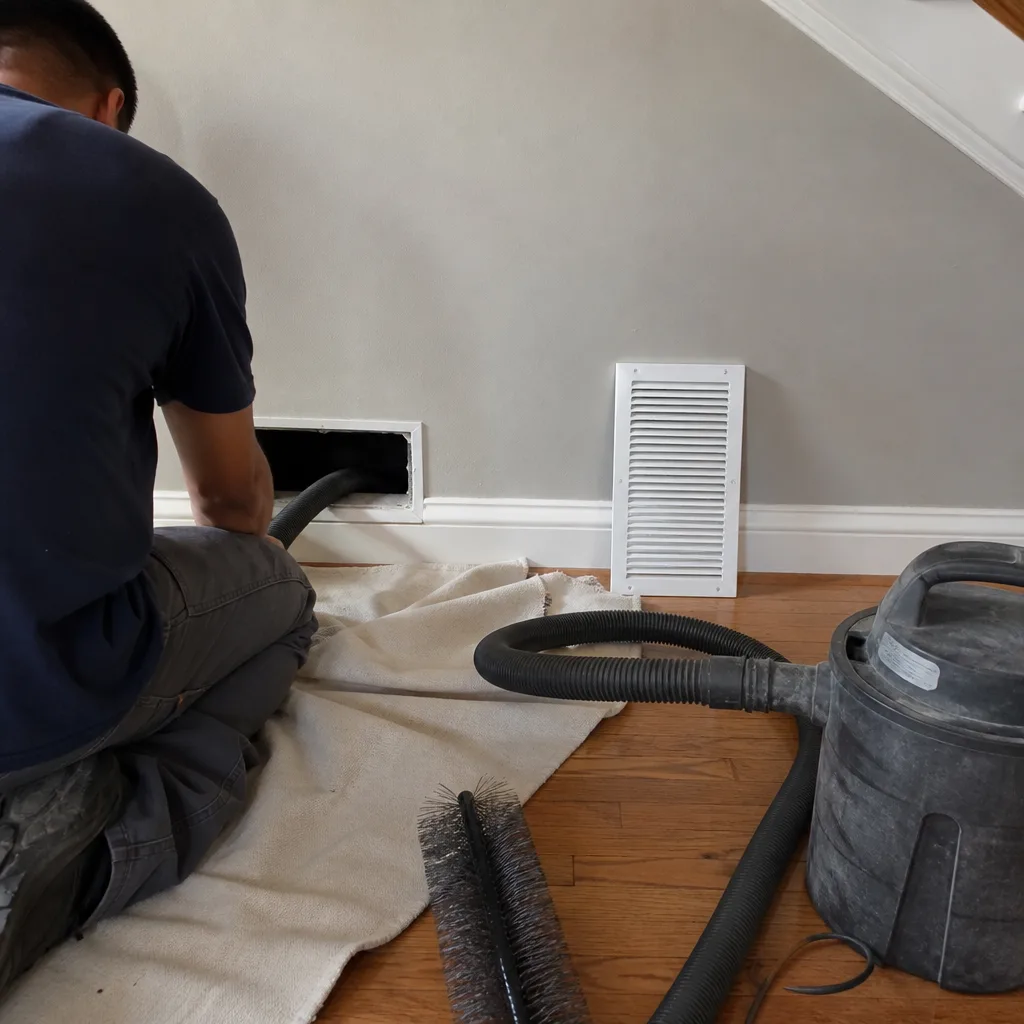 After
After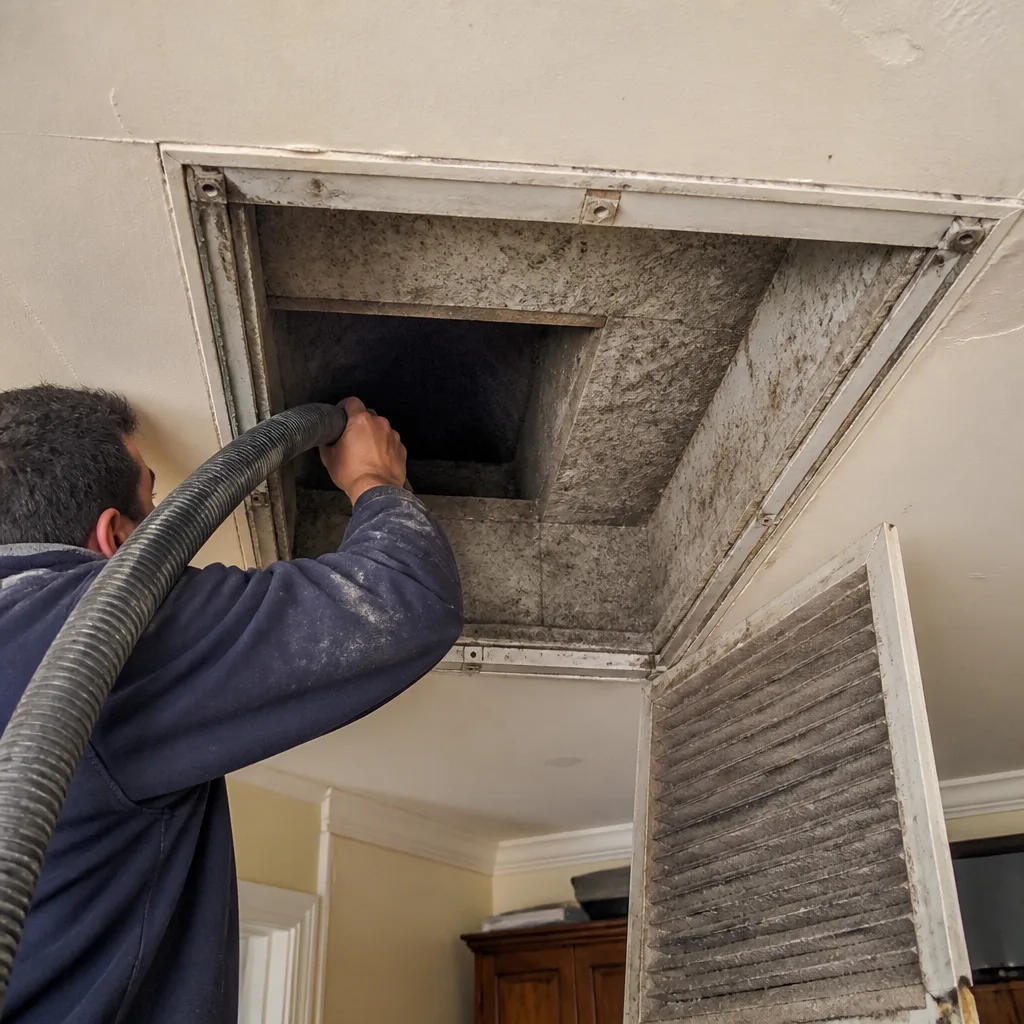 Before
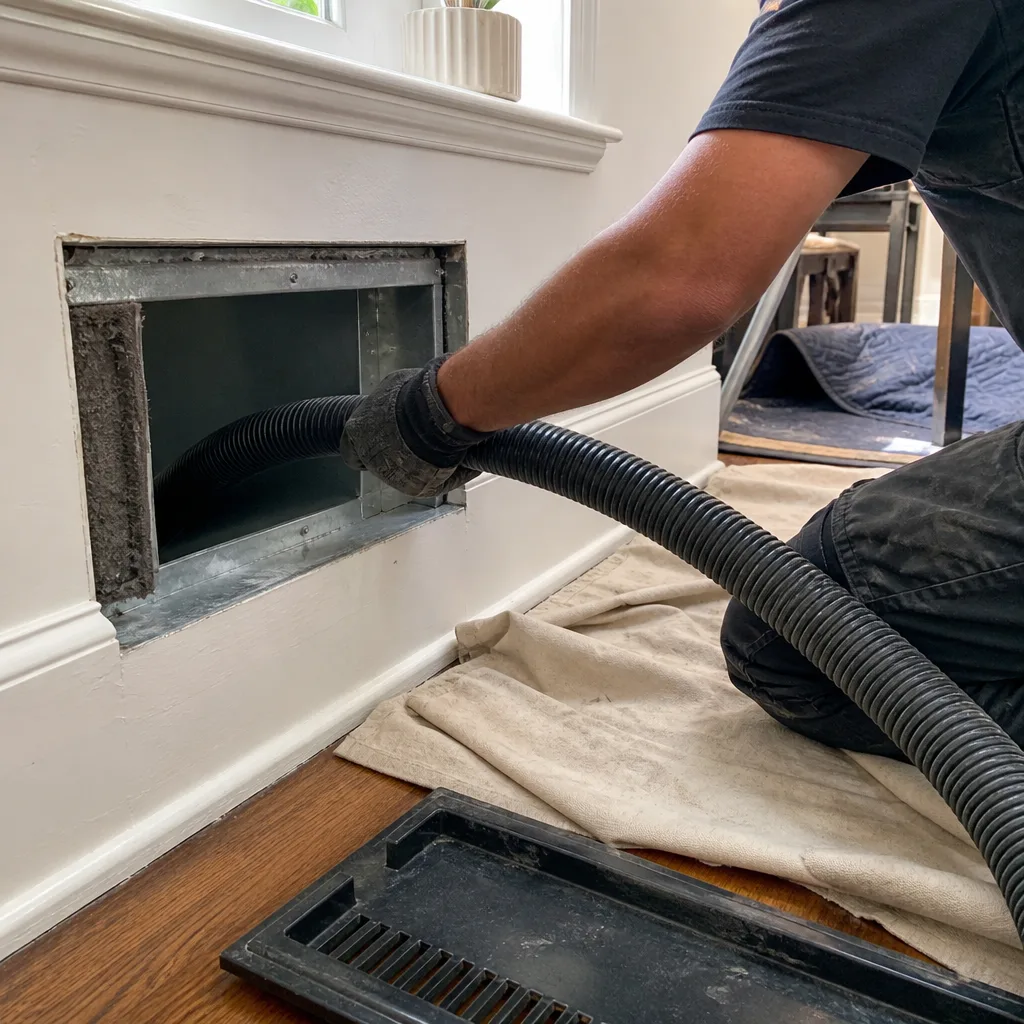 After
AfterGuardsman Vent Sanitizing: The Washington Owner’s Guide
Guardsman vent sanitizing in Washington, DC typically runs $340-$580 for a whole-system installation, and we stock Guardsman-compatible sanitizing assemblies on our trucks for same-day replacement. Most homeowners discover the issue after a persistent musty smell returns within weeks of a standard duct cleaning, or when a home inspector flags microbial growth inside the plenum during a Capitol Hill or Chevy Chase resale inspection. The Guardsman UV-C sanitizing module sits downstream of your air handler and kills what extraction alone cannot reach.
Which Guardsman Models This Applies To
Guardsman produces three vent sanitizing product lines, and the part you need depends on which generation is mounted in your ductwork. The GS-100 series, manufactured from 2014 to 2019, uses a 16-inch lamp housing with a two-pin ceramic base; the GS-200 and current GS-300 series switched to a 24-inch T5-style lamp with a twist-lock collar. The model number is stamped on a metal tag at the lamp housing joint, not on the bulb itself. We see the GS-100 most often in pre-war rowhouses near Logan Circle where owners retrofit sanitizing into gravity-fed systems with limited clearance.
We install OEM Guardsman lamps and ballast assemblies, plus aftermarket equivalents from Abatement Technologies that carry the same 9,000-hour lamp life rating. The aftermarket housings fit, but the GS-300’s twist-lock collar tolerances vary by 2 millimeters, enough to cause arcing in humid summer conditions. For Washington’s July-August humidity cycle, we default to OEM on the GS-300 unless the owner requests otherwise in writing. If your tag is worn, we measure the housing bore and voltage draw on-site before ordering.
Signs Your Guardsman Vent Sanitizing Is Failing
- The “clean sock” smell returns within 30 days of duct cleaning. A functioning Guardsman lamp produces a faint ozone scent on first startup that fades. When the lamp degrades, microbial colonies reestablish faster than before because the biofilm base layer was never killed, only dislodged.
- Visible flicker or dark banding on the lamp tube. UV-C lamps blacken at the electrodes as mercury vapor degrades. We photographed a GS-200 in a Dupont Circle condo last March where the center third had gone completely dark; the owner had been running it 18 months past rated life.
- Ballast hums but lamp won’t strike. The high-voltage transformer (1,800-2,400V for Guardsman units) degrades faster in unconditioned attics, which describes most Washington crawl spaces above the third story. A failed ballast will warm without lighting; a failed lamp stays cold.
- Corrosion at the ceramic base or collar. Washington’s freeze-thaw cycle drives moisture through duct seams. We replaced three GS-100 bases in January 2024 alone, all in Capitol Hill homes with original slate roofs and no vapor barrier in the return chase.
- Energy bill spike with no HVAC change. A degraded ballast draws excess amperage trying to strike a failing lamp. The draw is small but measurable; one owner in Georgetown noticed a $14 monthly increase before we found the GS-300 ballast pulling 2.1 amps against a 1.4-amp spec.
BeforeAfterReplacement Cost & What’s Included
| Component | Price Range (Installed) |
|---|---|
| GS-100 lamp + housing (OEM) | $340-$420 |
| GS-200/300 lamp + housing (OEM) | $420-$520 |
| Ballast replacement (all series) | $180-$260 |
| Full assembly (lamp, housing, ballast) | $480-$580 |
The range reflects access difficulty, not part markup. A GS-300 in an open basement utility room takes 45 minutes; the same unit in a sealed soffit above a Petworth kitchen ceiling takes two hours and a second technician. Our written price, delivered before work starts under Haven Standard Clause 1, locks the number. The 365-Day Done Right Promise covers labor and parts; lamp life is subject to manufacturer spec, but if the assembly fails due to installation, we return and correct it. Every replacement includes a Documented Photo Record of the old part, the installed assembly, and the operational test.
DIY or Call Us?
There is no safe DIY path for Guardsman ballast replacement. The startup voltage exceeds 2,000V, enough to cause cardiac arrest, and the lamp housing retains a capacitive charge for several minutes after power-down. We have responded to two Washington homes where owners attempted the swap themselves; in one case, the ceramic base shattered and mercury vapor released into the return plenum.
What you can check: confirm the lamp timer (if your GS-200 or GS-300 has one) shows hours elapsed, and verify the 120V supply at the junction box with a non-contact tester. Beyond that, the work requires lockout-tagout procedure, a grounded work surface, and a UV-rated face shield because a cracked lamp will emit unshielded UV-C. We carry all of this, plus the correct Guardsman or Abatement Technologies equivalent, on every truck. Call (240) 363-3380 and we’ll put a written price in front of you before any panel comes off.
FAQs
Guardsman rates OEM lamps at 9,000 operating hours, which translates to roughly 3-4 years in a typical Washington home running continuous fan mode through heating and cooling seasons. We recommend replacement at 7,500 hours as output degrades measurably before complete failure. Call (240) 363-3380 and we’ll check your lamp timer as part of a free estimate.
No. UV-C lamps are sealed glass tubes with no serviceable components; once the mercury vapor degrades or the electrode burns back, the lamp cannot be restored. Ballasts can occasionally be rebuilt, but Guardsman does not publish rebuild specs, and aftermarket ballasts are cost-competitive with rebuild labor. We quote both options in writing if the situation allows.
Most Guardsman replacements take 60-90 minutes from panel removal to operational test and photo documentation. Tight access in Washington’s older housing stock, particularly the narrow chase walls common in 1920s brick construction, can extend this to two hours. We state the time estimate in the same written price document, before work starts.
We stock GS-200 and GS-300 lamps, housings, and ballasts on every CleanRun truck serving Washington. GS-100 components are carried on request due to declining install base; if your home has the older series, mention it when calling and we’ll confirm stock before dispatch. We also stock Lennox, Trane, and Carrier sanitizing assemblies for mixed-system homes.
CleanRun Duct Repair & Cleaning is independently owned and operated under the Haven Standard. We are not affiliated with Guardsman; we service and install Guardsman-compatible equipment based on manufacturer specifications and field measurements.
Show the before photo first. Everything else follows from that. We have held this practice since our first job in 2013, and it is why Tomas Reyes, who learned ductwork on Bronx apartment rooftops and has spent over two decades chasing airflow through the gravity-fed systems of Capitol Hill and Dupont Circle, still carries a camera before he carries a wrench. When a Guardsman lamp fails in Washington humidity, the photograph tells you whether the housing corroded from the outside in or the inside out, and that difference determines whether you’re replacing a part or solving a moisture problem.
Written by Tomas Reyes, Owner & Lead Technician, CleanRun Air Duct Cleaning Washington at CleanRun Air Duct Cleaning Washington, serving Washington and nearby areas.