
Whole-system duct and dryer vent check with before-and-after photos - you see exactly what came out of your vents
That "$99 whole-house special" is a bait ad - the real number appears once they are in your hallway, or the "clean" is a shop-vac at the register. We photograph the inside of your ducts before and after instead.
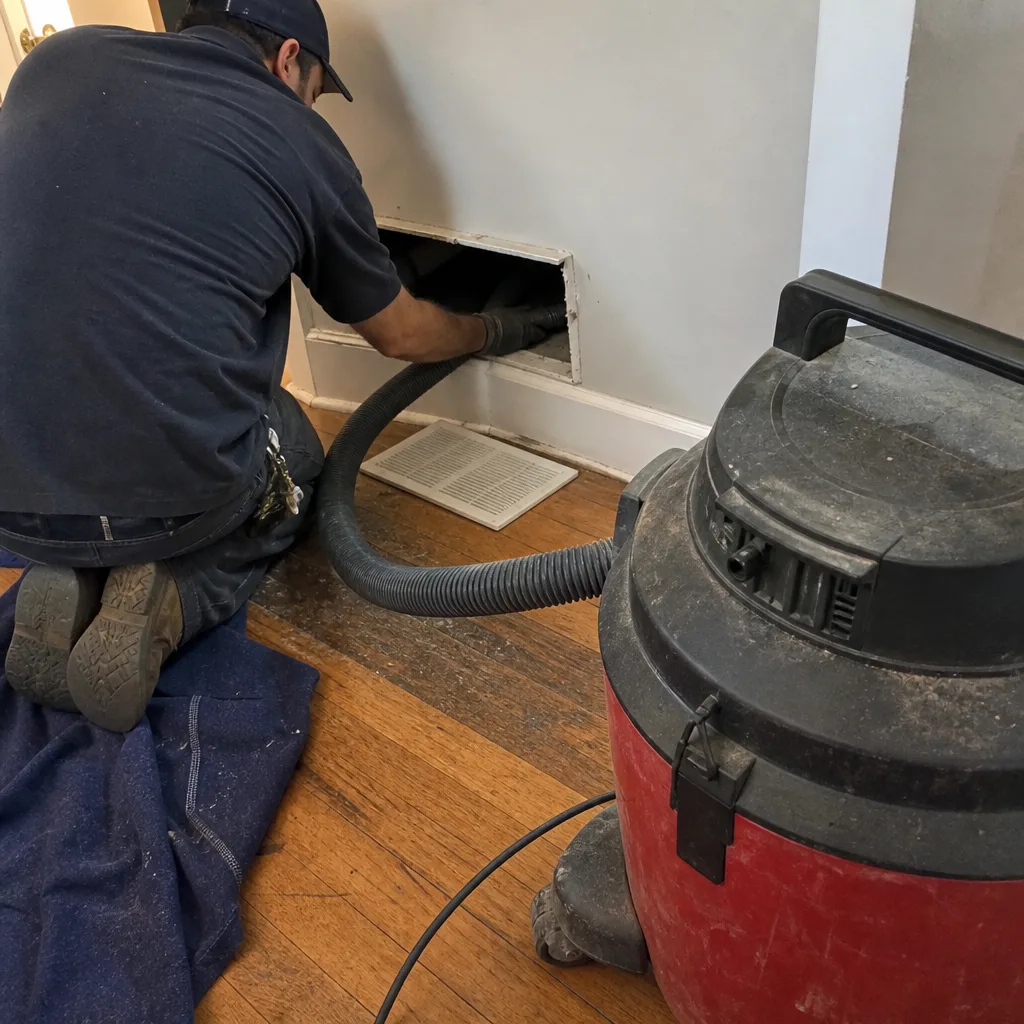 Before
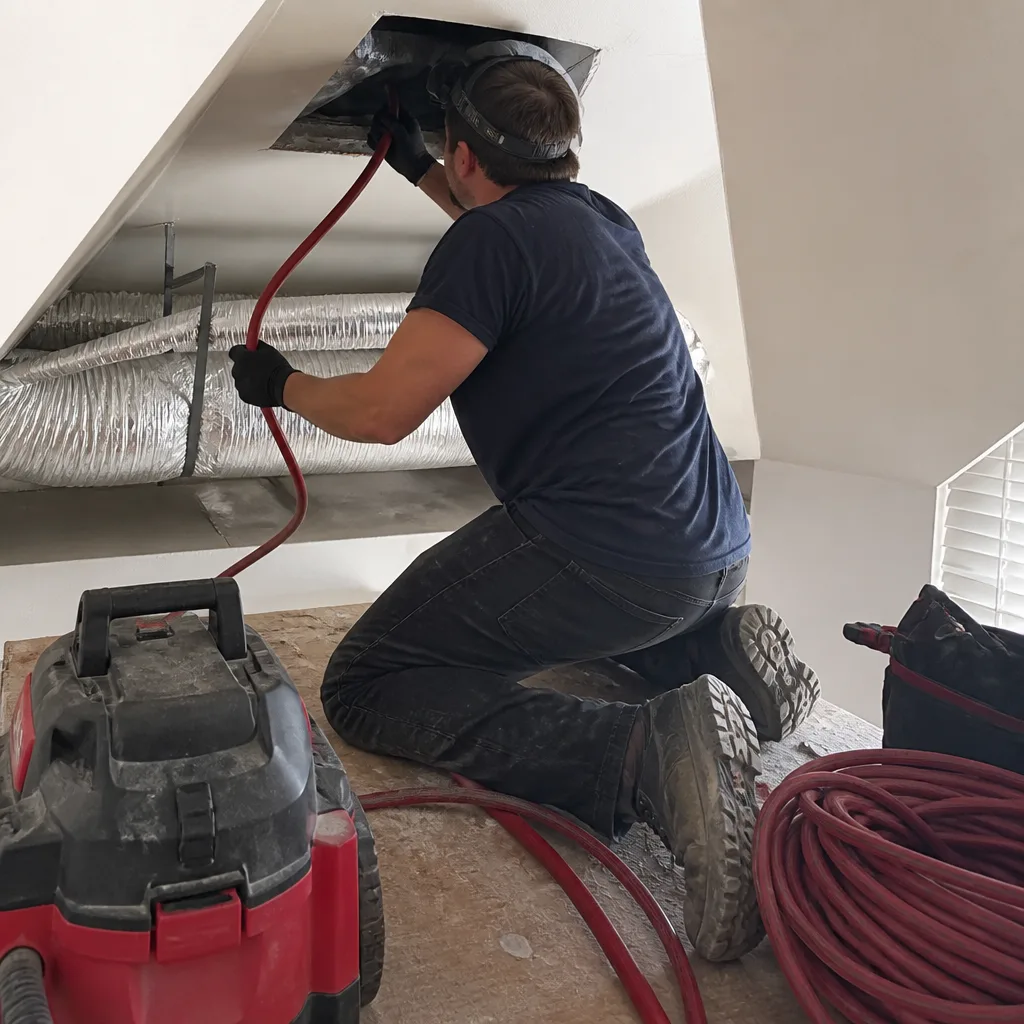 After
After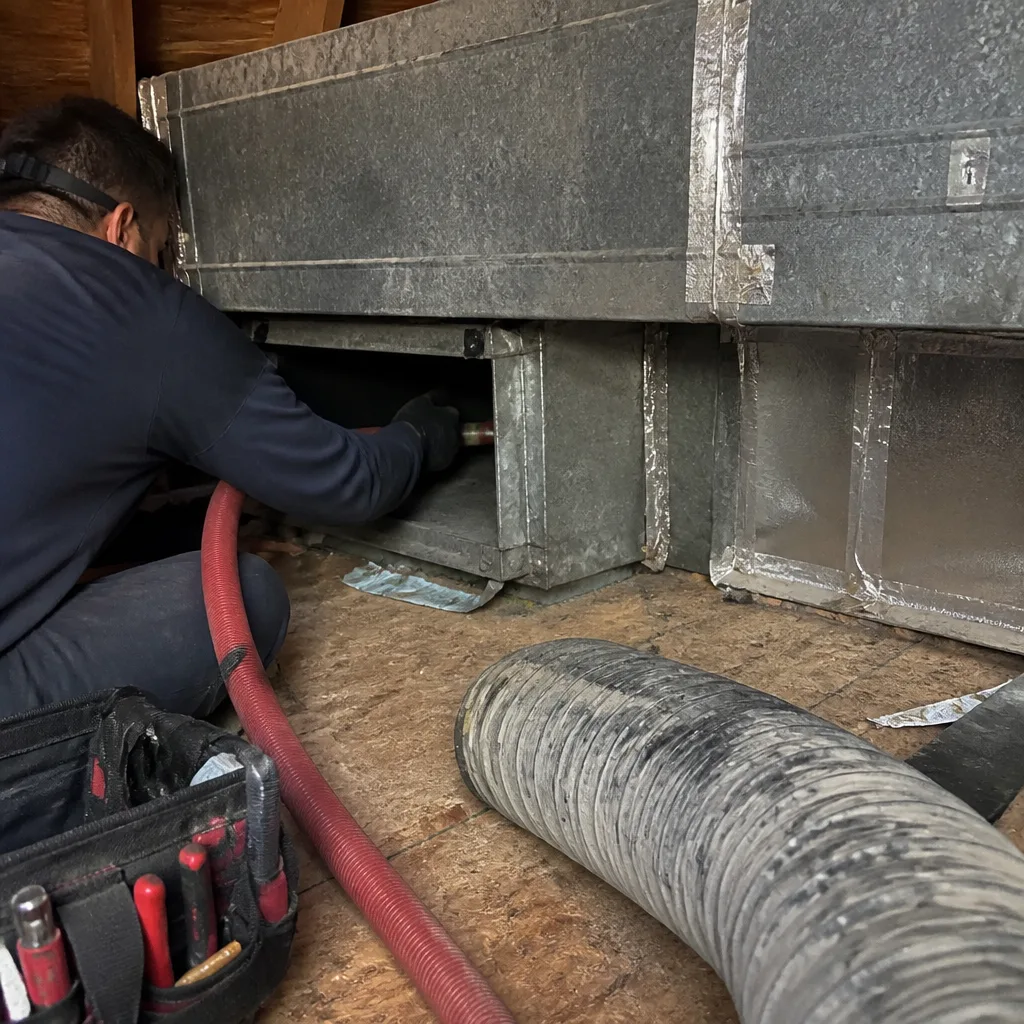 Before
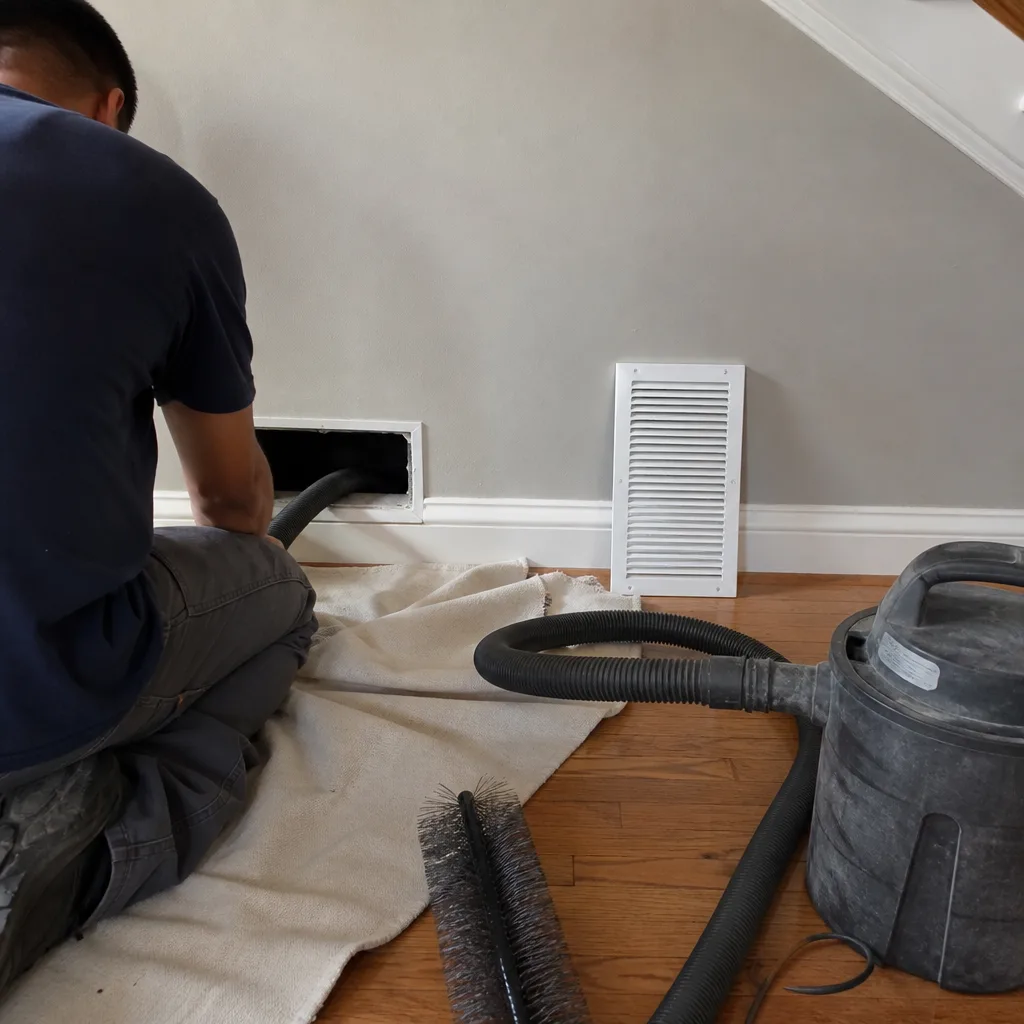 After
After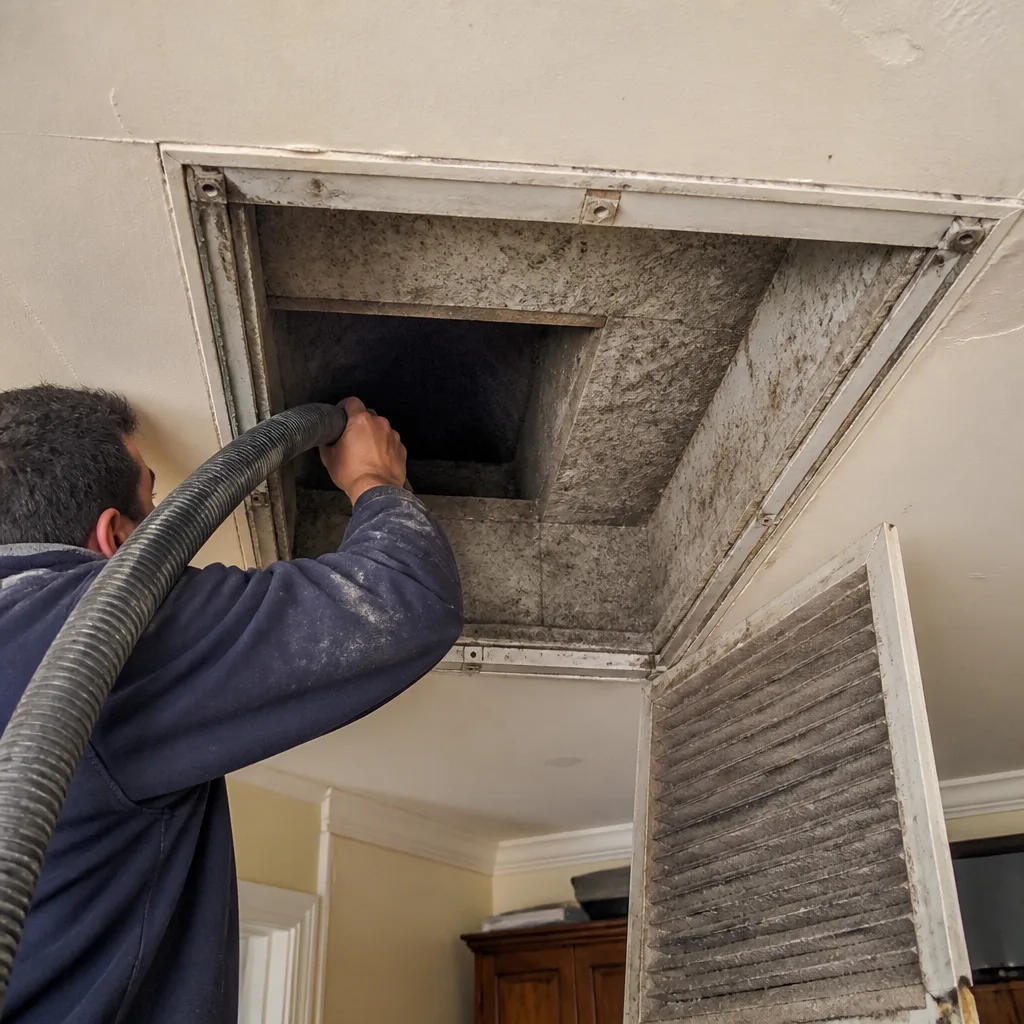 Before
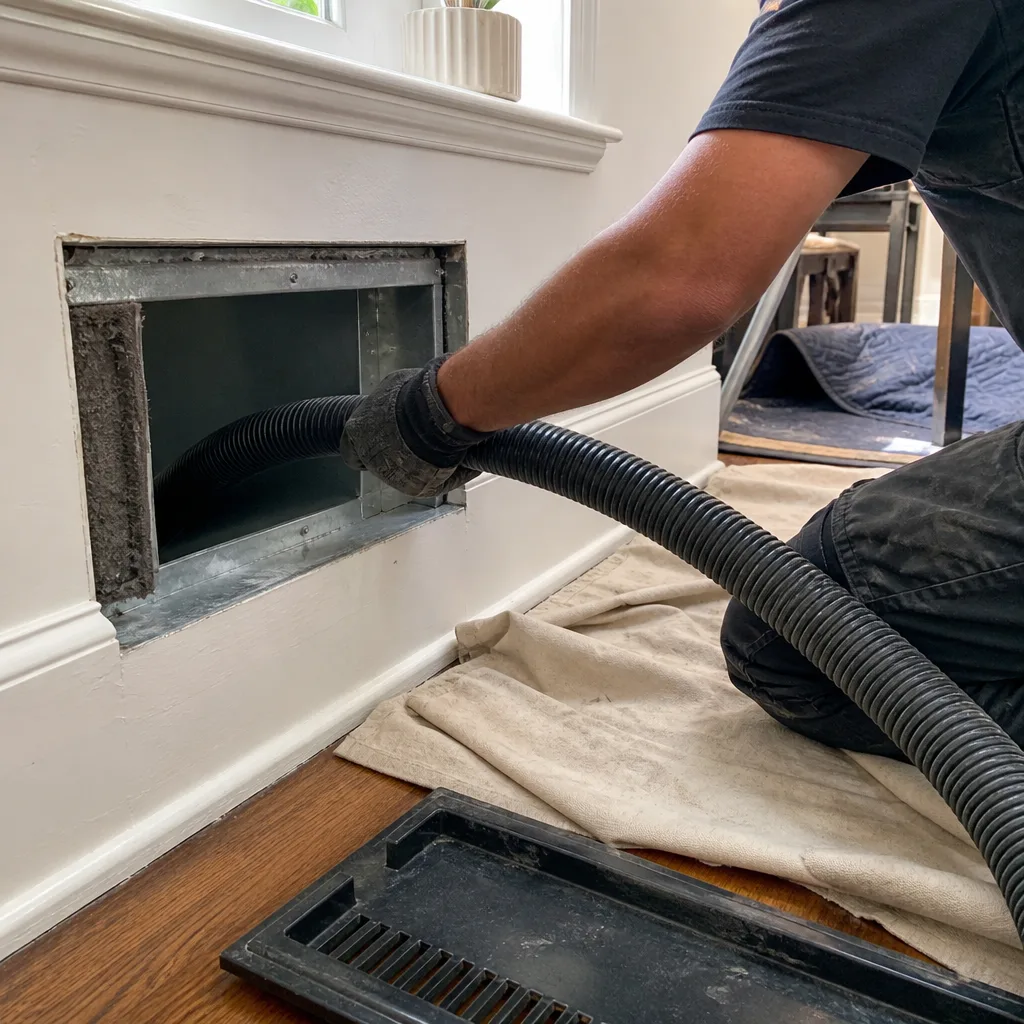 After
AfterHoneywell Air Duct Cleaning in Washington: What to Know First
We provide independent Honeywell air duct cleaning in Washington, DC for homeowners who want the work photographed, priced in writing, and guaranteed for a full year. Most residential Honeywell systems we service in the District run between $420 and $780 for a complete supply-and-return cleaning, depending on whether the home has the compact flex-duct runs common in Capitol Hill rowhouses or the rigid metal trunk lines found in pre-war buildings near Dupont Circle. Every job starts with a written price before a panel comes off, and every duct run is photographed before and after. If you own a Honeywell air handler, media cleaner, or electronic air cleaner and you’re noticing reduced airflow, uneven temperatures between rooms, or visible debris at the registers, call (240) 363-3380 for a free estimate.
How Honeywell Products Fail - and How We Fix Them
- F50 Electronic Air Cleaner arcing and ozone smell. The F50 series, still common in 1980s and 1990s-era DC rowhouses, uses ionizing wires and collector cells that crack with age. When the cells warp, they arc against the frame and produce a sharp ozone odor that homeowners often mistake for burning dust. We remove the cells, photograph the damage, and quote replacement against cleaning and reassembly. In many Washington homes with original F50s, we find the cells have been “cleaned” by previous services but never tested for electrical leakage - the unit powers on but doesn’t actually ionize.
- F100 Media Air Cleaner bypass due to filter collapse. The F100’s 4-inch pleated media can fold inward when overloaded, creating a gap where unfiltered air bypasses entirely. This happens faster in DC’s humid summers when the media swells. We document the gap with a borescope photo, replace the media with the correct MERV rating for the system’s static pressure, and check the F100’s door seal - a common leak point we see in Petworth and Columbia Heights installations where the cabinet was retrofitted into tight mechanical closets.
- TrueCLEAN Electronic Air Cleaner (F300) power supply failure after cleaning. The F300’s power supply sits low in the cabinet, and improper cleaning technique - spraying cleaner upward or using excess moisture - shorts the board. We’ve replaced enough F300 power supplies after other services that we now disconnect and bag the supply before any wet cleaning begins. It’s an extra five minutes that saves the homeowner a $340 part.
- DR90 whole-home dehumidifier drain pan and duct integration issues. The DR90, popular in DC’s below-grade English basements, ties into the main return duct and can back-drain if the condensate line sags. We find algae-blocked lines every July when humidity peaks, and we clean the pan, clear the line with a nitrogen purge, and photograph the duct connection point for corrosion. The DR90’s small footprint makes it attractive for tight DC mechanical spaces, but that same tightness means the duct boot often leaks where it meets the return plenum.
- Zone dampers in Honeywell HZ432 TrueZONE panels sticking closed. The HZ432 panel controls motorized dampers in multi-zone systems, and when dampers stick - usually from debris buildup on the blade or a failed actuator motor - one floor heats while another doesn’t. We scope the damper throat, clean the blade and seal, and test actuator travel before reassembly. In larger DC condos near Logan Circle with HZ432 systems, we regularly find dampers that were forced manually and never recalibrated, throwing off the panel’s staging logic.
Our Honeywell Air Duct Cleaning Process
- 1
Call and scope. We ask which Honeywell components are installed, their approximate age, and what symptoms you’re seeing. Tomas Reyes or a senior tech reviews the job notes before we schedule.
- 2
On-site inspection with written price. We open the air handler, locate the Honeywell component, and photograph the interior of every accessible duct run. The written price follows Haven Standard Clause 1 - agreed before work starts, no exceptions.
- 3
Component-specific disconnection and protection. Electronic cells, power supplies, and media cabinets are removed and protected according to the component. We label every wire with Honeywell’s terminal designations.
- 4
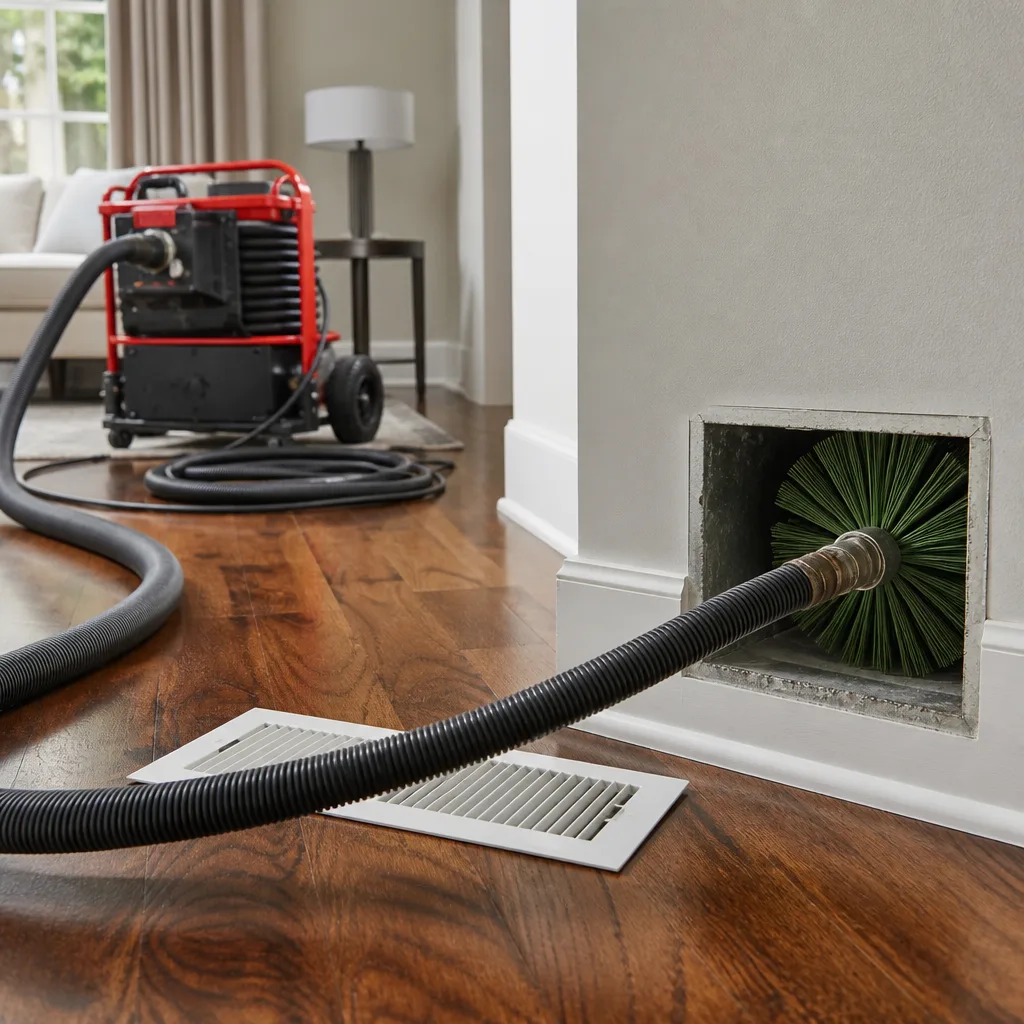
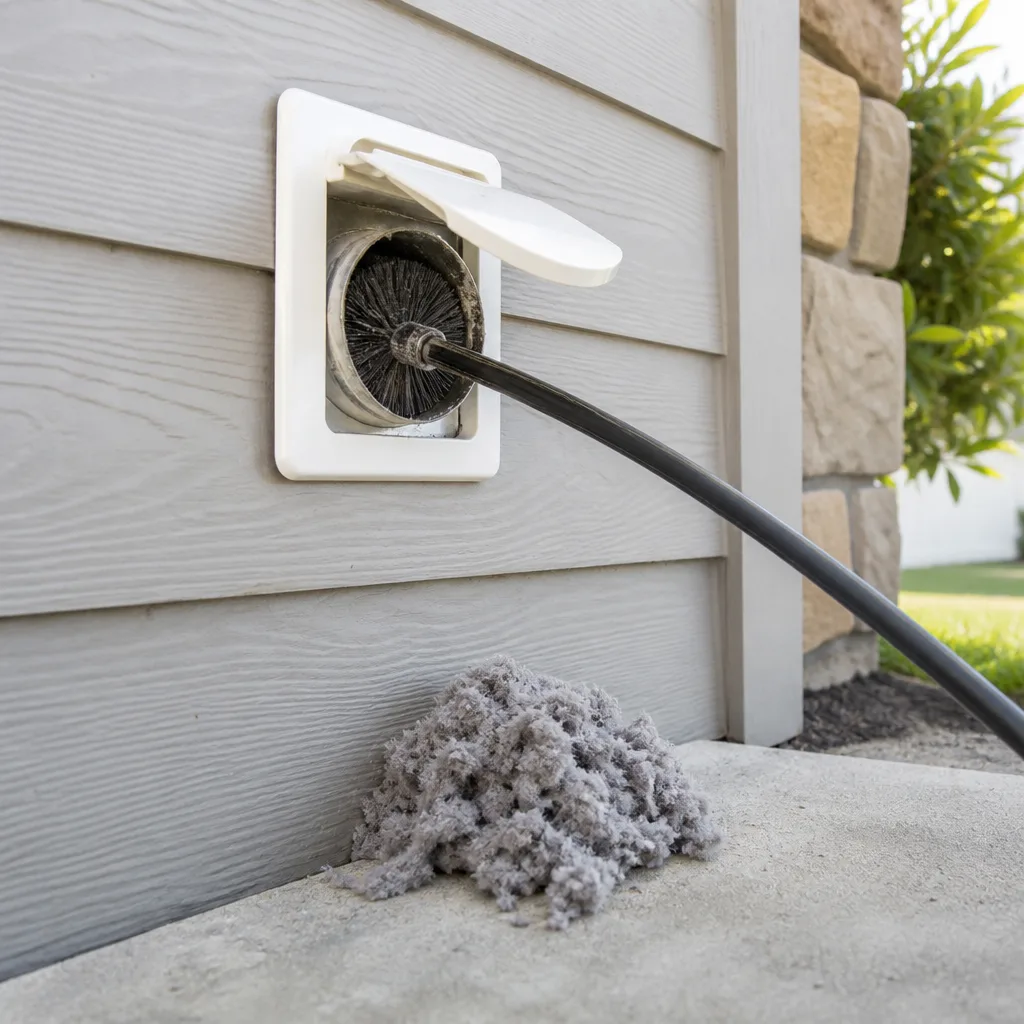
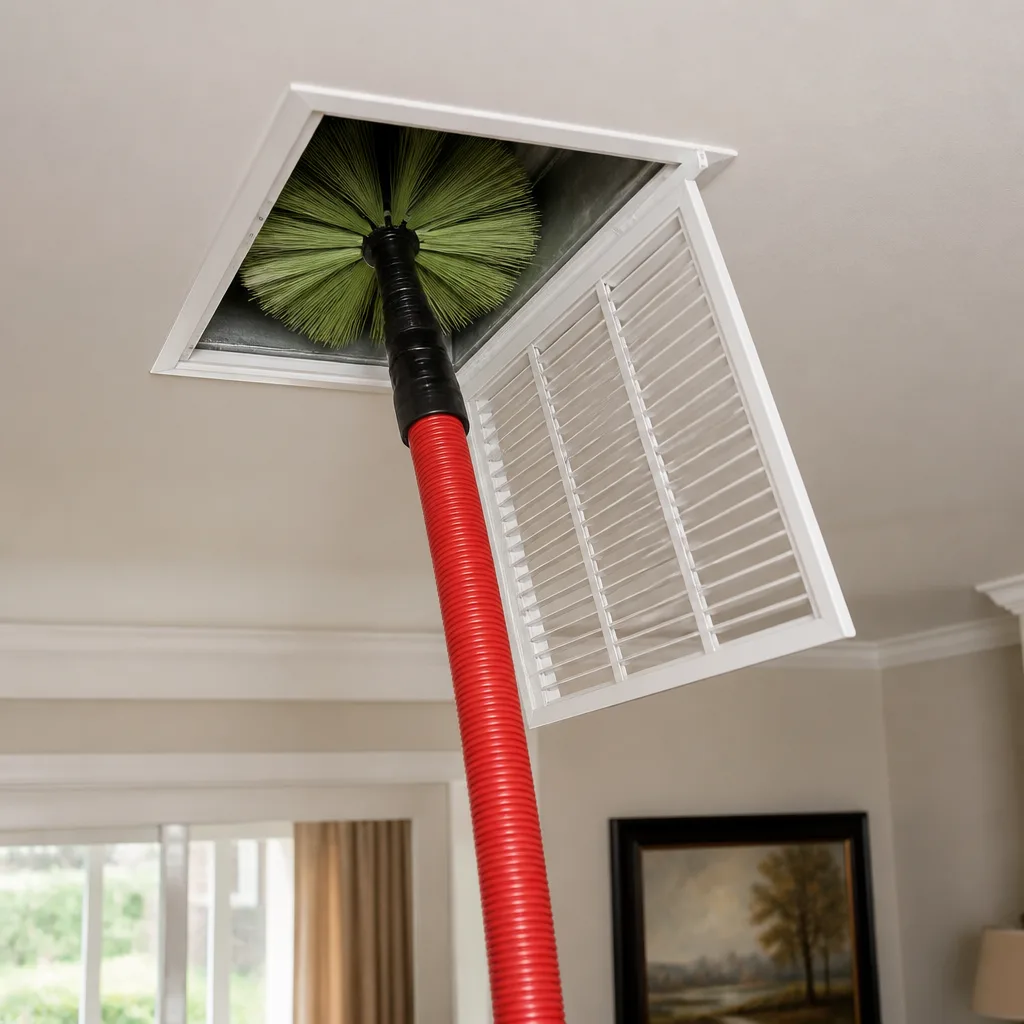
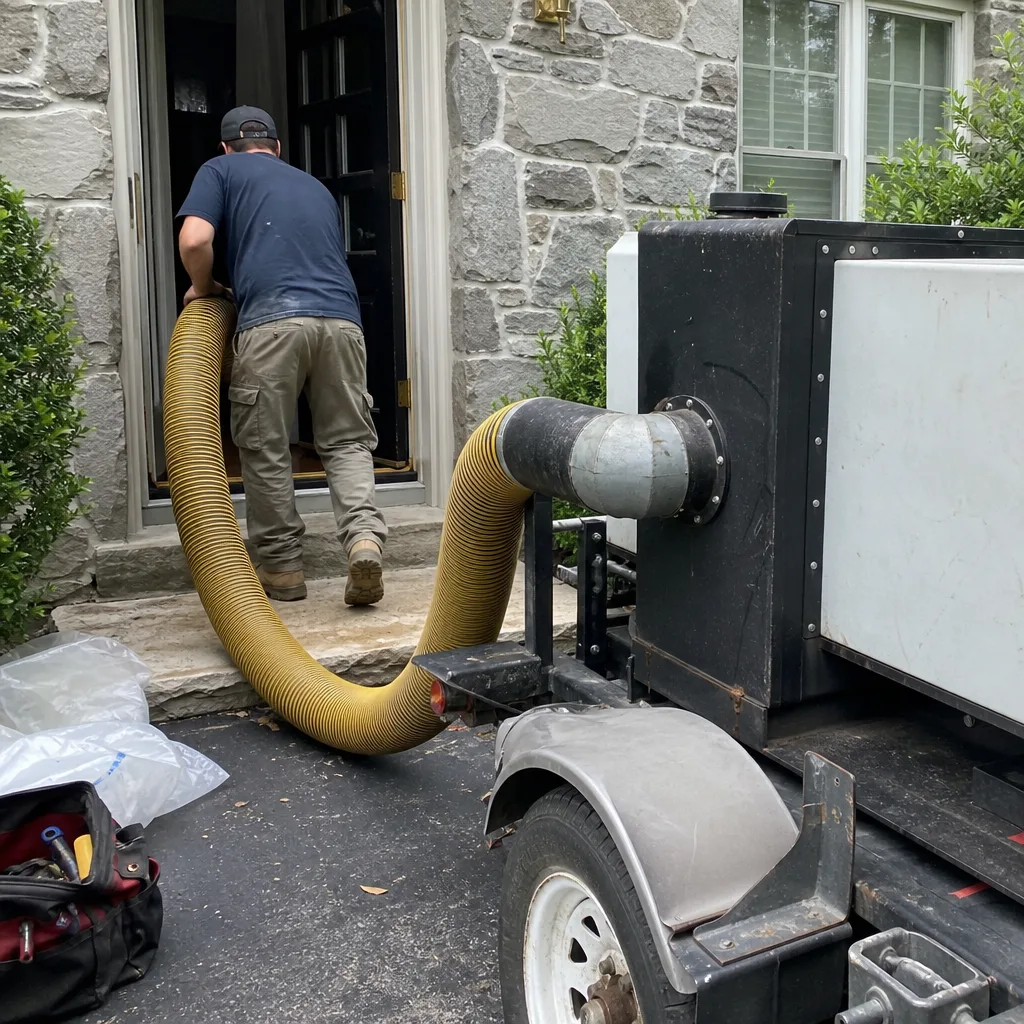
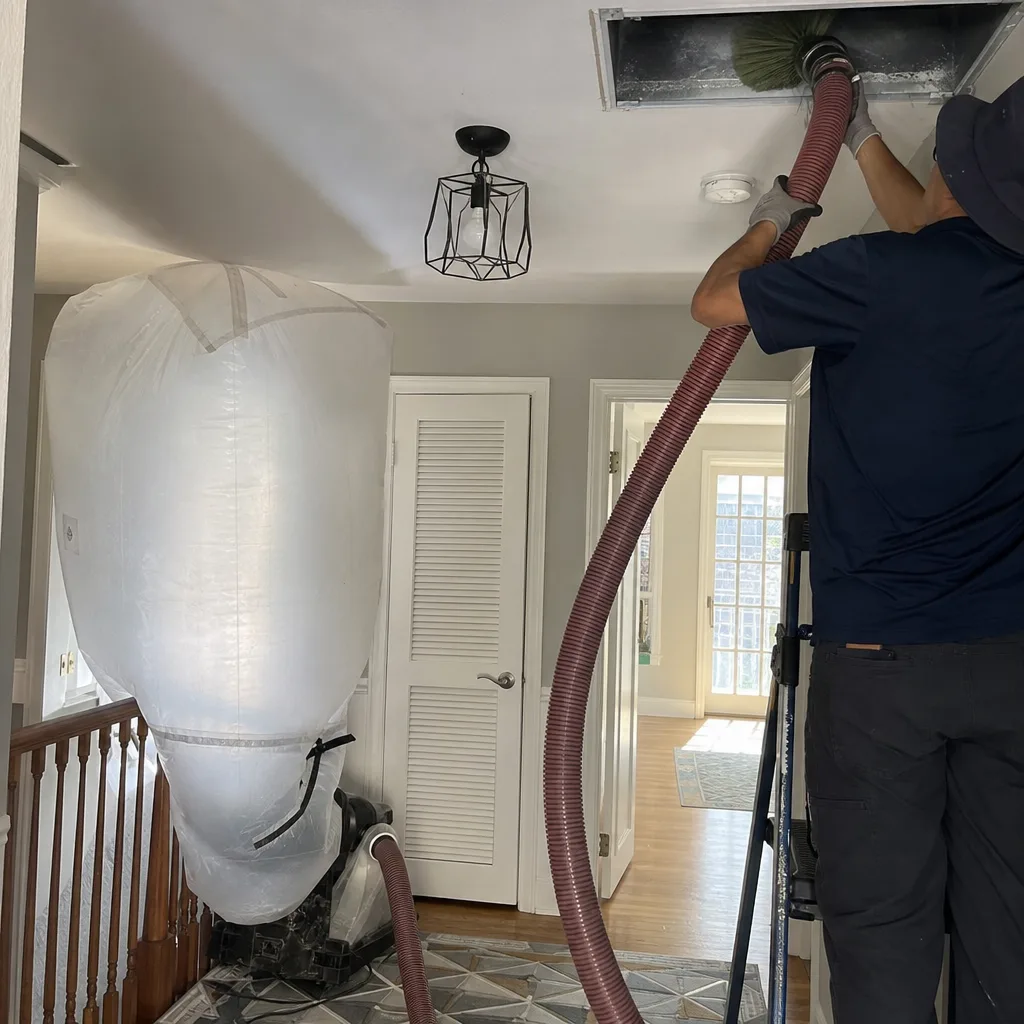
Negative-pressure extraction and mechanical agitation. We use Rotobrush and Nikro equipment sized to the duct type - flex duct gets softer brushes, rigid metal gets stiffer poly bristles. The plenum, trunk lines, and branch runs are cleaned under continuous negative pressure so debris exits the system, not your living space.
- 5
Component reassembly, test, and photo record delivery. Honeywell parts are reinstalled, powered, and function-tested. The before-and-after photo record is delivered as a standard job document, and the 365-Day Done Right Promise is issued in writing.
BeforeAfterWhat Honeywell Air Duct Cleaning Costs in Washington
| Service | Typical Range | What Moves the Price |
|---|---|---|
| Standard residential duct cleaning (Honeywell system, single zone) | $420 - $620 | Number of duct runs, access difficulty, presence of F100/F50 component cleaning |
| Multi-zone system with Honeywell zone panel (HZ432) | $580 - $780 | Damper access, additional trunk lines, panel recalibration |
| Honeywell electronic air cleaner deep service (F50/F300) | $180 - $340 | Cell condition, power supply testing, replacement vs. cleaning |
| DR90 dehumidifier integration cleaning | $240 - $420 | Condensate line condition, duct boot corrosion, pan access |
Older DC housing stock drives prices toward the higher end. Capitol Hill rowhouses with gravity-fed returns and original plaster lath require careful access. Homes near Rock Creek Park with larger systems and multiple Honeywell components fall in the middle. We also service Lennox, Trane, and Carrier systems with similar pricing transparency.
Call (240) 363-3380 for a free estimate - we’ll put the exact price in writing before any work begins.
Why Washington Homeowners Call CleanRun Air Duct Cleaning Washington for Honeywell Work
We’ve logged Honeywell jobs in Washington since 2013, from F50 rebuilds in 1920s rowhouses to DR90 installations in new condo buildings near the Navy Yard. Our crew knows the difference between a media cabinet that needs cleaning and one that needs replacement because we’ve photographed enough of both to fill a hard drive. The 365-Day Done Right Promise applies to every job, backed in writing, not subject to manager approval. Background-checked, uniformed technicians operate under H.A.V.E.N. Standard Clause 3: Verified Crews, and we publish our equipment roster - Rotobrush, Nikro, Abatement Technologies, Honeywell, Aprilaire, Guardsman - so customers can verify what enters their home. Tomas Reyes still reviews unusual duct configurations personally; his crew’s running list of DC breakfast spots is updated weekly, but the photo record is what we stake our reputation on. Show the before photo first. Everything else follows from that.
FAQs
No, professional cleaning does not void a Honeywell warranty, but using non-OEM replacement parts or improper reassembly can. We document every step with photos and use manufacturer-specified procedures so warranty coverage remains intact. If your F300 or F50 is still under warranty, we note the serial number and service date in your job record for future reference. Call (240) 363-3380 if you need help determining warranty status.
For electronic components - power supplies, control boards - we recommend OEM Honeywell parts because voltage tolerances are specific and failures can cascade into the HVAC control system. For media filters and collector cells, quality aftermarket equivalents from recognized manufacturers perform identically at lower cost, and we stock both options. We list the part source on every written estimate so you decide before we order.
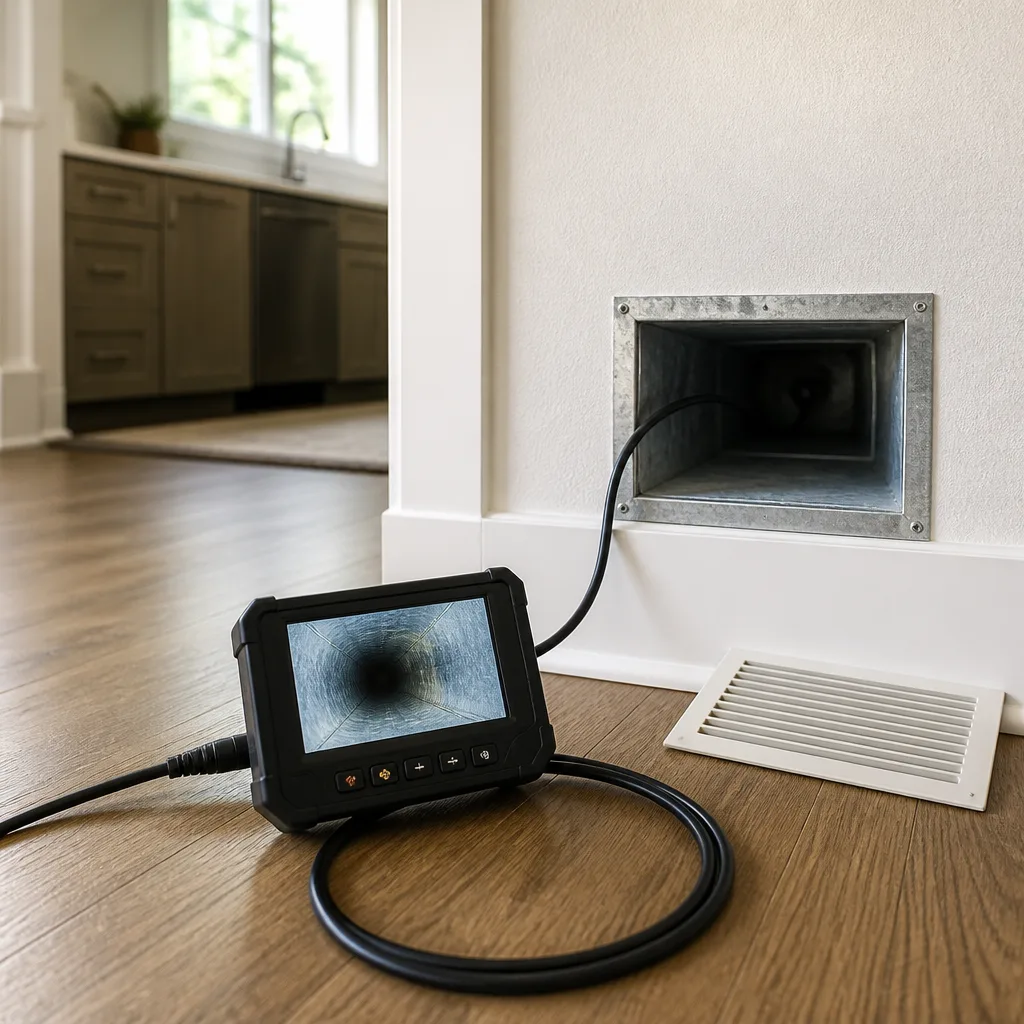
Every duct run is photographed before and after with a borescope camera, and the images are delivered as part of your standard job record. If a run cannot be photographed due to access constraints, we note the reason in writing and photograph the access point. This practice has been non-negotiable at CleanRun since our first job in 2013.
Most Honeywell media and electronic air cleaners are worth repairing if the cabinet is intact and the HVAC system itself has remaining life. We replace power supplies, cells, and media; we don’t sell new air handlers. If your HVAC contractor is recommending full system replacement, bring us their written estimate for a free second opinion - we’ll inspect the Honeywell component independently and tell you whether it can be salvaged.
Every three to five years for typical DC residential systems, sooner if you have pets, recent renovation, or visible debris at registers. Homes near major thoroughfares like 14th Street or Georgia Avenue may accumulate particulate faster due to traffic density. We inspect and advise; we don’t sell maintenance contracts that lock you into unnecessary visits. Call (240) 363-3380 to schedule a look.
Written by Tomas Reyes, Owner & Lead Technician, CleanRun Air Duct Cleaning Washington at CleanRun Air Duct Cleaning Washington, serving Washington and nearby areas.