
Whole-system duct and dryer vent check with before-and-after photos - you see exactly what came out of your vents
That "$99 whole-house special" is a bait ad - the real number appears once they are in your hallway, or the "clean" is a shop-vac at the register. We photograph the inside of your ducts before and after instead.
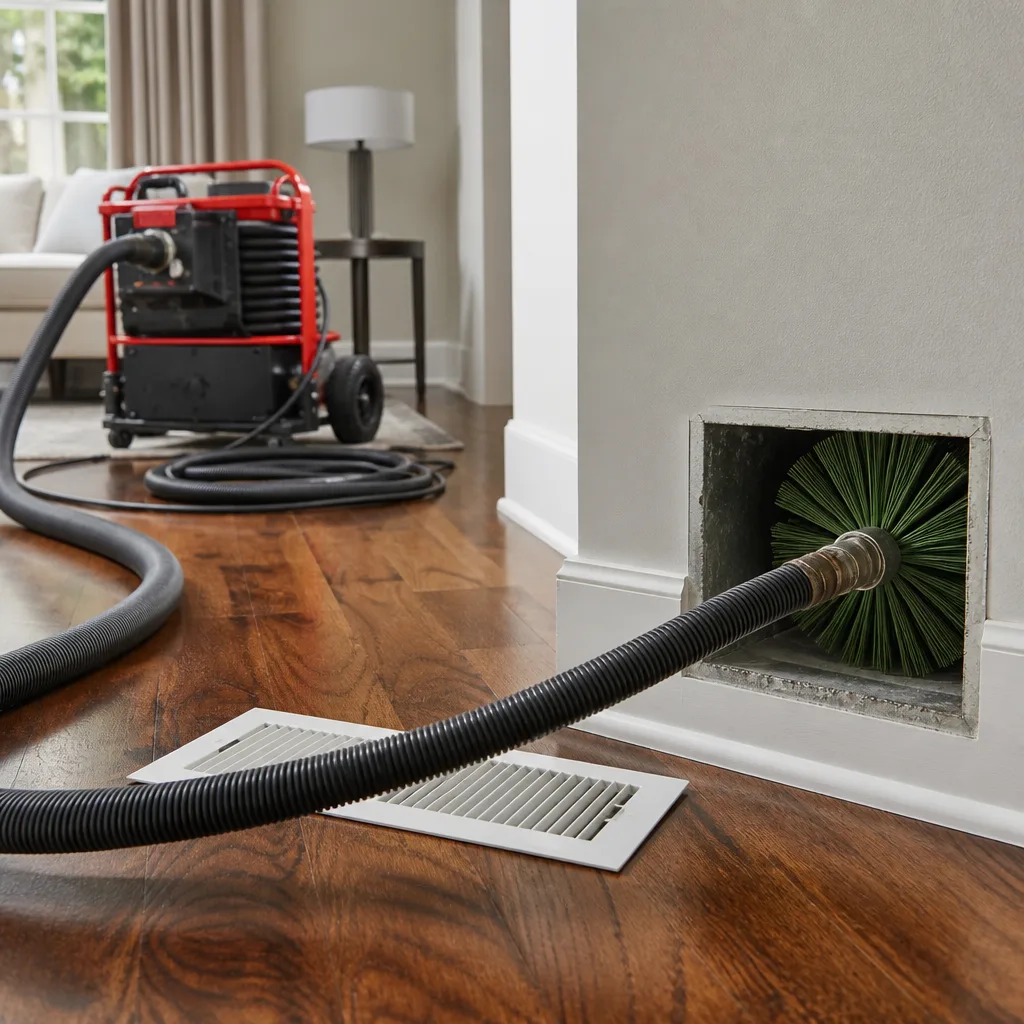
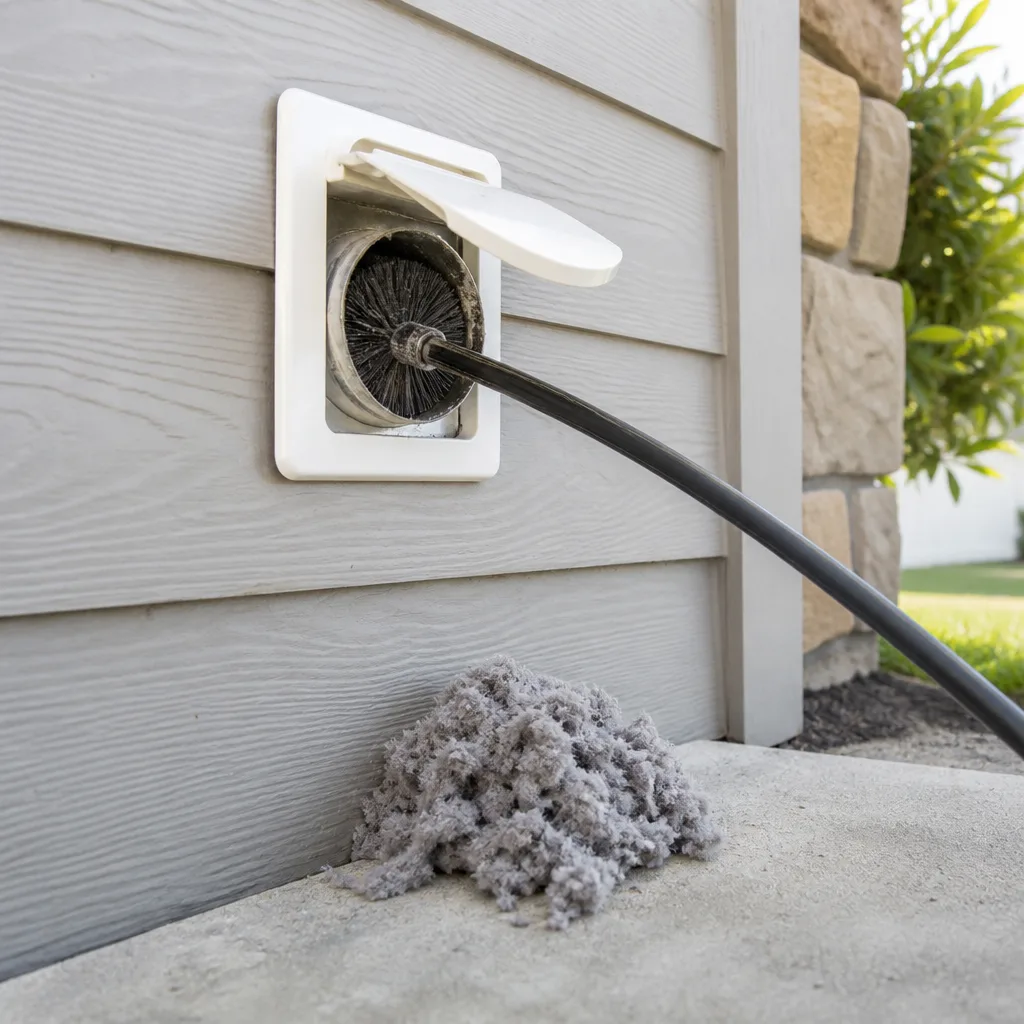
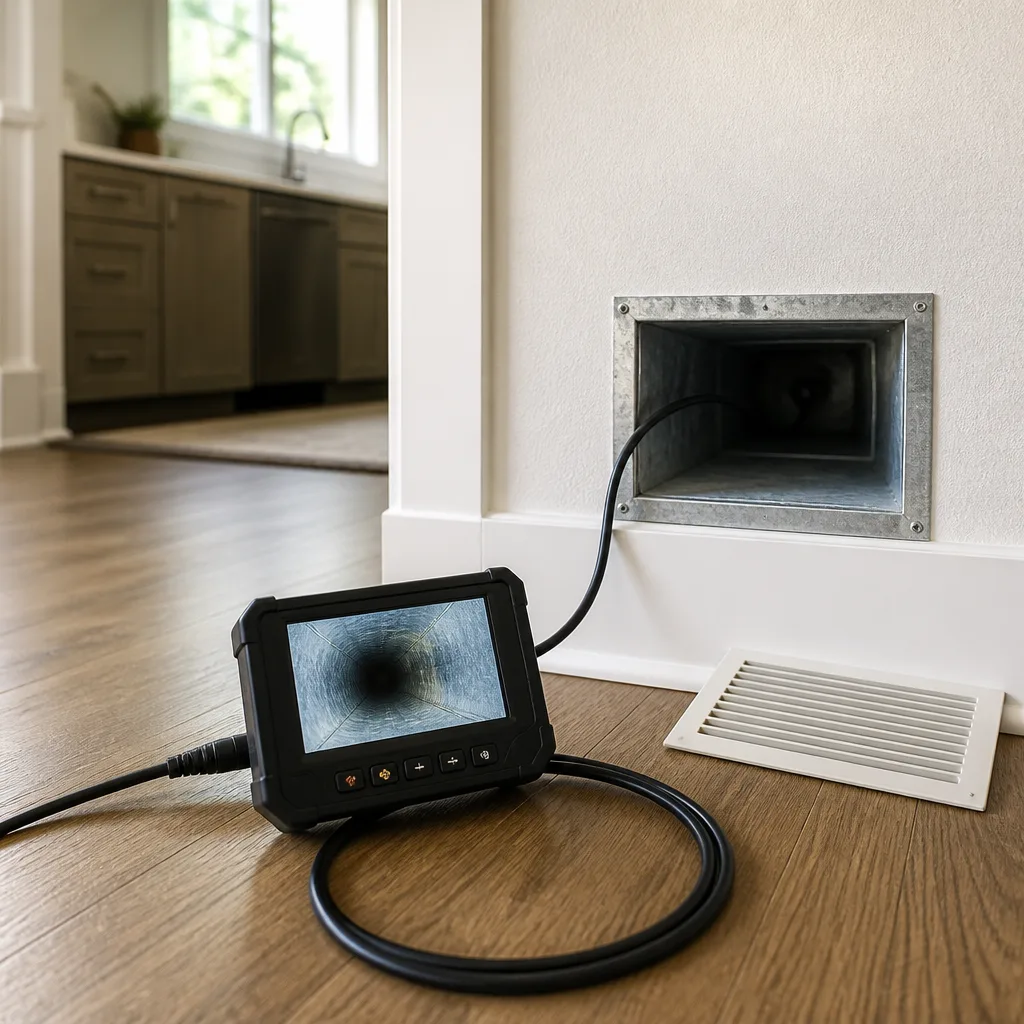
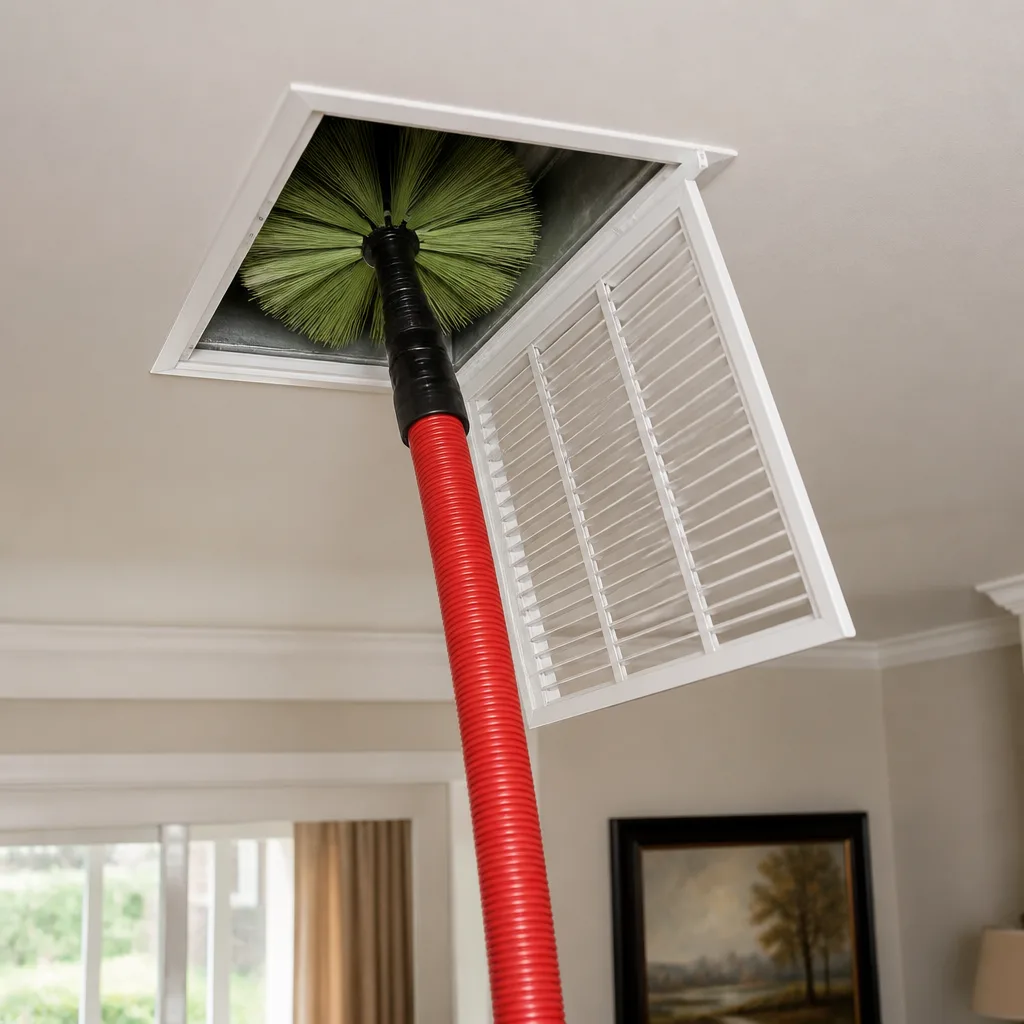
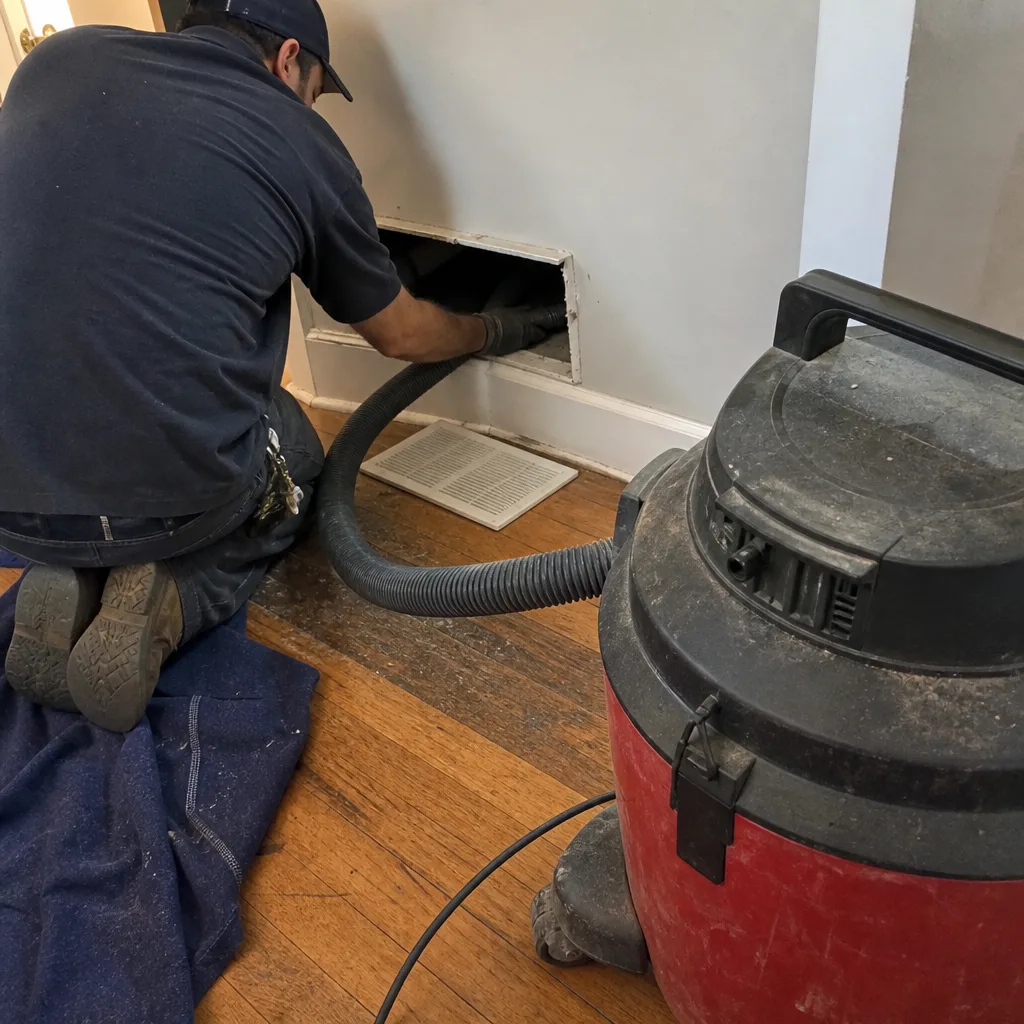 Before
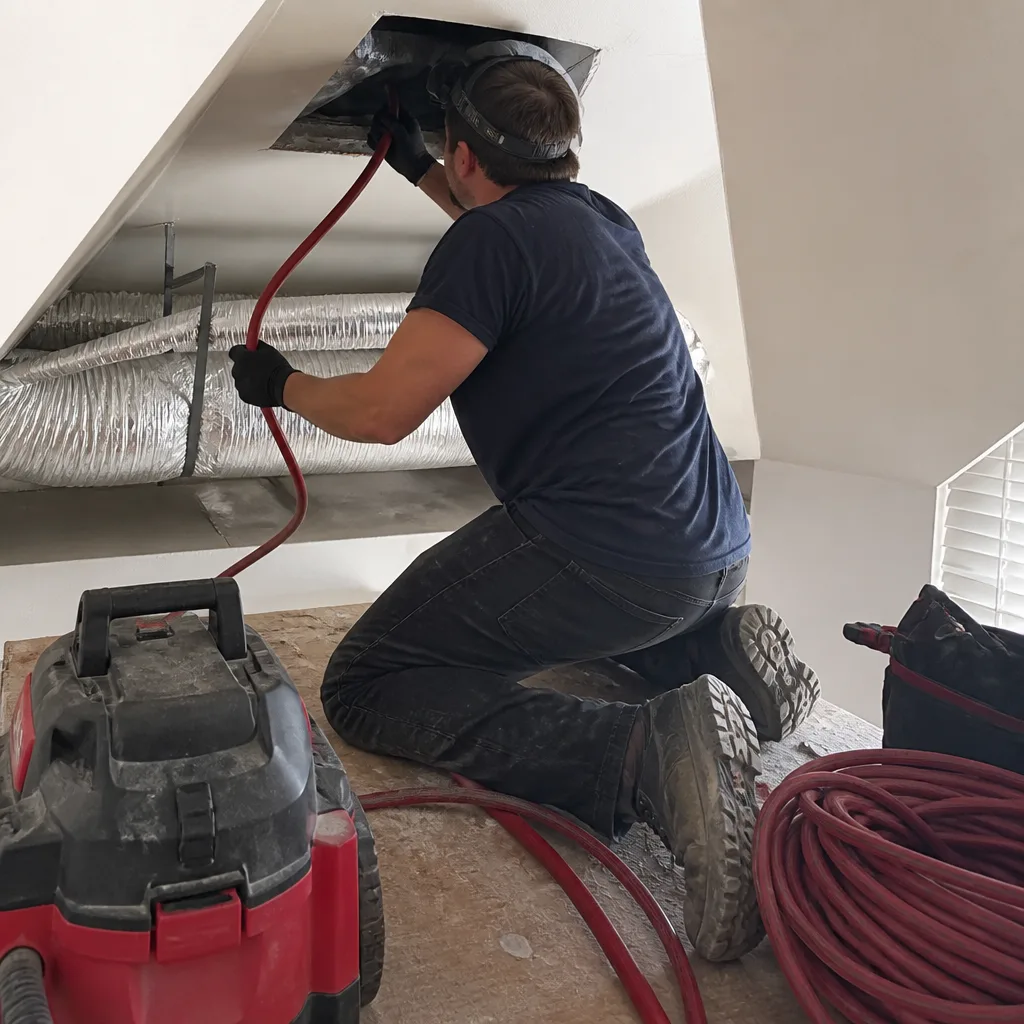 After
After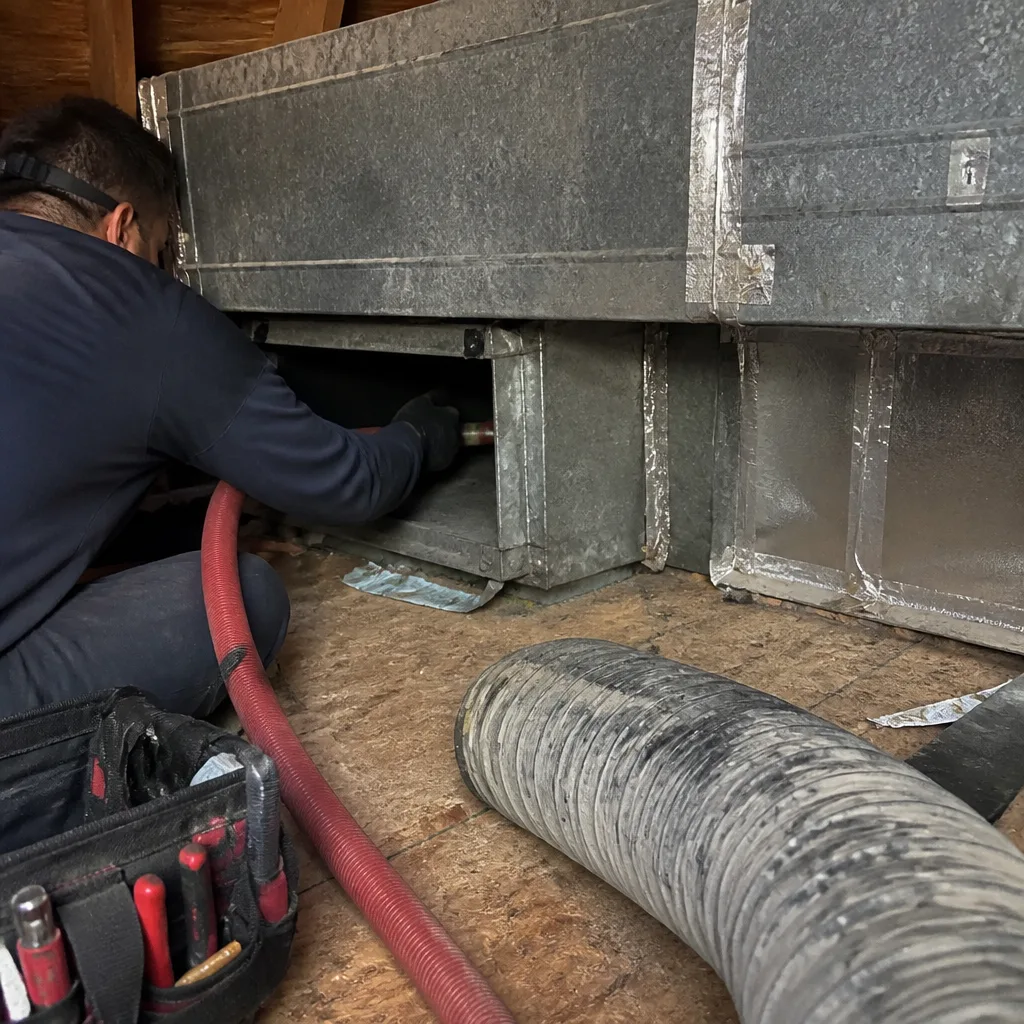 Before
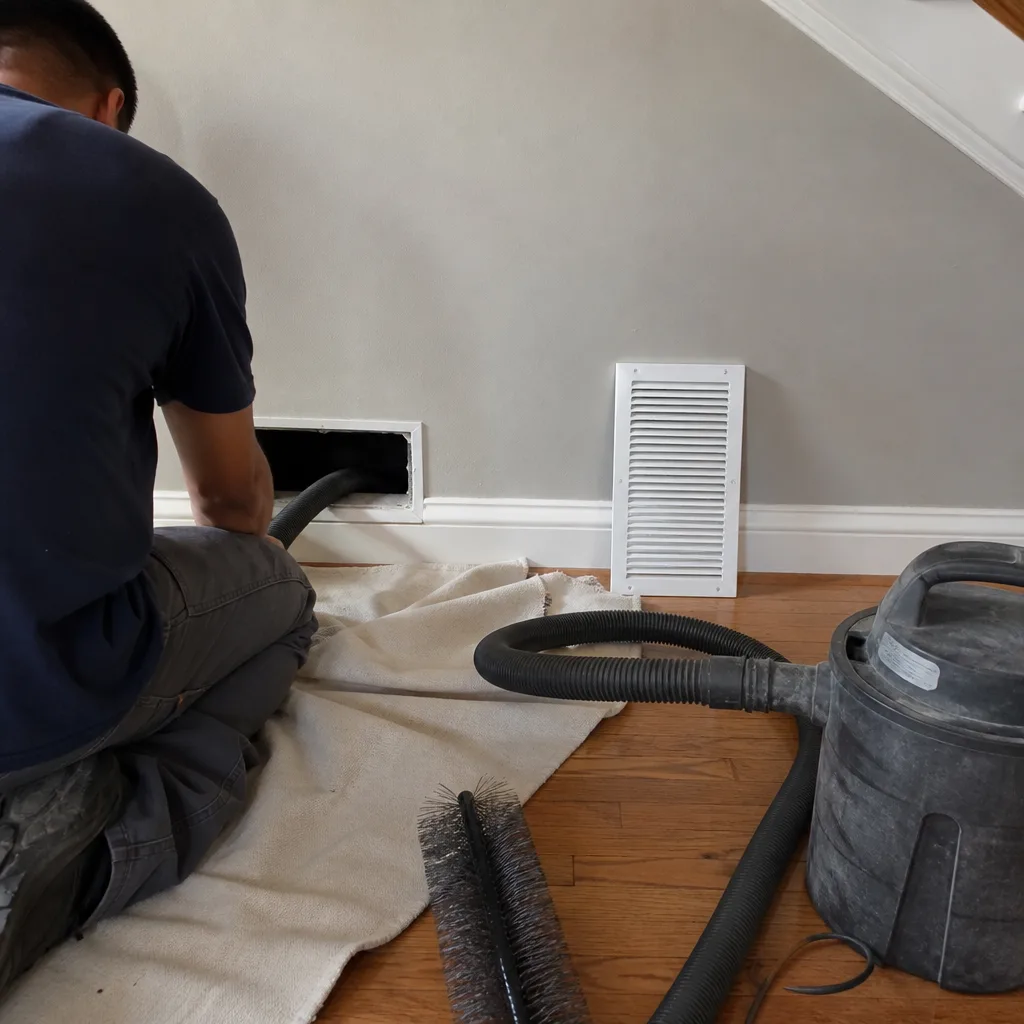 After
After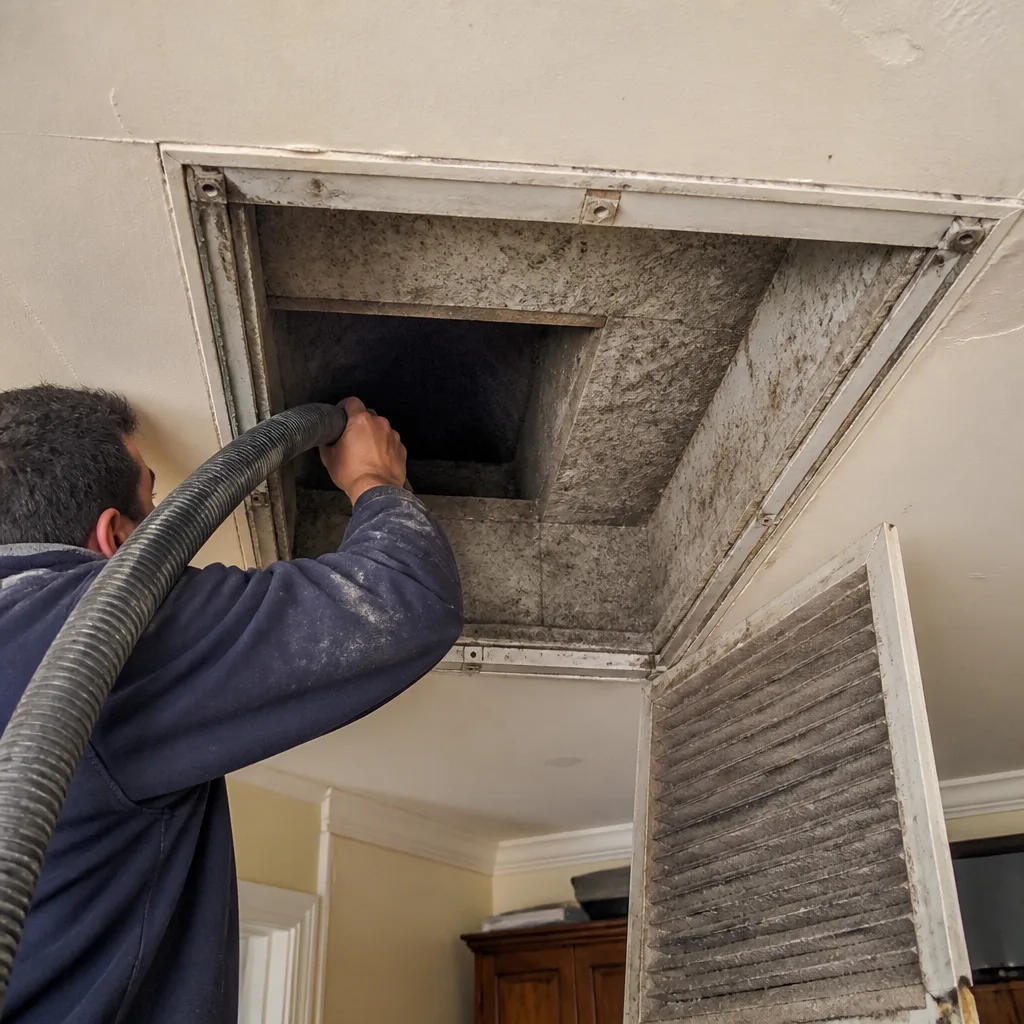 Before
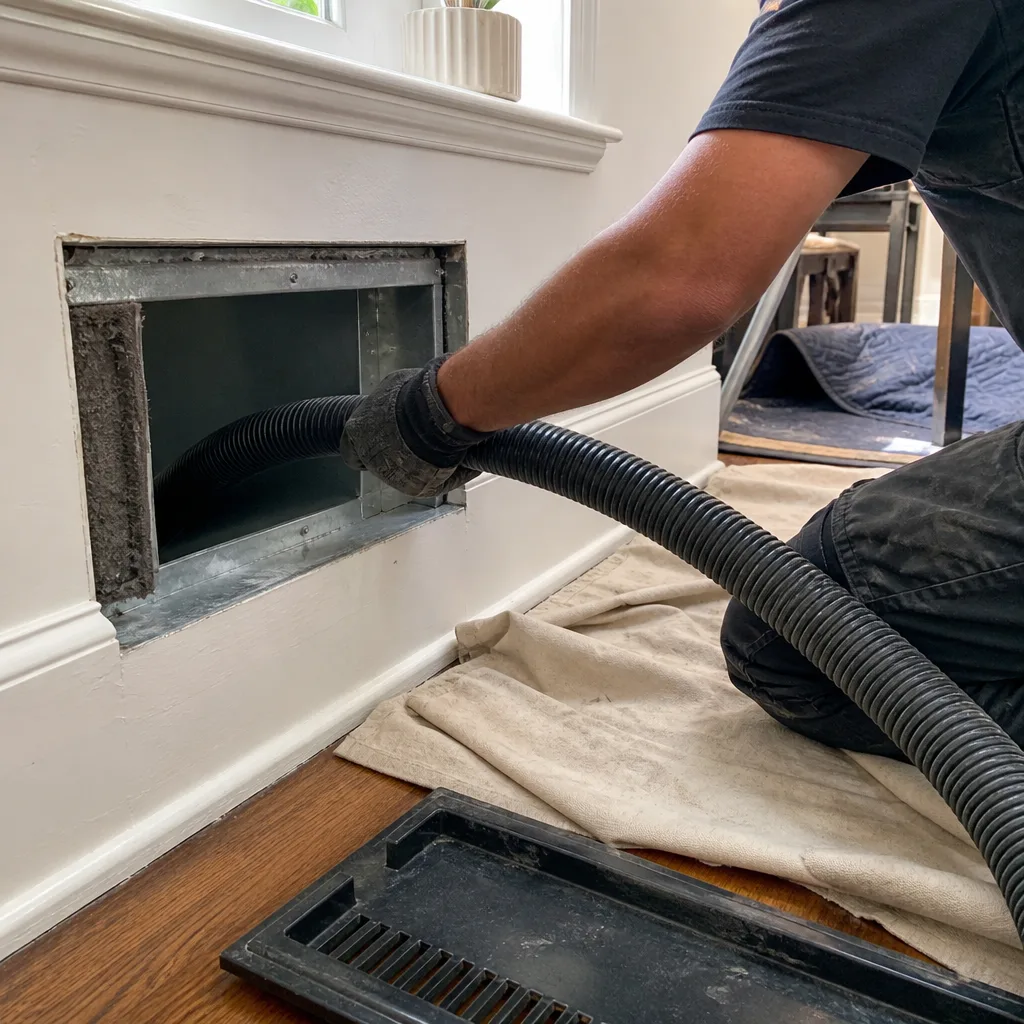 After
AfterHoneywell Coil Cleaning: The Washington Owner’s Guide
Honeywell evaporator and condenser coil cleaning in Washington typically runs $340-$580 for a full system service, depending on coil accessibility and contamination level. We stock Honeywell-compatible cleaning agents and tools on every truck, and most coil jobs in the District are completed same visit once scheduled. Most Washington homeowners realize their Honeywell coil needs attention when the upstairs never cools below 78 degrees in July, or when their energy bill spikes $80-$120 during a humid August without any thermostat change.
Which Honeywell Models This Applies To
Honeywell coils appear across several HVAC product lines, and the part numbers matter more than the thermostat brand most owners recognize. We regularly service coils in Honeywell-branded air handlers (model prefixes AB, MV, and FHV series), as well as coils manufactured by Honeywell for OEM integration into Carrier, Lennox, and Trane systems sold in the mid-Atlantic market between 2008 and 2020. The critical identifier is the coil model sticker, usually found on the upstream face of the A-frame evaporator or the curved edge of a slab condenser coil, not on the outer cabinet.
Washington’s housing stock complicates this. Rowhouses in Capitol Hill and Georgetown often have Honeywell coils squeezed into 18-inch wide mechanical closets with gravity-fed returns, meaning the coil may be a custom-width 17.5-inch or 21-inch variant rather than the standard 24-inch residential size. We carry brushes and fin combs sized for these narrow configurations, because ordering the wrong width after disassembly costs a full day in DC traffic. For coils where the OEM fin density exceeds 12 fins per inch, we use Honeywell-specified foaming agents rather than generic alkaline cleaners that can degrade the aluminum alloy.
CleanRun Air Duct Cleaning Washington is an independent service provider with no affiliation to Honeywell International. We source OEM-compatible cleaning agents and tools from trade suppliers, and we stock Guardsman and Honeywell-branded products where they meet the job specification.
Signs Your Honeywell Coil Cleaning Is Failing
- Uneven cooling across floors. A Honeywell evaporator coil choked with dust and biofilm cannot transfer heat efficiently, so the compressor runs longer while the upstairs registers blow air that feels only slightly cool. In Washington’s humidity, this often first appears in May when the dew point climbs above 60 degrees.
- Ice formation on refrigerant lines. Restricted airflow across a dirty coil drops the surface temperature below freezing, causing condensation to ice over. We’ve photographed this in Dupont Circle condos where the coil was so clogged that a 3-inch ice block formed across the distributor tubes.
- Musty or sour odor from registers. Organic buildup on a Honeywell coil produces microbial volatile compounds that bypass standard filters. The smell intensifies when the system first cycles on, then fades as the coil warms, which owners often mistake for a duct issue rather than the coil itself.
- Short cycling with no temperature change. The thermostat reaches its setpoint too quickly because the coil cannot absorb enough heat, causing the compressor to shut off before the house actually cools. This wears contactors and capacitors prematurely.
- Water stains below the air handler. A dirty coil sheds condensate unevenly, overwhelming the drain pan or causing overflow through the cabinet seams. In Washington’s older basement installations, we’ve found this misdiagnosed as a plumbing leak three times in the past two years.
BeforeAfterReplacement Cost & What’s Included
Full Honeywell coil cleaning service in Washington ranges from $340 for a straightforward evaporator in an accessible attic, to $580 for a contaminated condenser coil requiring chemical restoration and fin straightening. The price includes negative-pressure extraction of dislodged debris, application of foaming cleaner matched to the coil alloy, rinse cycle with controlled water pressure, and a documented photo record of the coil surface before and after treatment.
What moves the price: coil location (crawlspace work adds time), fin damage requiring comb restoration, and whether the coil has been neglected long enough to require multiple cleaning cycles. We deliver a written price before any panel comes off, under Haven Standard Clause 1. Every coil cleaning carries our 365-Day Done Right Promise, documented in writing on the job record, not as a verbal assurance. If the coil requires replacement rather than cleaning, we provide a Free Second Opinion against any competitor’s written estimate.
DIY or Call Us?
A homeowner can safely check three things: whether the filter is clean and correctly seated, whether the condensate drain line flows freely into the floor drain or pump, and whether the outdoor condenser has visible debris blocking the fins. These checks cost nothing and eliminate the obvious causes.
Beyond that, coil cleaning involves risks we flag plainly. Evaporator coils sit downstream of the blower in a plenum (the sheet metal box distributing air to the duct runs) that may carry live 240-volt electrical connections. Aluminum fins cut skin easily and bend under pressure from a standard vacuum hose. Misapplied foaming cleaner can corrode the copper tubing or the drain pan. And in Washington’s rowhouses, the mechanical closet is often too narrow to work in without disturbing refrigerant lines that must not be kinked. We recommend a trained technician for the cleaning itself. Call (240) 363-3380 and we’ll put a written price in front of you before any work starts.
FAQs
With proper maintenance, 15-20 years, though we see premature failure at 8-12 years when coils are never cleaned and the system runs continuously through humid summers. The Potomac River valley’s high summer dew point accelerates corrosion on the copper tubing where aluminum fins meet the coil header. Annual inspection and cleaning at the start of cooling season extends lifespan measurably. Call (240) 363-3380 to schedule before the July rush.
Cleaning is the repair for contamination; physical damage to fins or tubing requires replacement. We assess this with a borescope camera before quoting, so the photo shows you whether the fins are merely dirty or actually deteriorated. If replacement is needed, we deliver that written scope separately, with no pressure to proceed. Call (240) 363-3380 for an exact assessment.
Most residential Honeywell coil cleanings take 90 minutes to 2.5 hours, including setup, documentation photography, and system testing. Condenser coils in rooftop or tight backyard installations in Washington’s dense neighborhoods add 30-45 minutes for equipment positioning. We schedule by the job, not by the hour, so the price does not change if access proves slower than expected.
Yes. Every CleanRun truck carries Honeywell-specified foaming cleaner, fin combs in multiple densities, and narrow-width brushes for DC’s compact mechanical spaces. We also stock Guardsman and Abatement Technologies products where the job specification calls for them. The equipment roster is printed on your written estimate so you can verify brands independently.
Written by Tomas Reyes, Owner & Lead Technician, CleanRun Air Duct Cleaning Washington at CleanRun Air Duct Cleaning Washington, serving Washington and nearby areas.