
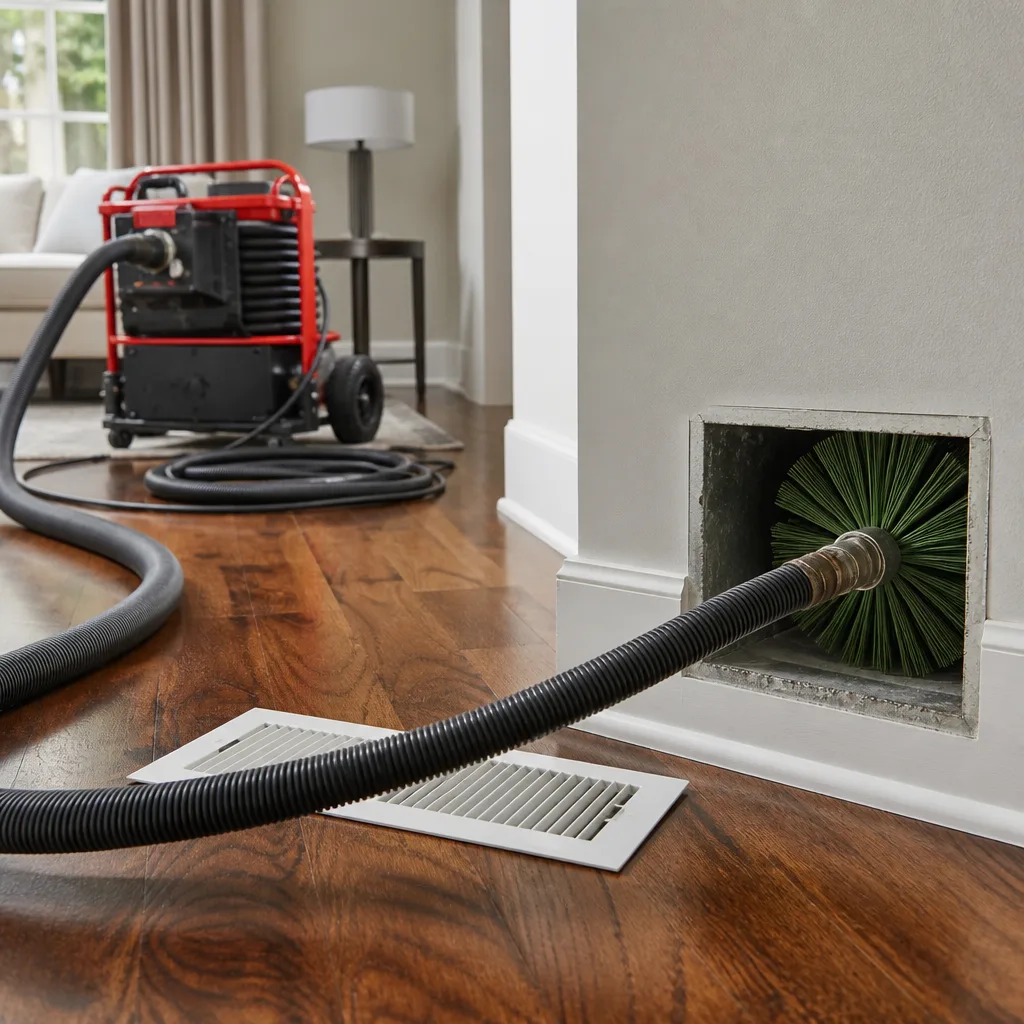
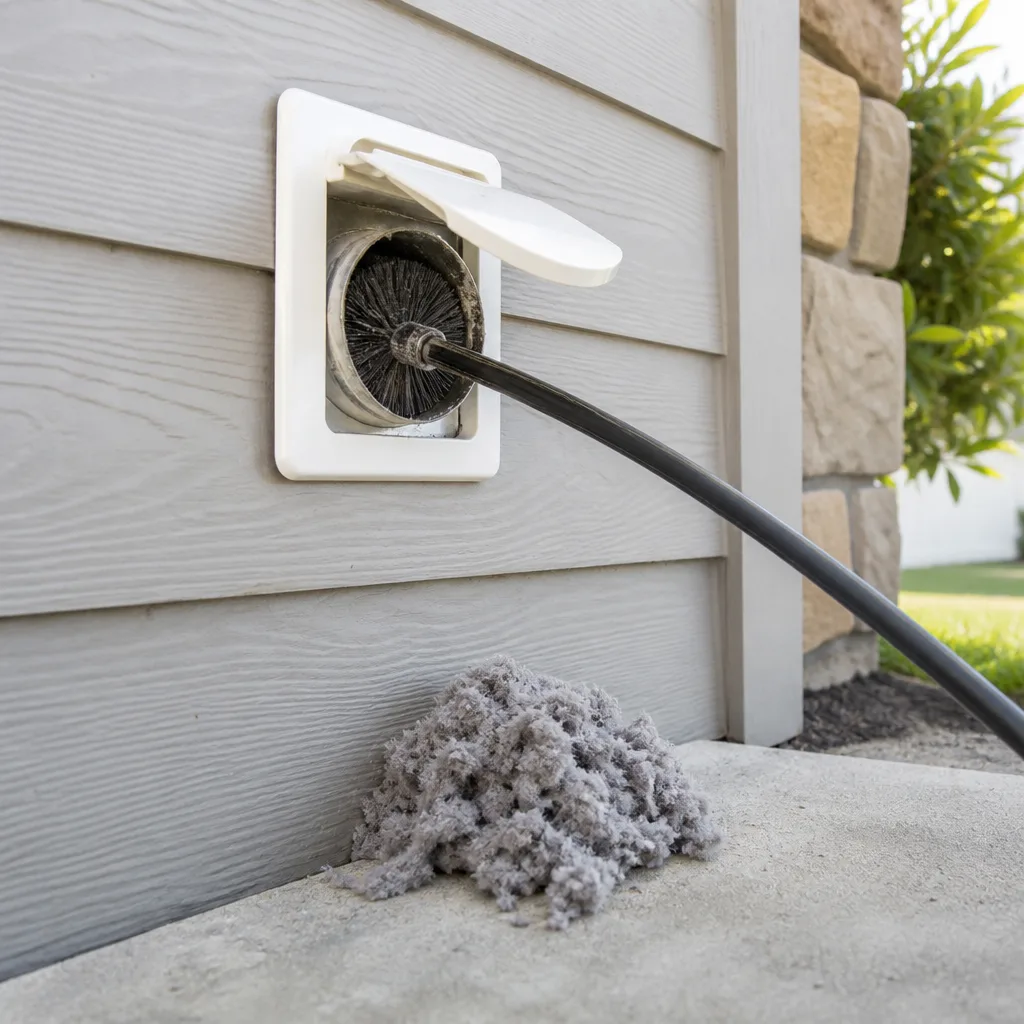
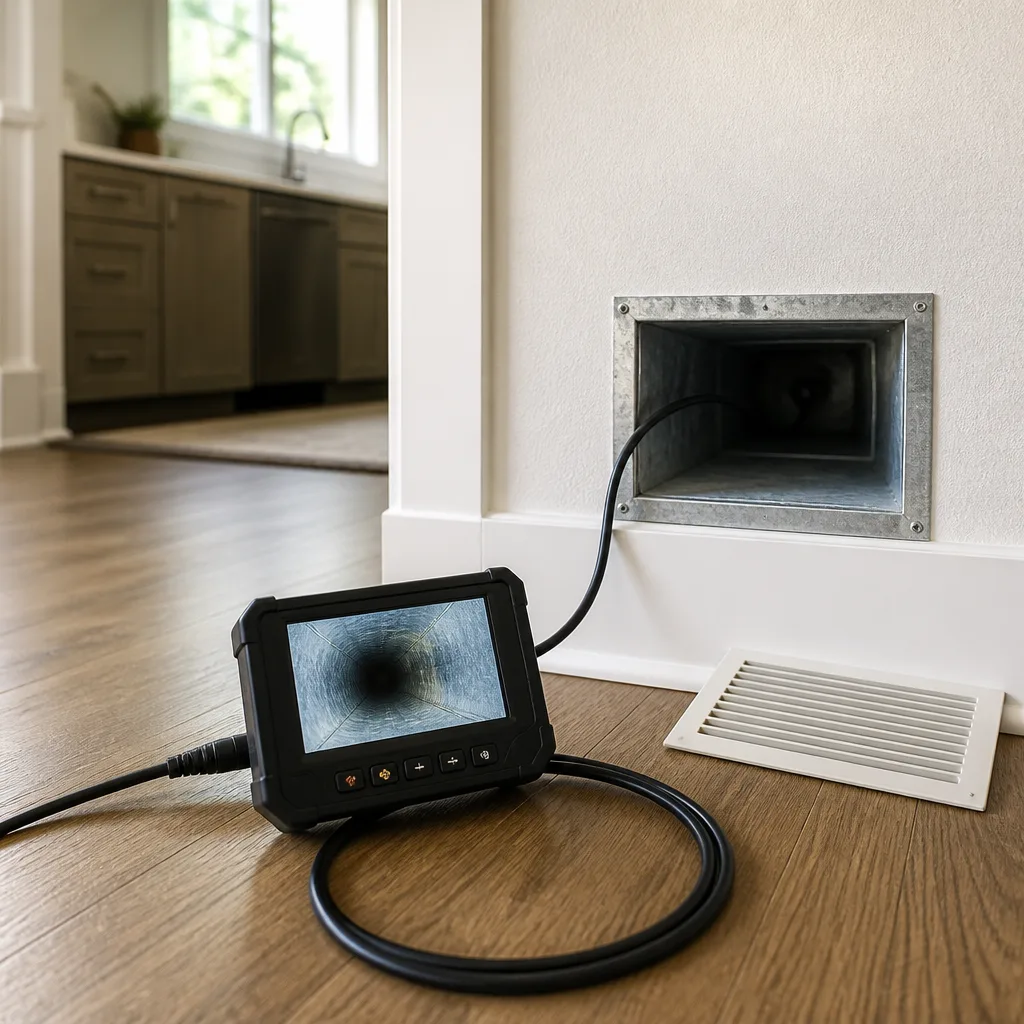
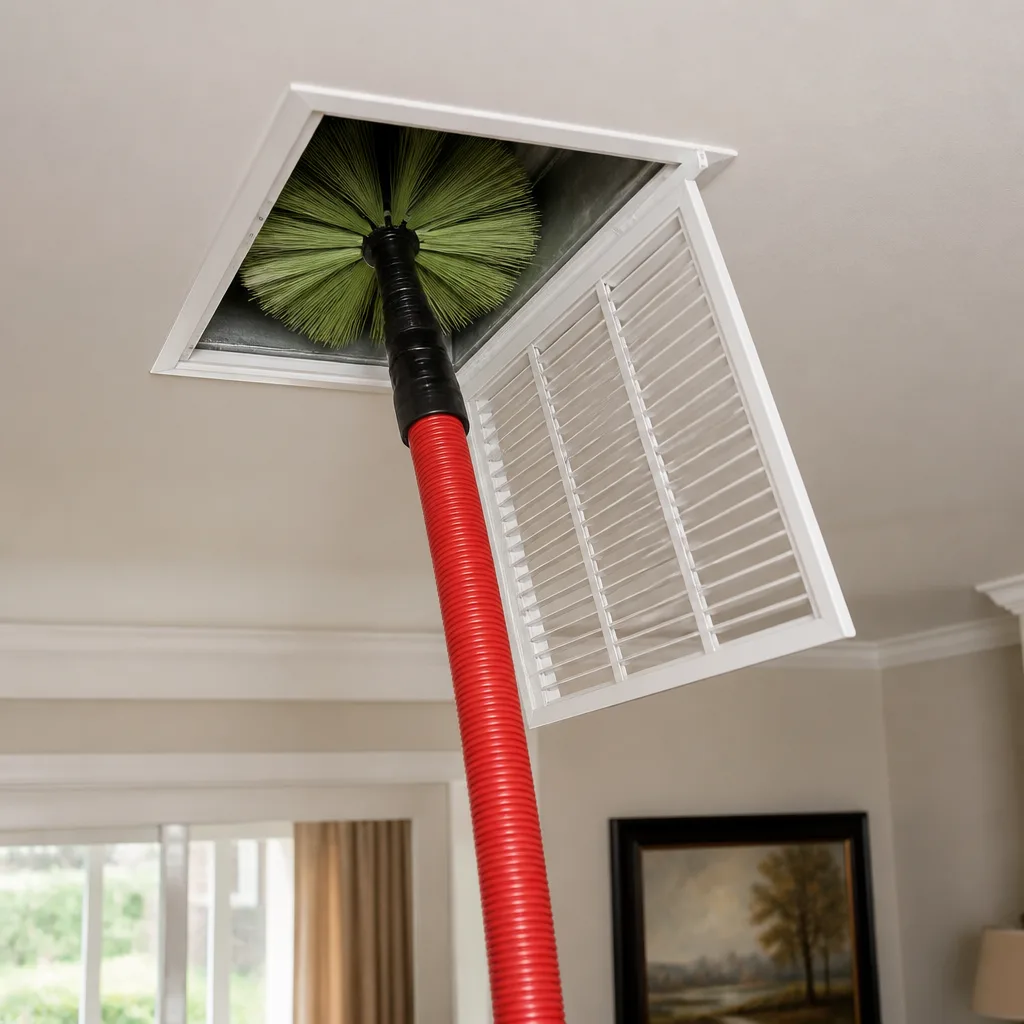
Whole-system duct and dryer vent check with before-and-after photos - you see exactly what came out of your vents
That "$99 whole-house special" is a bait ad - the real number appears once they are in your hallway, or the "clean" is a shop-vac at the register. We photograph the inside of your ducts before and after instead.
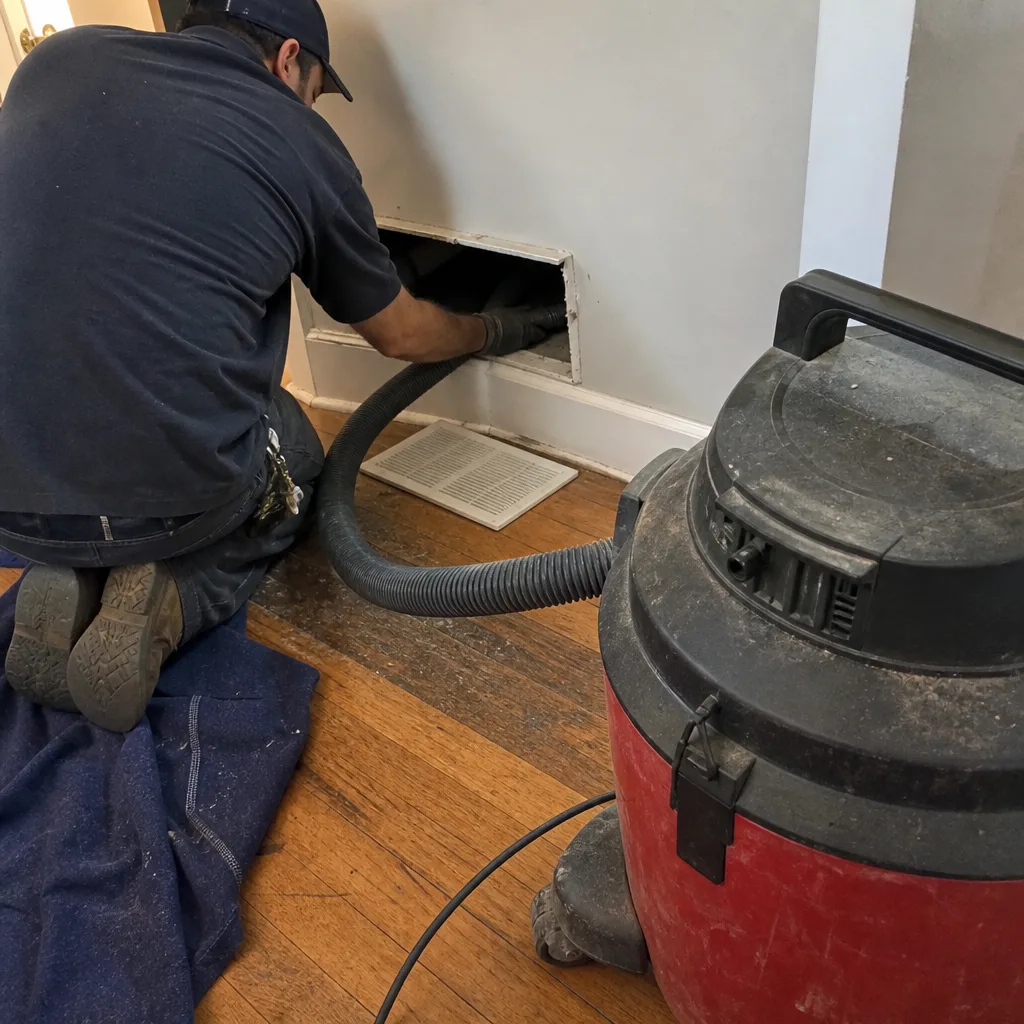 Before
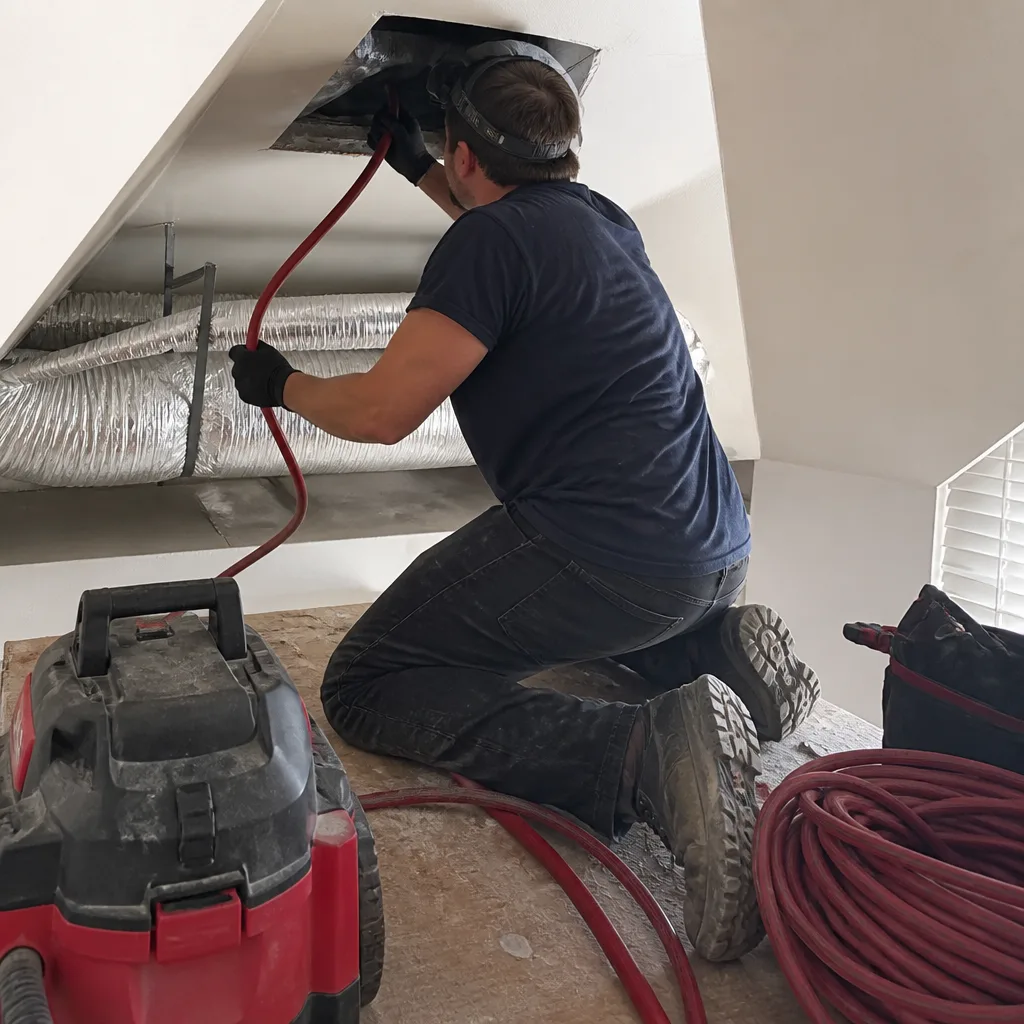 After
After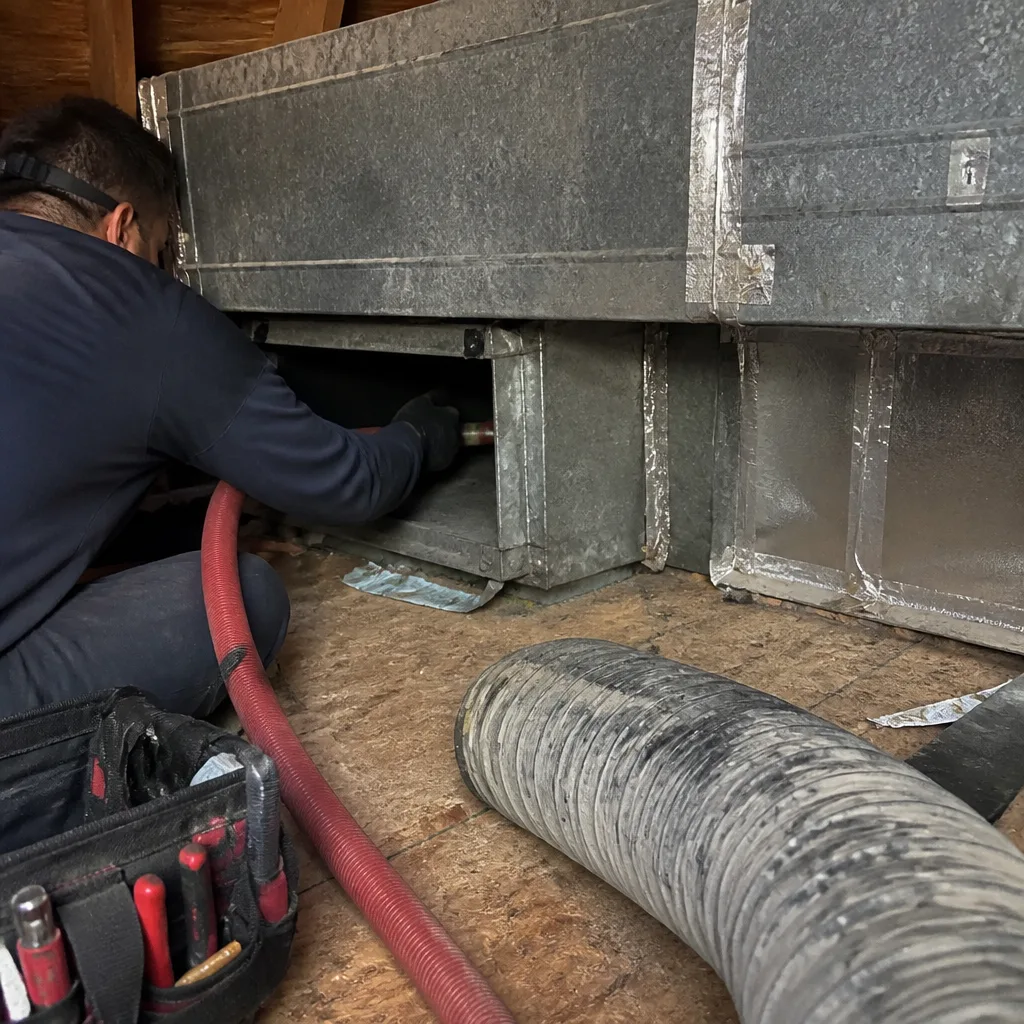 Before
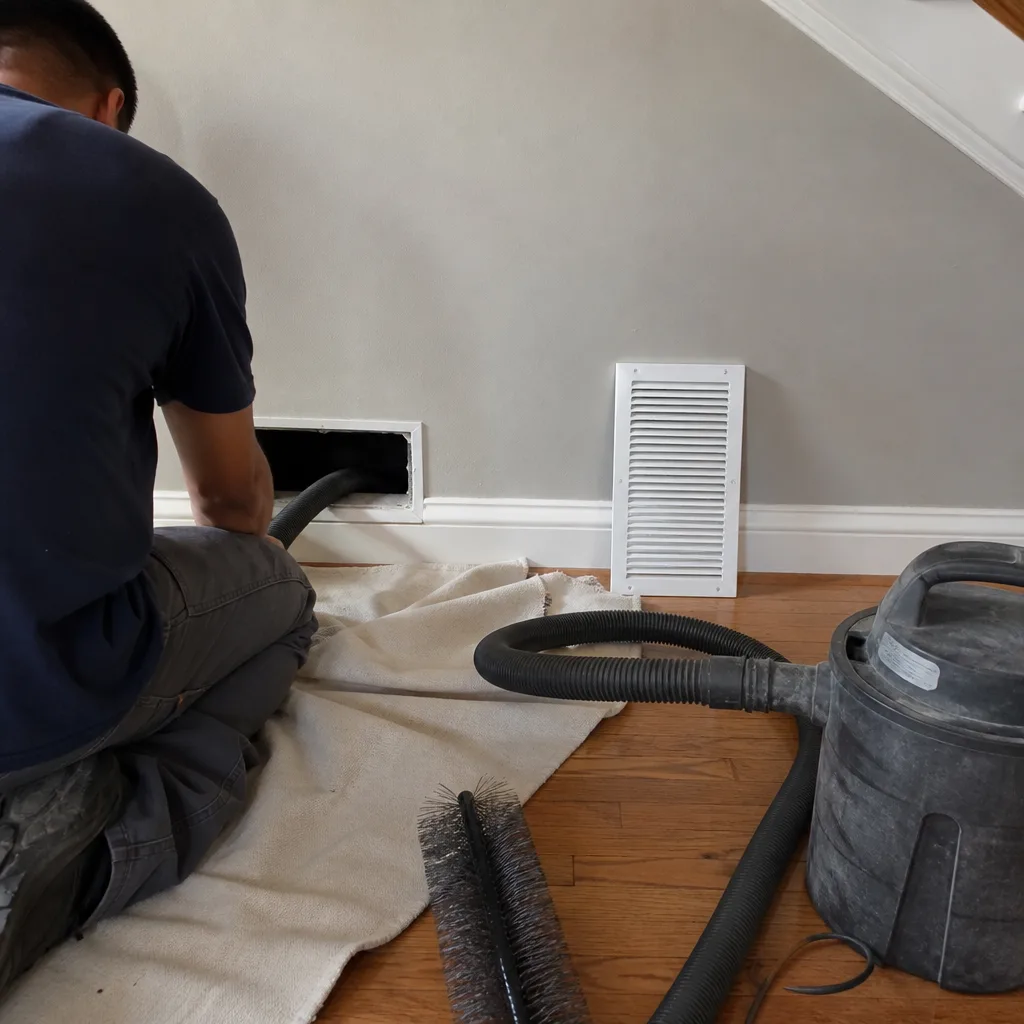 After
After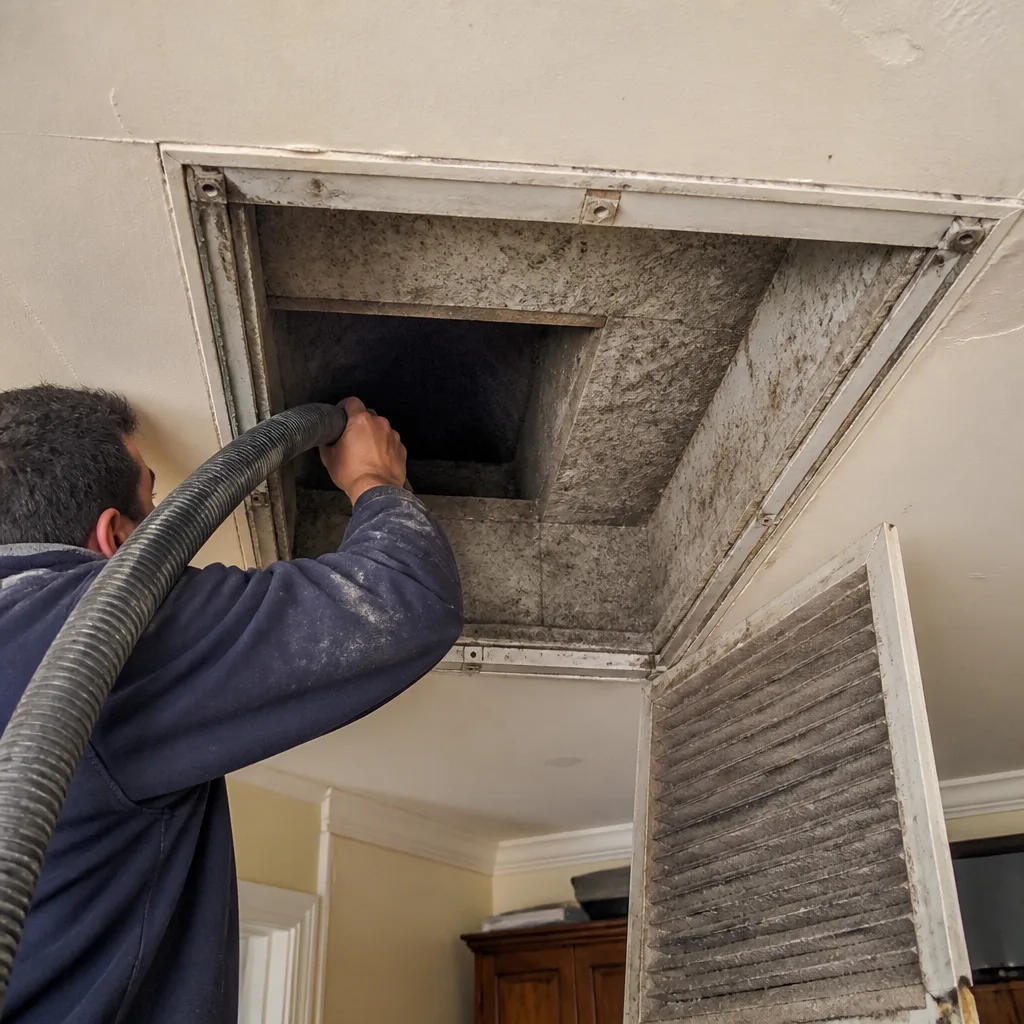 Before
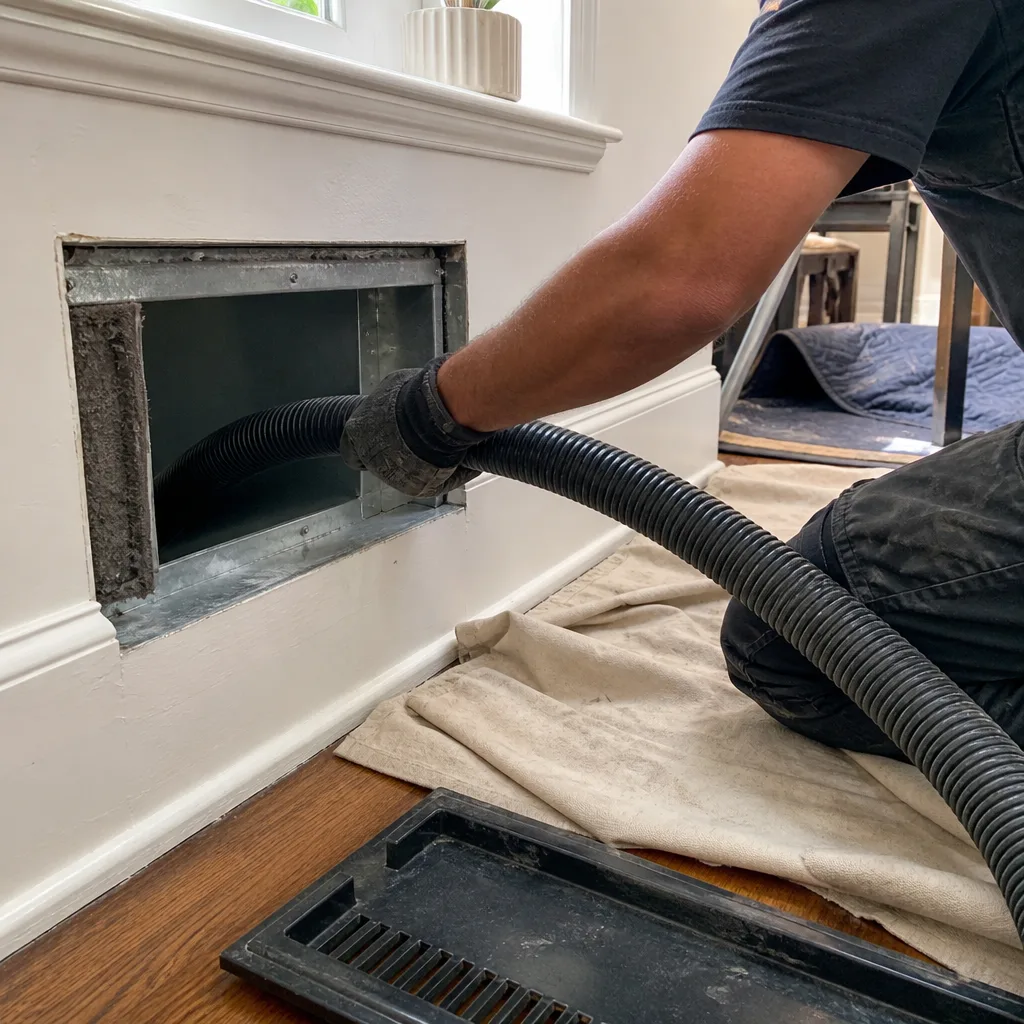 After
AfterHoneywell Duct Sealing & Repair: The Washington Owner’s Guide
We stock and install Honeywell-compatible duct sealing and repair components for Washington homes, with most jobs completed same-day and installed pricing running $340-$780 depending on system reach and access. Honeywell’s ZonePerfect and TrueZONE damper systems, common in DC metro installations from 2012 onward, use specific 24V motor actuators and blade seals that fail predictably in our humid summers. The typical call starts with uneven temperatures between rooms or a zone damper that chatters but won’t close fully.
Most Washington homeowners notice the problem during shoulder seasons when zoning should matter most. A Capitol Hill rowhouse with a TrueZONE HZ432 panel, for instance, might heat the bedroom to 74°F while the living room holds at 66°F because the damper actuator stripped its internal gear train. The motor runs, you hear it, but the blade doesn’t seat. Show the before photo first. Everything else follows from that.
Which Honeywell Models This Applies To
Honeywell’s residential zoning ecosystem breaks into three lines we encounter regularly in Washington. The TrueZONE series (HZ311, HZ322, HZ432 panels) uses 24V spring-return actuators with 3/4-inch or 1-inch shaft couplings. The older ZonePRO line (TB8575, TB6585 actuators) mounts differently, with a threaded collar rather than the newer clamp-style coupling. The ZonePerfect dampers (ARD, ARD-T models) have replaceable blade seals but require matching the actuator torque rating to damper size, a mismatch that burns out motors in 18 months.
To identify your part, check the actuator label for a model string starting with M847, M847A, or M847D for TrueZONE; TB-series numbers indicate ZonePRO. The critical spec is torque output, 18 in-lb for standard dampers up to 24 in-lb for oversized or high-static runs. We carry both OEM Honeywell actuators and Belimo aftermarket equivalents that meet the same torque and timing specs. Belimo’s LMB24-3-T replaces the M847D at roughly 60% of OEM cost, with the same 90-second stroke time. For ZonePerfect ARD dampers with cracked blade seals, we stock the RP920 replacement seal kits, though on dampers over 12 years old we typically recommend full replacement since the blade pivot corrosion we find in DC’s humidity usually means the seal won’t seat clean anyway.
Signs Your Honeywell Duct Sealing & Repair Is Failing
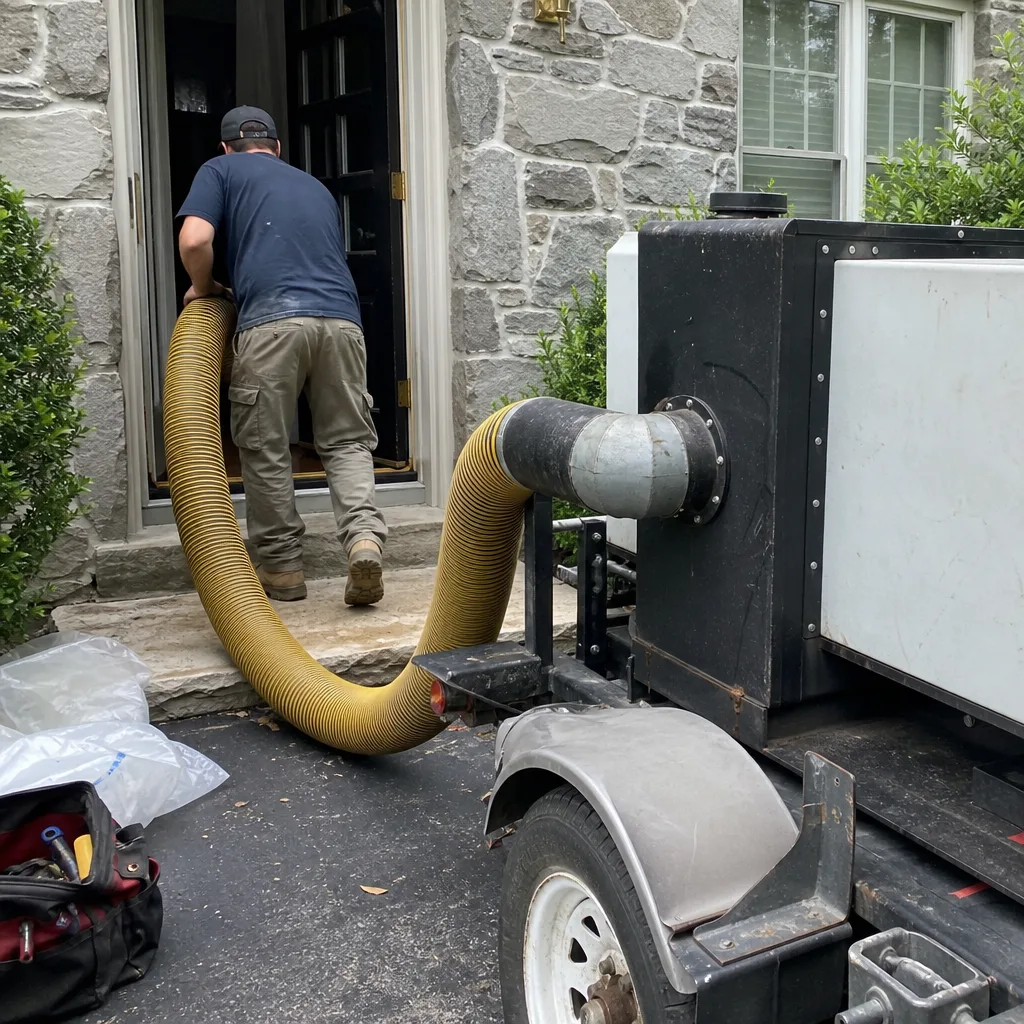
- Uneven room temperatures with the system running continuously. The zone damper actuator has stripped internally or the blade seal has degraded enough to pass significant airflow. The thermostat calls for heat or cooling, the panel sends 24V, but the damper never reaches its closed position. We photograph the damper position with the panel energized to confirm.
- Audible clicking or chattering from the ductwork near the plenum. This is the actuator gear train slipping, usually because the damper blade has corroded or debris has jammed the track. In Washington’s older housing stock, particularly the gravity-fed conversions in Petworth and Takoma, we see this when original galvanized dampers have never been serviced.
- Zone panel displays “Damper Error” or blinking zone indicator. Honeywell panels monitor end-switch feedback. If the damper doesn’t reach full open or closed position within 3 minutes, the panel faults. The fix is rarely the panel itself; it’s the actuator or mechanical binding downstream.
- Excessive dust at specific registers despite recent filter changes. A failed damper seal in the return path can pull attic or crawl space air through a bypass. We find this in Capitol Hill basements where flex runs have pulled loose from trunk lines, creating negative-pressure leaks that bypass filtration entirely.
- Energy bills rising without usage changes, especially in summer. A stuck-open zone damper forces the system to condition space that should be isolated. The compressor runs longer, the humidity load increases, and the homeowner pays to cool a guest room nobody occupies. Our photo record shows the damper position against the panel call to document the waste.
BeforeAfterReplacement Cost & What’s Included
Installed pricing for Honeywell duct sealing and repair in Washington runs $340-$780 for most residential zoning systems. Single actuator replacement on accessible dampers starts at $340, including the part, labor, and functional testing against the panel. Full zone damper replacement with new blade, seal, and actuator on a hard-to-access trunk line, common in the tight mechanical closets of Dupont Circle condos, runs toward the upper end. Multiple zone repairs or plenum re-sealing after damper removal pushes the range higher, though we cap scope and price in writing before starting.
What drives the spread: access (drop ceiling vs. drywall cut), damper size (6-inch round vs. 14-inch rectangular), and whether the original installation used mastic-sealed collars that survive disassembly. We include the Documented Photo Record on every visit, Haven Standard Clause 1 written pricing, and the 365-Day Done Right Promise on all labor. Parts carry manufacturer warranty; Belimo offers 5 years, Honeywell OEM 3 years. We note the warranty terms on the written scope you sign before we start.
DIY or Call Us?
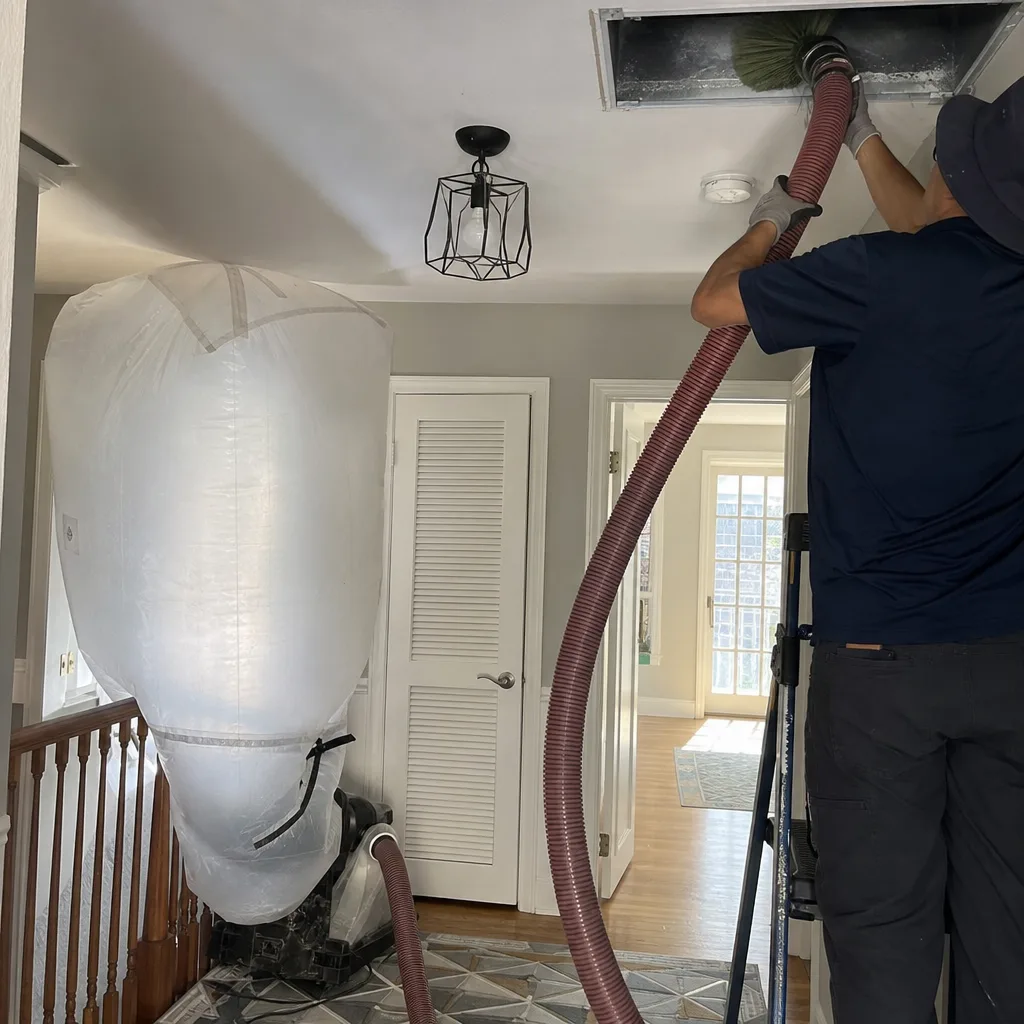
An owner can safely verify the basics: confirm 24V at the actuator with the zone calling, check for physical obstruction of the damper blade, and read the actuator model from its label. Beyond that, the work involves sheet metal disassembly, often in tight plenum spaces, and re-sealing with mastic that must cure before system restart. We’ve been called after DIY attempts where the homeowner removed the actuator but couldn’t re-seat the blade, leaving a fully open bypass that ran the compressor continuously for two days.
The electrical work is low-voltage but the mechanical context matters. A dropped screw into a running blower, a flex run pulled loose from a trunk collar, or mastic applied to a hot surface creates problems that outrun the savings. Our crew carries the full equipment roster, Rotobrush and Nikro for post-repair cleaning, and the documentation tools to show you what was found and what changed. For Honeywell zone repairs in Washington, call (240) 363-3380. We’ll put a written price next to your problem before any work starts.
FAQs
In Washington’s climate, with humidity averaging 65% summer afternoons and significant temperature swing, we see actuator failures at 8-12 years on original equipment. The internal capacitors and gear lubricant degrade faster in unconditioned attic or crawl spaces, which describes most DC metro installations. Annual system operation, 2,500+ hours yearly, contributes more to wear than age alone. Call (240) 363-3380 and we’ll inspect yours without charge if you’re seeing symptoms.
Sometimes, if the failure is limited to the actuator and the blade, seal, and frame are intact. We replace actuators independently when the damper body passes inspection. Blade seal replacement is viable on ZonePerfect ARD dampers under 10 years old; beyond that, pivot corrosion in DC’s humidity usually makes full replacement the sounder spend. We photograph the damper body before recommending either path, Haven Standard Clause 1.
Single actuator replacement on accessible dampers takes 90-120 minutes including panel testing and photo documentation. Full damper replacement, or work in confined mechanical spaces, runs 3-4 hours. We schedule with realistic time blocks and update you if access proves more involved than estimated. The written price doesn’t change if the work runs long.
We carry M847D and LMB24-3-T actuators, RP920 seal kits, and common damper sizes from 6-inch to 14-inch on our Washington service vehicles. Less common Honeywell configurations, or the occasional TB-series legacy actuator, we source same-day from our Bethesda supplier. We confirm part availability when you call and before we dispatch, so the crew that arrives has what your system needs.
Written by Tomas Reyes, Owner & Lead Technician, CleanRun Air Duct Cleaning Washington at CleanRun Air Duct Cleaning Washington, serving Washington and nearby areas.