
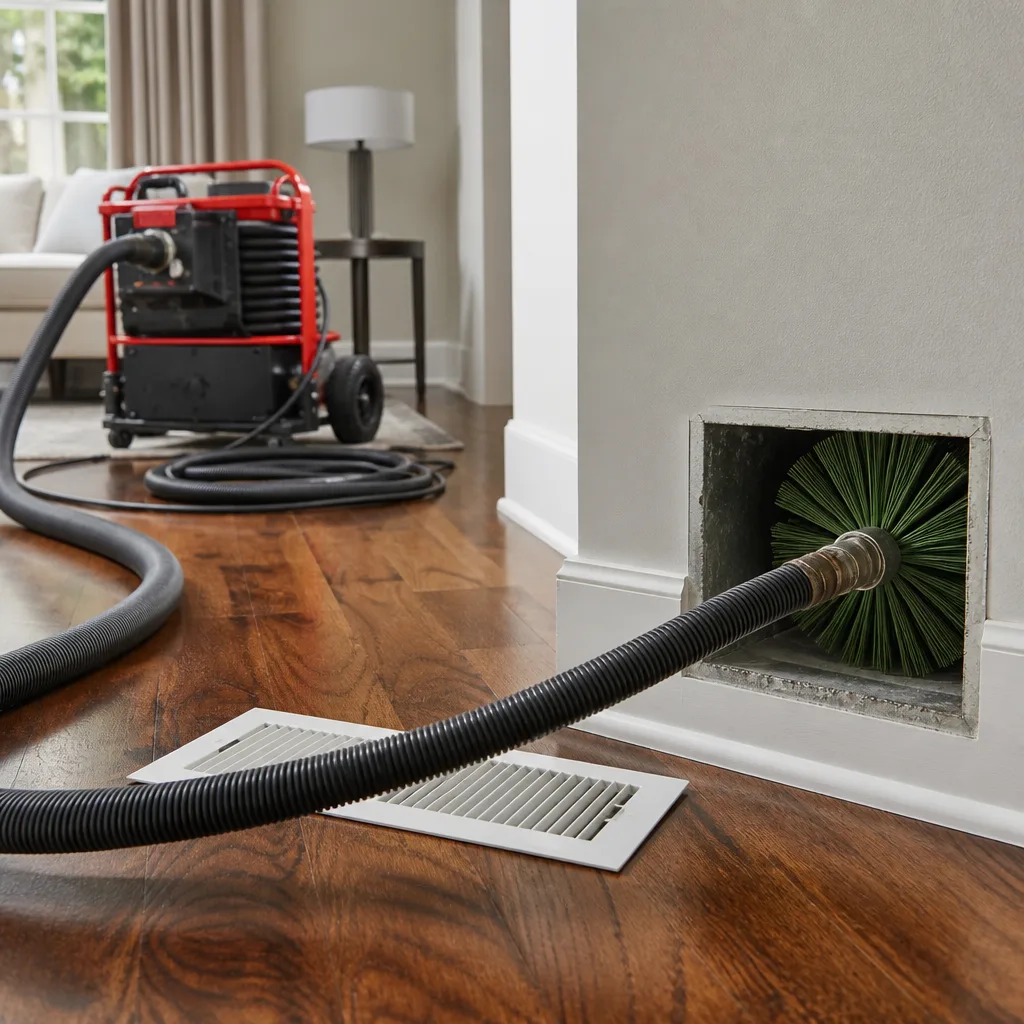
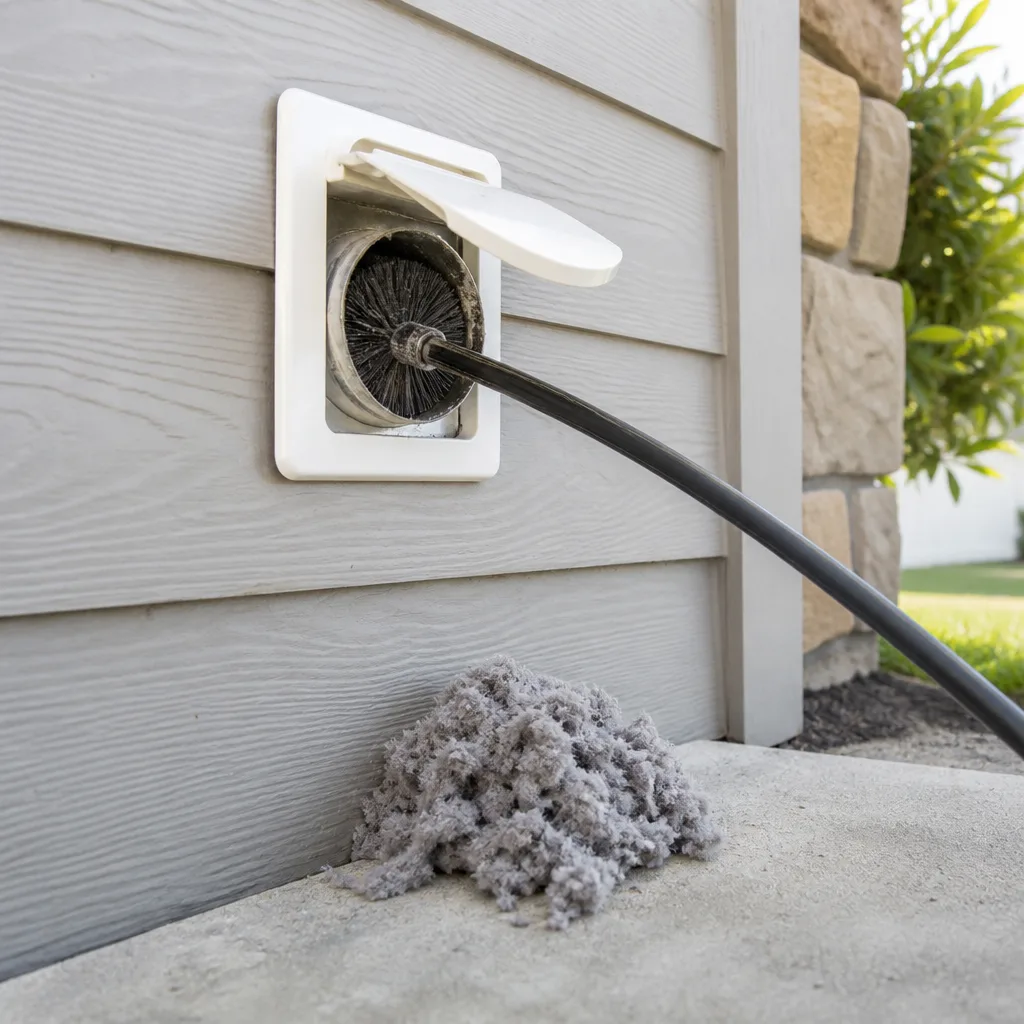
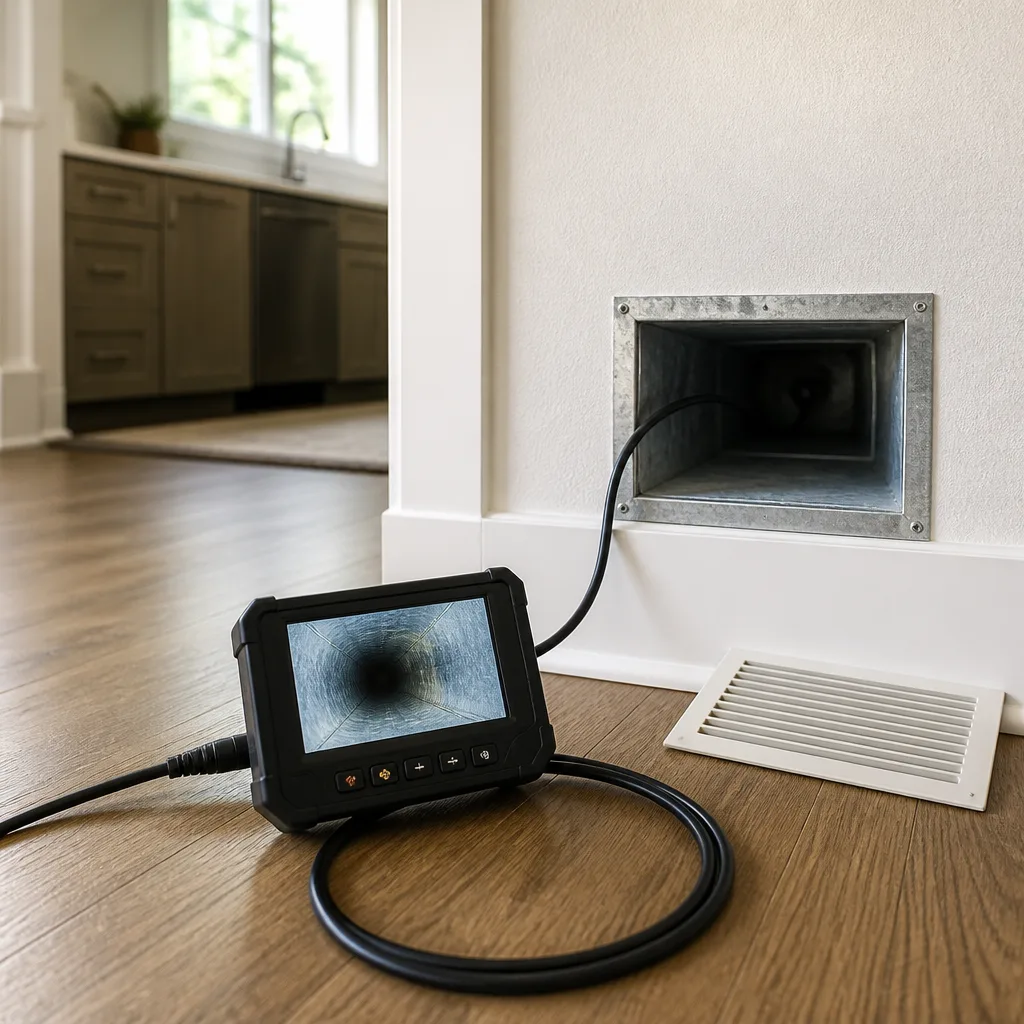
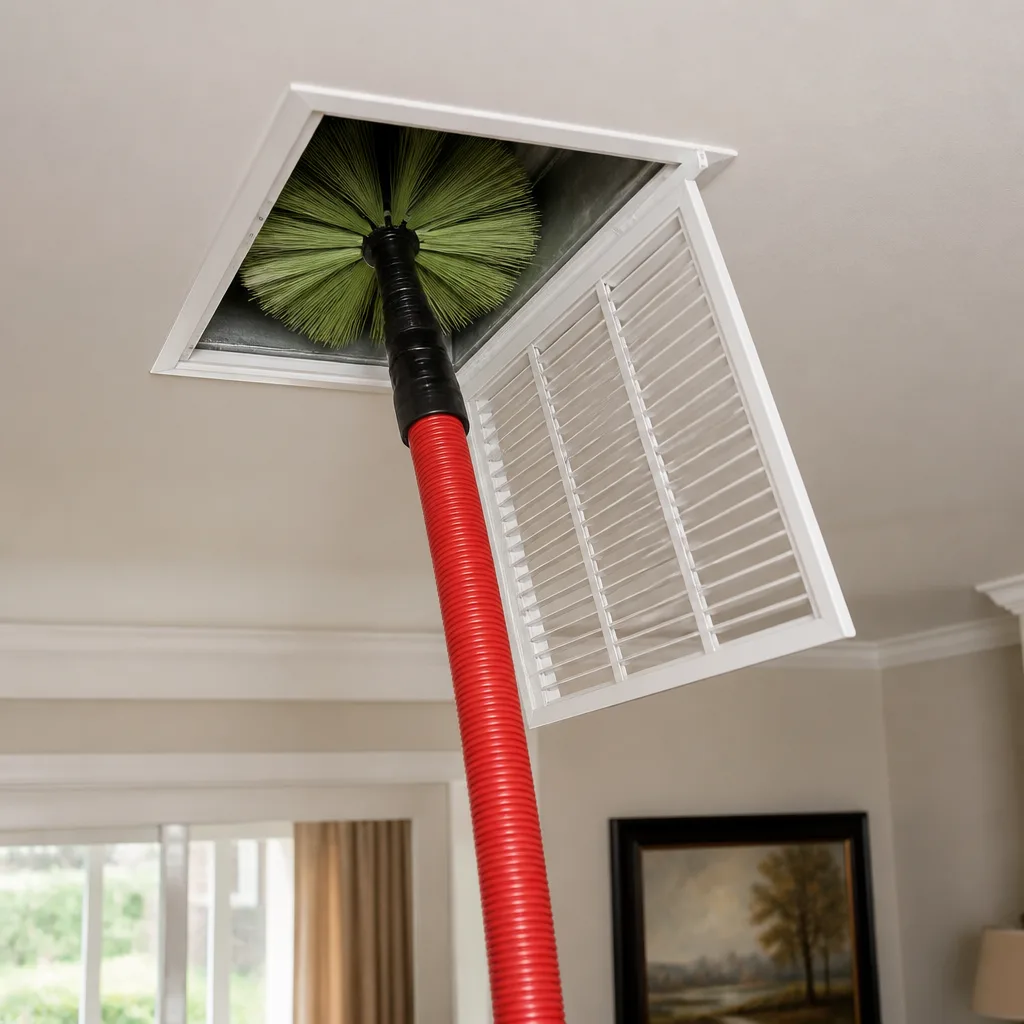
Whole-system duct and dryer vent check with before-and-after photos - you see exactly what came out of your vents
That "$99 whole-house special" is a bait ad - the real number appears once they are in your hallway, or the "clean" is a shop-vac at the register. We photograph the inside of your ducts before and after instead.
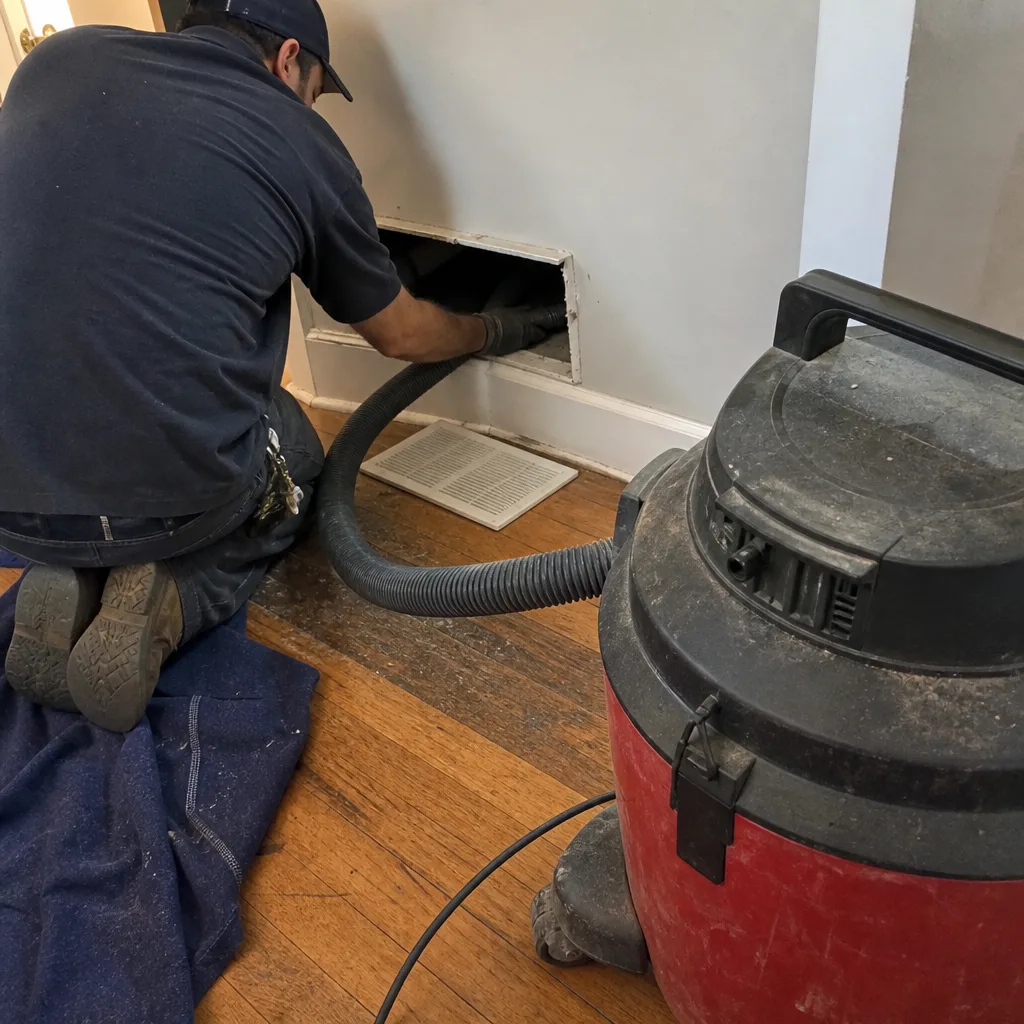 Before
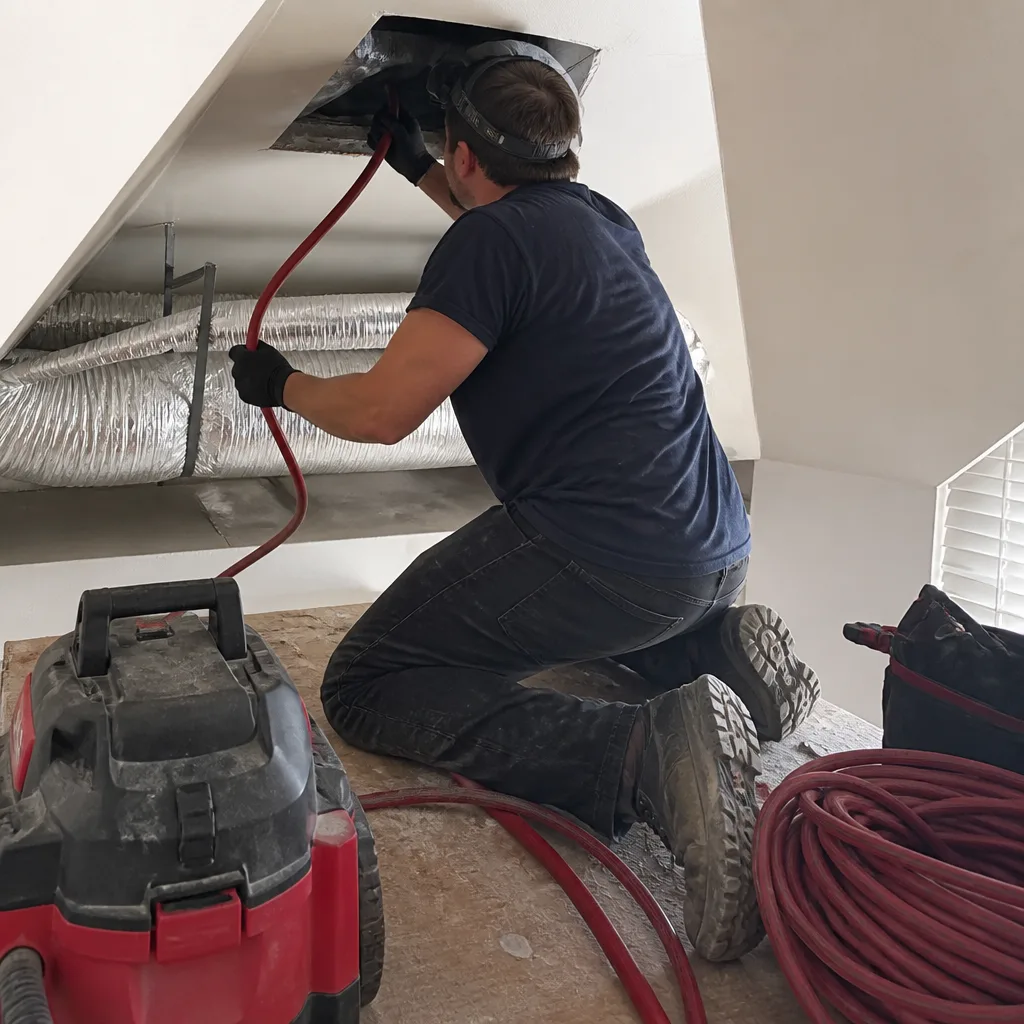 After
After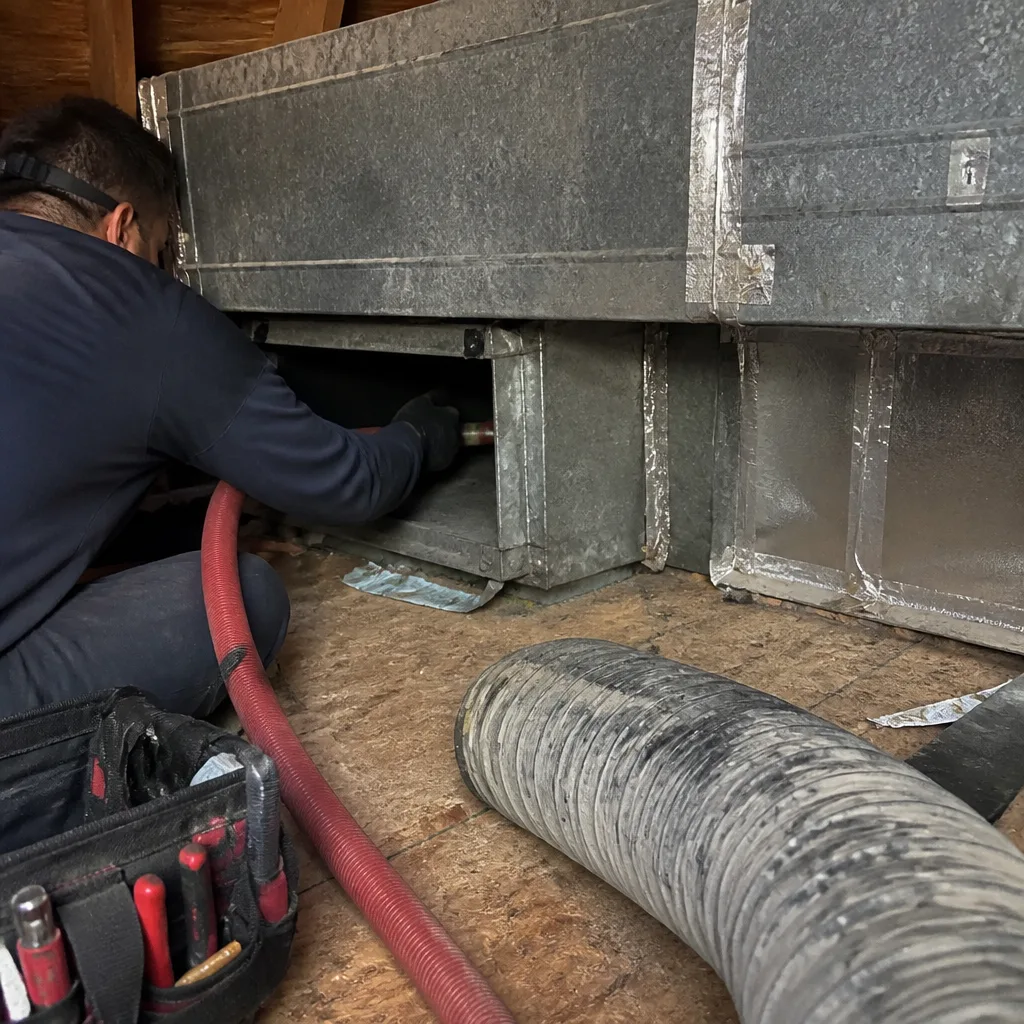 Before
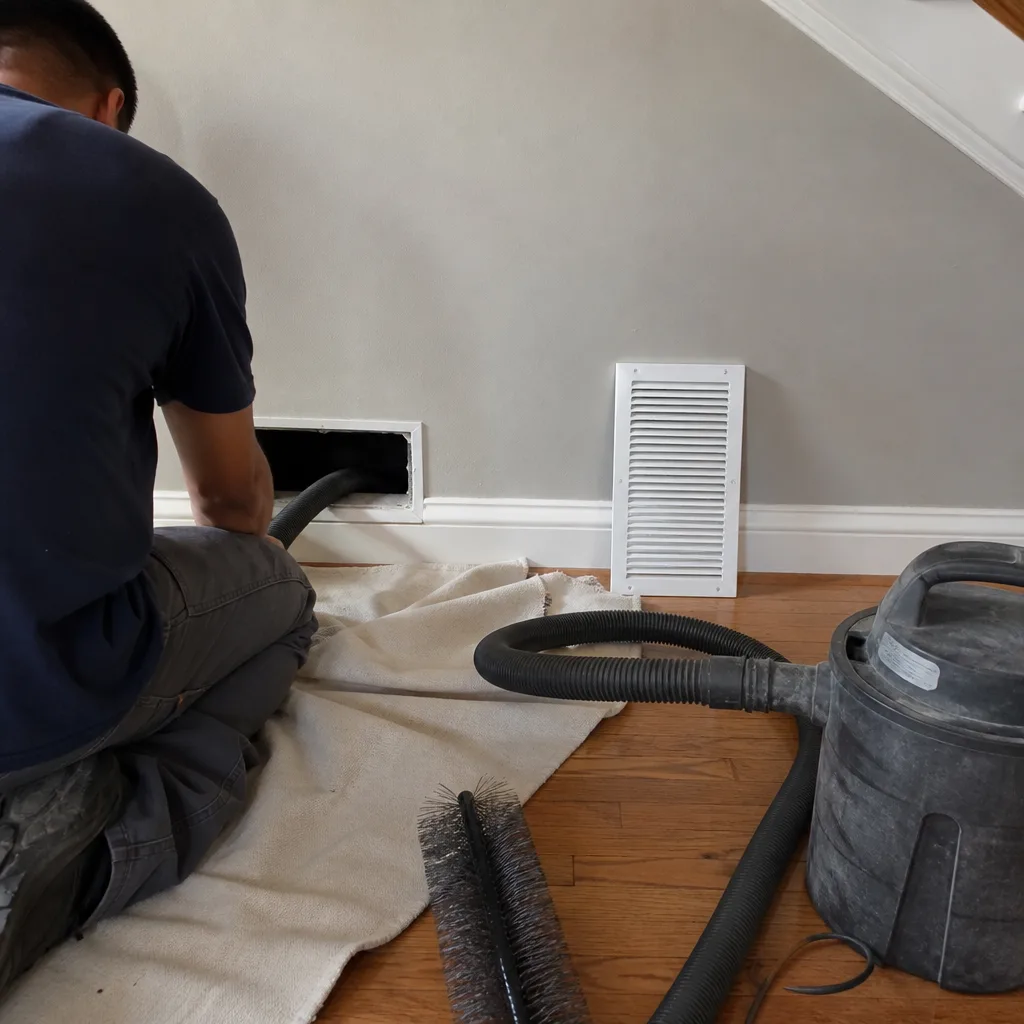 After
After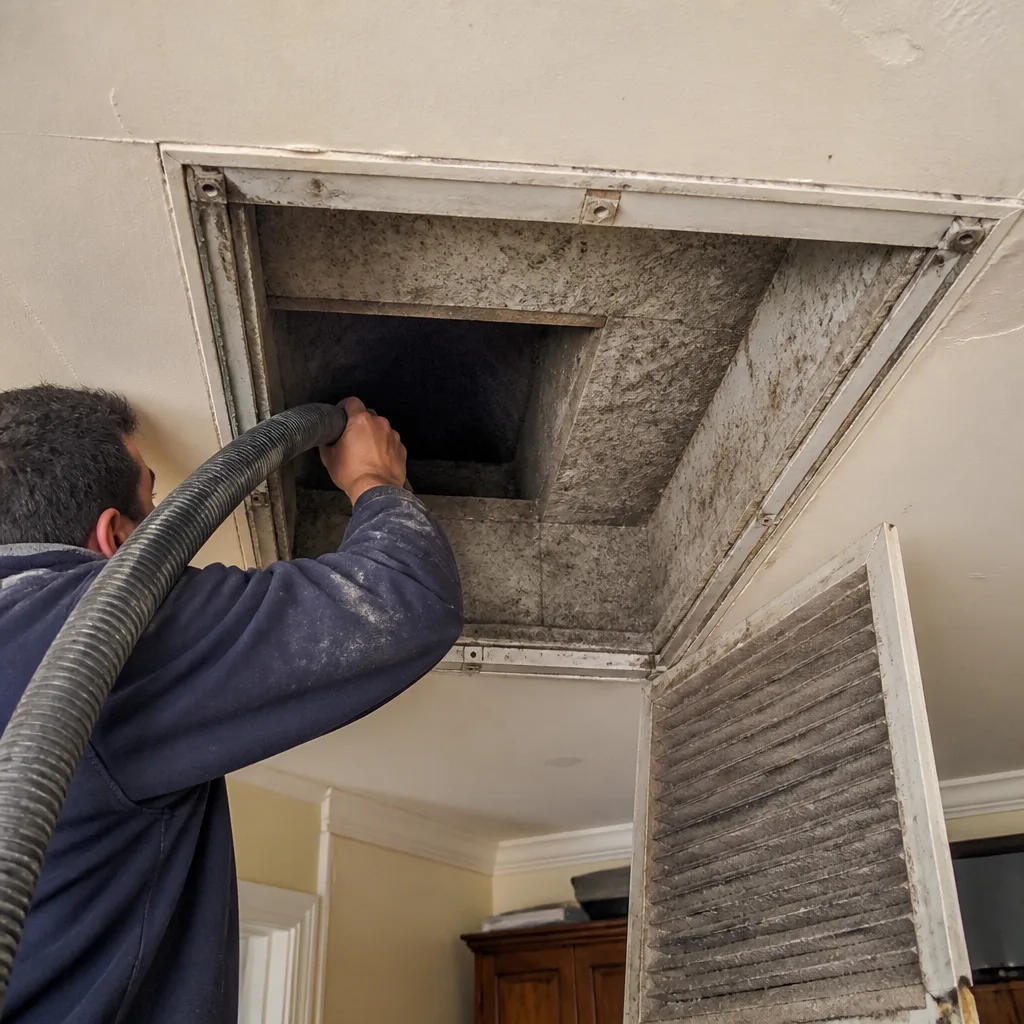 Before
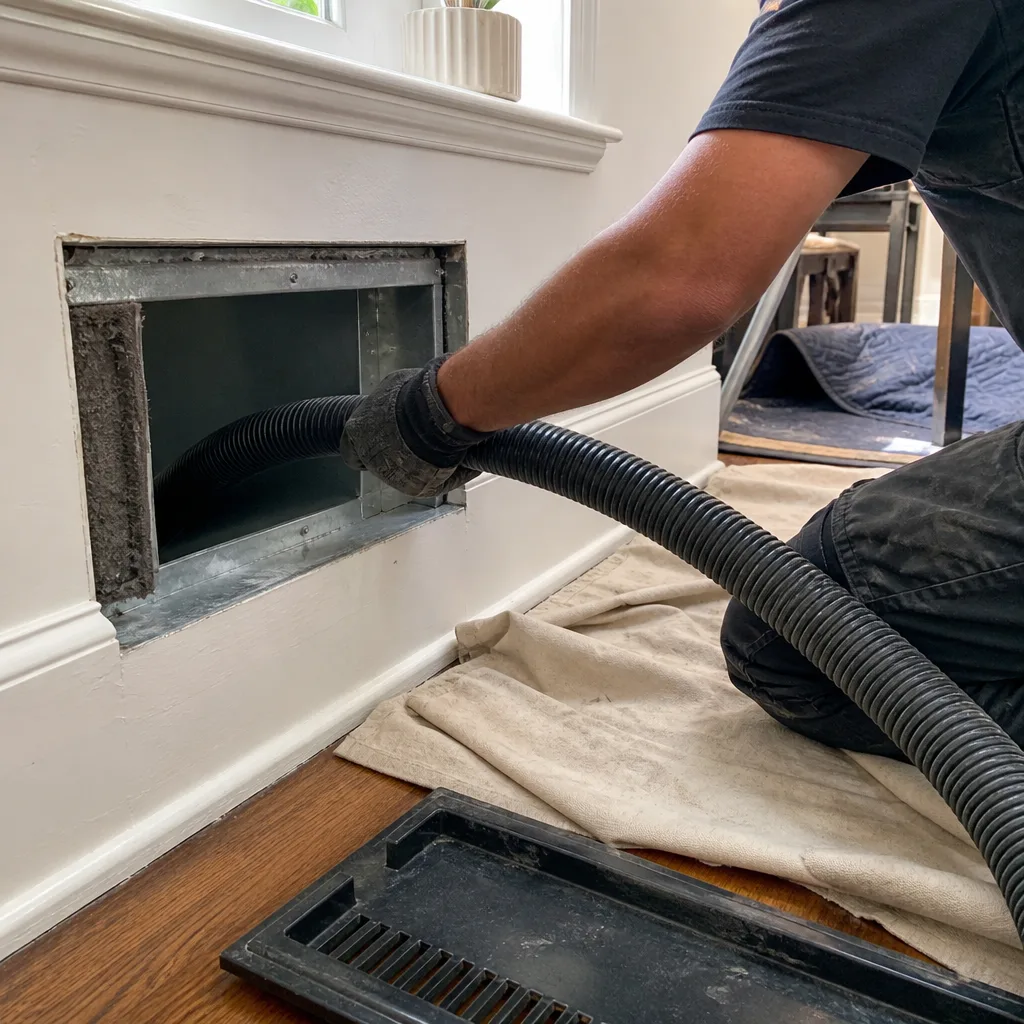 After
AfterHoneywell Vent Sanitizing: The Washington Owner’s Guide
Honeywell-compatible vent sanitizing installation in Washington typically runs $280-$450 for a whole-system treatment, and we stock the full Honeywell UV and ionization line on our trucks for same-day service. Most Washington owners discover their vent sanitizing has failed when they notice a return of musty odors after the HVAC cycles, or when a previously installed UV lamp has gone dark past its 9,000-hour rated life. We see this pattern constantly in Capitol Hill rowhouses and the older condo stacks near Dupont Circle, where Honeywell UV100E and RUVLAMP1 systems were popular add-ons during the 2015-2020 renovation wave.
Which Honeywell Models This Applies To
Honeywell’s vent sanitizing ecosystem breaks into three families, and matching the wrong replacement is the most common mistake we correct on second-opinion calls.
- UV lamp systems: The UV100E series (1047, 3000, 5000 CFM variants), plus the standalone RUVLAMP1 and RUVBULB1/SPL replacement lamps. These mount downstream of the evaporator coil and require a 120V or 24V ballast match. The UV100E1047 is the unit we pull from stock most often in Washington; it fits plenums (the main air distribution box) up to 21 inches wide.
- Electronic air cleaners with sanitizing: F300E and F50F series, where the ionizing wires and collector cells work alongside optional UV. The F300E1019 is the 16×25 configuration we see in Georgetown and Logan Circle basements.
- Whole-home in-duct units: The REME HALO and HALO-LED, which Honeywell distributes under its own labeling in some markets. These are not cross-compatible with UV lamp housings despite similar duct cutout dimensions.
The OEM-versus-aftermarket decision for Honeywell UV lamps is straightforward in our experience. Honeywell-branded RUVBULB1/SPL lamps carry a 9,000-hour rated life and a one-year manufacturer defect warranty. Quality aftermarket equivalents from Abatement Technologies match the 254nm UV-C output and G23 bipin base, but we’ve measured 15-20% shorter effective life in the field. For ionization cells and ballasts, we stock OEM Honeywell only; the tolerances on F300E wire tension are too tight for generic equivalents to maintain consistent particulate capture. We publish our equipment roster, Honeywell included, so customers can verify what we’re installing before agreeing to a written price.
Signs Your Honeywell Vent Sanitizing Is Failing
- Musty or sour odors return when the blower starts. The UV-C lamp has likely burned out or dropped below effective output intensity. In Washington’s humid shoulder seasons, we find lamps that test “lit” to the naked eye but measure below 40 microwatts per square centimeter at one meter, the threshold for meaningful biological inactivation.
- Visible blue glow is absent through the viewport. On UV100E housings with inspection windows, a dark viewport after 12 months of runtime means lamp failure. We’ve documented this in Petworth basements where owners assumed the system was working because the indicator LED on the power supply was still green, a separate circuit that tells you nothing about lamp output.
- Increased dust accumulation on registers despite regular filter changes. Failing ionization in F300E units lets particulate bypass the collector cell. The camera showed a 3-inch debris build-up at the first elbow in a recent Adams Morgan job where the homeowner had replaced filters religiously but missed a cracked ionizing wire for 18 months.
- Ballast hums but lamp won’t strike. The high-voltage ballast (the transformer that ignites the UV lamp) degrades faster in Washington’s voltage-fluctuation-prone older grids, particularly in pre-war buildings near U Street and Columbia Heights. A good ballast pulls 0.35-0.45 amps at startup; we meter this on every service call.
- REMINDER indicator won’t reset after lamp replacement. On newer Honeywell units, the timer chip can corrupt if power is interrupted during the reset sequence. This is a control board issue, not a lamp issue, and we diagnose it before quoting replacement.
BeforeAfterReplacement Cost & What’s Included
| Service | Price Range | What’s Included |
|---|---|---|
| Honeywell UV lamp swap (RUVBULB1/SPL or equivalent) | $280-$340 | OEM or specified aftermarket lamp, ballast test, viewport cleaning, intensity meter reading, 365-Day Done Right Promise |
| UV100E complete unit replacement | $380-$450 | New housing, lamp, ballast, duct seal, photo record of plenum condition, written scope |
| F300E ionizing wire / cell service | $320-$390 | OEM wire set or collector cell, tension calibration, airflow verification, before/after photo record |
| Ballast replacement only | $240-$310 | OEM ballast, amp draw verification, 12-month part warranty |
What drives the range: plenum access difficulty (cramped attics in Takoma versus open basements in Chevy Chase), whether the original installer left service clearance, and whether we find secondary issues like a cracked housing or corroded socket. We deliver a written price before any work starts, every time, under Haven Standard Clause 1. No per-lamp or per-vent add-ons. The price we write is the price on the invoice. Every job concludes with a Documented Photo Record of every duct run, included as a standard deliverable, so you can see the difference between real work and vacuum noise.
DIY or Call Us?
There’s a safe middle ground and a hard stop with Honeywell UV systems.
What you can check yourself: whether the viewport shows blue glow, whether the REMINDER timer has elapsed, whether the unit’s breaker is tripped. These take five minutes and require no tools beyond a flashlight.
Where DIY goes wrong: UV lamps operate at 800-1,000 volts during strike and retain lethal charge in the ballast capacitors after power-down. We’ve responded to calls in Mount Pleasant and Brookland where owners received significant shocks attempting lamp swaps after flipping the wrong breaker. The F300E ionizing wires carry 8,000 volts; even de-energized, the collector cells hold enough residual charge to throw a painful arc. Beyond the electrical hazard, an improperly seated UV lamp leaks ozone at levels that irritate lungs and corrode evaporator coils, a $1,200 mistake we photograph too often on second opinions.
We carry Honeywell OEM and compatible stock on every truck. If you’re unsure which system you have, text us a photo of the label and we’ll identify it before we dispatch. Call (240) 363-3380 for a free estimate.
FAQs
Rated life is 9,000 hours, which translates to 12-14 months of typical Washington HVAC runtime. In practice, we measure meaningful UV-C output degradation starting at month 10 in homes that run continuous fan mode, common in humidity-sensitive Capitol Hill basements. We recommend replacement at 12 months regardless of visible glow. Call (240) 363-3380 and we’ll meter your current lamp’s actual output.
Ballasts and sockets can be replaced individually; cracked housings or corroded lamp sockets require full unit replacement. In our photo records, about 30% of UV100E failures in DC are repairable component swaps, the rest need new housings due to heat warping or improper original installation without service clearance. We diagnose before quoting, under Haven Standard Clause 1’s written price requirement.
A straightforward lamp swap takes 45-60 minutes including ballast test and photo documentation. Full UV100E housing replacement in tight plenum spaces runs 90-120 minutes. We schedule enough time that the crew isn’t rushing to the next job; that’s how corners get cut. Every visit includes the full Documented Photo Record.
Yes. We stock RUVBULB1/SPL lamps, UV100E housings, F300E wire sets and collector cells, and OEM ballasts for both voltage configurations. CleanRun Duct Repair & Cleaning is an independent service provider, not affiliated with Honeywell; we source through authorized HVAC distribution and publish our equipment roster so customers can verify brands before agreeing to a price. If you have a Lennox, Trane, or Carrier system instead, we carry those sanitizing lines as well.
CleanRun Duct Repair & Cleaning is independently owned and operated under the Haven Standard, established in 2013. Every job is quoted with a written price before work begins, no exceptions, and concludes with a Documented Photo Record of every duct run. All calls are answered by a live person, 24/7, and technicians are background-checked, uniformed, and identified by name before arrival, per Haven Standard Clause 3: Verified Crews. Every job is backed by the 365-Day Done Right Promise and a Free Second Opinion on any written estimate.
Show the before photo first. Everything else follows from that.
Written by Tomas Reyes, Owner & Lead Technician, CleanRun Air Duct Cleaning Washington at CleanRun Air Duct Cleaning Washington, serving Washington and nearby areas.