
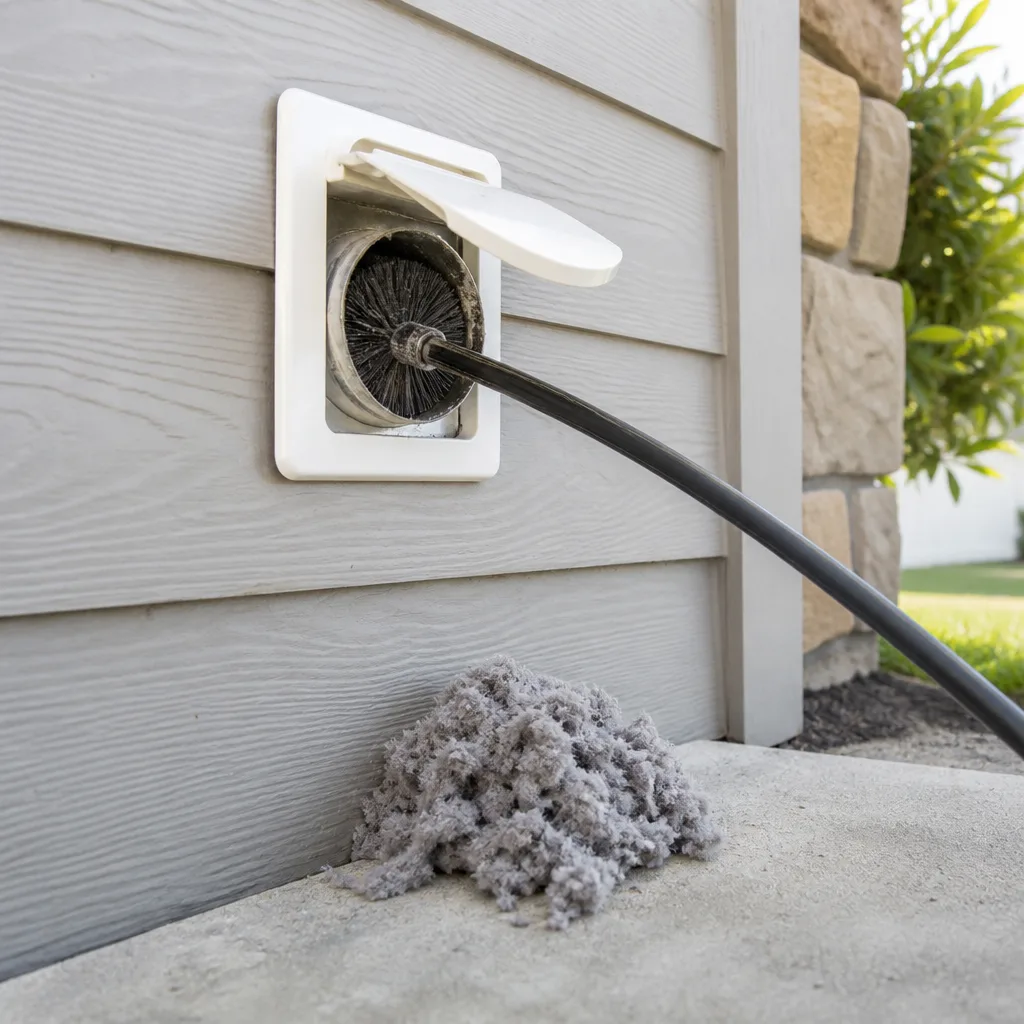
Whole-system duct and dryer vent check with before-and-after photos - you see exactly what came out of your vents
That "$99 whole-house special" is a bait ad - the real number appears once they are in your hallway, or the "clean" is a shop-vac at the register. We photograph the inside of your ducts before and after instead.
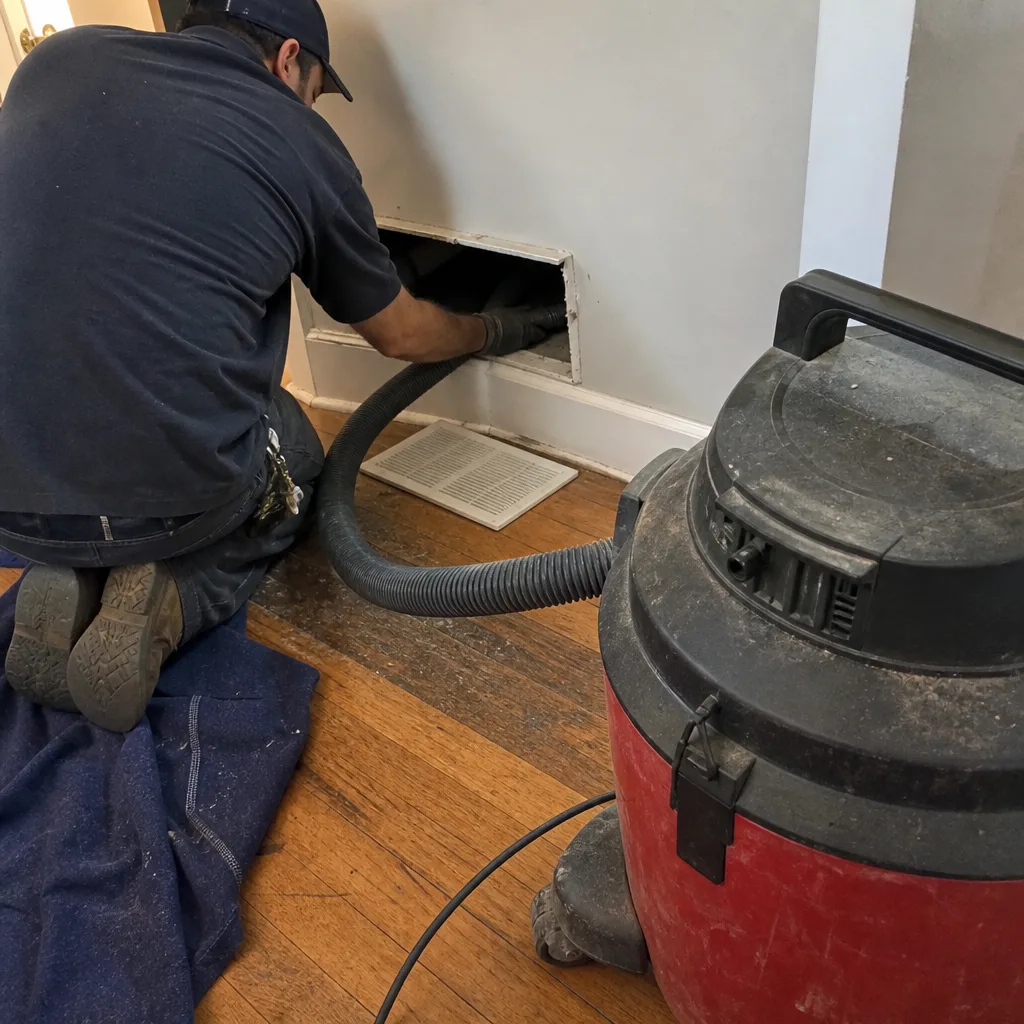 Before
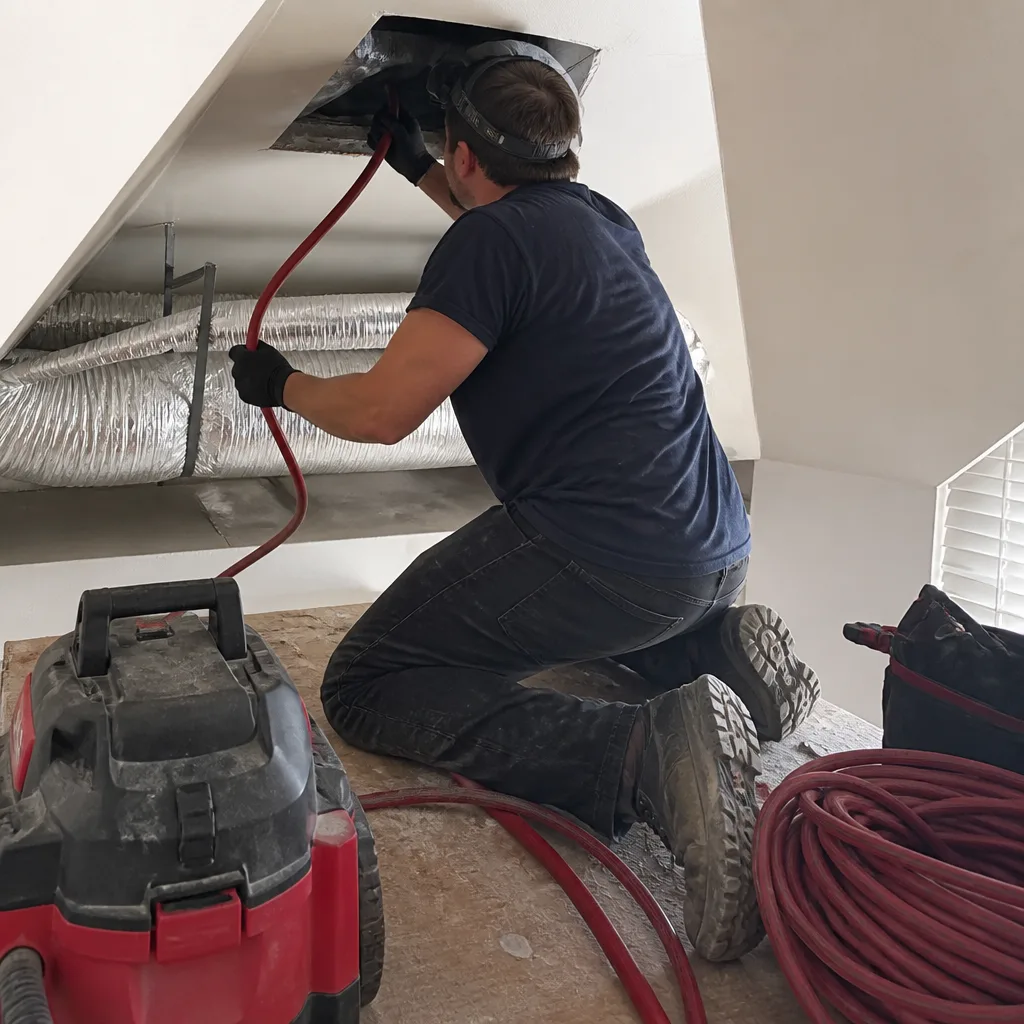 After
After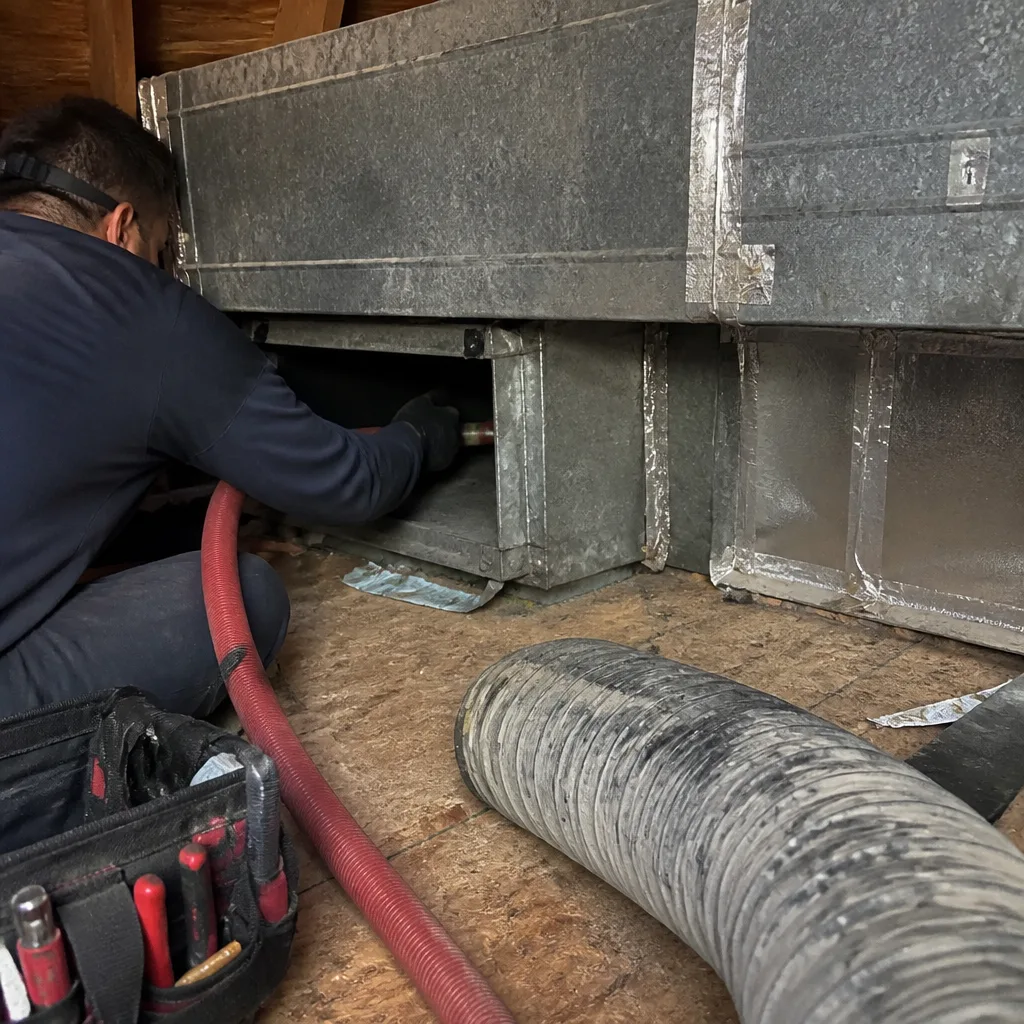 Before
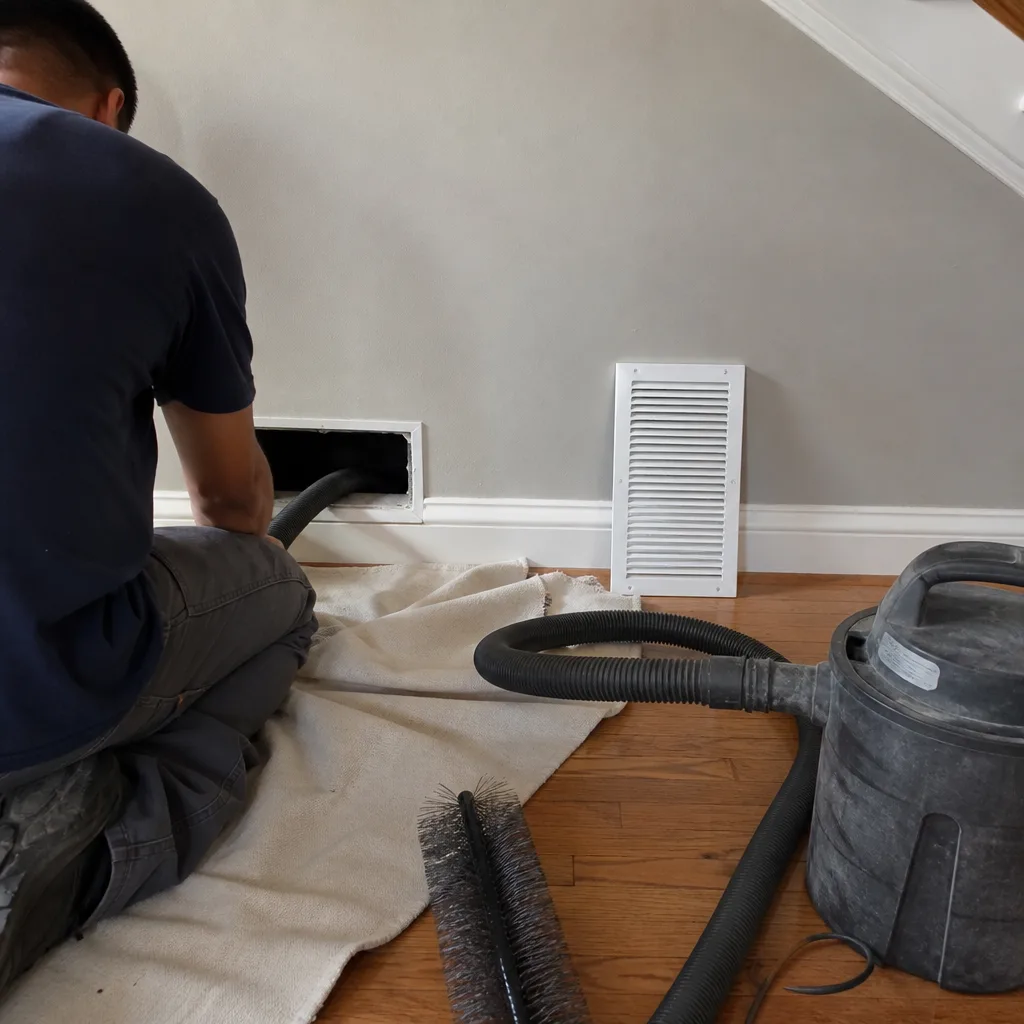 After
After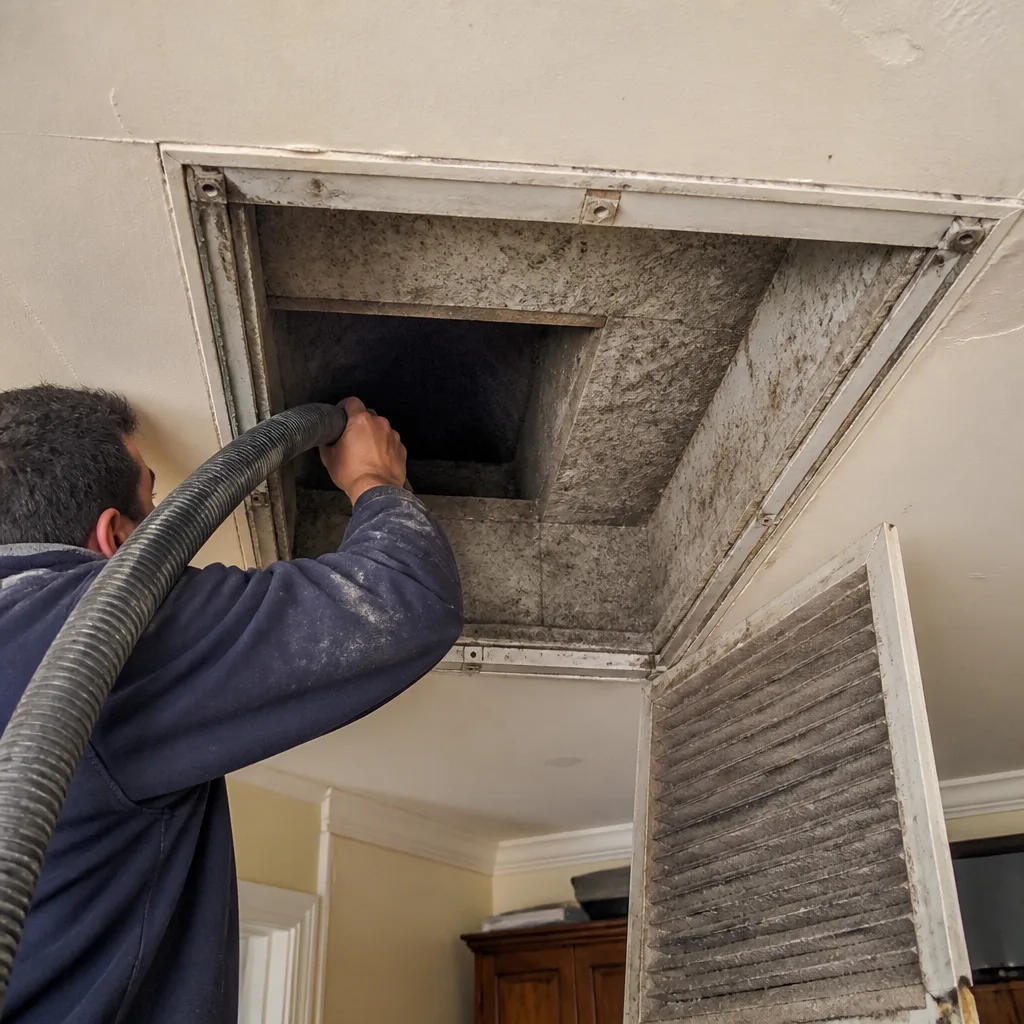 Before
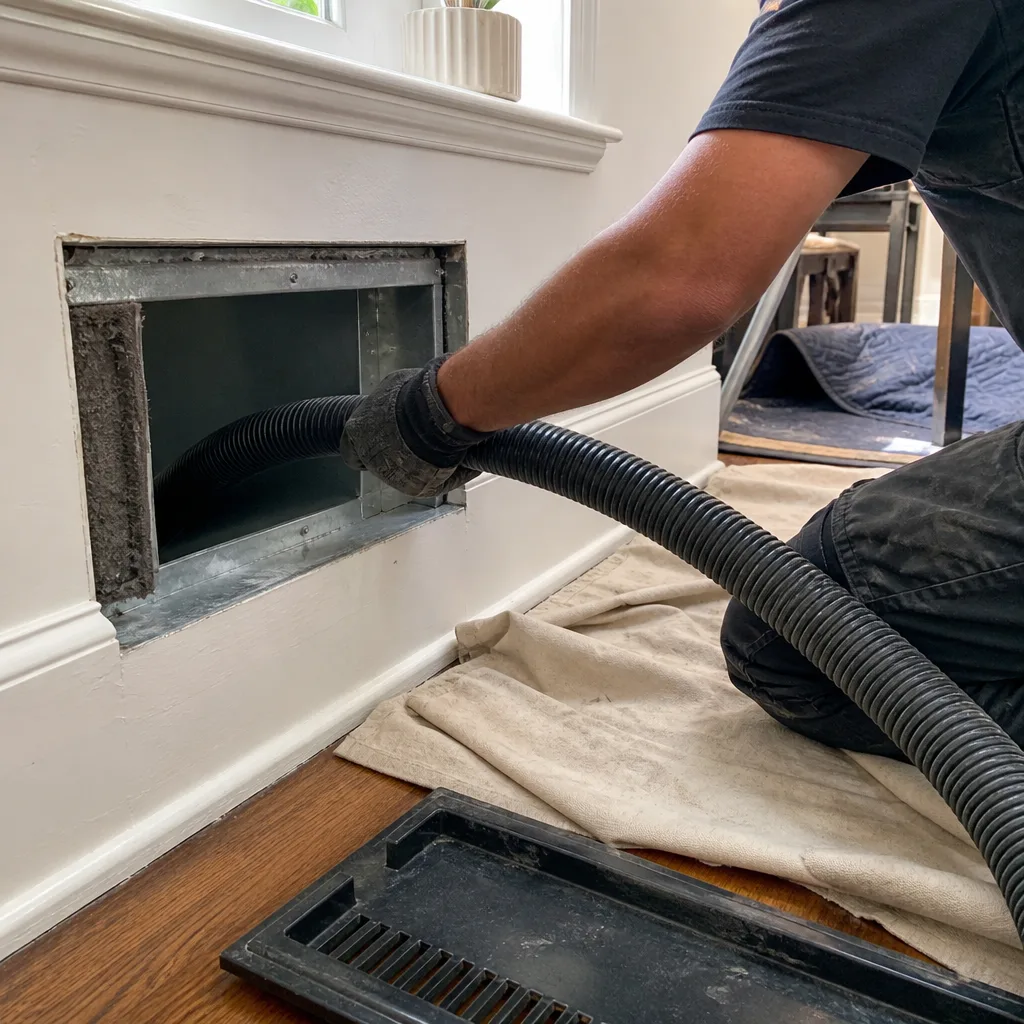 After
AfterVideo Inspection in Washington, DC
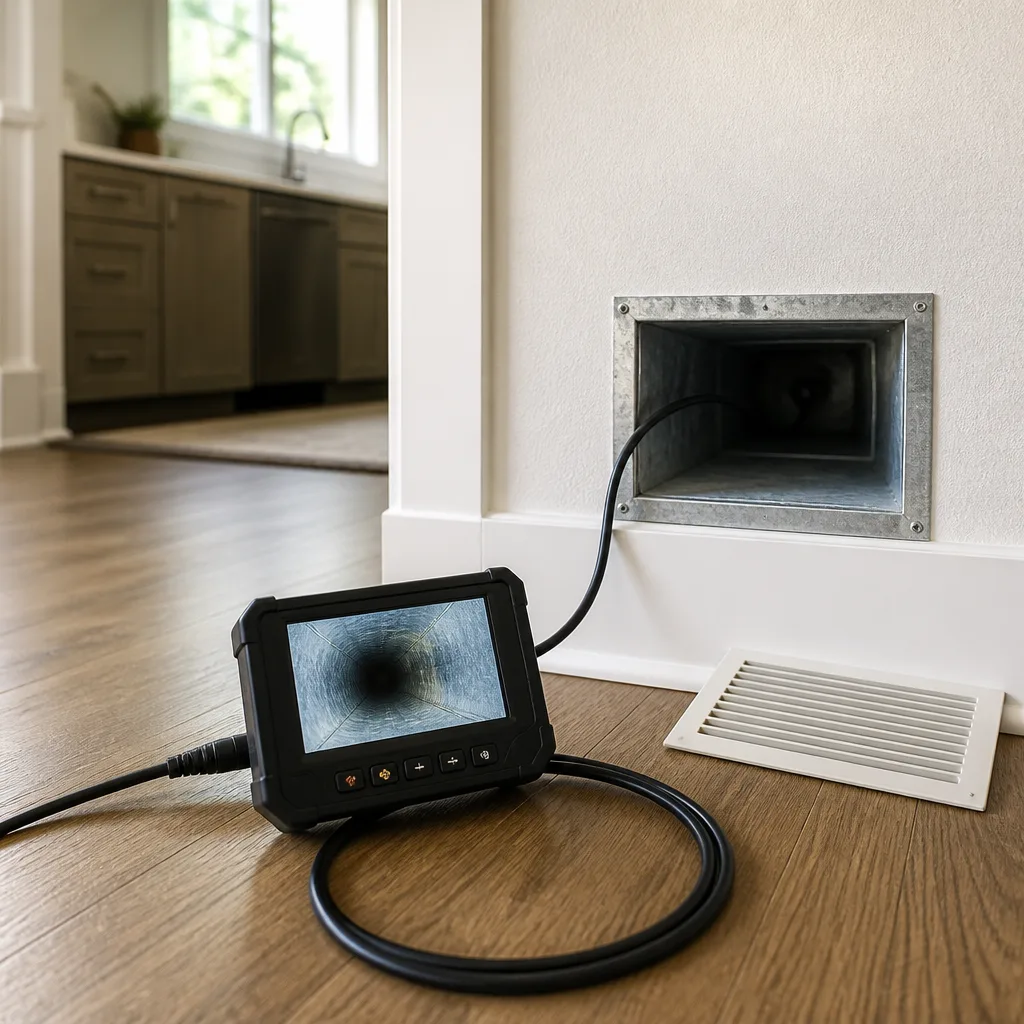
Duct video inspection is a camera-based diagnostic where a flexible probe with a high-resolution lens travels through your duct runs and records what’s inside – debris accumulation, mold growth, disconnected joints, collapsed liner, pest activity – so you have documented evidence before any cleaning or repair work begins. In Washington, DC, most homes we visit have never had a camera inside their ductwork, which means past cleaning jobs were quoted and billed against conditions nobody actually verified. At CleanRun Duct Repair & Cleaning, video inspection is how every Air Duct Cleaning services job starts: the camera goes in first, the findings are photographed, and a written price comes from what the footage shows – not from a flat-rate coupon.
If you’d like to know what’s inside your ducts before agreeing to any scope of work, call us at (240) 363-3380. A live person answers every call. You can also read about our full Air Duct Cleaning in Washington process to understand how inspection connects to the rest of the job.
When You Need Video Inspection
Not every situation calls for a camera – but in Washington, DC’s housing stock, more do than homeowners expect. The city’s mix of pre-war row houses in Capitol Hill and Petworth, post-war brick colonials in Chevy Chase and Spring Valley, and 1970s-era condominiums in Southwest Waterfront all share one characteristic: ductwork that was installed decades ago and has almost certainly never been inspected from the inside. Here are the specific conditions where video inspection stops being optional:
- Musty or mildew odor from registers when the system runs. A smell that returns within weeks of a cleaning almost always means biological growth inside a duct run that a shop vac never reached. The camera locates the affected section so the remediation is targeted, not guesswork.
- Uneven airflow between rooms. In Capitol Hill row houses, the second and third floors frequently run 6 to 8 degrees warmer than the main floor. The camera often finds a partially collapsed flex duct or a disconnected elbow upstream – conditions that only show up visually.
- Evidence of rodents or insects. DC’s older residential neighborhoods – particularly Bloomingdale, LeDroit Park, and Eckington – have persistent rodent pressure. If you’ve heard activity in your walls or found droppings near registers, the camera establishes whether nesting material or structural damage exists inside the ducts before any cleaning protocol is chosen.
- You bought the home recently and have no documentation of prior duct service. Most real estate transactions in Washington don’t include HVAC inspection at the duct level. A video inspection gives you a dated, documented baseline for a home you paid a significant price for.
- A prior cleaning company used a coupon price and no camera. If the previous vendor never showed you footage or photographs from inside your ducts, there is no way to know what was actually cleaned. The $79 special is built on the assumption that you won’t verify the work.
- Renovation work disturbed or opened ductwork. Kitchen and bathroom renovations in DC frequently involve cutting into duct runs, especially in older attached homes. Construction debris – drywall dust, insulation fibers, fasteners – drops into open ducts and accumulates at elbows. The camera finds it.
Our Video Inspection Process
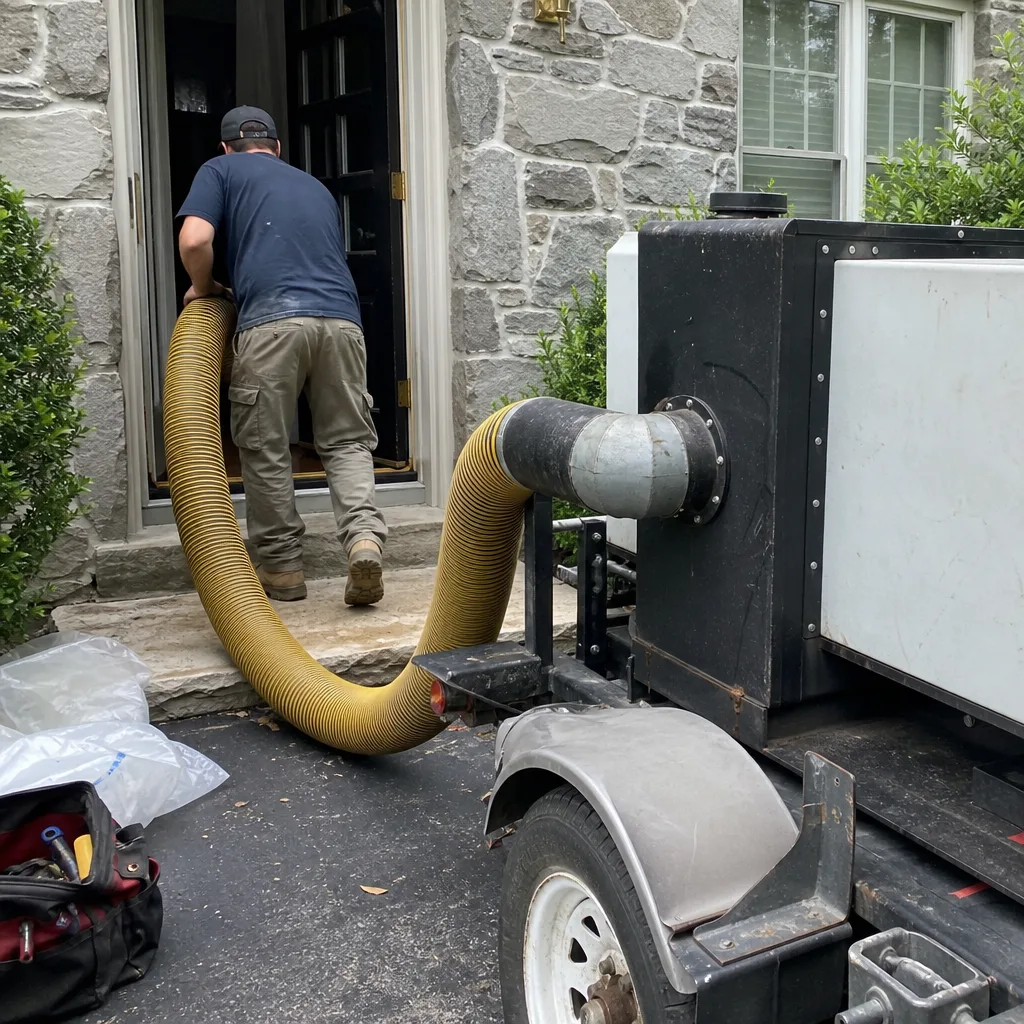
CleanRun has used a camera-first protocol on every job since 2013. The steps below describe exactly what happens during a video inspection at a Washington, DC home – not a generic process outline, but what our technicians actually do.
- System map before the camera enters. Before any panel comes off, our technician sketches or confirms the layout of your duct system – supply trunk, return plenum, branch runs, and the register locations on each floor. In Washington row houses, ductwork often runs through interior wall cavities rather than a basement or crawl space, and the map ensures no run is skipped. This takes 10 to 15 minutes and costs you nothing extra.
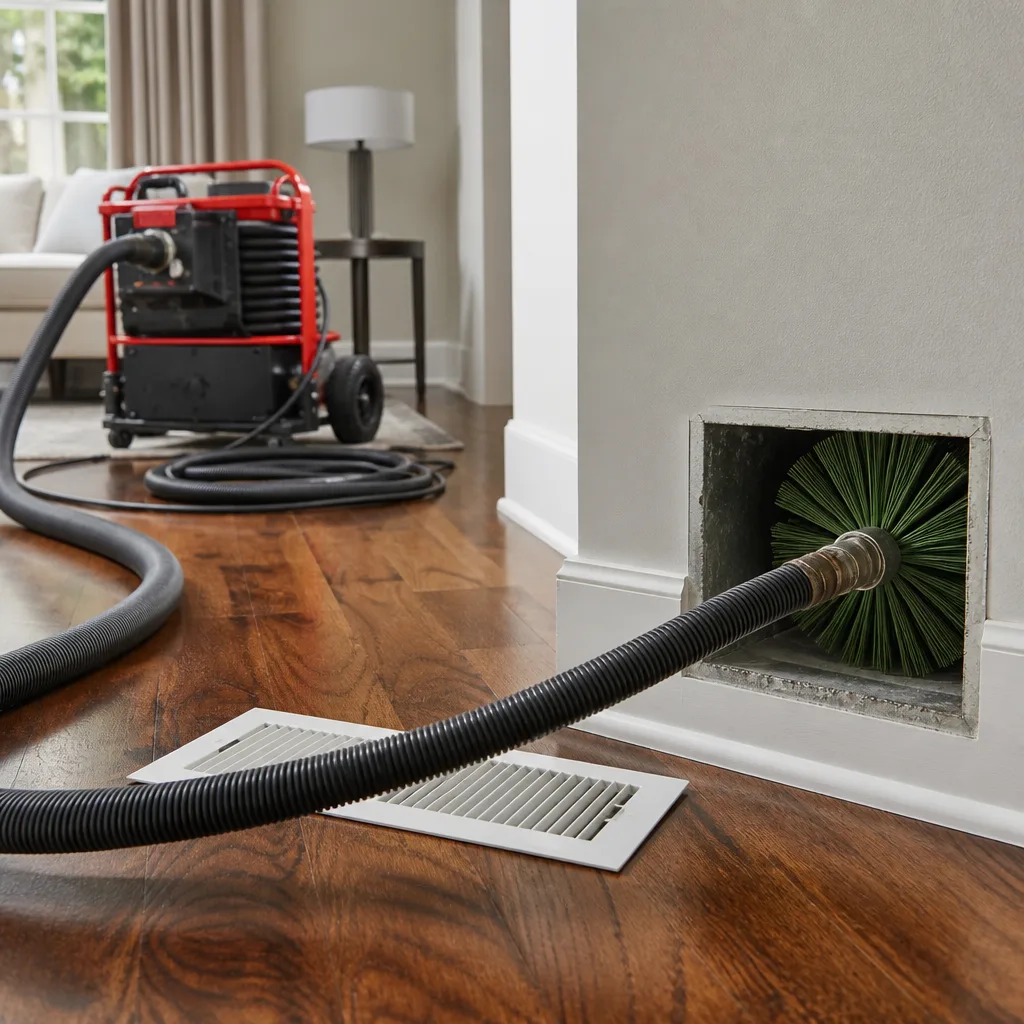
- Camera probe insertion at each register. We use a Rotobrush inspection system with a flexible camera probe that travels the full length of each duct run from the register back toward the air handler. The camera transmits live footage to a monitor the homeowner can watch in real time. Every run is recorded as a separate video file. Nothing is summarized verbally and thrown away – the footage exists.
- Photograph documentation at key findings. When the camera identifies a specific condition – debris accumulation, a cracked duct wall, biological growth, a disconnected joint – the technician captures a still photograph with the probe position noted. These photographs become part of your job record under our Documented Photo Record standard, a practice we’ve held on every visit since the company’s first job. You receive this record; it doesn’t stay on our server.
- Written scope from camera findings, delivered before any work begins. Once every run has been inspected, the technician writes a scope of work based on what the footage showed. The written price is presented before a single brush or vacuum hose enters the system. This is Haven Standard Clause 1: no work starts without a written price the customer has reviewed and accepted. If the inspection finds nothing that warrants cleaning beyond a standard maintenance pass, we say that in writing.
- Second-camera verification after cleaning or repair. For any job where the inspection found conditions that required remediation, the camera goes back in after work is complete. The before photograph and the after photograph appear side by side in your job record. This is the documentation that distinguishes a real cleaning from a service call where a truck ran a vacuum near your registers for an hour.
- 365-Day Done Right Promise, in writing. When the job record is delivered, it includes our 365-Day Done Right Promise: if anything we documented and addressed isn’t right within 365 days, we come back and make it right. Not subject to manager approval – written on the job record.
BeforeAfterVideo Inspection Pricing in Washington, DC
If you’re wondering How Much Does Air Duct Cleaning Cost in Washington, DC? (2026 Price Guide), video inspection alone typically runs between $95 and $185 as a standalone diagnostic service, depending on the size of the system, the number of duct runs, and whether the ductwork is accessible through a basement, crawl space, or interior walls. Here is what drives the range:
- Number of duct runs: A two-story row house in Columbia Heights with 8 to 12 registers is at the lower end. A four-story detached home in Chevy Chase DC with 20-plus runs, multiple plenums, and a finished basement is at the higher end.
- Duct accessibility: Ductwork running through interior wall cavities – common in pre-1960 Washington row houses – takes longer to probe than exposed trunk lines in an open basement. The written quote reflects the actual layout, not an average.
- Combined with cleaning: When video inspection is performed as part of a full air duct cleaning appointment, the inspection cost is often absorbed into the overall job price. A standalone inspection visit carries its own line item, stated in writing before the technician begins.
| Service Scenario | Typical Price Range (Washington, DC) |
|---|---|
| Standalone video inspection, small system (up to 10 runs) | $95 – $130 |
| Standalone video inspection, large system (11+ runs) | $130 – $185 |
| Video inspection included with full duct cleaning | Absorbed into cleaning quote (line item shown) |
| Second-camera post-cleaning verification | Included on every CleanRun job at no additional charge |
Every price above is a written quote, not an estimate subject to revision once a technician is inside your home. If you’ve received a written quote from another company, bring it – CleanRun provides a free second opinion on any written estimate, putting our number next to theirs on paper. Call (240) 363-3380 and a live person will schedule your inspection and confirm the written quote range for your specific home before the appointment is booked.
What the Camera Has Found in Washington, DC Homes
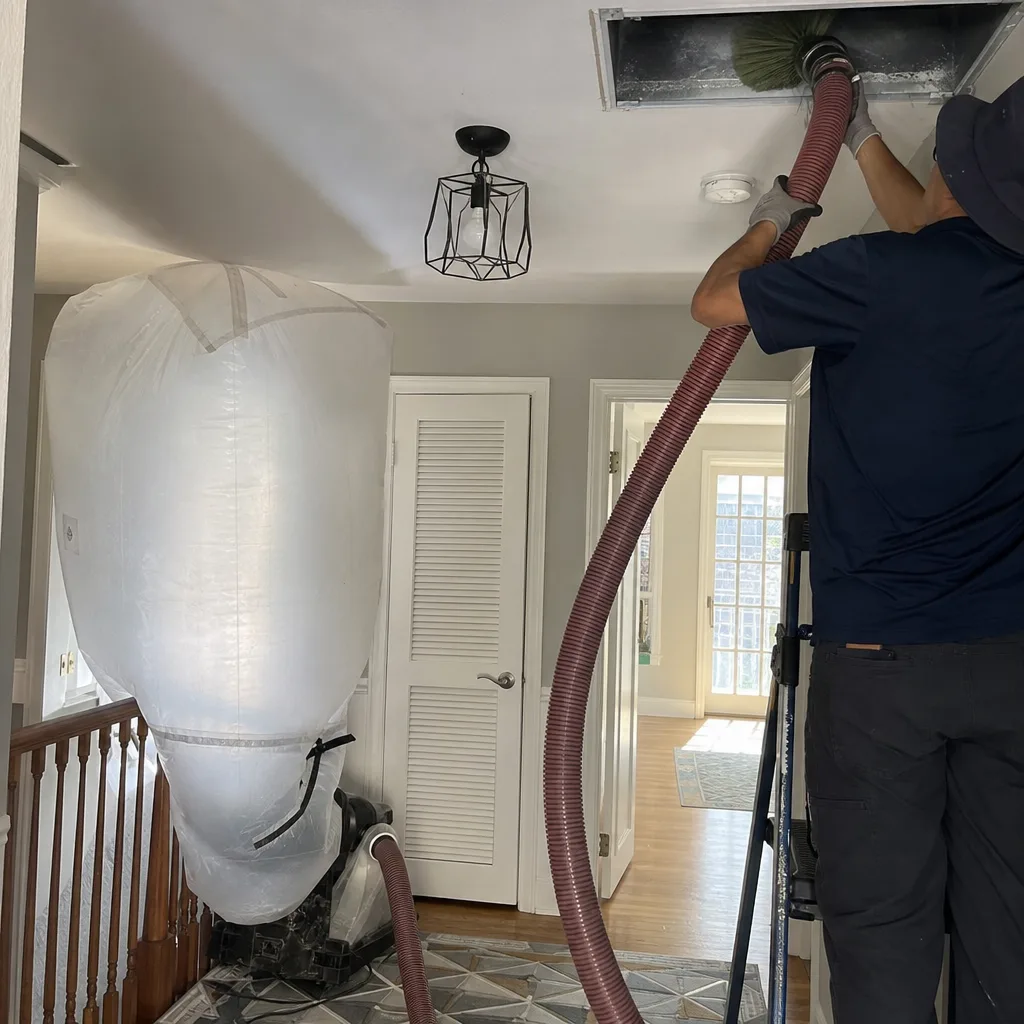
Case-study language is easy to write and easy to fabricate, so here is what the Rotobrush camera has actually documented in Washington homes since 2013 – conditions that a shop vac pass or a verbal assessment would have missed entirely.
In a 1940s brick colonial in Shepherd Park, the camera found a flex duct that had kinked 90 degrees inside a wall cavity, reducing airflow to the two upstairs bedrooms to roughly 30 percent of design capacity. The homeowner had been told by two prior HVAC companies that the system needed to be upsized. The camera documented the real problem in 12 minutes. The repair cost significantly less than a new unit.
In a Capitol Hill attached row house renovated in 2018, the camera found drywall compound and fiberglass insulation fragments packed into the first elbow downstream of the air handler – a direct result of renovation work on the second floor. The previous cleaning performed before the renovation had no documentation, so there was no baseline to compare. The before photograph from CleanRun’s inspection became the homeowner’s record for the first time.
In a Southwest Waterfront condominium building constructed in the 1970s, the camera found standing biological growth in the return plenum – the plenum being the large collection chamber that draws air back to the air handler before recirculation. The growth was concentrated in one area and photographed precisely. The remediation scope was written to address that specific section rather than the entire system, which kept the job cost proportionate to the actual condition.
Why Video Inspection Before Cleaning Matters for DC Homeowners
Washington’s residential duct systems sit in a specific set of physical conditions that make pre-cleaning inspection more useful here than in markets with newer housing stock. The city’s humid summers – average relative humidity regularly exceeds 70 percent from June through September – mean ductwork that develops any air leak or insulation gap becomes a condensation point. Biological growth in ducts in Washington is not an unusual finding; it’s a predictable consequence of the climate combined with aging duct materials.
The other factor is the construction era. A large share of Washington’s occupied housing was built between 1920 and 1975, when duct systems used galvanized steel with mastic or tape joints that dry and crack over decades. A camera inspection in these systems regularly finds separated joints that have been leaking conditioned air into wall cavities or attic spaces for years – energy losses that a cleaning job alone doesn’t address. The video record is what turns a cleaning appointment into a documented assessment that tells you what your system actually needs.
CleanRun has operated in Washington since 2013, across more than 52,000 homes served under a written-price, photo-documented standard. Tomas Reyes built the company’s process around one premise: the homeowner should be able to see exactly what the technician sees, before they agree to anything. Video inspection is the mechanism that makes that possible.
Equipment Used for Video Inspection
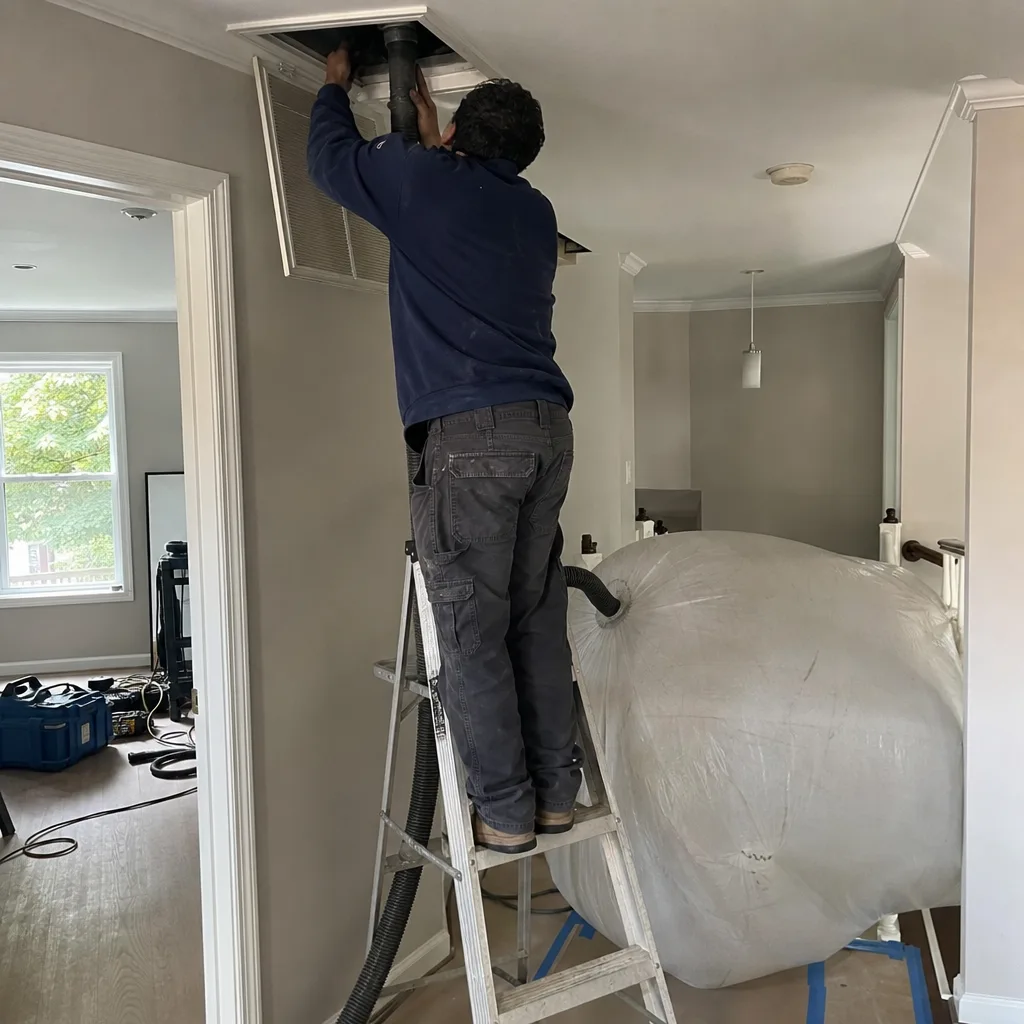
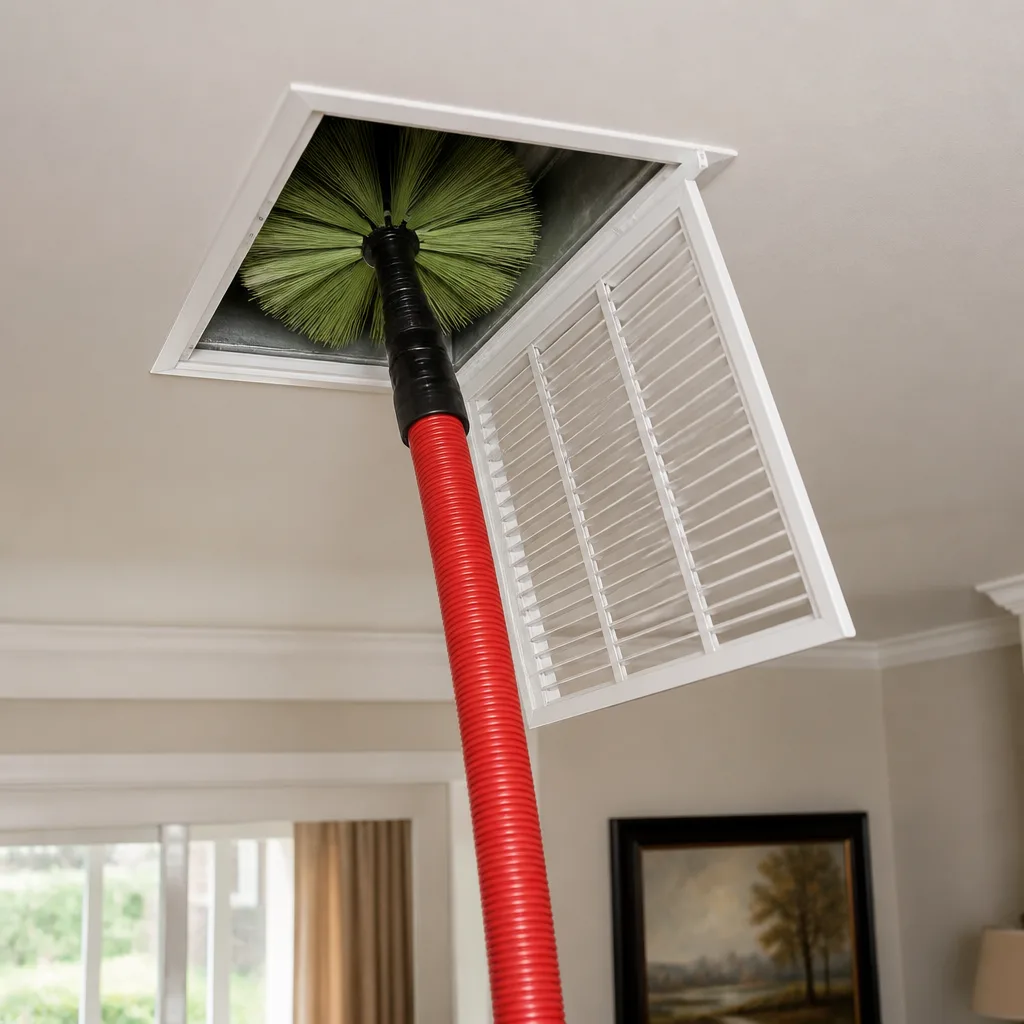
The inspection camera we use is part of the Rotobrush integrated system – a trade-recognized platform that combines flexible probe inspection with the same equipment used for agitation cleaning, so the transition from diagnostic to cleaning doesn’t require a separate setup or a second appointment. The Rotobrush system is an industry-standard tool that customers can look up independently before agreeing to a price. We name our equipment because we want you to be able to verify what you’re paying for.
For post-remediation air quality verification on jobs where biological contamination was documented, we use Nikro equipment for negative-pressure containment – meaning the affected section of ductwork is placed under negative pressure before any disturbing or cleaning occurs, so contaminants don’t spread into living areas during the job. This is a NADCA-aligned practice, not a sales upgrade.
FAQs – Video Inspection in Washington, DC
How much does duct video inspection cost in Washington, DC?
Duct video inspection in Washington, DC typically costs between $95 and $185 for a standalone inspection, depending on system size and accessibility, and is separate from How Much Does Air Duct Cleaning Cost? (2026 Price Guide) - Washington, DC overall. Homes with 10 or fewer duct runs generally fall in the $95-$130 range; larger systems with multiple plenums or interior wall routing run $130-$185. When inspection is combined with a full cleaning appointment, the cost is absorbed into the overall job price and shown as a line item on the written quote. Call (240) 363-3380 for a written price specific to your home – no estimate subject to change once we’re on site.
Can I see the camera footage during the inspection?
Yes. The Rotobrush camera system transmits live footage to a monitor during the inspection, and you’re encouraged to watch each run in real time. Still photographs of any significant findings are taken as the probe moves through the system and delivered to you as part of the Documented Photo Record – a standard CleanRun deliverable on every job, not an add-on service. You keep this record; it’s yours.
Is video inspection necessary if I just had my ducts cleaned recently?
It depends on whether the prior cleaning was documented. If your previous cleaning company provided before-and-after photographs from inside each duct run, those photos serve as a baseline. If they didn’t – and most $79-coupon cleanings don’t include any visual record – there’s no verified starting point. A camera inspection after an undocumented cleaning often finds debris or biological material that a vacuum pass didn’t reach, particularly at elbows and inside return plenums. The camera tells you what actually happened, not what was promised.
What happens if the camera finds something serious – like mold or a disconnected duct?
The camera footage and still photographs documenting the finding become part of your written job record. The technician writes a specific scope of work addressing only the documented condition, with a written price before any remediation begins. You are not required to proceed on the same day – the written quote is yours to review, compare, or bring to another company for a second opinion. CleanRun’s 365-Day Done Right Promise applies to any remediation work that follows: if the documented condition isn’t resolved to the standard shown in the post-work photographs, we come back and make it right.
Schedule Your Video Inspection in Washington, DC
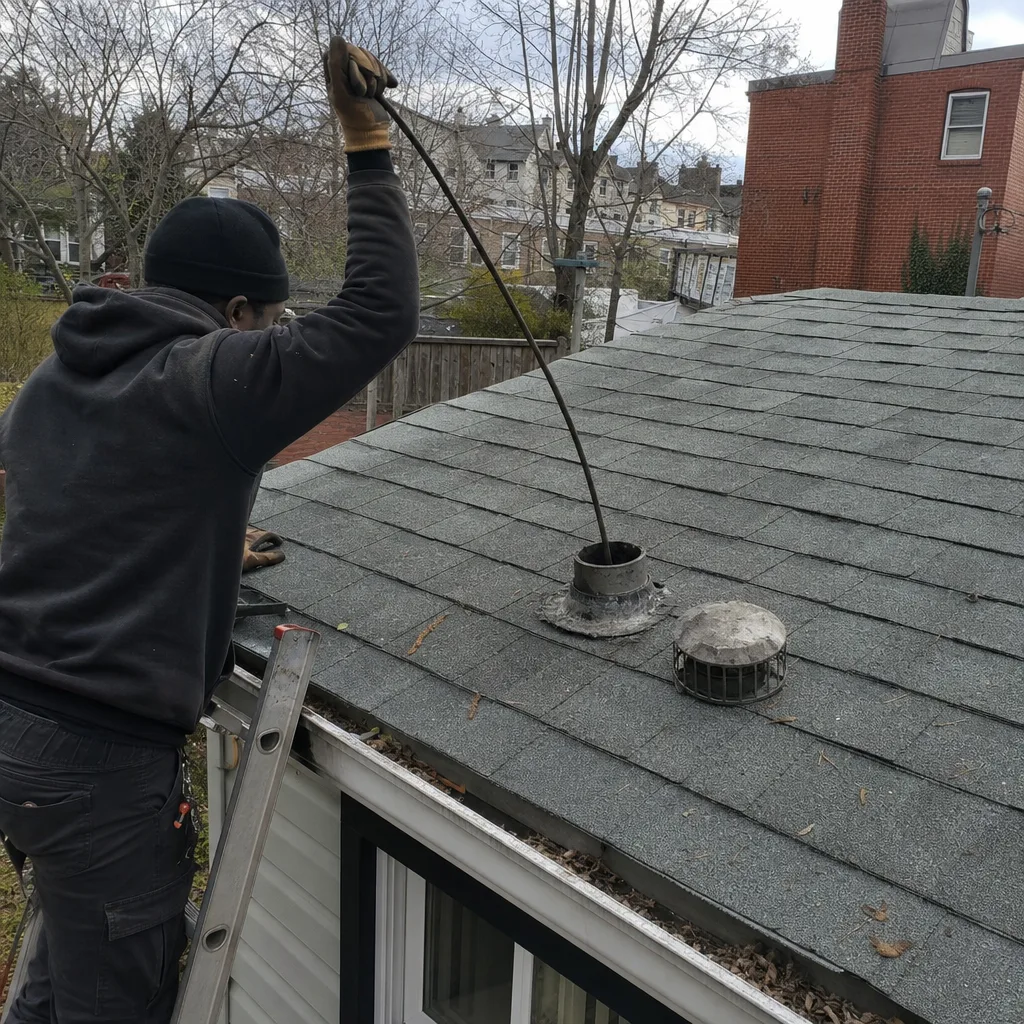
If you want to know what’s inside your ductwork before agreeing to any cleaning or repair scope, search Air Duct Cleaning Near Me in Washington, DC or call CleanRun directly at (240) 363-3380. A live person answers every call. Tomas Reyes and the CleanRun team will confirm the written price range for your system before the appointment is scheduled – no “call for a quote” that turns into a pressure conversation on site. The inspection includes a Documented Photo Record of every run, a written scope if any work is warranted, and a 365-Day Done Right Promise on any work that follows. That’s what a documented service call looks like.
Written by Tomas Reyes, Owner at CleanRun Air Duct Cleaning Washington, serving Washington.