
Last updated September 23, 2026
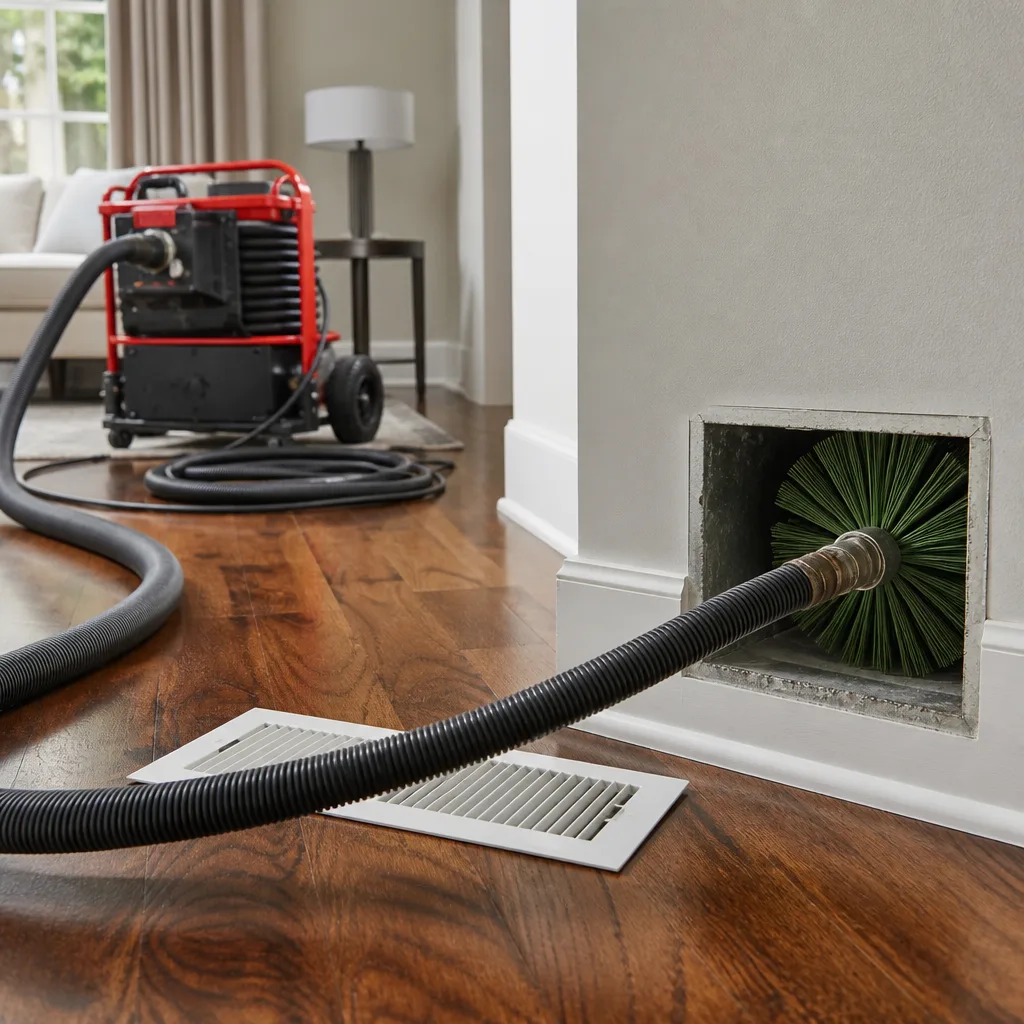
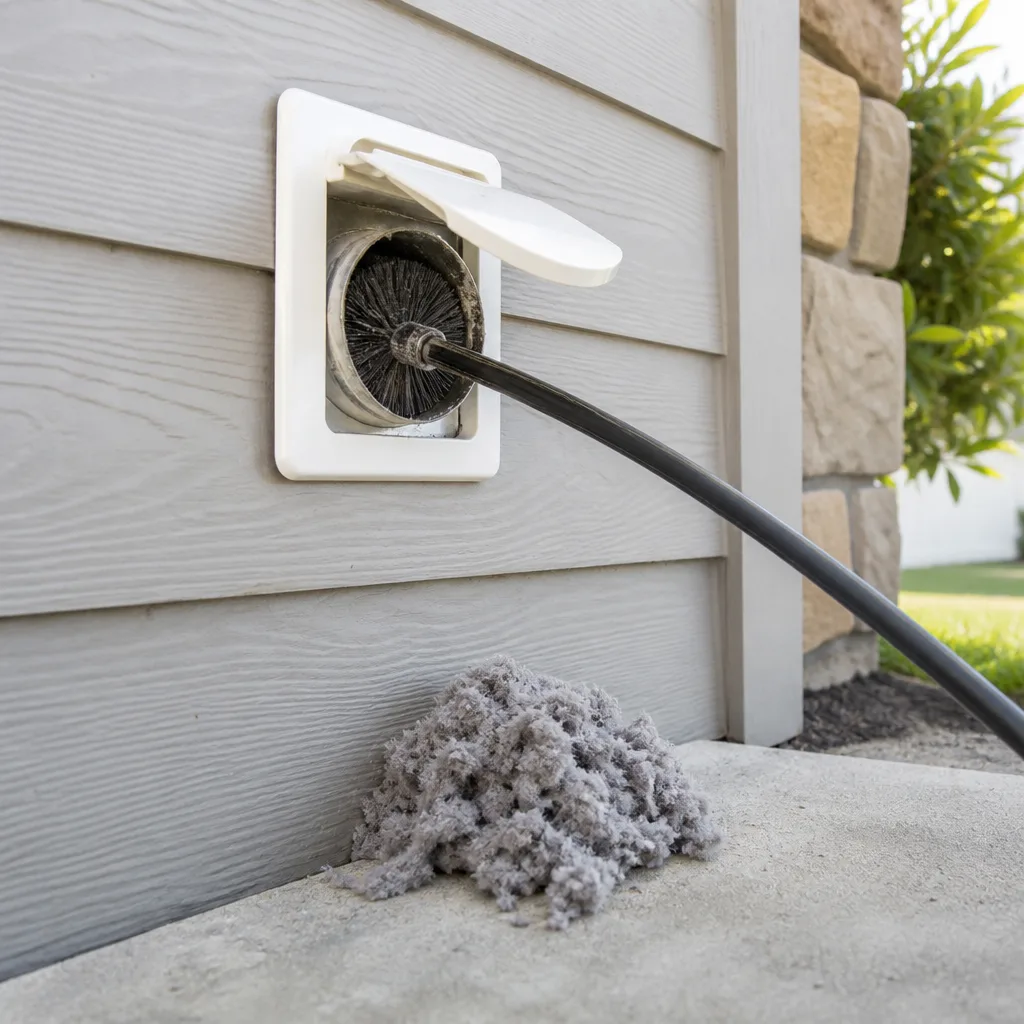
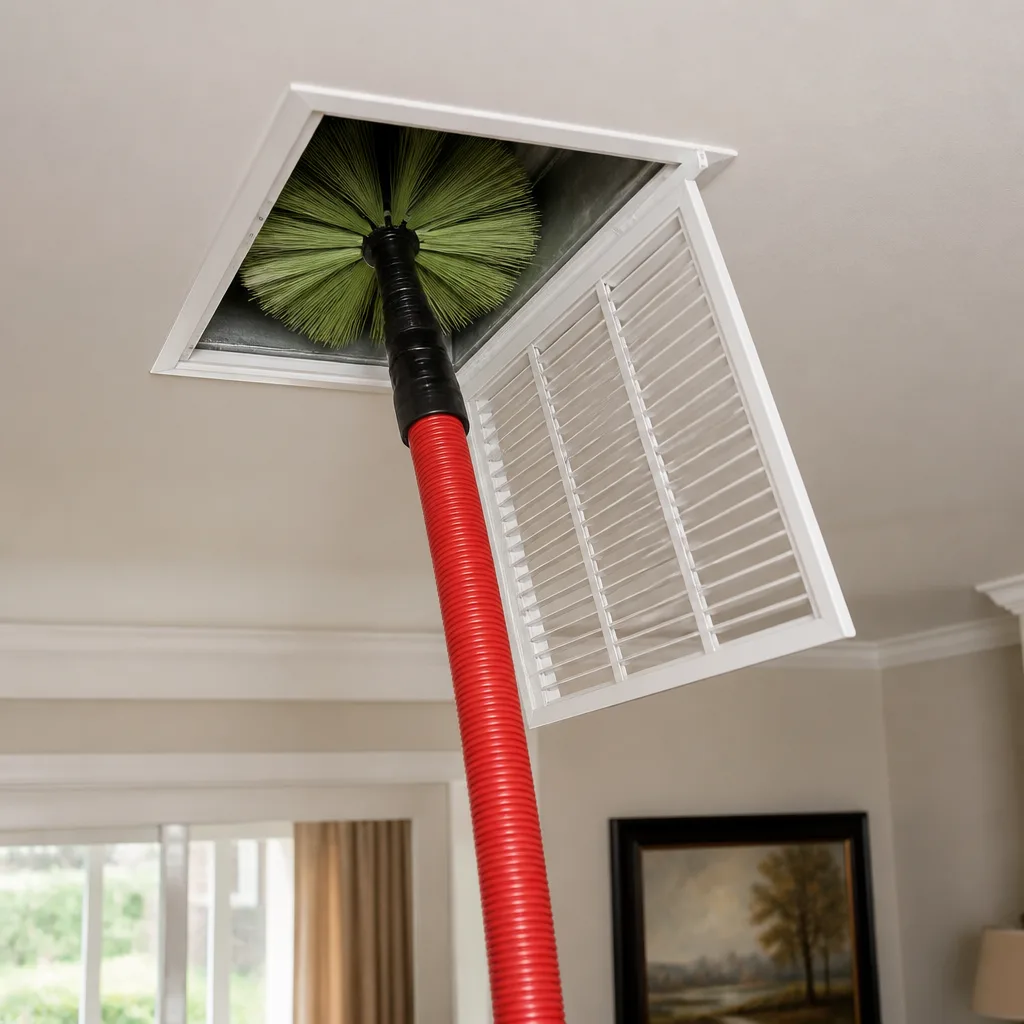
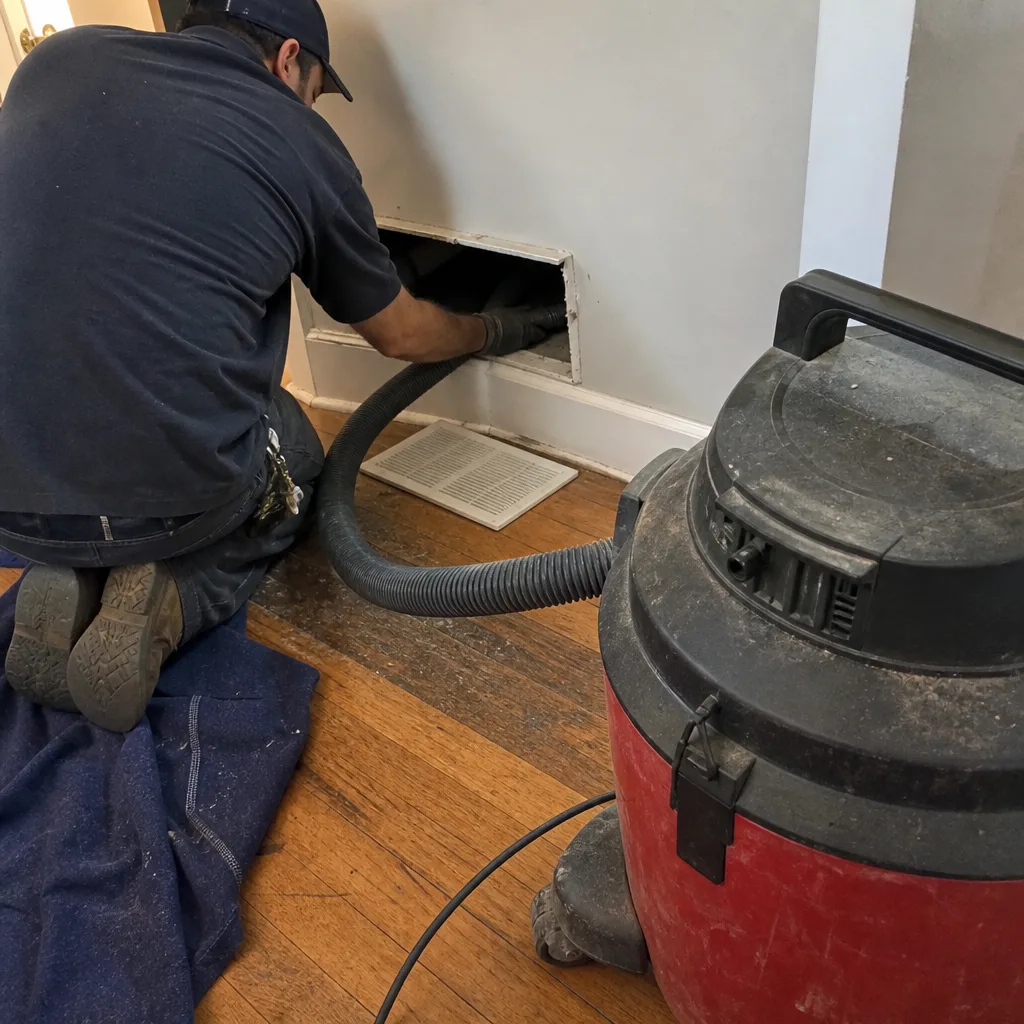
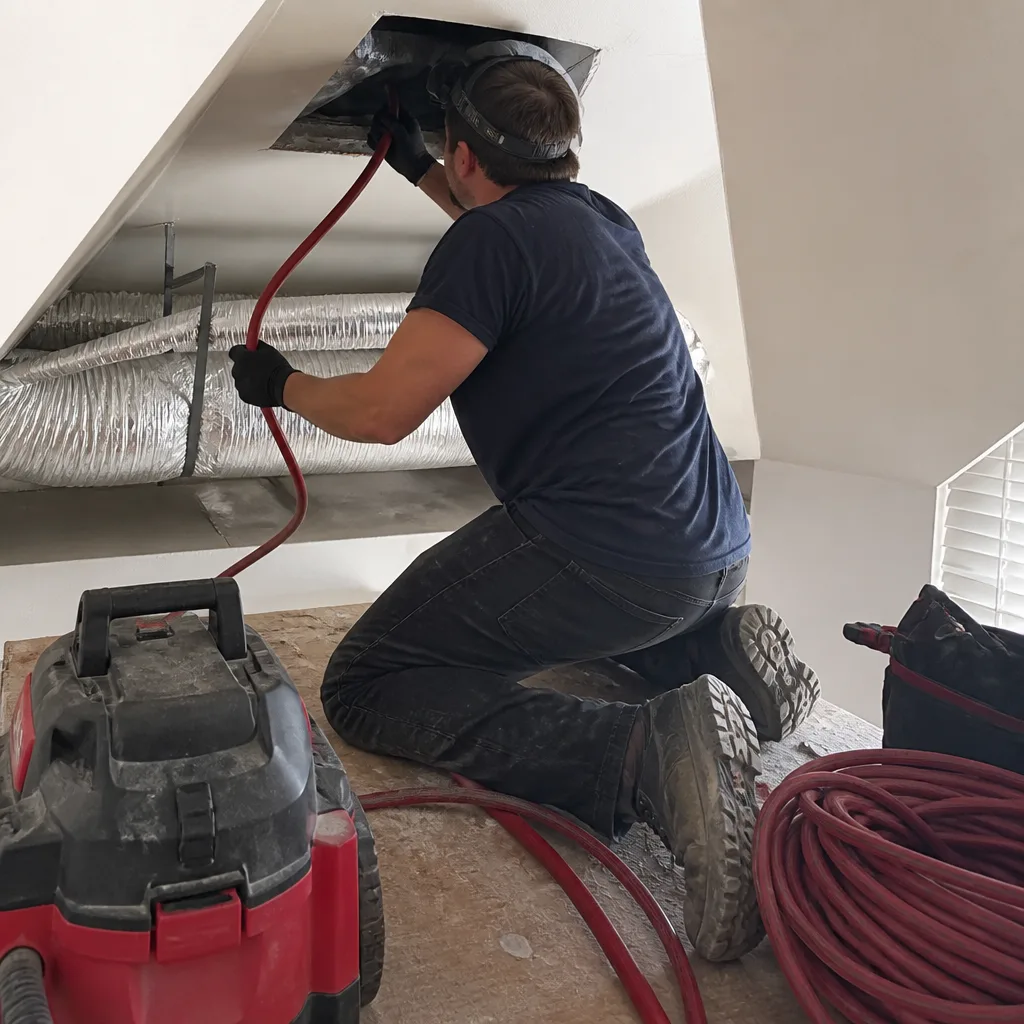
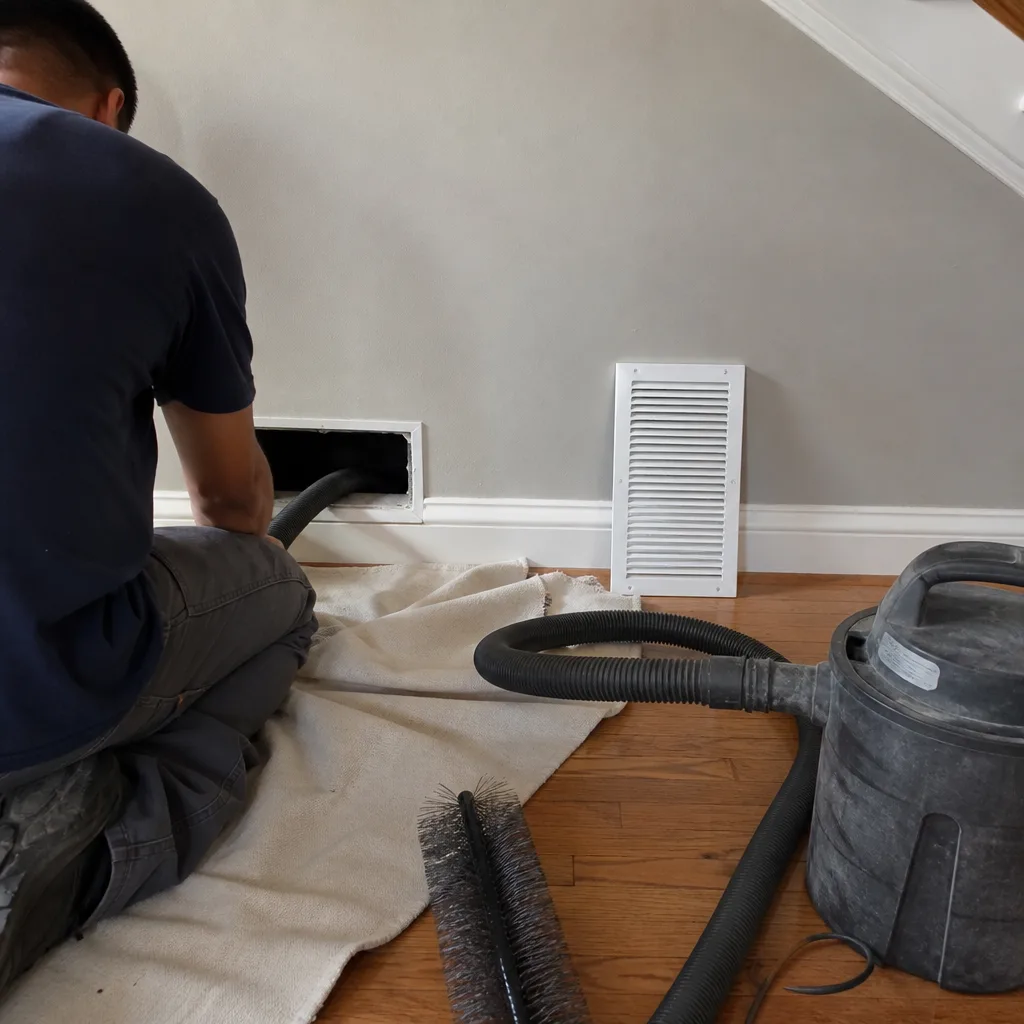
Whole-system duct and dryer vent check with before-and-after photos - you see exactly what came out of your vents
That "$99 whole-house special" is a bait ad - the real number appears once they are in your hallway, or the "clean" is a shop-vac at the register. We photograph the inside of your ducts before and after instead.
 Before
 After
After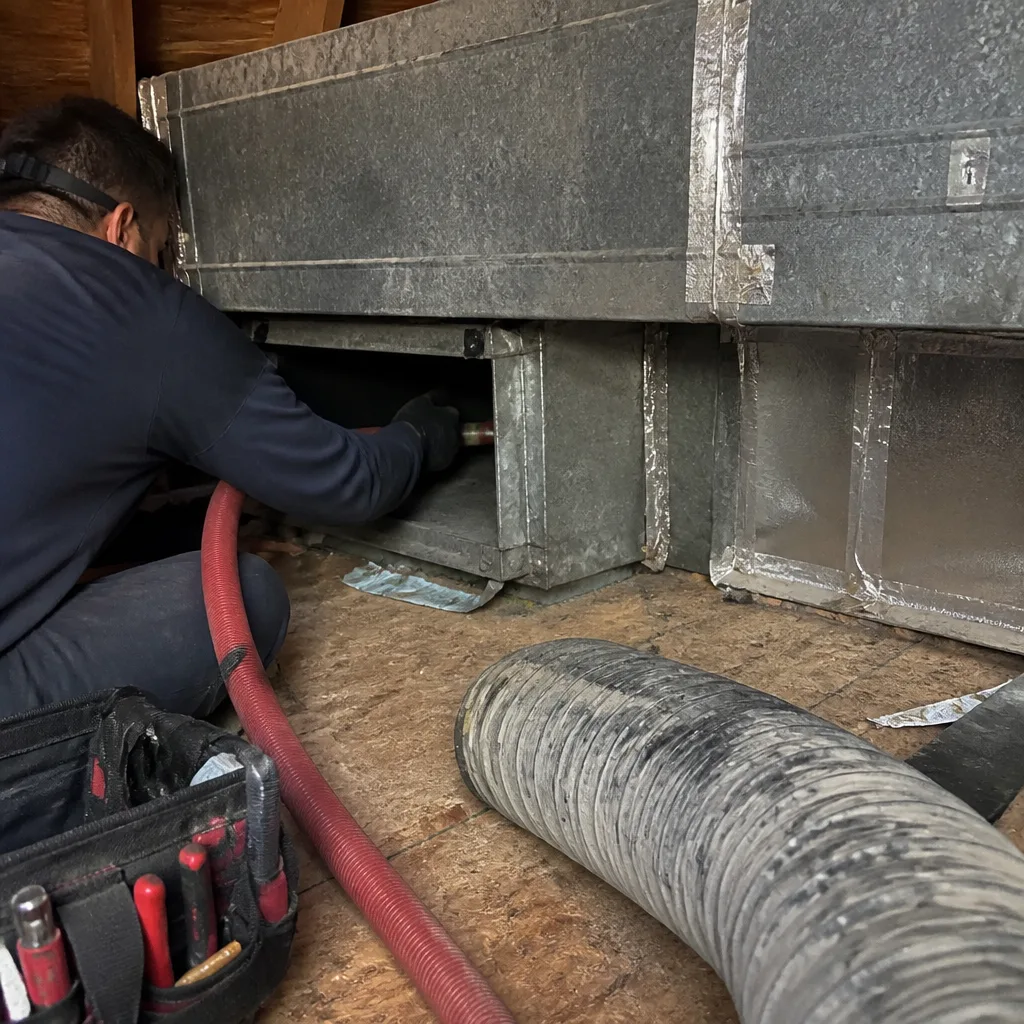 Before
 After
After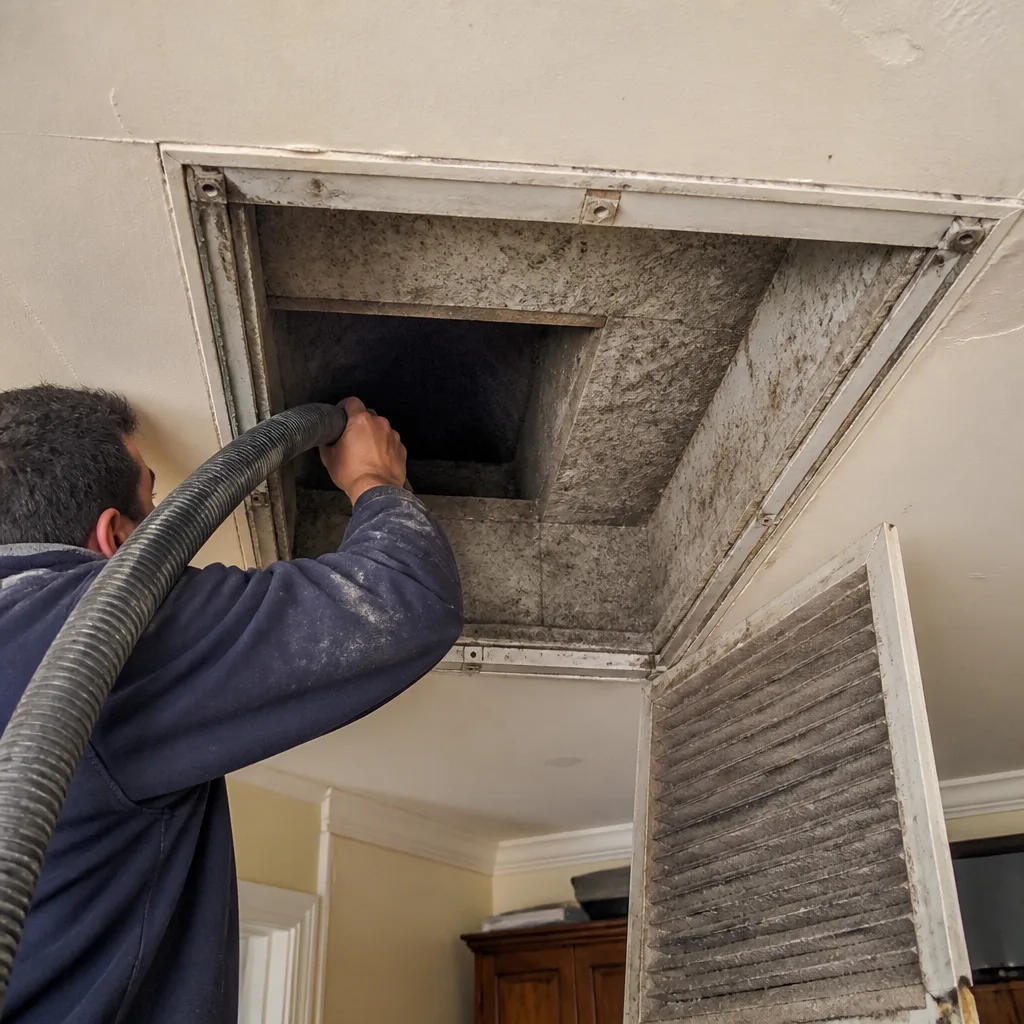 Before
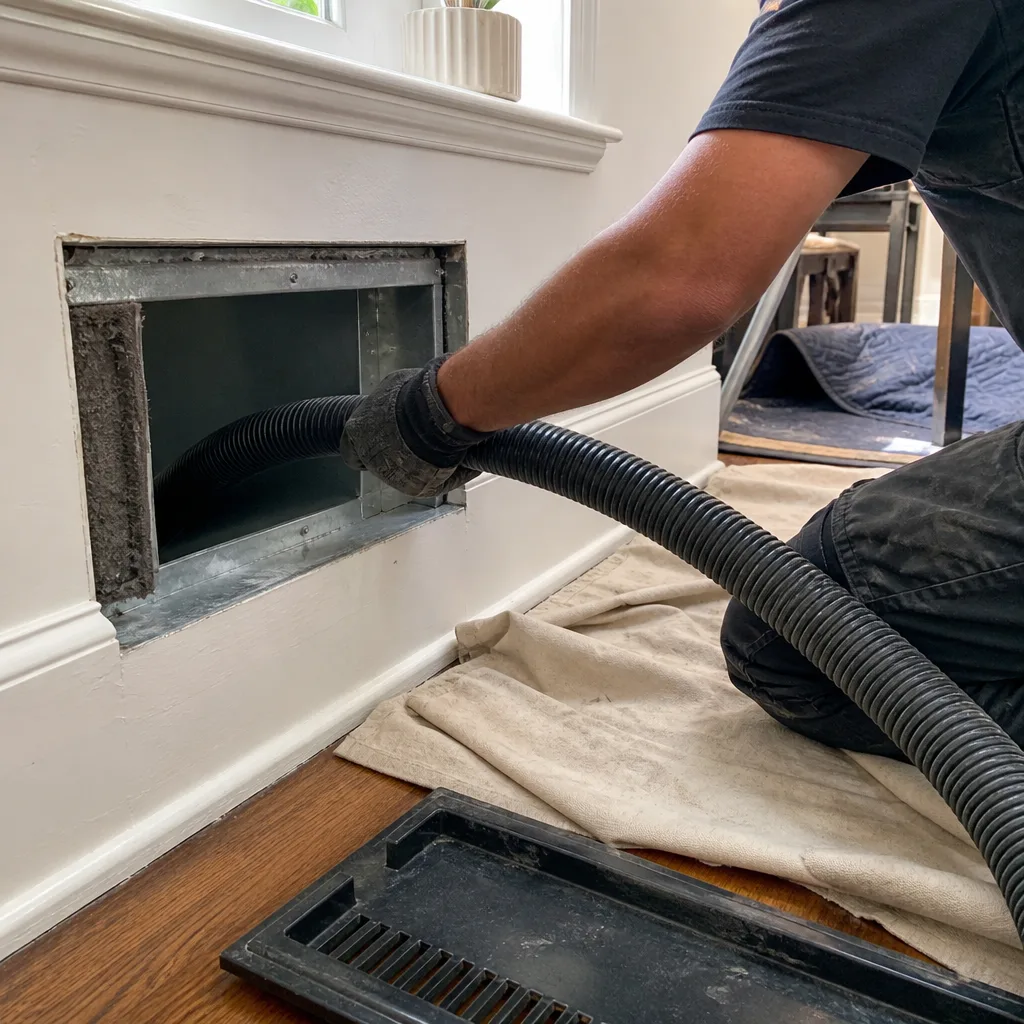 After
AfterAir Duct Cleaning Warning Signs: A Washington Homeowner’s Reference Guide
Dust on a register grille is not a warning sign - it’s normal. What matters is the specific texture, color, and location of that debris, which tells a different story depending on whether your Washington home has flex duct, sheet metal, or a combination of both. Most warning sign lists online describe symptoms so generic they apply to half of all HVAC issues, leaving homeowners guessing whether they need a $79 coupon service or something more serious. This guide gives you observable, specific indicators tied to the actual failure modes common in Washington’s housing stock, from Capitol Hill rowhouses with long horizontal duct runs to 1960s split-levels in Chevy Chase with original fiberglass ductboard. For a deeper dive, see The Complete Guide to Air Duct Cleaning in Washington.
Quick Answer
Washington homeowners should look for three categories of warning signs: visual debris that differs from ordinary household dust in color or texture, odors that persist after filter changes and surface cleaning, and performance problems that correlate with HVAC runtime rather than outdoor temperature. Normal dust is gray and fibrous; black speckling, oily film, or insulation fragments indicate problems requiring professional evaluation.
Table of Contents
- Visual Debris: What Register Dust Is Actually Telling You
- Odor Diagnosis by Type: Musty, Chemical, or Dusty-Dry
- Performance Warning Signs in Washington Housing Types
- What to Document Before Calling a Contractor
- When the Problem Is Beyond Cleaning
- Filter Failure Modes Most Homeowners Miss
- Common Mistakes to Avoid
- When to Call a Professional
- Frequently Asked Questions
BeforeAfterVisual Debris: What Register Dust Is Actually Telling You
We’ve photographed the inside of over 52,000 duct runs since 2013, and the debris we find falls into distinct categories that point to different problems. Learning to read what you see on your registers can save you from paying for unnecessary work or, worse, missing a condition that will damage your HVAC system.
Normal Household Dust
Ordinary dust in Washington homes is typically gray, dry, and slightly fibrous. It accumulates evenly across the grille face and wipes away with a damp cloth. If what’s on your register matches this description and your HVAC performance is normal, you’re observing standard filtration inefficiency, not a duct contamination problem. Change your filter and move on.
Gray, Fluffy, or Stringy Material
This is degraded duct liner or insulation. In Washington, we see this most often in homes built between 1960 and 1995 with fiberglass ductboard or lined sheet metal. The material breaks down under thermal cycling - Washington’s hot, humid summers and dry heating-season air accelerate the deterioration. The debris feels almost cotton-like and may cling to the register rather than falling away.
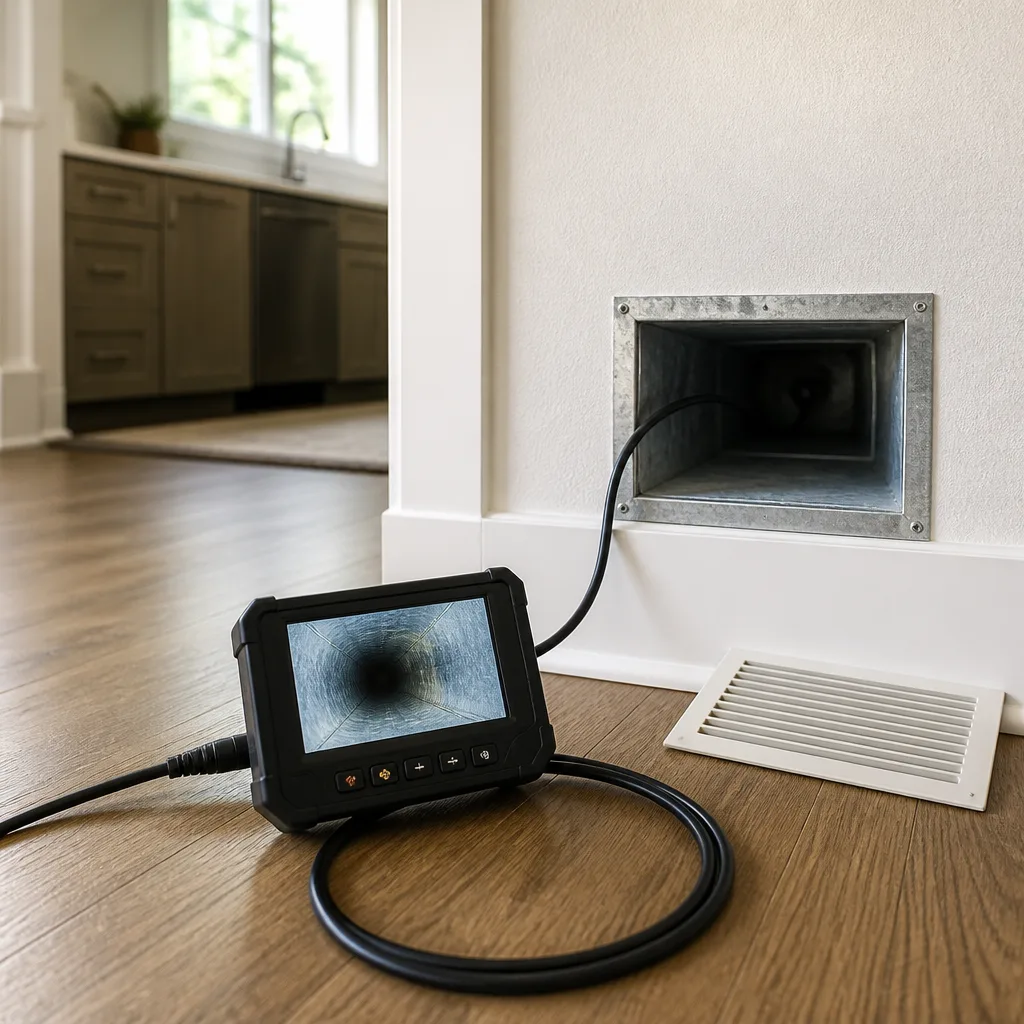
If you see this, photograph it. The duct liner is now airborne and being distributed through your living space. A standard Air Duct Cleaning will not fix degraded liner; the affected section needs repair or replacement. We document this with before-and-after photos using a duct inspection camera, and the image quality lets homeowners see exactly where the liner has separated from the metal.
Black Speckling or Smudging
Fine black particles that smear when wiped suggest one of three conditions: mold growth with associated spore masses, carbon deposits from a combustion appliance, or soot from a prior fire or heavy smoking. In Washington’s older housing stock, particularly rowhouses with original boilers, we find carbon tracking where a cracked heat exchanger or backdrafting water heater has deposited combustion byproducts into the return air stream.
The critical distinction: mold typically shows as irregular spotting with a musty odor, while carbon deposits are more uniform and may be accompanied by a slight oily residue. Both require professional evaluation. Do not attempt to clean or sample these yourself; disturbing mold colonies can release concentrated spore loads, and carbon monoxide-related deposits indicate a combustion safety issue that needs immediate attention from an HVAC technician.
Oily or Sticky Film
A thin, greasy residue on registers near kitchens or in homes with gas appliances often indicates volatile organic compounds (VOCs) that have condensed in the ductwork. In Washington, where many basement and garden-level units have gas cooking appliances with inadequate ventilation, we see this pattern concentrated on registers closest to the kitchen. The film attracts particulates and creates a visible buildup that recurs quickly after cleaning.
This condition responds to cleaning, but it will return unless the source is addressed. We note it in our written scope and photo record so homeowners can correlate the finding with kitchen ventilation improvements.
Construction Debris
Post-renovation, Washington homeowners sometimes find drywall dust, wood particles, or insulation fragments on registers. Standard fiberglass filters will not capture fine drywall dust; it passes through and settles in the ductwork. If your home was renovated between 2015 and 2025 - the peak purchase years for our typical customer - and you did not have ducts cleaned afterward, this debris is likely still circulating. The texture is gritty and irregular, unlike household dust.
Air Duct Cleaning in Washington after major renovation is not optional maintenance; it’s debris removal that protects your HVAC equipment from abrasion and your indoor air from ongoing particulate exposure.
Odor Diagnosis by Type: Musty, Chemical, or Dusty-Dry
Smell is the most reliable indicator of duct contamination, but only if you describe the odor accurately. “Musty” covers too many conditions to be useful. Here’s what we’ve learned from 52,000 Washington homes about matching odor to source location.
Musty-Sweet Odor
This profile - damp basement, old books, slight sweetness - typically indicates mold or bacterial growth on the evaporator coil or in the condensate pan. In Washington’s humid summers, coil pan overflow and standing water are common in systems without proper drainage maintenance. The odor intensifies when the system first cycles on, then diminishes as air movement dilutes it.
The source is usually accessible through the air handler cabinet, not deep in the ductwork. HVAC cleaning, not full duct cleaning, is often the appropriate response. We verify this with a visual inspection of the coil and pan before quoting any ductwork; Haven Standard Clause 1 requires a written price before work starts, and we won’t write a scope for work that won’t solve the problem.
Chemical or Solvent-Like Odor
Sharp, acrid, or paint-thinner-like smells suggest VOC off-gassing from new materials, adhesives, or sealants, or - more seriously - refrigerant leak or overheated electrical components. In Washington’s renovation-heavy market, we see this frequently in recently updated homes where duct sealant or mastic was applied improperly and is now curing in the heated airstream.
If the odor correlates with HVAC runtime and has persisted more than two weeks, it’s not normal off-gassing. Document when you first noticed it, whether it started after any service or renovation, and whether it’s stronger at certain registers. This information lets a technician prioritize inspection locations.
Dusty-Dry or “Heater Smell” That Persists
The first heating cycle of fall typically produces a brief dusty odor as accumulated debris burns off. In Washington, where heating season runs October through April, this should last no more than a few hours. If the odor persists beyond 24 hours or returns throughout the season, you have excessive debris accumulation in the supply plenum or duct runs.
The critical question: does the odor appear at all registers or only specific ones? Isolated distribution points to a localized blockage or contamination source; universal distribution suggests systemic accumulation or a failing filter bypassing debris around its seal.
Rotten Egg or Sulfur Odor
This is not a duct contamination issue. Natural gas odorant smells like sulfur, and any such odor requires immediate evacuation and utility notification. Do not run your HVAC system. Do not investigate. Exit the building and call Washington Gas from outside at 844-WASHGAS.
Performance Warning Signs in Washington Housing Types
Washington’s housing stock creates specific duct failure patterns that show up as performance problems. Matching your home type to the symptom helps you describe what you’re experiencing and avoid misdiagnosis.
Rowhouses and Long Horizontal Runs
Capitol Hill, Georgetown, and Shaw rowhouses often have duct systems with 30-foot or longer horizontal runs to reach rear rooms. These runs sag over time, particularly if flex duct was used in a retrofit. The symptom: rooms at the end of the run are consistently 4-8 degrees colder in heating season and warmer in cooling season, even when the system runs continuously.
What’s happening: the sag creates a low point where debris collects and airflow is restricted. In extreme cases, the duct has partially collapsed. A standard cleaning will not restore airflow; the physical damage needs repair. We photograph these conditions with a duct inspection camera and include the image in our written scope so homeowners understand why cleaning alone won’t solve the temperature imbalance.
Basement and Garden Units with Humidity Problems
Washington’s high water table and clay-heavy soil make basement moisture endemic. In below-grade units - common in Mount Pleasant, Columbia Heights, and Petworth - we see supply registers that sweat in summer and ductwork with chronically wet exterior surfaces. The symptom: musty odor, mold on register grilles, and dehumidifiers that run continuously without reaching setpoint.
The ductwork is not the primary problem; it’s the symptom of envelope moisture intrusion. Cleaning mold from ducts without addressing the moisture source is temporary at best. We note this in our photo record and written scope, and we won’t perform cleaning that we know will need repeating in six months. Haven Standard Clause 4: Documented Accountability.
Older Buildings with Original Ductwork
Pre-1950 buildings in Washington with original gravity furnace systems converted to forced air often have oversized, uninsulated sheet metal ducts. The symptom: high utility bills despite moderate thermostat settings, particularly in winter. The original ducts were designed for low-velocity gravity heat; the forced-air retrofit pushes air faster than the duct was designed to handle, creating turbulence, noise, and heat loss through uninsulated walls.
These systems rarely benefit from cleaning alone. The solution is duct modification or replacement, sometimes with zoning. We provide a written scope that distinguishes between what cleaning can achieve and what requires structural work, so homeowners can prioritize and budget accurately.
Newer Construction with Tight Envelopes
Homes built or heavily renovated since 2015 in Washington’s inner suburbs - Bethesda, Chevy Chase, Arlington - often have tight building envelopes with balanced ventilation systems. The symptom: stale air, lingering cooking odors, and CO2 levels that rise quickly with occupancy. The ductwork is clean but the ventilation rate is inadequate for the building’s air leakage rate.
This is an airflow design problem, not a contamination problem. Cleaning won’t help; the system needs commissioning or modification. We verify this with airflow measurement before quoting any cleaning work.
What to Document Before Calling a Contractor
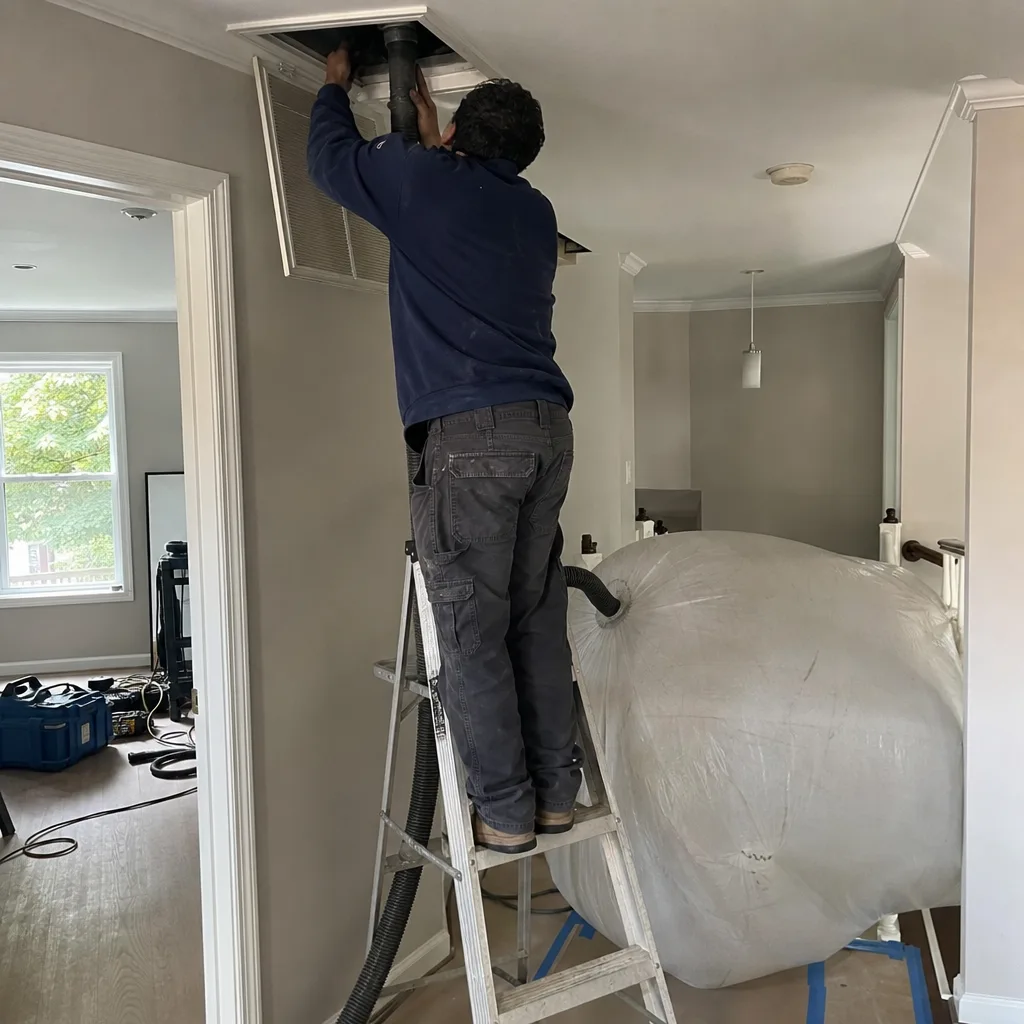
The quality of your service call depends on the information you provide. We’ve responded to thousands of Washington homes where the homeowner’s preparation let us diagnose accurately on arrival, and thousands more where we spent the first 20 minutes reconstructing what happened. Here’s what to gather.
- Photograph the register debris. Take close-ups in natural light, with a coin or ruler for scale. Note which room, which register (supply or return), and when you first noticed it.
- Record the odor profile. Write down the exact character (musty-sweet, chemical, dusty-dry), when it appears (startup, continuous, shutdown), and which registers are affected.
- Check and photograph your filter. Note the MERV rating, installation date, and condition. A filter installed backward, damaged, or of inappropriate MERV for your system is diagnostic information.
- Document recent events. Renovation, flooding, HVAC service, pest treatment, or neighbor construction can all introduce contaminants or damage ductwork. Dates matter.
- Record performance data if available. Utility bills for the past 12 months, thermostat settings, and any room temperature readings you’ve taken. Pattern recognition - does the problem correlate with heating season, cooling season, or specific weather?
- Locate your air handler and note accessibility. In Washington rowhouses, the air handler is sometimes in a basement closet or converted crawlspace that requires advance planning to access safely.
Bring this documentation to your estimate appointment. CleanRun’s written scope incorporates your observations; we don’t start from zero on every call. The CleanRun Air Duct Cleaning Washington home process begins with your information, not a sales pitch.
When the Problem Is Beyond Cleaning
Some conditions mimic dirty ducts but require remediation or repair instead. Recognizing these protects you from paying for ineffective work and, in some cases, from health hazards.
Disconnected or Separated Ducts
If you feel strong airflow in an unfinished basement, attic, or crawlspace, or if a room has no airflow despite a running system, a duct section has likely separated. The symptom is performance, not debris. Cleaning a disconnected duct is pointless; it needs reconnection and sealing. We verify this with airflow measurement and smoke testing before writing any scope.
Visible Collapse or Crushing
Flex duct that has been crushed by storage, renovation work, or pest damage will show as a sudden, severe airflow reduction to one or more registers. The register itself may appear normal. This requires duct replacement, not cleaning.
Biological Growth Requiring Remediation
Visible mold growth covering more than 10 square feet of duct surface, or any growth on structural components like joists or sheathing near duct penetrations, falls under EPA remediation guidelines, not standard cleaning. The source of moisture must be eliminated, affected materials removed, and the area dried before any cleaning or coating is applied.
We document the extent of growth with photos and refer to certified remediation contractors when the condition exceeds our scope. Our photo record shows you exactly what we found and why we’re recommending referral; Haven Standard Clause 2: Transparent Scope.
Asbestos-Containing Materials
Washington homes built before 1980 may have asbestos duct tape, insulation, or transite panels. Disturbing these materials during cleaning creates a serious exposure hazard. We inspect for suspect materials before beginning any work and will not proceed without proper abatement if asbestos is confirmed.
Filter Failure Modes Most Homeowners Miss
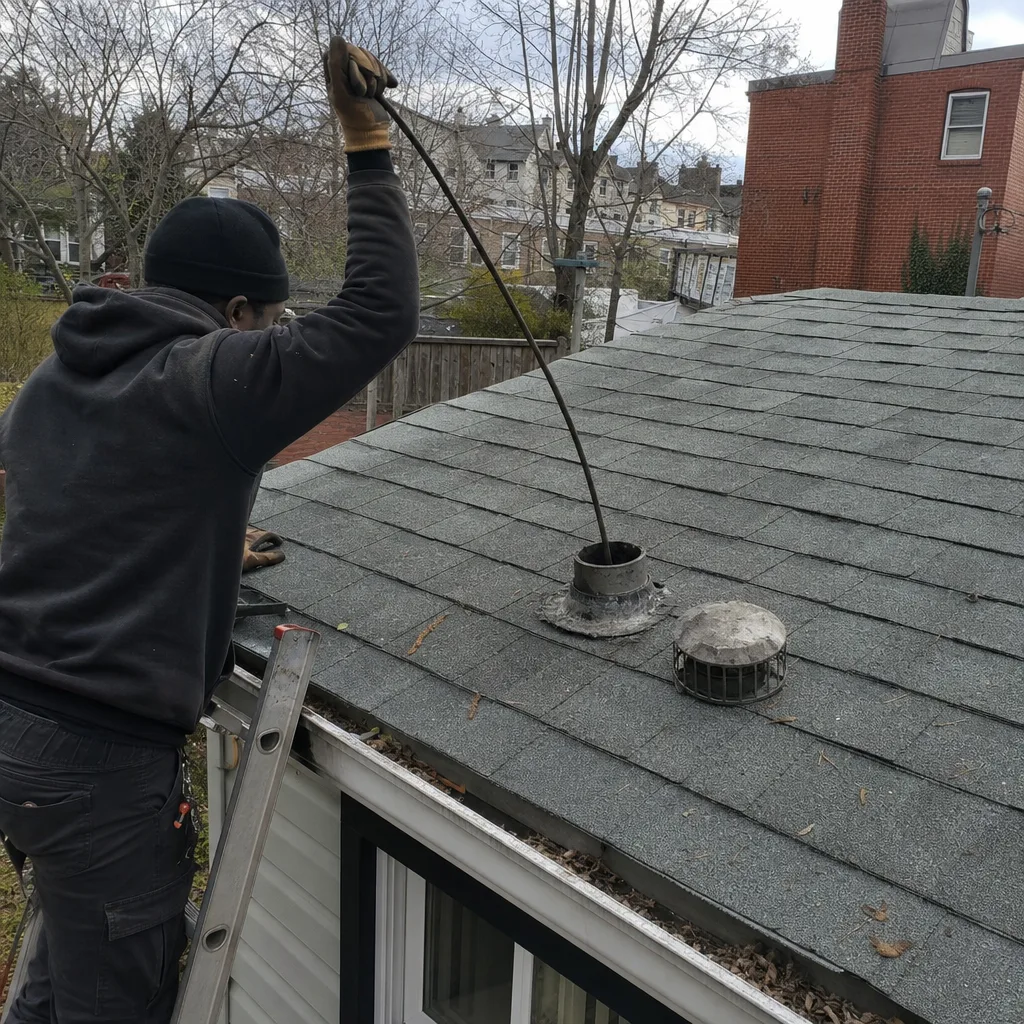
The filter is the most neglected diagnostic tool in your HVAC system. Its condition tells us more than most homeowners realize about what’s happening upstream.
- Filter bypass. A filter that’s too small for its housing, damaged, or improperly seated allows unfiltered air to flow around it. The symptom: rapid dust accumulation despite frequent filter changes. The filter looks clean because dirty air isn’t passing through it.
- MERV mismatch. High-MERV filters (13+) in systems not designed for them restrict airflow, strain the blower motor, and can cause the filter to collapse or the housing to deform. The symptom: whistling noise, reduced airflow, or a filter that bows inward. In Washington’s older housing stock, we see this frequently where homeowners have upgraded filters without verifying system compatibility.
- Moisture-impacted filters. A filter that has been wet, even once, supports mold growth that continues to sporulate. The symptom: musty odor that returns within days of filter change. The filter may look discolored or have a musty smell when removed.
- Missing filter. Surprisingly common after service calls where the technician removed the filter for inspection and forgot to reinstall it. The symptom: explosive dust accumulation over 1-2 weeks. Check your filter location after any HVAC service.
We photograph filter condition as part of our standard documentation and note any installation or specification issues in our written scope. Equipment from Abatement Technologies and Guardsman lets us verify filtration performance with particle counters, not guesswork.
Common Mistakes to Avoid
- Assuming all registers should be equally clean. Return registers near high-traffic areas or pet zones will always show more debris than supply registers in bedrooms. Uneven distribution is normal; the pattern matters more than the absolute quantity.
- Ignoring seasonal patterns. A problem that appears only in heating season or only in cooling season points to a specific component - heat exchanger, evaporator coil, condensate system - rather than generalized duct contamination.
- Self-diagnosing based on online photos. Mold, dust, and carbon deposits can look similar in low-resolution images. The texture when wiped, the odor profile, and the distribution pattern are all necessary for accurate identification.
- Waiting for “enough” accumulation. Some conditions - disconnected ducts, combustion byproduct deposition, asbestos disturbance - are hazardous regardless of visible quantity. Performance problems and safety concerns need prompt evaluation.
- Accepting a phone quote without inspection. No technician can scope ductwork accurately without seeing the system. CleanRun provides written pricing only after inspection; “call for a quote” does not exist in our process.
- Cleaning without addressing the source. Mold returns if moisture persists. Dust returns if filtration is inadequate. Construction debris returns if renovation work continues. A proper scope includes source control, not just debris removal.
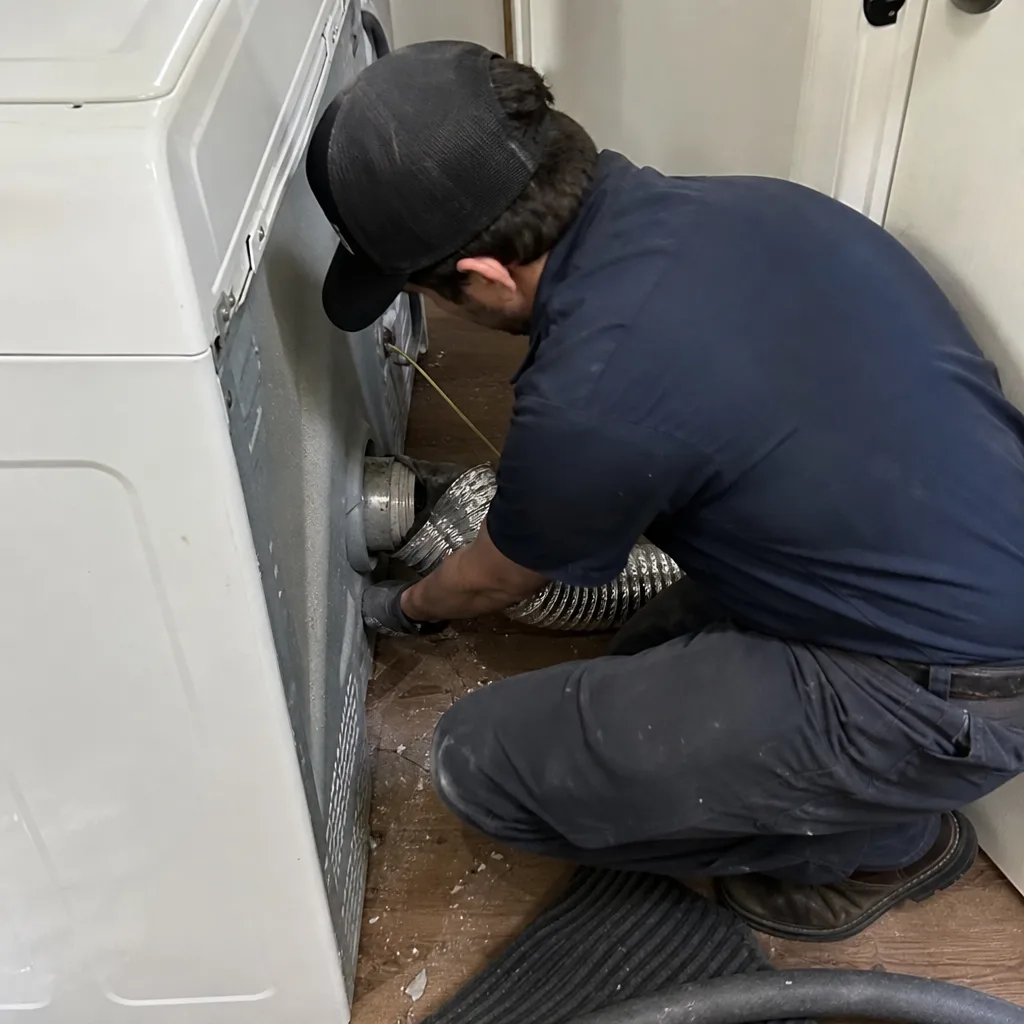
- Neglecting dryer vent inspection. Dryer vent blockage produces symptoms - reduced airflow, longer dry times, lint accumulation - that homeowners sometimes attribute to HVAC duct problems. Dryer Vent Cleaning in Washington is a separate service with its own warning signs and safety considerations.
When to Call a Professional
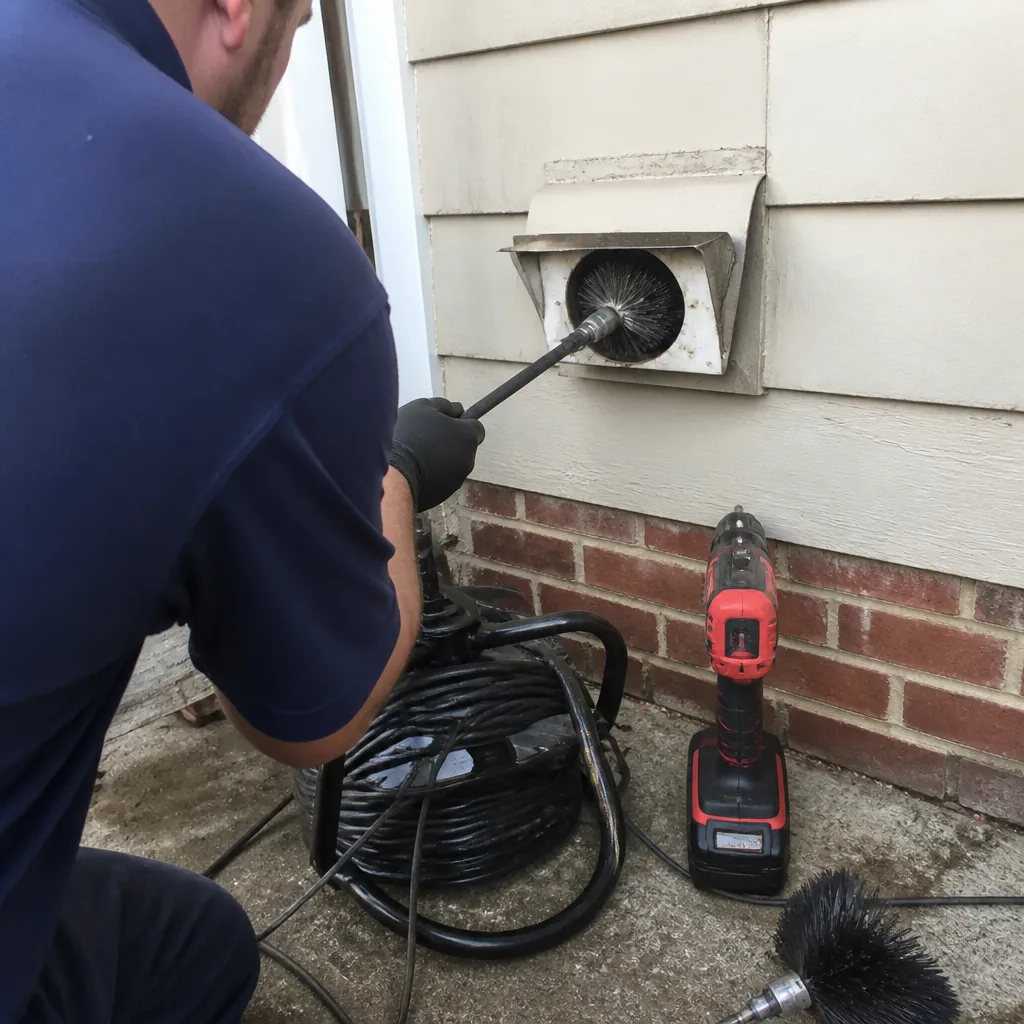
Call for evaluation when: you observe debris that differs in color, texture, or distribution from normal household dust; odors persist after filter replacement and surface cleaning; room-to-room temperature differences exceed 3 degrees with the system running continuously; or your utility bills have increased without corresponding rate changes or thermostat adjustments. For more guides & resources, visit our blog.
Do not wait for visible mold covering large areas, strong chemical odors, or any combustion-related symptom - these are safety concerns requiring immediate response.
CleanRun Air Duct Cleaning Washington offers free estimates in Washington - call (240) 363-3380. Every estimate includes inspection, written scope, and upfront pricing under Haven Standard Clause 1. Our Rotobrush and Aprilaire equipment is named in your written proposal so you can verify specifications before approving work. HVAC Cleaning in Washington is available as a standalone or bundled service depending on what inspection reveals.
Frequently Asked Questions
Whole-system air duct cleaning in Washington typically ranges from $450 to $850 for a single-family home, depending on system size, accessibility, and contamination level. Per-vent pricing is a common bait-and-switch structure; CleanRun quotes one flat price per system, agreed in writing before work starts, with no add-ons for “extra” vents or returns. Call (240) 363-3380 for an exact quote - estimates are free.
The $79-$149 coupon price typically covers a brief vacuuming of accessible registers with portable equipment, not full-system cleaning with negative-pressure extraction and rotary brushing. The low quote becomes a much larger invoice once the technician is in your home and “discovers” additional requirements. CleanRun’s written price, delivered before work starts under Haven Standard Clause 1, is the total price. The photo record proves what was done.
Request a documented photo record of every duct run, before and after. CleanRun includes this as standard on every job; the images are delivered with your invoice and show the interior surface of each run, not just the register face. If a contractor cannot or will not provide this, you have no verification that the work occurred. Our 365-Day Done Right Promise is backed in writing, not stated in marketing copy alone.
For most Washington homes, every 5-7 years with normal use and proper filtration. Homes with pets, recent renovation, or occupants with respiratory conditions may need more frequent service. The correct interval is determined by inspection, not calendar; we note recommended re-inspection dates in our written scope and photo record.
Surface cleaning of register grilles and visible duct openings is safe homeowner maintenance. Anything beyond the register face involves risks: fiberglass duct liner damage, electrical contact near the air handler, and disturbance of hazardous materials. Professional equipment - negative-pressure extractors, rotary brushes, and inspection cameras - reaches the full duct run and documents results. For safety and verification, we recommend professional service for interior cleaning.
Yes. Washington’s humid summers support mold growth in poorly drained systems, while heating-season dryness increases static and particulate circulation. The temperature swing from summer to winter also stresses duct liner and sealants, accelerating material degradation. These factors don’t necessarily shorten cleaning intervals, but they do mean that Washington homeowners should watch for moisture-related and material-degradation symptoms more actively than in more stable climates.
The Bottom Line
Effective duct maintenance starts with accurate observation, not anxiety. Dust on a register is normal; the color, texture, and distribution of that dust tells you whether you’re seeing standard household accumulation or a specific failure mode. Match your symptoms to the categories in this guide, document what you find, and insist on inspection-based written pricing before any work begins. The contractors who earn your trust will show you what they found, explain it in terms you can verify, and put their commitments in writing. Anything less is vacuum noise.
Written by Tomas Reyes, Owner at CleanRun Air Duct Cleaning Washington, serving Washington since 2013.