
Last updated September 23, 2026
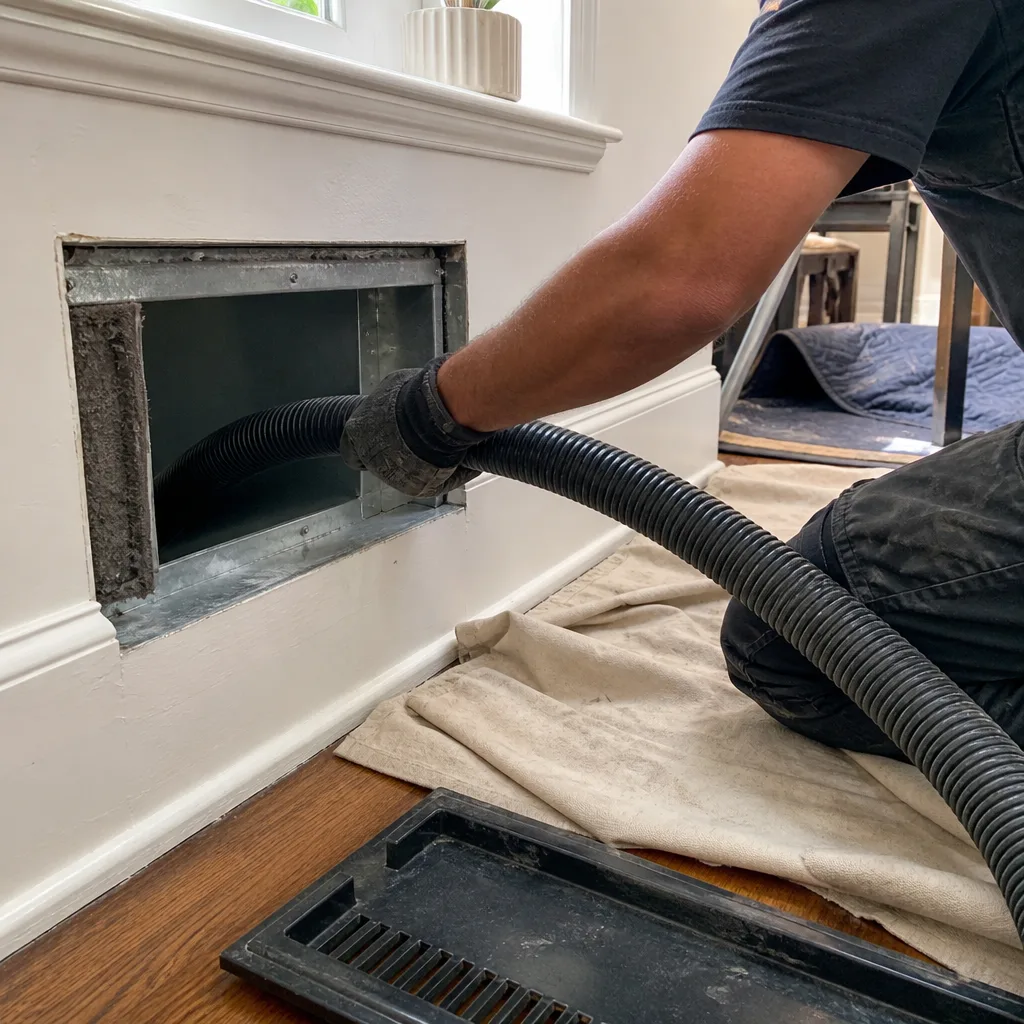
Whole-system duct and dryer vent check with before-and-after photos - you see exactly what came out of your vents
That "$99 whole-house special" is a bait ad - the real number appears once they are in your hallway, or the "clean" is a shop-vac at the register. We photograph the inside of your ducts before and after instead.
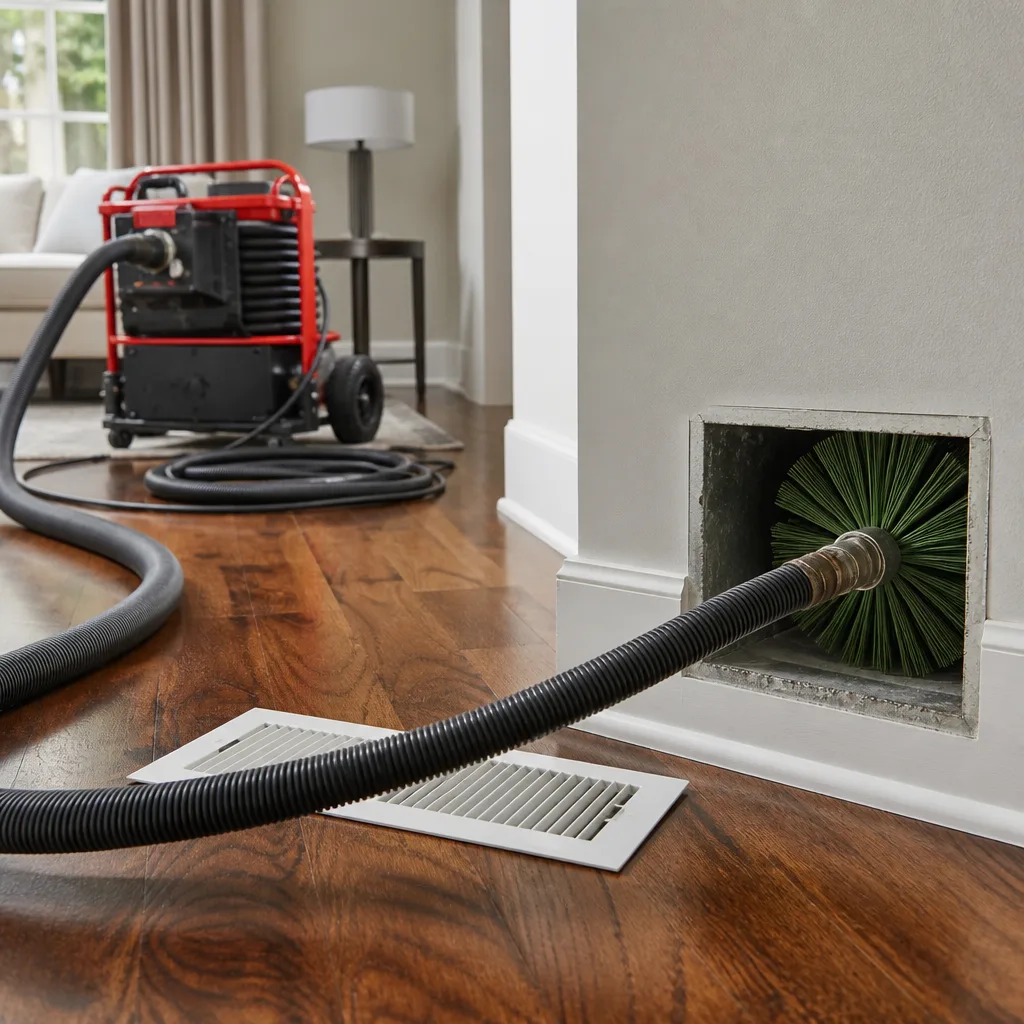
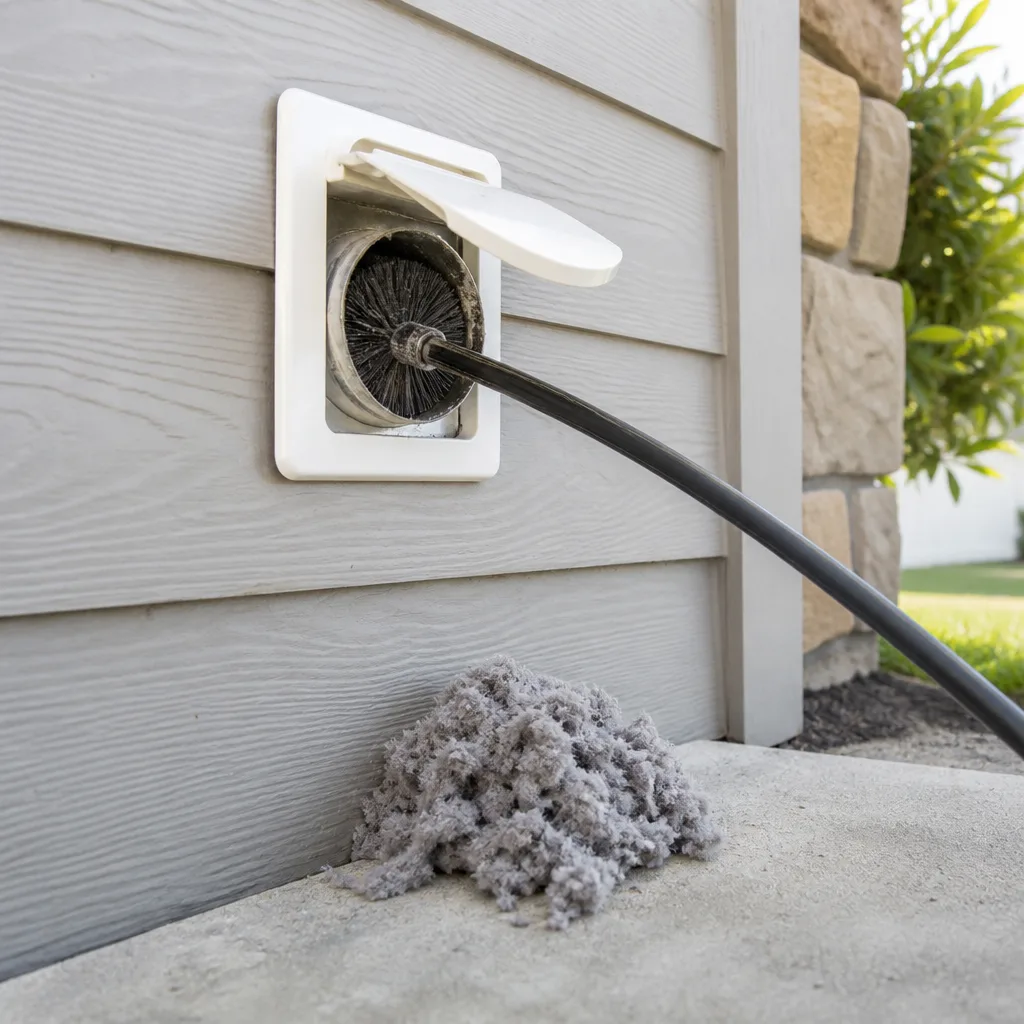
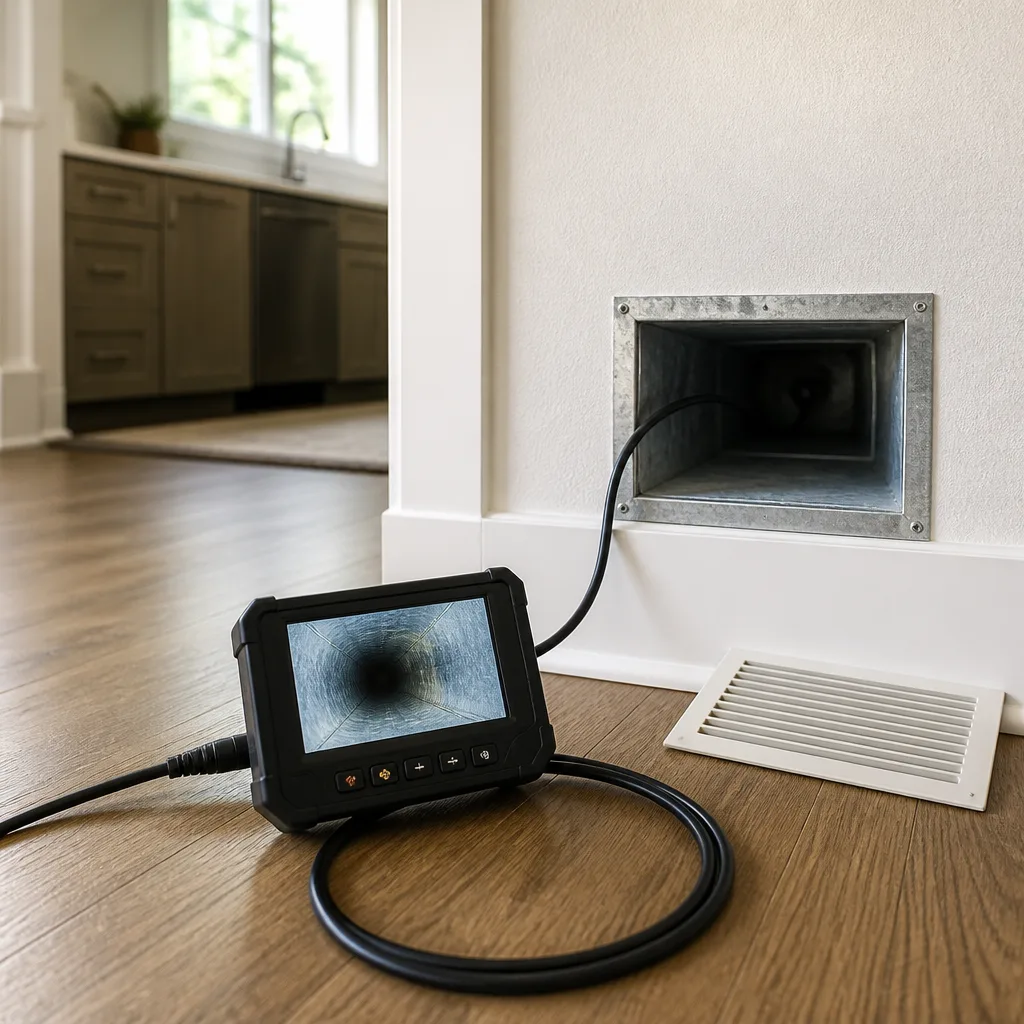
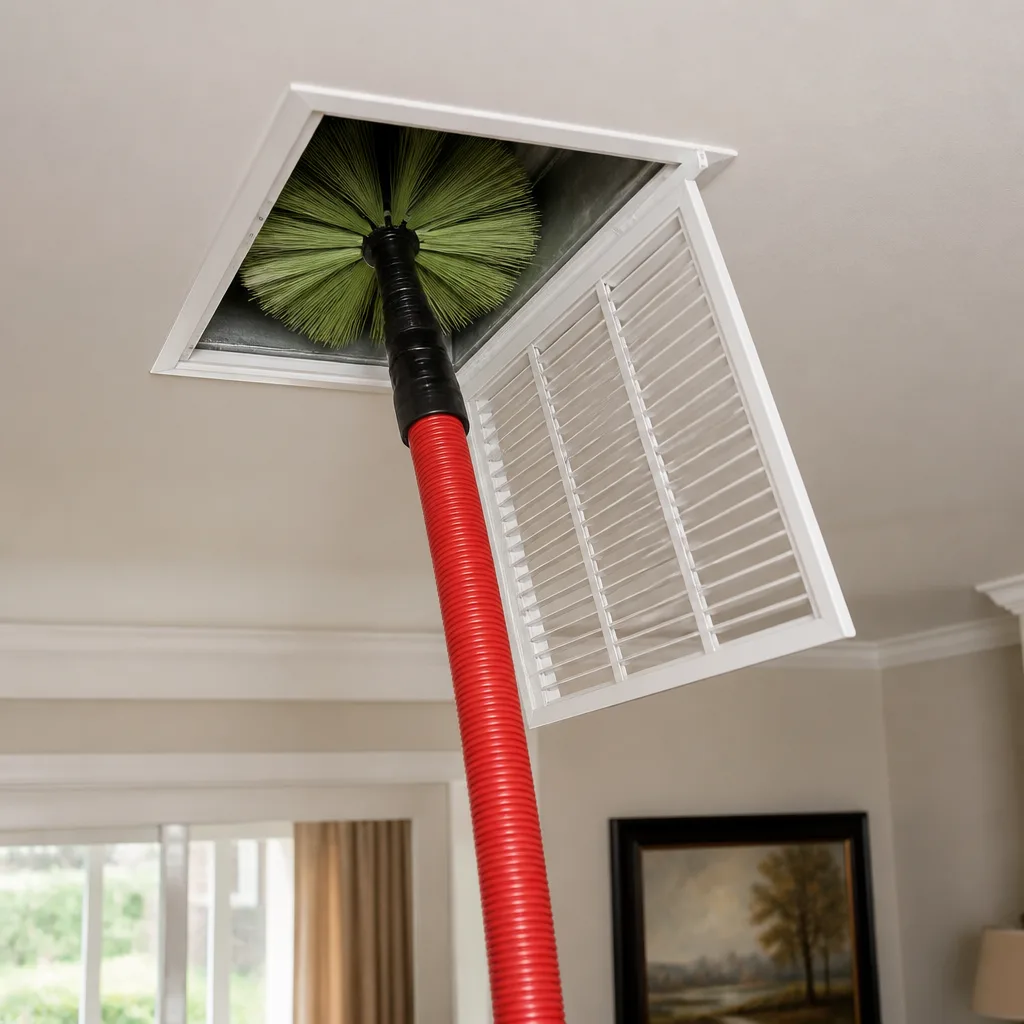
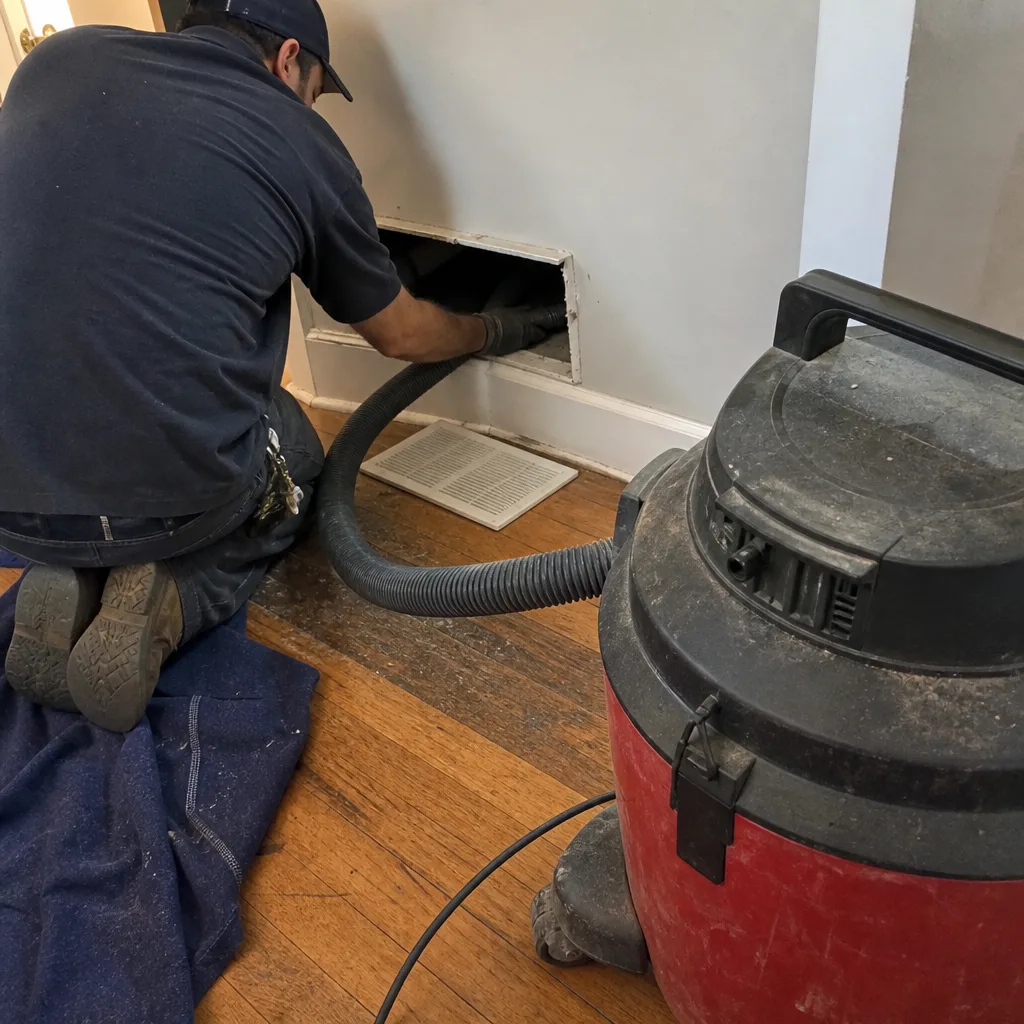 Before
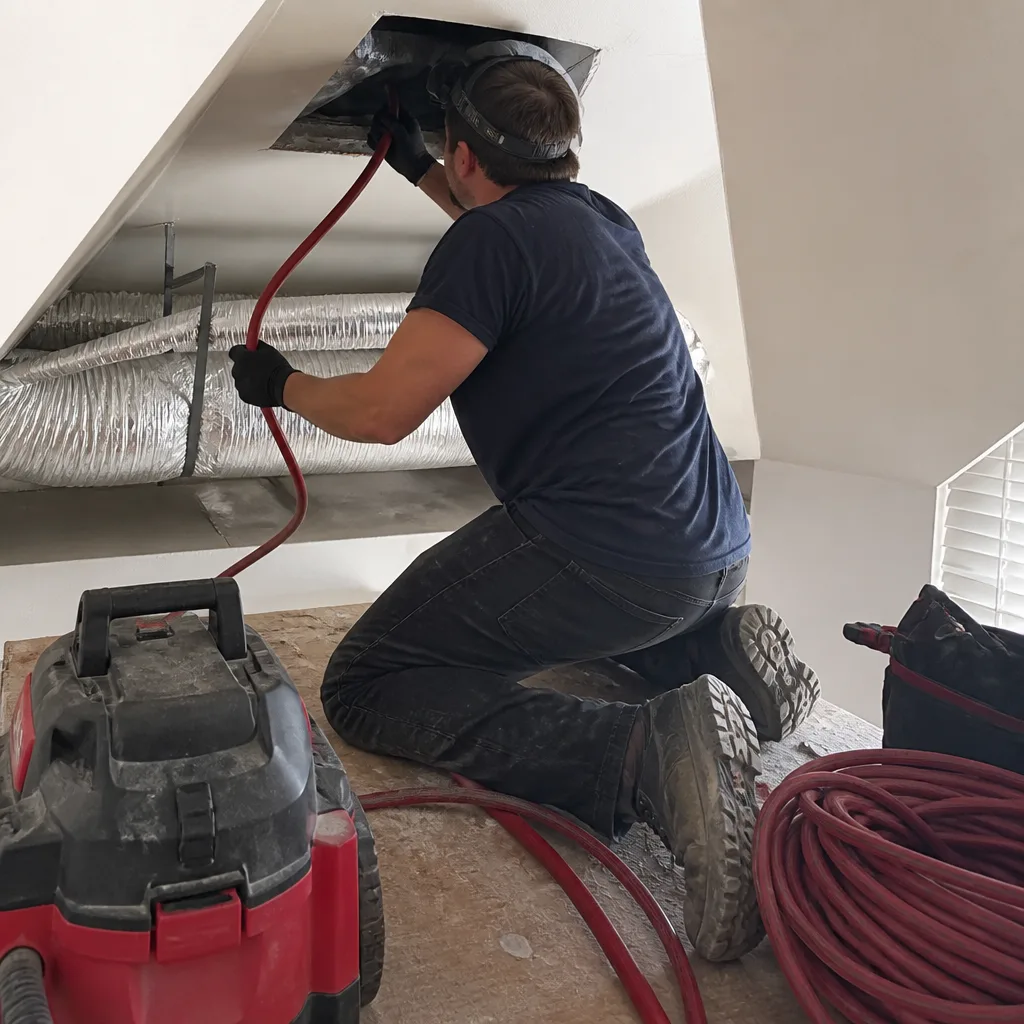 After
After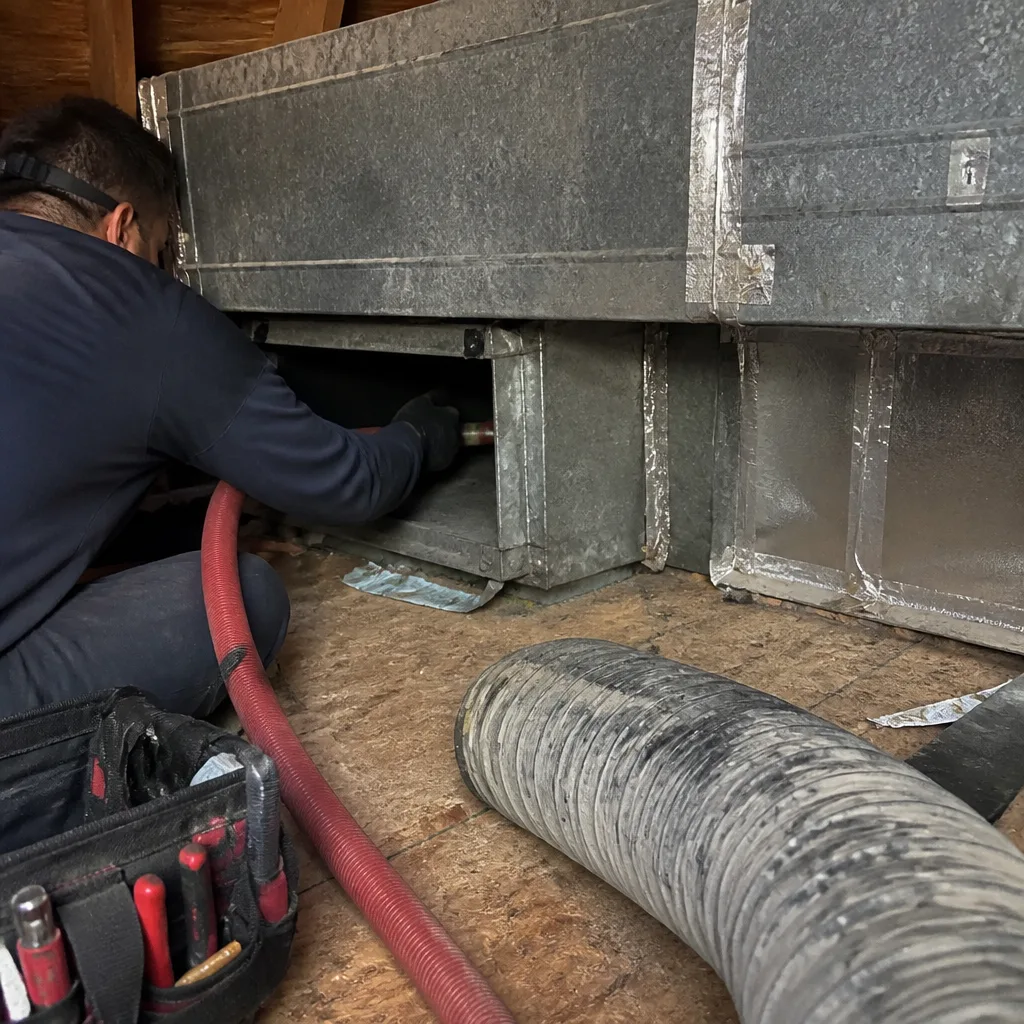 Before
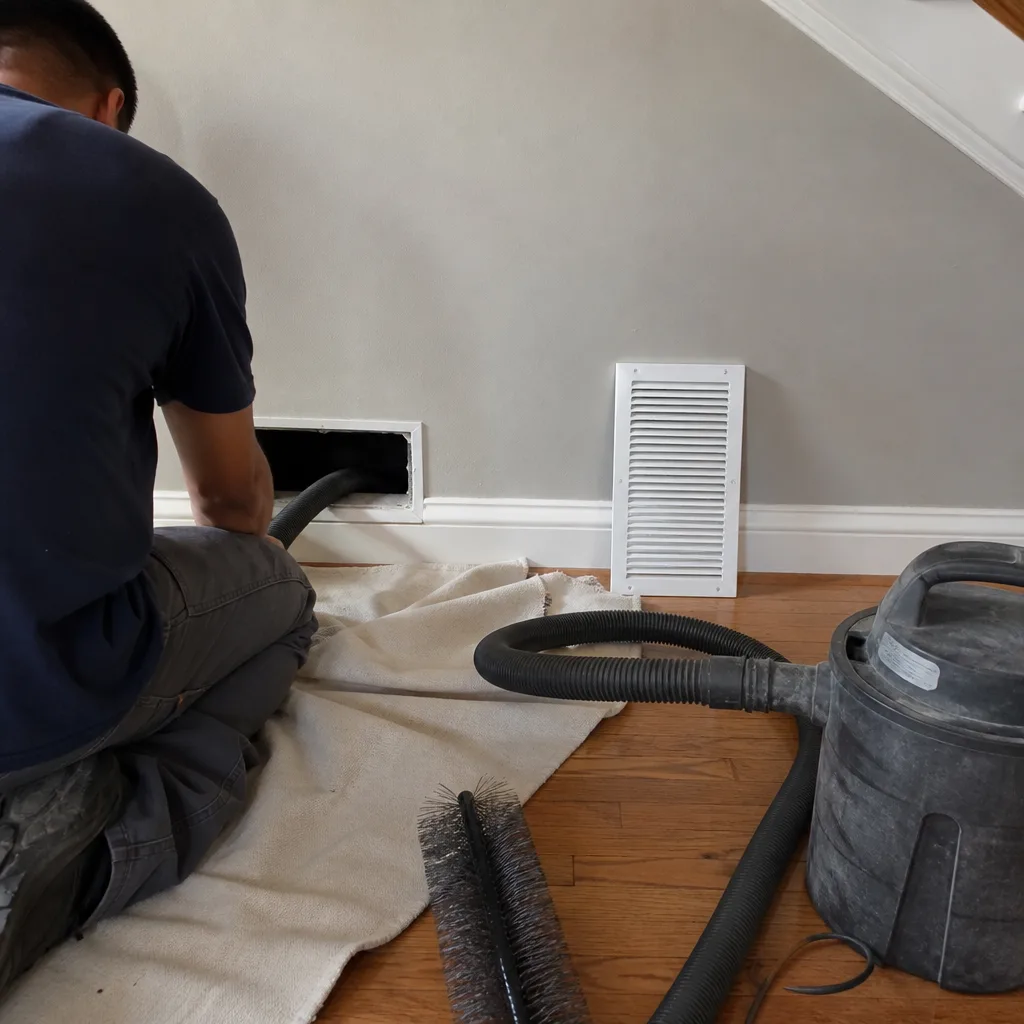 After
After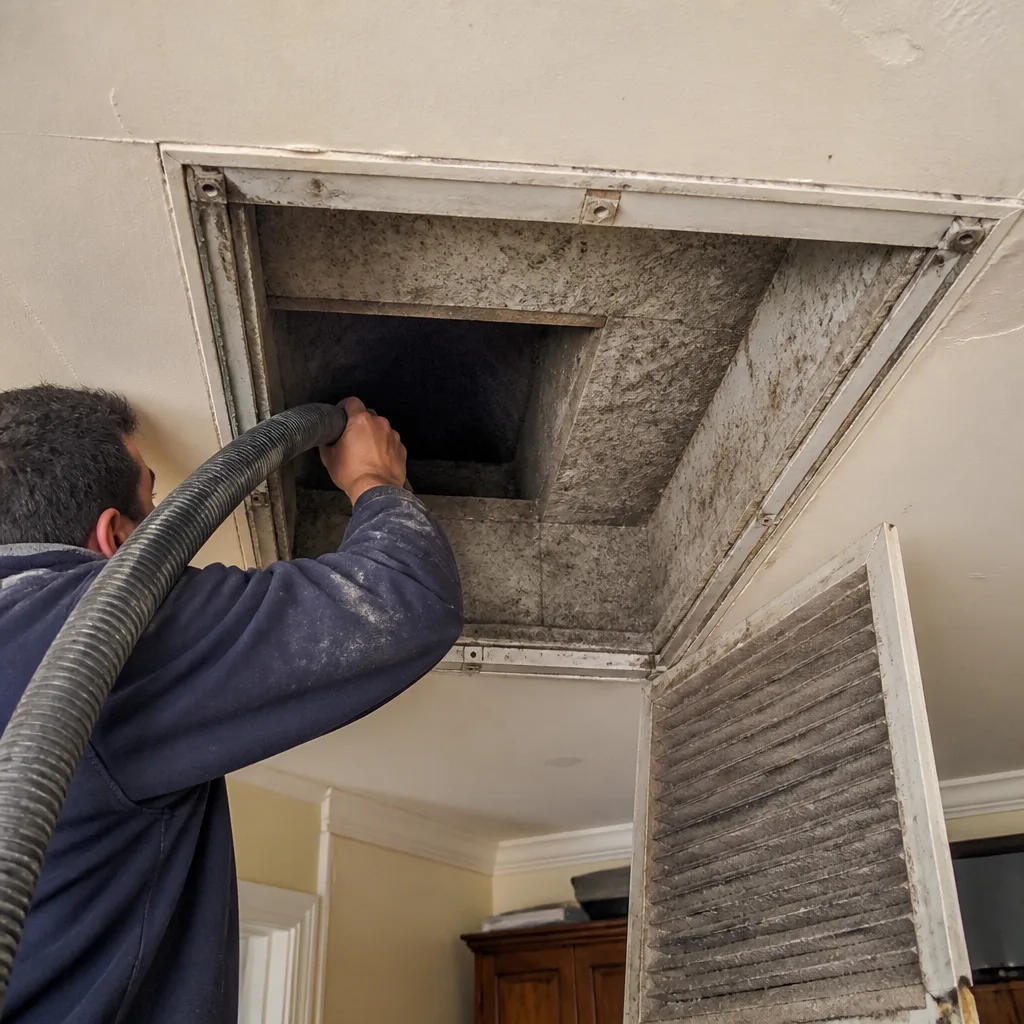 Before
 After
AfterDIY vs Professional Air Duct Cleaning: The Washington Homeowner’s Decision Guide
A $35 brush kit and a shop-vac can clean what you can reach. But in a typical DC rowhouse, more than half the duct system sits behind drywall, above drop ceilings, or in mechanical chases that require equipment and access points a homeowner cannot create without damaging the structure. We’ve been in Washington homes since 2013 where the owner spent a Saturday on their knees with a vent brush, only to call us the following week when the camera showed untouched debris at the first elbow. This guide maps what you can realistically do yourself, what requires Air Duct Cleaning services, and why the documentation gap between DIY and professional work matters more in Washington’s housing market than most homeowners realize.
Quick Answer
DIY air duct cleaning in Washington handles surface debris at registers and visible flex duct sections but cannot reach the plenum (the main distribution box), interior duct runs, or debris lodged at elbows and dampers. Professional cleaning with negative-pressure extraction and interior inspection cameras costs $400-$900 for a typical Washington single-family system and produces a documented photo record of every duct run that DIY cannot replicate. For homeowners in a market where inspection reports follow properties for years, that documentation gap often matters more than the cleaning itself.
Table of Contents
- What Homeowners Can Actually Reach in Washington Homes
- What DIY Cleaning Cannot Produce: The Documentation Gap
- Tool Cost Reality: Renting vs. Hiring
- How DC’s Older Housing Stock Changes the DIY Calculus
- When DIY Is a Reasonable Interim Measure
- When DIY Delays Necessary Professional Work
- What Professional Air Duct Cleaning Actually Includes
- Choosing a Professional Provider in Washington
BeforeAfterWhat Homeowners Can Actually Reach in Washington Homes
Washington’s housing stock breaks into three dominant types, and each determines what a homeowner can access without cutting into walls or disturbing historic finishes.
Rowhouses and Townhomes (Capitol Hill, Shaw, Petworth, Columbia Heights)
These narrow structures, often 12-16 feet wide with stacked mechanical systems, run ductwork through concealed chases between floors. A homeowner can remove floor registers and wall grilles, clean the register boot (the short metal sleeve connecting the duct to the room), and vacuum visible debris within arm’s reach. The horizontal duct runs between the boot and the main trunk line? Typically buried in the party wall or beneath finished basement ceilings. We’ve photographed debris build-ups 18 inches past the boot opening that no handheld brush could touch.
Mid-Century Apartments and Condos (Foggy Bottom, Dupont Circle, Woodley Park)
These buildings often use ceiling-mounted ductwork with exposed flex runs in utility closets. A homeowner can access the filter housing, wipe down visible flex sections, and clean register faces. The shared return plenum serving multiple units? Locked behind fire-rated panels in common hallways. Individual unit owners cannot access these without building management coordination.
Post-2000 Single-Family and Infill Construction (Brookland, Navy Yard, Hill East)
Newer construction with unfinished basements offers the most DIY access. Homeowners can trace duct runs from the air handler, inspect visible connections, and clean accessible sections. But even here, the upstairs duct branches typically disappear into framed walls at the basement ceiling line.
The Honest Map of DIY Access
Here’s what a homeowner can realistically clean without specialized equipment or structural modification:
- Register faces and boots: Remove grilles, vacuum debris, wipe surfaces. This is genuine maintenance and worth doing.
- Filter housing: Replace or clean the filter monthly. The simplest and most impactful DIY task.
- Visible flex duct sections: In unfinished basements or utility rooms, vacuum exterior surfaces and inspect for damage.
- Return air grille: Often the largest debris collector in the system. Remove and clean thoroughly.
What remains inaccessible: the supply plenum, interior duct runs beyond the boot, dampers and balancing devices, and any debris at elbows or transitions where airflow changes direction.
What DIY Cleaning Cannot Produce: The Documentation Gap
This is where the DIY versus professional question shifts from capability to consequence. In Washington’s housing market, where median home sale prices exceeded $650,000 in 2024 and inspection reports populate disclosure databases for years, documentation carries weight that surface cleaning does not.
A professional job from CleanRun Air Duct Cleaning Washington home includes a Documented Photo Record of every duct run, before and after, delivered as part of the standard job record. We’ve held this practice since our first job in 2013. The camera shows a 3-inch debris build-up at the first elbow, or it shows clean metal. That image is timestamped, geotagged, and attached to the written scope.
Homeowners use this documentation for three specific purposes our crews have encountered repeatedly:
- Real estate disclosure: A seller in Chevy Chase provided our photo record to demonstrate the duct system condition to buyers, avoiding a $1,200 credit negotiation.
- Insurance claims: After a minor fire in a Petworth rowhouse, an insurer requested proof of duct cleaning before releasing remediation funds. The photo record satisfied the requirement in one email.
- Health-related documentation: A family in Takoma with a member undergoing immunosuppressive treatment used our before-and-after record to document environmental conditions for their medical team.
DIY cleaning produces no such record. The homeowner knows they vacuumed the registers. They cannot prove what the interior ductwork contained or when.
Under Haven Standard Clause 1, every CleanRun job starts with a written price and concludes with this documented record. There is no equivalent in the DIY approach, and in a market where homes transact frequently and disclosure standards tighten, that gap grows more consequential.
Tool Cost Reality: Renting vs. Hiring
National DIY guides suggest a shop-vac, a vent brush kit, and “a few hours of your time.” They rarely account for what professional-grade duct cleaning actually requires.
What the Job Actually Demands
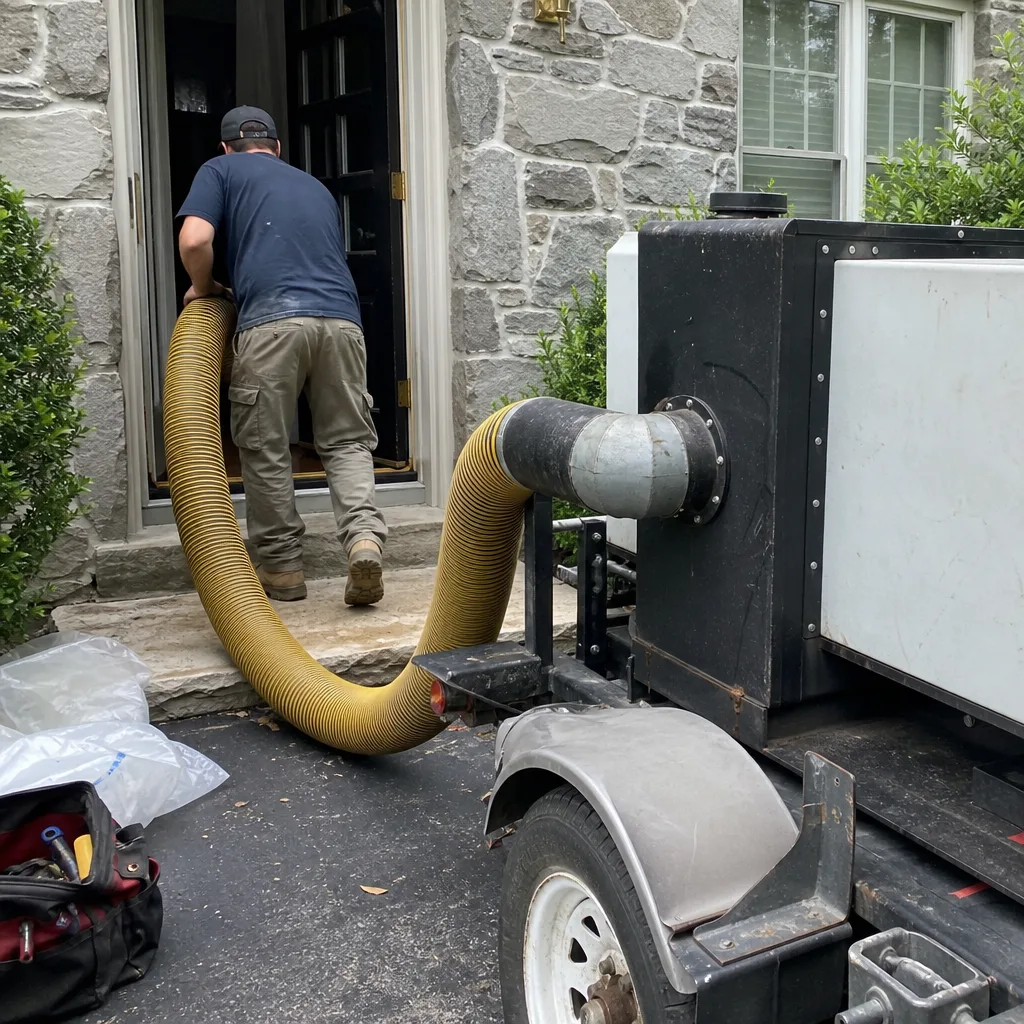
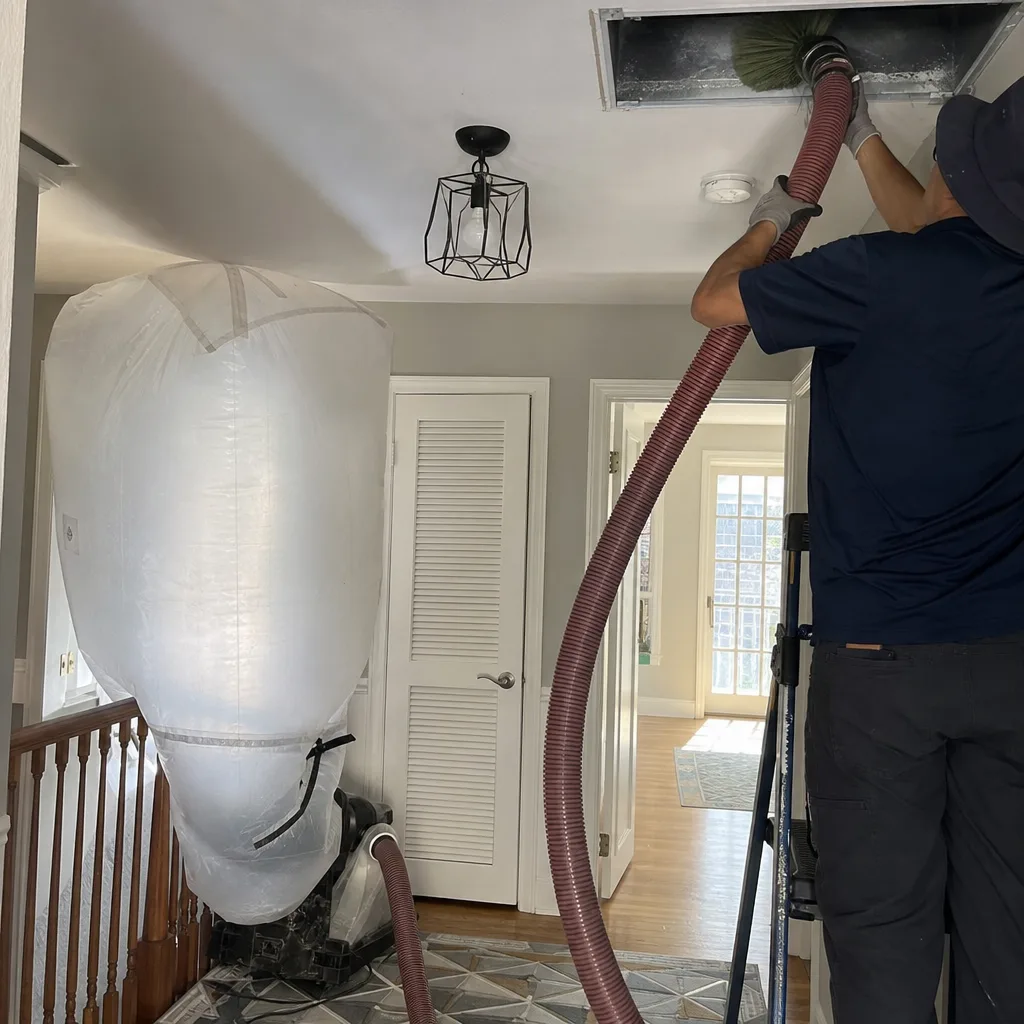
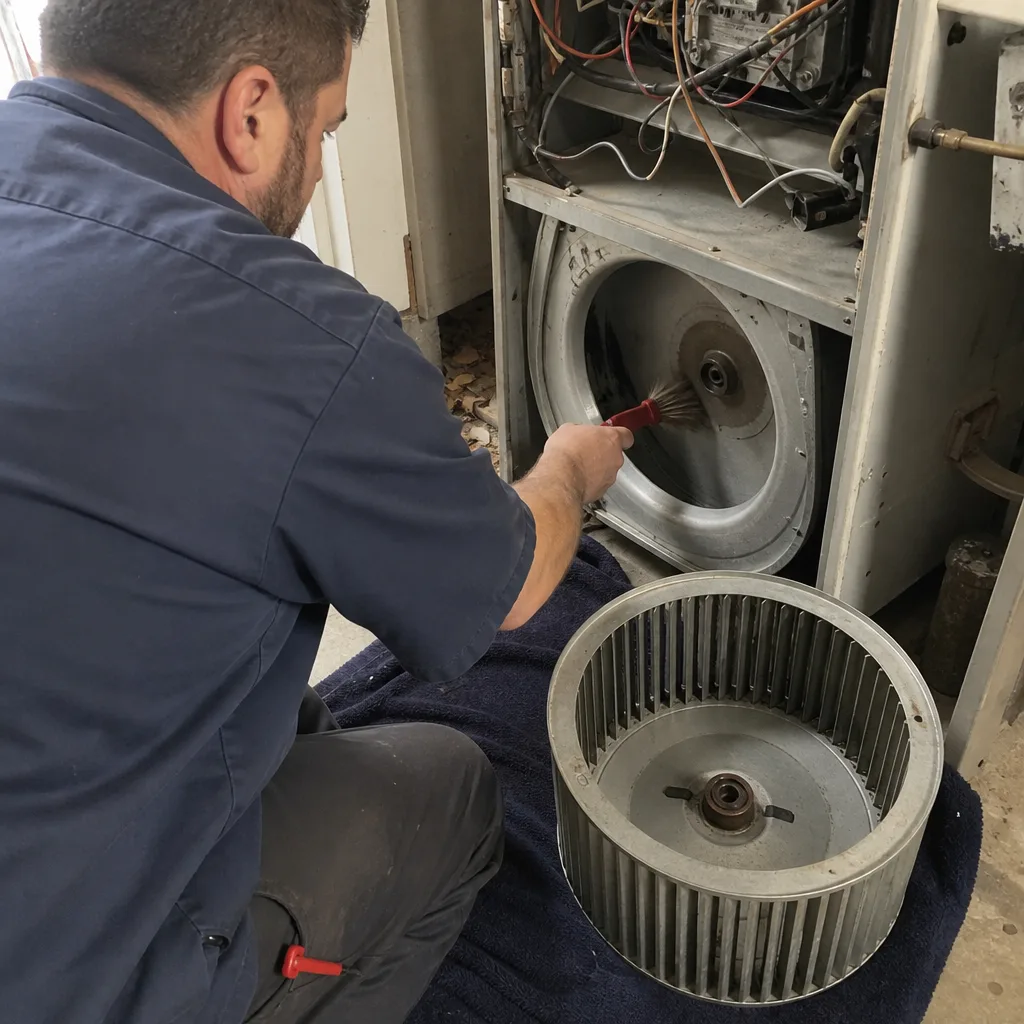
Professional air duct cleaning relies on negative-pressure extraction: a large vacuum unit, either truck-mounted or portable, that creates suction at the air handler while agitation tools (air whips, rotary brushes) loosen debris inside the duct runs. Without negative pressure, agitation simply redistributes debris into the living space.
The equipment roster CleanRun deploys includes Rotobrush portable systems for tight-access Washington rowhouses, Nikro negative air machines for whole-system extraction, and inspection cameras from Abatement Technologies to verify results. These are trade-recognized brands customers can look up independently.
Rental Costs vs. Professional Pricing
A homeowner seeking to approximate professional results faces these real costs in the Washington market:
- Portable negative air machine rental: $180-$280 per day from equipment suppliers in Maryland or Virginia, plus delivery if the unit exceeds vehicle capacity.
- Rotary brush and air whip agitation tools: $90-$150 for a basic set; professional-grade kits with multiple brush diameters run higher.
- Inspection camera with monitor: $120-$200 per day rental; purchase runs $800+ for units with adequate resolution and articulation.
- HEPA filtration for the vacuum exhaust: Often an add-on charge, $40-$60 per day.
Total rental outlay for a single weekend: $430-$790, not including transportation, setup time, or the learning curve of operating unfamiliar equipment. And this assumes the homeowner can create proper access points without damaging walls or ceilings.
Professional Air Duct Cleaning in Washington from established providers typically runs $400-$900 for a complete single-family system, depending on duct count and accessibility. The price includes labor, equipment, documentation, and accountability. Haven Standard Clause 1 requires the written price before any work starts, so the comparison is straightforward.
For most Washington homeowners, the rental path costs nearly as much, consumes a full weekend, produces no documentation, and carries risk of equipment damage or incomplete cleaning. The math favors hiring when the full cost picture is visible.
How DC’s Older Housing Stock Changes the DIY Calculus
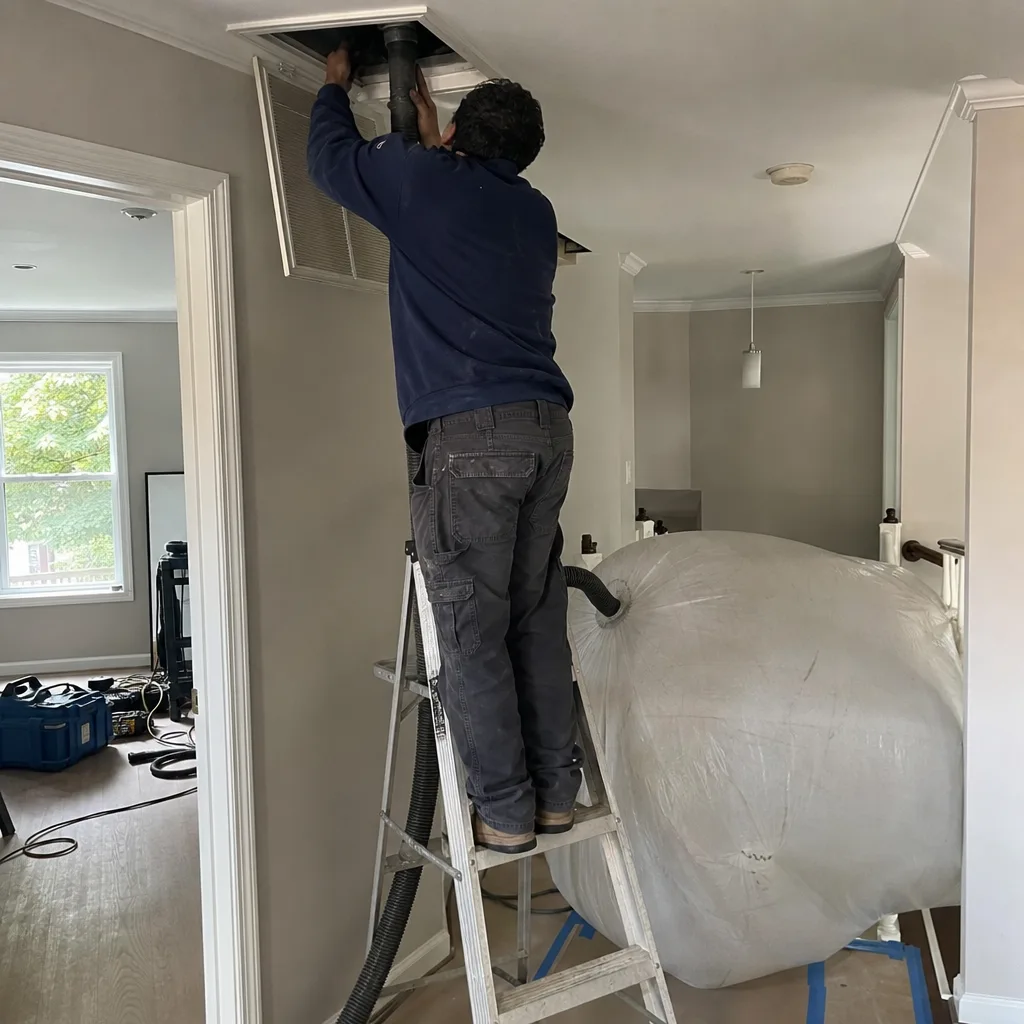
Washington’s building age distribution creates DIY risks that national guides, written for suburban construction norms, rarely address. Three specific conditions appear regularly in our work and should alter any homeowner’s self-assessment.
Asbestos-Wrapped Ducts in Pre-1980 Homes
Homes built before 1980, common in Capitol Hill, Georgetown, and large swaths of Ward 4, may contain asbestos paper or tape wrapping metal duct joints. Disturbing this material without proper containment and abatement certification violates District regulations and creates serious health exposure. A homeowner brushing or vacuuming near degraded asbestos wrap can release fibers into the living space without knowing the material is present.
Professional crews identify suspect materials before agitation begins. When asbestos is suspected, work stops until certified abatement confirms or clears the material. DIY has no equivalent stop point.
Vermiculite Insulation Near Air Handlers
Vermiculite attic insulation, some of which contains asbestos, appears in Washington homes with attic-mounted air handlers, particularly in pre-1970 construction. Disturbing this insulation during DIY duct access can contaminate the system. Professional crews inspect the air handler surround before opening panels; homeowners typically do not know to look.
Original Galvanized Sheet Metal
Washington’s older housing stock includes original galvanized ductwork that has endured 50-80 years of thermal cycling. This metal degrades differently than modern flex duct: seams open, internal rust scaling flakes off, and structural integrity varies by section. A homeowner forcing a brush through a compromised galvanized run can detach rust scale that obstructs airflow or damage the duct wall.
Interior inspection cameras, standard in professional work, reveal these conditions before agitation begins. The camera showed a 3-inch debris build-up at the first elbow in a Petworth home last month; it also showed the elbow itself was rusted through and required repair before cleaning could proceed. DIY would have missed the repair need and potentially worsened the breach.
These three conditions, specific to Washington’s housing age profile, make DIY duct cleaning a higher-stakes decision here than in markets dominated by post-1990 construction.
When DIY Is a Reasonable Interim Measure
Despite the limitations, there are specific scenarios where homeowner maintenance is appropriate and useful, as covered in our Seasonal Air Duct Cleaning Care for Washington: Year-Round Homeowner’s Guide.
Between Professional Cleanings
After a professional cleaning with full documentation, maintaining register cleanliness and filter changes extends the effective interval. We recommend this to Washington customers with new construction or recent professional service.
Visible Debris Events
A remodeling project, pest intrusion, or filter failure can deposit visible debris at accessible points. Cleaning the register boot and replacing the filter addresses the immediate symptom until professional evaluation determines whether debris penetrated deeper.
New Homeowner Baseline Assessment
Buying a home with unknown duct maintenance history? Cleaning accessible surfaces and inspecting the filter housing provides limited but real information. If the filter housing contains years of accumulated debris, that’s a signal to schedule professional service.
Specific Washington Scenario: Pollen Season Response
Washington’s spring pollen season, typically March through May with peak oak and birch counts, overwhelms standard filters. Homeowners who upgrade to MERV 13 filters and clean register faces during peak season report perceptible improvement. This is maintenance, not system cleaning, but it’s rational DIY.
The key distinction: DIY works as interim maintenance or response to visible, accessible problems. It does not substitute for systematic cleaning of the full duct network.
When DIY Delays Necessary Professional Work
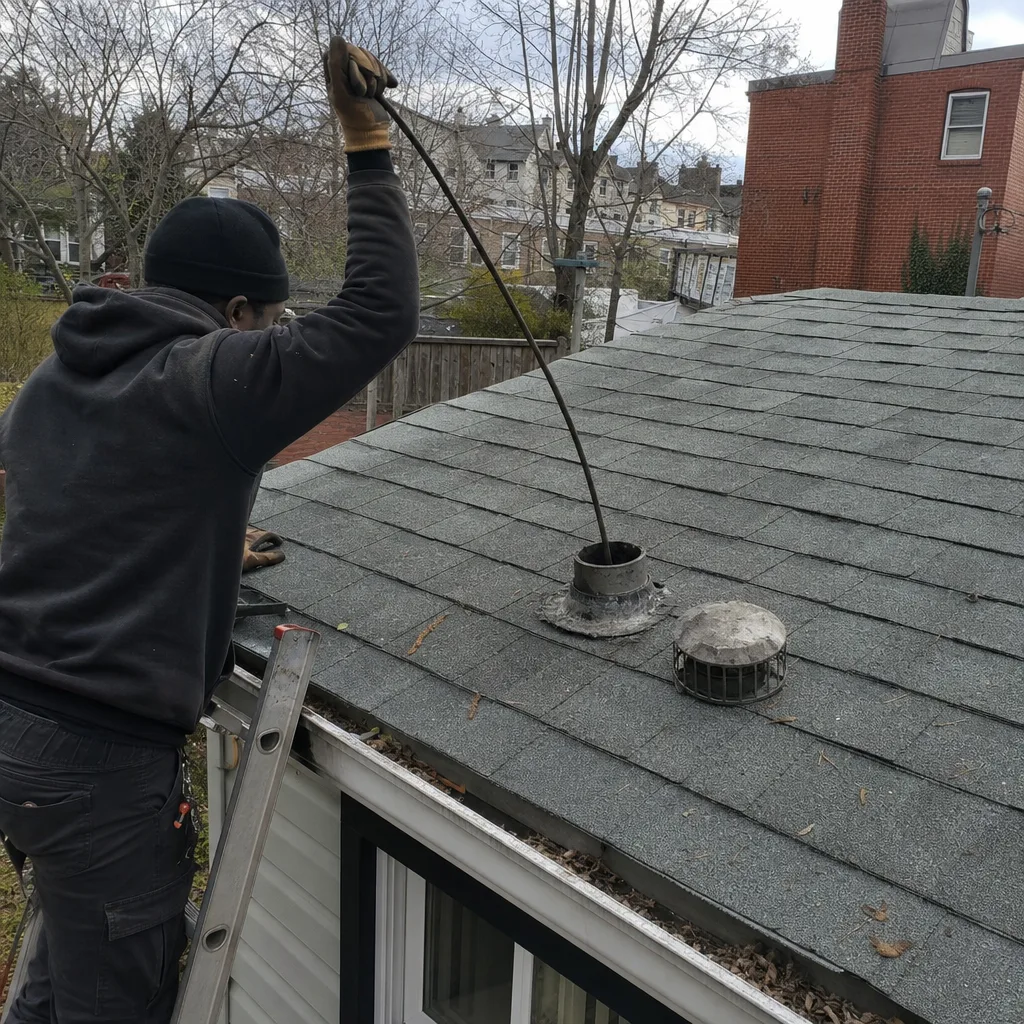
More concerning than DIY’s limitations is its capacity to postpone professional intervention until conditions worsen. We’ve documented three patterns in Washington homes.
The “I Already Cleaned Them” Delay
Homeowners who invest weekend effort in register cleaning often perceive the job as complete. They dismiss persistent dust, uneven airflow, or musty odors as unrelated or inevitable. In reality, these symptoms frequently indicate debris deeper in the system that register cleaning cannot reach. The DIY effort provides false confidence, and the underlying condition progresses.
Partial Agitation Redistribution
A homeowner who brushes visible duct sections without negative-pressure extraction often loosens debris that then redistributes to other parts of the system. We’ve opened duct runs in Columbia Heights homes where the upstream section was cleaner than the downstream, indicating debris was pushed deeper by amateur agitation. Professional extraction requires simultaneous suction; agitation alone can worsen distribution.
Missed System Problems
DIY cleaning cannot identify disconnected ducts, failed dampers, or microbial growth on the evaporator coil. These conditions produce symptoms similar to debris accumulation but require different remediation. A homeowner who “cleans the ducts” and sees no improvement may conclude the system is unfixable, when the actual problem was never accessible to their tools.
In our experience, the average delay between DIY attempt and professional call is 14-18 months. Conditions that were manageable at first contact often require more extensive remediation by the time we see them.
What Professional Air Duct Cleaning Actually Includes
Understanding what professionals do clarifies what DIY cannot replicate. For more guides & resources, see our blog; here’s the standard CleanRun protocol, held since 2013 and documented on every job.
Pre-Work Assessment and Written Price
Haven Standard Clause 1: written price delivered before any work starts, every time. The technician inspects the system, counts duct runs, identifies access constraints, and provides a fixed price. No per-vent add-ons, no “once we get in there” revisions. The price covers the system, not a guess.
Negative-Pressure Extraction
A portable or truck-mounted negative air machine connects to the duct system, creating suction that captures debris as agitation tools loosen it. This is the critical distinction from DIY: debris is removed from the building, not redistributed within it.
Agitation and Interior Cleaning
Rotobrush rotary systems and Nikro air whips contact duct interior surfaces, dislodging adhered debris. Tool selection varies by duct material and condition, determined by technician assessment.
Component-Level Cleaning
The supply plenum (the main distribution box after the air handler), return air plenum, and filter housing receive dedicated attention. These components collect the most debris and are rarely accessible to homeowners.
Inspection and Documentation
Abatement Technologies inspection cameras verify results. Every duct run is photographed before and after. The customer receives the photo record as a standard deliverable, not an add-on.
Post-Work Review
The technician reviews findings with the homeowner, explains any conditions requiring repair attention, and confirms satisfaction before departure. The 365-Day Done Right Promise, backed in writing, covers the work.
This protocol produces results and documentation that DIY cannot approximate. The question for Washington homeowners is whether they need those results now or can defer them.
Choosing a Professional Provider in Washington
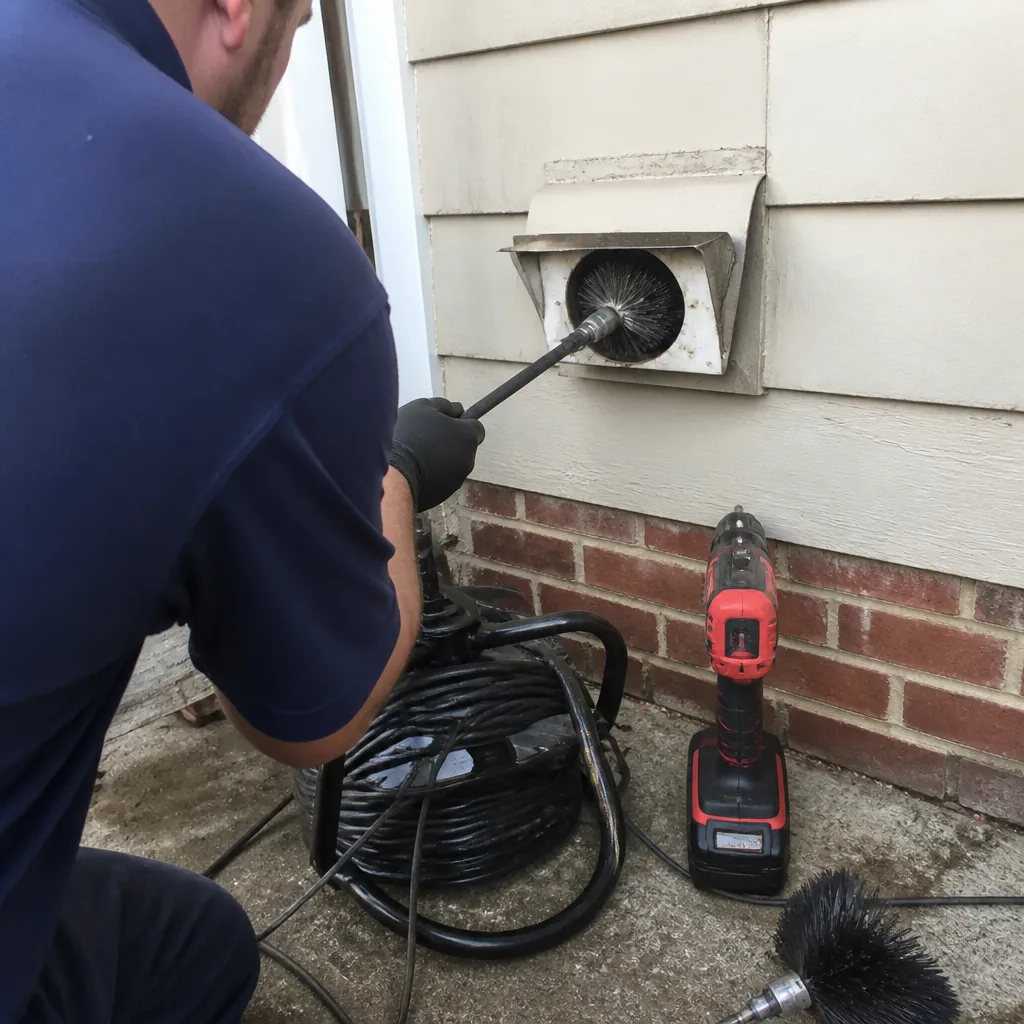
Not all professional services deliver equivalent documentation or accountability. Washington homeowners should verify specific practices before scheduling.
Verify These Four Points
- Written price before work starts: Not an estimate range, not a per-vent rate that expands, but a fixed price for the complete system. Ask for Haven Standard Clause 1 compliance by name.
- Documented photo record included: Not offered, not available for an extra fee, but standard on every job. Request sample documentation before booking.
- Equipment transparency: The provider should name the brands and systems they deploy. CleanRun uses Rotobrush, Nikro, Abatement Technologies, and others customers can verify independently.
- Written guarantee with defined terms: The 365-Day Done Right Promise specifies that if work is not right, the provider makes it right. Vague “satisfaction guaranteed” language without defined remedy is not equivalent.
Red Flags in the Washington Market
- Teaser pricing ($79-$149 whole-house specials) that inevitably expands on arrival
- Refusal to provide written price before technician dispatch
- No photo documentation or claim that “we’ll show you if there’s a problem”
- Unmarked vehicles or technicians who cannot produce identification
- Pressure to add sanitizing or sealing services without demonstrating need
CleanRun offers a Free Second Opinion on any written estimate: bring a competitor’s quote, and we put our number next to it in writing. This is not a sales tactic; it’s a direct response to an industry built on opacity.
For Dryer Vent Cleaning in Washington or HVAC Cleaning in Washington, the same verification standards apply. These services share equipment and documentation protocols with duct cleaning.
Common Mistakes to Avoid
- Assuming register cleaning equals system cleaning: In a Capitol Hill rowhouse, register boots represent perhaps 15% of total duct surface. The remaining 85% determines system performance and air quality.
- Using compressed air without extraction: Blowing debris loose without negative-pressure capture redistributes it into living spaces. We’ve remediated homes where this “cleaning” coated furniture with decades of accumulated dust.
- Ignoring filter housing contamination: A new filter in a dirty housing immediately becomes compromised. The housing requires dedicated cleaning, not just filter replacement.
- Disturbing suspect materials without testing: Pre-1980 Washington homes may contain asbestos or vermiculite near ductwork. When in doubt, stop and test. District regulations are specific, and homeowner liability is real.
- Accepting verbal estimates: The $79 coupon that becomes $600 on site is a documented pattern in Washington consumer complaints. Written price before work starts is non-negotiable.
- Skipping documentation for “future you”: Even if you hire professionally, providers who don’t photograph results leave you without evidence for resale, insurance, or health documentation. Verify this deliverable before booking.
When to Call a Professional
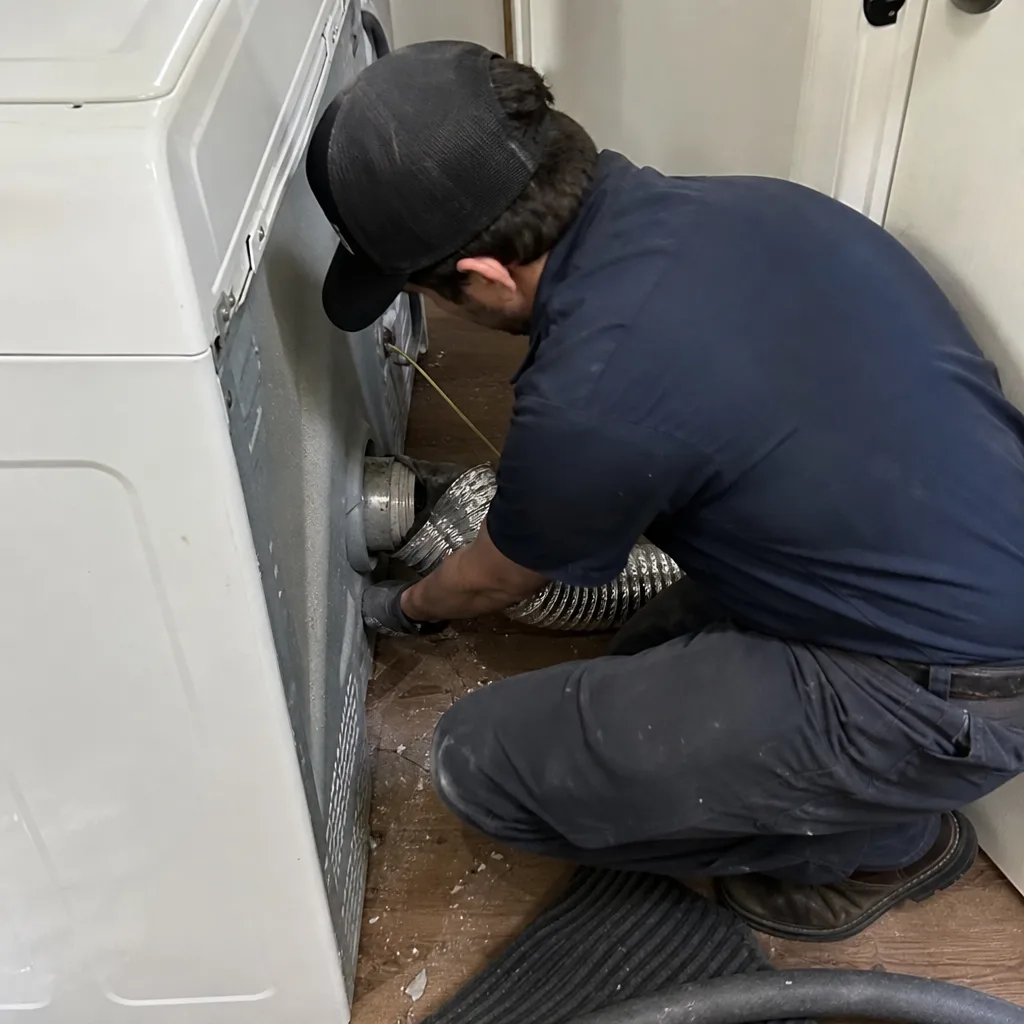
Schedule professional service when: you cannot remember the last cleaning and have no documentation; visible mold or persistent musty odors appear; airflow is noticeably uneven between rooms; you’ve completed renovation work that generated dust; or you’re preparing to sell and need disclosure-ready documentation. In Washington’s competitive resale market, a documented photo record of duct condition distinguishes prepared sellers from those scrambling at inspection.
CleanRun Air Duct Cleaning Washington offers free estimates in Washington. Call (240) 363-3380 to schedule assessment and receive a written price before any work begins.
Frequently Asked Questions
Professional air duct cleaning in Washington typically costs $400-$900 for a complete single-family system, depending on duct count, accessibility, and contamination level. Rowhouses with tight mechanical chases and multi-story duct runs trend toward the higher end; single-level homes with basement air handlers trend lower. CleanRun provides a written fixed price before any work starts under Haven Standard Clause 1. Call (240) 363-3380 for an exact quote on your system.
Low teaser quotes, common at $79-$149, rely on upselling after arrival: per-vent surcharges, “required” sanitizing, or equipment access fees. The final invoice typically exceeds honest upfront pricing. CleanRun’s written price covers the complete system with no per-vent add-ons. If a competitor’s quote seems too low, request their complete price in writing before scheduling, or bring it to us for a Free Second Opinion.
Require a documented photo record of every duct run, before and after, as a standard deliverable. CleanRun has photographed every job since 2013; customers receive these images as part of the standard job record. Without this documentation, you’re trusting a verbal claim. With it, you have timestamped evidence of results.
For most Washington homes, every 3-5 years with standard filter maintenance. Homes with pets, recent renovations, or occupants with respiratory conditions may benefit from shorter intervals. Homes with documented professional cleaning and ongoing filter changes may extend toward 5-7 years. The specific interval depends on conditions, not calendar rigidity.
A shop-vac cleans registers, boots, and accessible surfaces effectively. It cannot create negative pressure throughout the system, reach interior duct runs, or produce documentation. For maintenance between professional cleanings, yes. As replacement for professional service, no.
Washington’s humid summers and variable pollen seasons increase biological growth potential and filter loading compared to drier climates. The Potomac River valley’s humidity, particularly in July and August, supports microbial growth in poorly maintained systems. Spring pollen peaks strain filtration. These factors don’t necessarily shorten cleaning intervals for well-maintained systems, but they do increase the consequence of deferred maintenance.
The Bottom Line
DIY air duct cleaning in Washington handles what you can see and reach: registers, boots, filters, and visible duct sections. Professional cleaning handles what you cannot: interior duct runs, plenums, dampers, and the documentation that matters for resale, insurance, and health. The equipment gap is real, the access gap is structural, and the documentation gap is consequential in a market where homes transact frequently and disclosure standards tighten. For homeowners weighing the choice, the honest assessment is that DIY maintenance is useful between professional services but cannot substitute for them. When you’re ready for documented results and a written price before work starts, CleanRun provides both.
Written by Tomas Reyes, Owner at CleanRun Air Duct Cleaning Washington, serving Washington since 2013.